


Kratovo man stabs police officer mid-intervention: prosecutors want the 40-year-old detained
15.09.2026


15.09.2026

15.09.2026
15.09.2026

15.09.2026

15.09.2026

15.09.2026

15.09.2026

14.09.2026
13.09.2026

15.09.2026

15.09.2026
14.09.2026

15.09.2026

15.09.2026

15.09.2026
15.09.2026

14.09.2026
13.09.2026

15.09.2026

15.09.2026

15.09.2026

15.09.2026

15.09.2026

14.09.2026

09.03.2026

27.02.2026

19.02.2026
14.09.2026

14.09.2026
13.09.2026

23.04.2026

23.04.2026

12.04.2026


A nurse with ten years of service in the health system could not get a doctor when she needed one. That is the sentence that explains the entire story of Ljubica Šavreska from Ohrid - a woman who knows how the system works from the inside, and who was still left without help in her 24th week of pregnancy.
She gave her account publicly, addressing the Ministry of Health and the minister directly. She says that with severe pain and bleeding she sought an examination at several institutions - from Ohrid, through Struga, to Skopje. The pregnancy ended in the loss of the foetus.
The journey she describes
According to her statement, at the gynaecological emergency unit in Ohrid she got a two-minute ultrasound and an explanation that the pain came from the position of the foetus. She says the doctor then told staff not to wake him for such things at 3:30 in the morning, unless labour began. In Struga she was told it might be renal colic. Only the next day, back in Ohrid, was a shortened cervix of 13 millimetres established - along with a recommendation to go to Skopje.
In Skopje, she says, her condition worsened with heavy bleeding and severe pain, and her questions about contractions and about a cerclage got vague answers. In the end, through personal connections, she reached a private hospital where, as she puts it, she was admitted immediately and received treatment, tests and psychological support.
The sentence of hers that stays with you: she is not asking for a privilege, but for a system in which nobody has to beg for a privilege in order to be saved.
The two versions
The University Clinic for Gynaecology and Obstetrics has formed an internal quality control commission to review the case. At the same time, it rejects part of her account. The clinic says the patient received appropriate treatment, that she was never in a life-threatening condition, and that she left at her own request, against medical advice.
According to the clinic's version, she was admitted on 10 September at 03:22, at 24+2 weeks, with threatened premature labour and a shortened cervix. Transabdominal and transvaginal ultrasound examinations, laboratory analyses and a urine culture were performed, after which symptomatic and tocolytic therapy was administered according to protocol. On admission, scant dark red bleeding was recorded - where the patient describes heavy bleeding.
So the two sides diverge at exactly the point where everything is decided: how serious the condition was, and whether anyone explained to her what was happening. One side has documentation. The other has only the memory of the hours she spent waiting.
Who will establish it
The Ministry of Health has filed a request with the State Sanitary and Health Inspectorate for an extraordinary review of how the institutions and staff acted. After the inspection, the ministry says it will form a commission for professional oversight of the health workers involved in the treatment. If failures are established, the ministry says, it will act in line with the regulations.
That is the correct procedure - and it begins after Šavreska spoke publicly. The question is not whether the inspectorate will do its job. The question is how many patients without ten years in the health system and without a public voice went through the same night, with nobody forming a commission for them.
The latest 10 news from this category
Appeals run from 15 to 25 September. There is not enough space at Goce Delčev, so students go to Stiv...

From 23:00 to 05:00 there is no getting through towards Evzoni. Towards Halkidiki - business as usual. Those heading on...
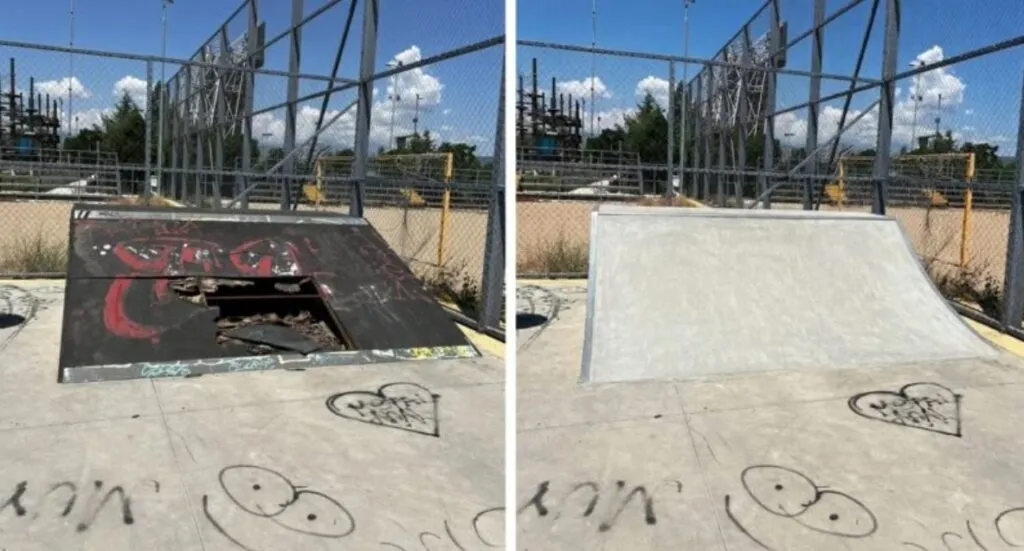
The injuries come from holes in the surface, not from tricks. The reconstruction permit has been issued - the concrete...
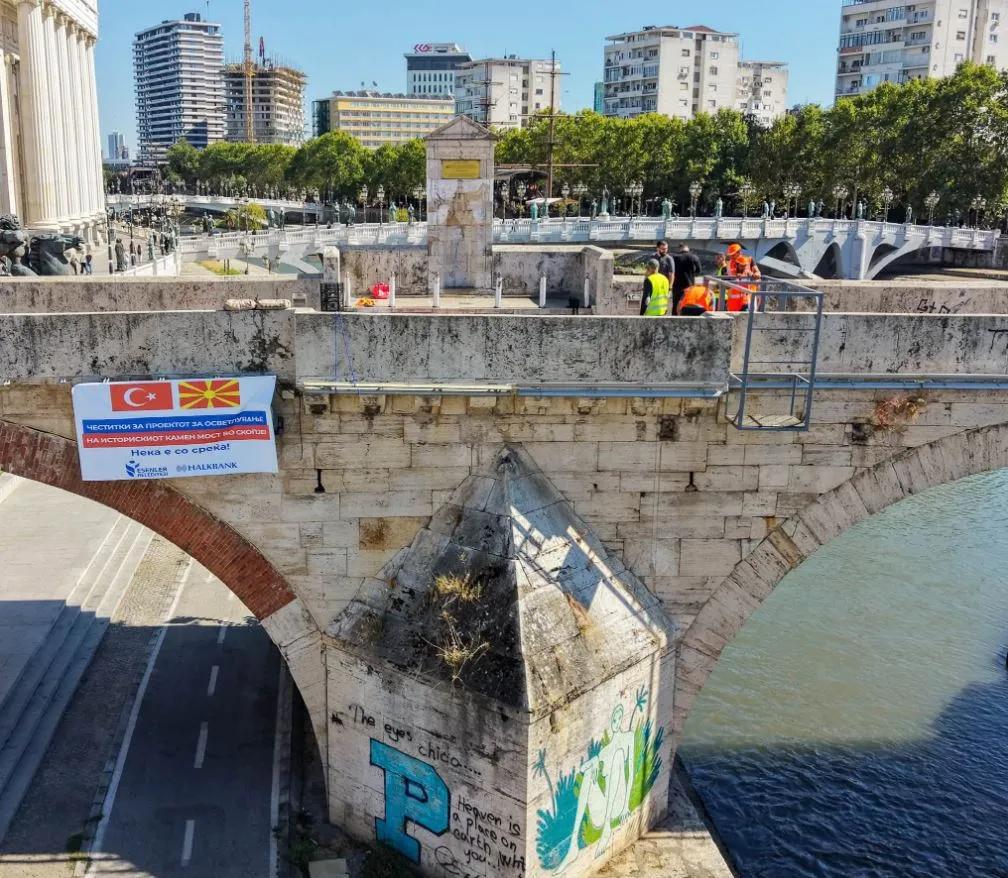
The bridge is closed to pedestrians while the work lasts. The city talks about dignity and future generations - the...

One hour more sleep, one hour less light in the afternoon. The European Parliament backed scrapping this seven years ago...

Seven minutes back to second place over 21 kilometres. But the home national champion finished just 38 seconds behind the...
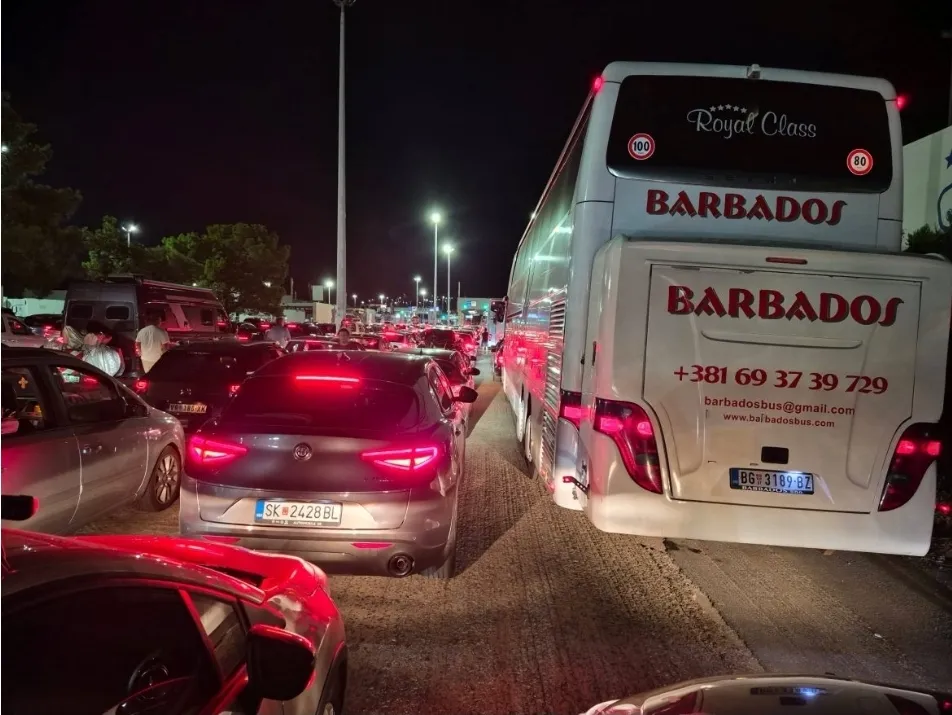
Travellers report three and a half to four hours of queuing on the way in from Greece. The state has...
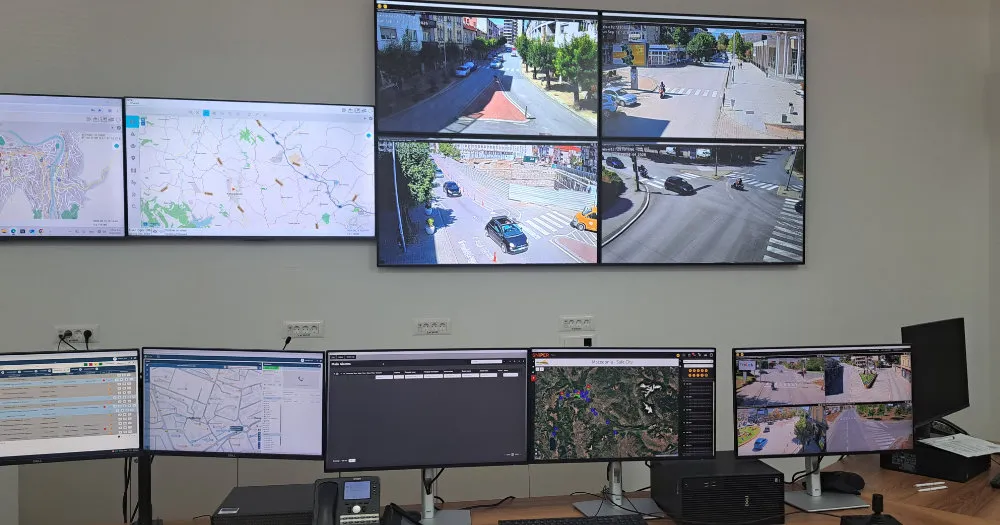
Toshkovski showcased the fines, but the real figure is elsewhere - 96 road deaths last year, 61 this year in...
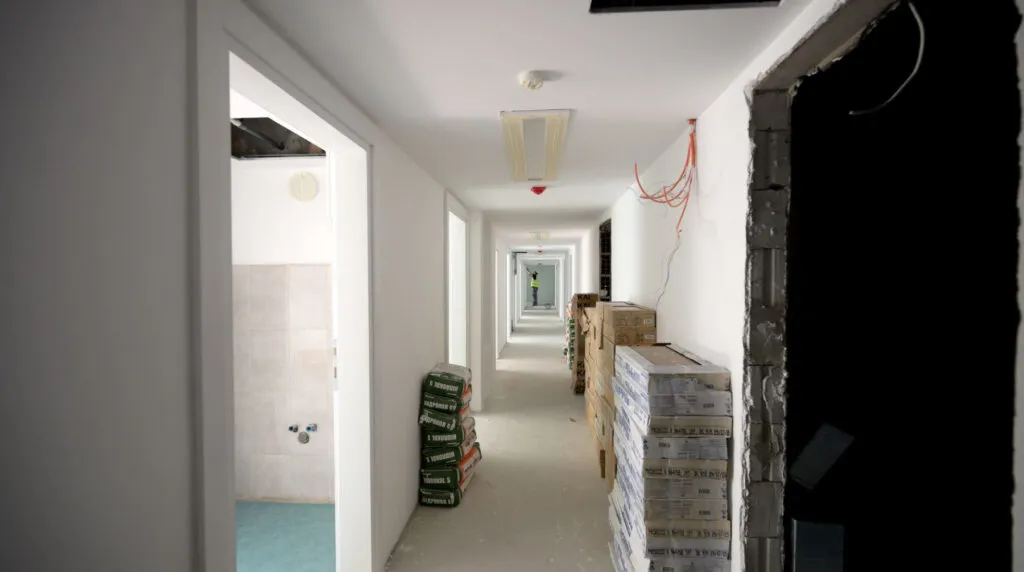
The state paid 120,000 euros purely because the money sat unspent in an account. A dormitory in central Skopje was...
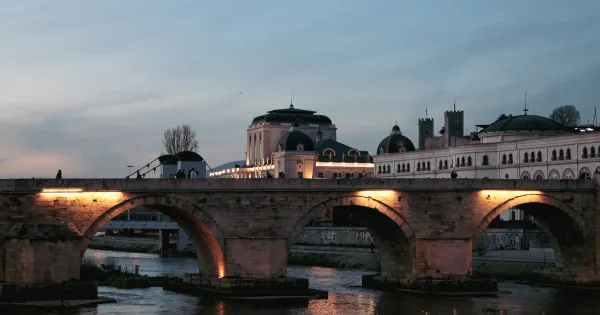
The shutoff starts at nine in the morning, on a working day. The announcement says when it begins but not...
This site uses cookies - is that okay? Learn more
Be the first to know when Metla launches something new
Leave your email and we will write when there is a new guide or something new on Metla.
