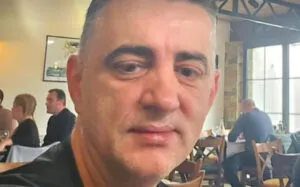
Ljupcho Has Been Missing Ten Days, and the Family Warned Beforehand: They Got the Referral, the Hospital Said It Was Being Renovated
16.08.2026


16.08.2026
16.08.2026
16.08.2026

16.08.2026
16.08.2026
16.08.2026
16.08.2026
15.08.2026
14.08.2026

16.08.2026

16.08.2026

15.08.2026

16.08.2026

16.08.2026

16.08.2026

16.08.2026
15.08.2026

14.08.2026

16.08.2026

16.08.2026

16.08.2026

16.08.2026

16.08.2026

15.08.2026

09.03.2026

27.02.2026

19.02.2026
15.08.2026
14.08.2026
13.08.2026

23.04.2026

23.04.2026

12.04.2026
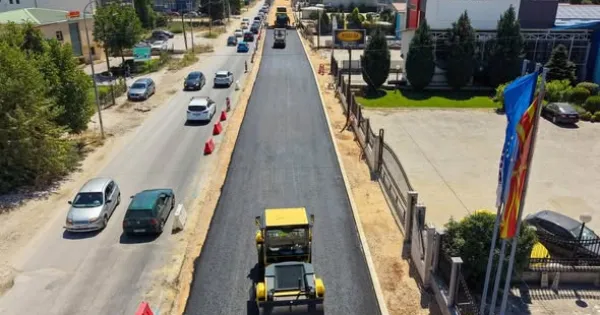
"This is the end of a thirty-year wait," said Skopje mayor Orce Gjorgjievski, announcing that the first layer of asphalt is being laid on Boris Trajkovski Boulevard.
The work is real and it counts. Expropriation is resolved, the route cleared, the asphalt is going down, and in parallel a new stormwater drainage system has been built. That last part is the least photographed and the most consequential - underground infrastructure is the difference between a cosmetic intervention and a lasting fix.
The problem is the figure 30.
What the City of Skopje's own archive says
The official City of Skopje archive shows that asphalting was already being carried out in 2017 on the stretch from the former glassworks toward Pintija. In 2022 the City again reported a continuation of construction - that time covering stormwater and foul sewerage and part of the water supply network.
So this is not three decades in which nothing was touched on the boulevard. It is three decades in which the project moved through phases, continuations and unfinished sections - each administration with its own ribbon to cut.
The phrase "30 years of waiting" is a political verdict on how long the corridor went unfinished, not a literal data point. And that is worth saying, because when every new mayor inherits the same boulevard as "a 30-year wait", nobody ever answers for what they did in their own four.
Why it is still big news
Gjorgjievski says more than 100,000 citizens gravitate toward this part of the city every day. That figure reads best as a description of the scale of the problem - the boulevard does not serve one neighbourhood, it is part of the daily connection for Kisela Voda, Pintija, Drachevo, Usje and the entire southern entrance to the city.
For those people, infrastructure is not a line in a programme, a press conference or a photo from a building site. It is time spent in a queue of traffic, being late for work, and a bus forcing its way through congestion. And it is an urban bottleneck that has managed to outlive several administrations.
What comes next, and what the real test is
Once this side of the boulevard is finished, traffic will be rerouted, and then reconstruction of the other part of the route begins. So the first layer of asphalt on one side is not the end of the story - it is half of it, and half of one phase at that.
The City of Skopje announced that "what was for years only a promise is today turning into a concrete result". Gjorgjievski frames it as "We promised and we delivered".
The measure for a citizen is nevertheless simpler than all those formulations: is the whole corridor finished, is it safe, was the infrastructure beneath it done properly, and have the queues actually got shorter.
The most honest criterion for success is the moment people stop talking about Boris Trajkovski as a problem. When infrastructure works, it stops being news - and that is the point at which no administration will need an announcement about asphalt any more.
The latest 10 news from this category
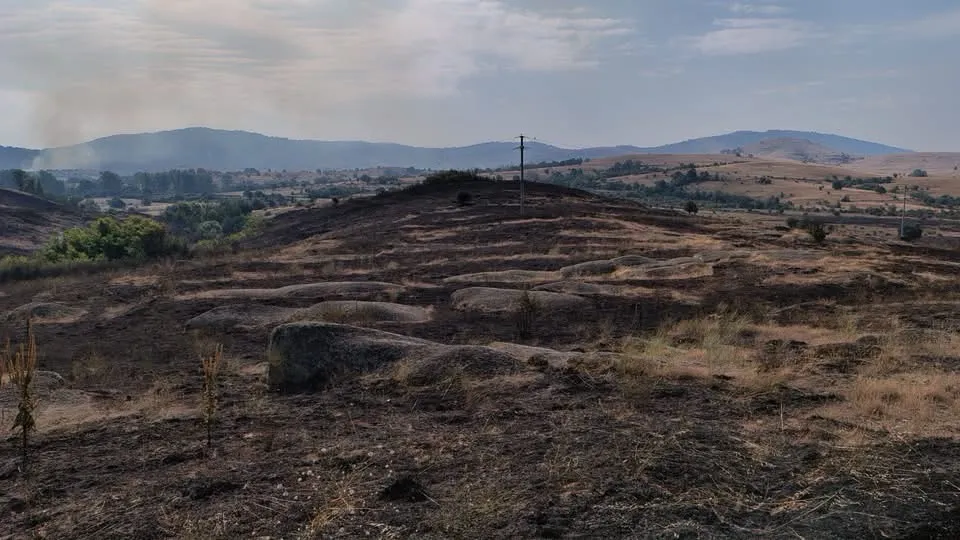
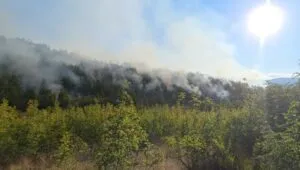
Makovo, Graeshnica, Kukurechani, Gneotino, Ivanjevci, Novoselani, Loznani. Firefighters worked 33 hours straight, and in Makovo the smoke is over ground...
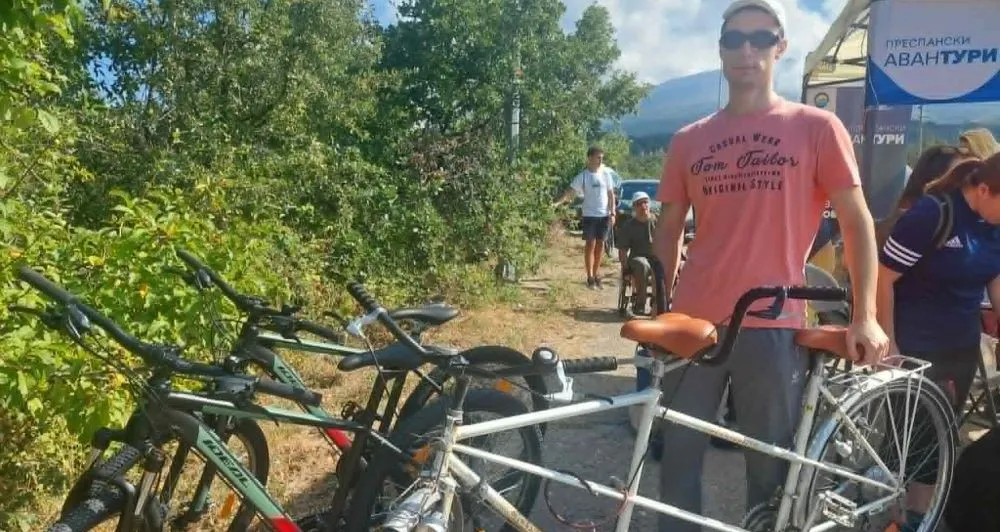
Five or six people in Skopje ride tandem bikes brought in from abroad, and spare parts are hunted down the...
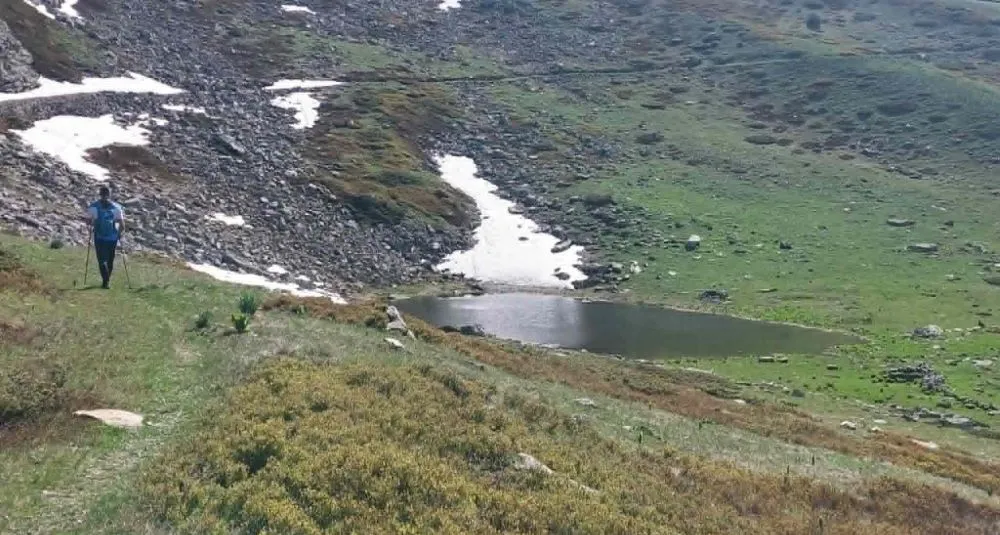
Rangers and police located them at 2,000 metres, inside the strict protection zone. The park director says: there are no...
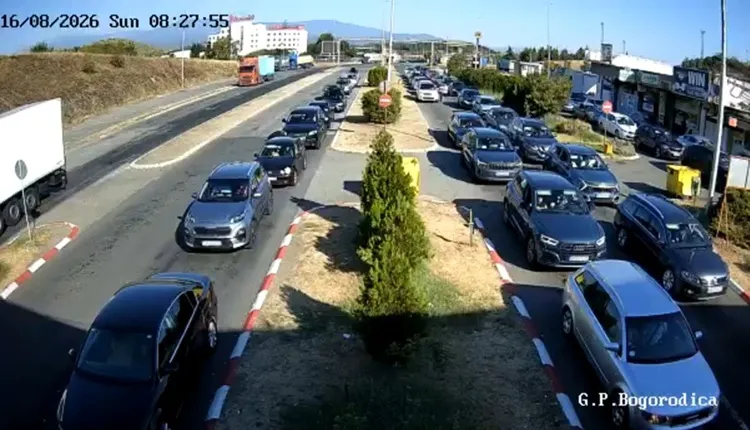
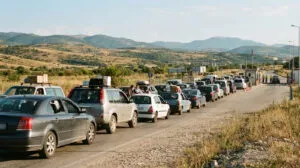
Of all the border crossings in the country, exactly one produces an hour-long wait - the exit toward Greece. The...

The Skopje public health institute says the water does not meet the standards, the Veles centre says it does. The...
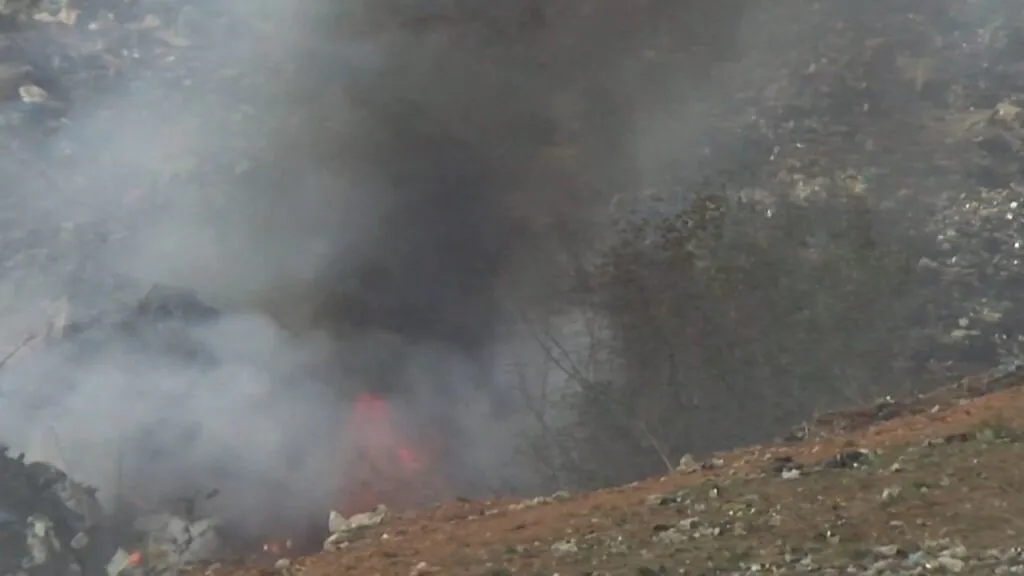
One dump is giving off a smell and has a history of fires, the other is already burning. For Arachinovo...
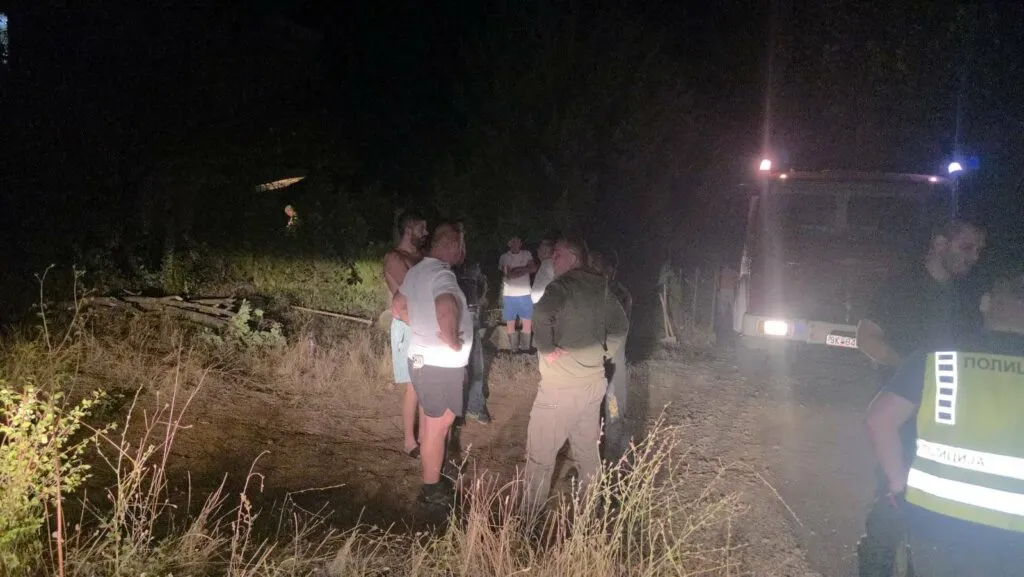
A woman in a panic called the head of the rescue directorate. The mayor did not wait for a driver...
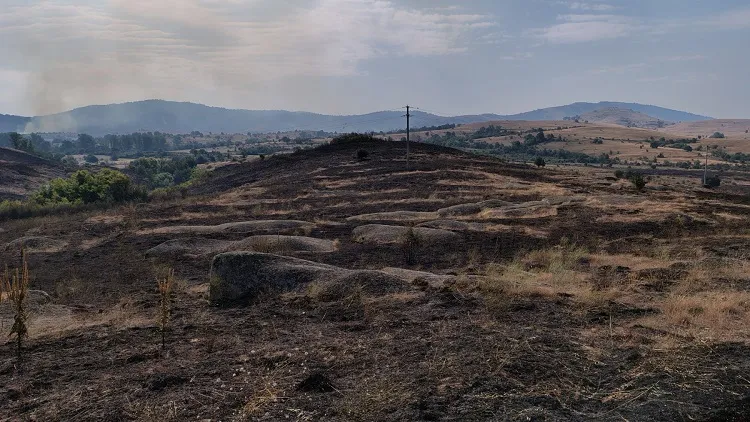
Makovo, Graešnica, Ivanjevci, Lozani - and the same finding at every location. It was not the drought, it was somebody's...
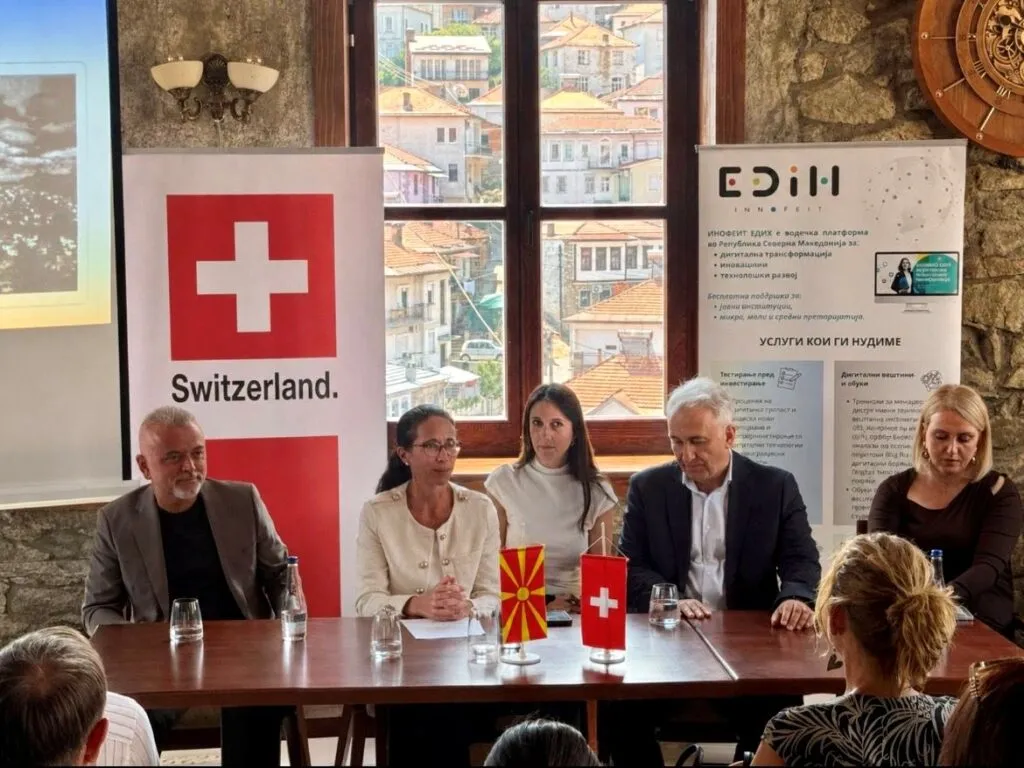
Certification as a green destination, a digital platform, a waste press. It works, and that is the point - if...
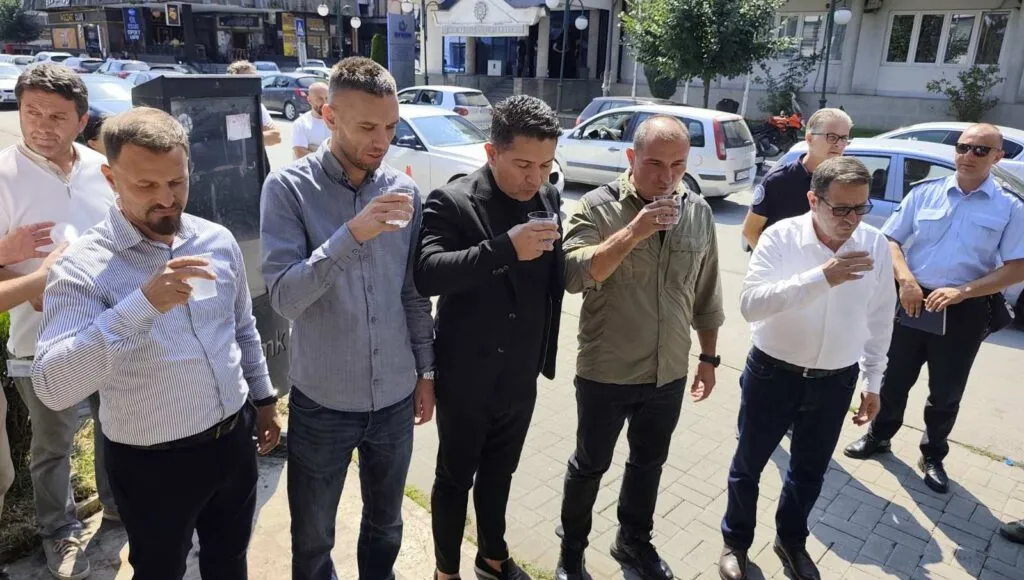
Twenty-two days of faecal contamination, over 5,000 people ill, three arrests. The end of the crisis was announced with a...
This site uses cookies - is that okay? Learn more
Be the first to know when Metla launches something new
Leave your email and we will write when there is a new guide or something new on Metla.