Ljupcho Has Been Missing Ten Days, and the Family Warned Beforehand: They Got the Referral, the Hospital Said It Was Being Renovated
16.08.2026


16.08.2026
16.08.2026
16.08.2026
16.08.2026
16.08.2026

16.08.2026
16.08.2026
15.08.2026
14.08.2026
16.08.2026

16.08.2026

15.08.2026

16.08.2026

16.08.2026

16.08.2026

16.08.2026
15.08.2026

14.08.2026

16.08.2026

16.08.2026

16.08.2026
16.08.2026

16.08.2026

15.08.2026

09.03.2026

27.02.2026

19.02.2026
15.08.2026
14.08.2026
13.08.2026

23.04.2026

23.04.2026

12.04.2026

Demir Kapija is not drinking tap water. Nor cooking with it. The ban is total and applies until further notice.
And the reason for the ban is not that the water is contaminated. The reason is that two state institutions tested the same water and got opposite results.
The sample taken on Monday, analysed by the Institute of Public Health in Skopje, showed the water did not meet the conditions set out in the Drinking Water Regulation. The sample taken on Tuesday from the same measuring point, analysed by the Centre for Public Health in Veles, showed the water did meet them.
One measuring point, two accredited laboratories - and conclusions that cancel each other out. These are not two different taps at opposite ends of town; the samples were taken from the same spot, one day apart.
The ban is the right decision. That is not in dispute
The public utility Boshava did what it should - it imposed a ban until the picture is clear. When you are not sure whether water is safe, you ban it and you wait. A super-analysis to establish the real situation is scheduled for Monday.
Which means a whole town will be buying bottled water for a week, waiting for a third laboratory to tell them what the first two said.
What the director says
The acting director of Boshava, Petar Jovanov, urged that the case not be used for day-to-day political points and that no additional fear be created among citizens.
"Situations like this are not something happening for the first time, and the most important thing is to act responsibly and in line with professionally established procedures," he said.
As for the causes - Jovanov says they cannot be determined in advance: "There are several possible factors, including the possibility of contamination during the sampling itself, the transport or the processing of the sample, but at the same time the possibility that the problem originates in the water supply system itself cannot be ruled out."
That is a correct, professional answer. And that is exactly why it is worrying.
Neither possible explanation is harmless
Read what that sentence actually means. Either the water system has a problem - or the way samples are taken, transported and processed has a problem.
If it is the second, then the question does not concern Demir Kapija alone. Every town in the country relies on the same type of periodic analyses, taken by the same type of crews, transported under the same protocol. The sample that "may have been contaminated during collection" in Demir Kapija is the same procedure that every month confirms the water somewhere else is fine.
Jovanov also points to a difference in type: Monday's analysis, carried out by the Skopje institute, is one of those done periodically, while the second, from the Veles centre, is part of routine sampling in line with the plan and the protocols set according to population size.
So we have two control systems that do not produce the same result for the same water. That is not a political question - it is a technical one, and the answer is needed by the whole country, not just one town.
Demir Kapija will get its result on Monday. The question left open is whether anyone will compare the two protocols - or whether we will wait for the next town where the numbers do not match.
The latest 10 news from this category
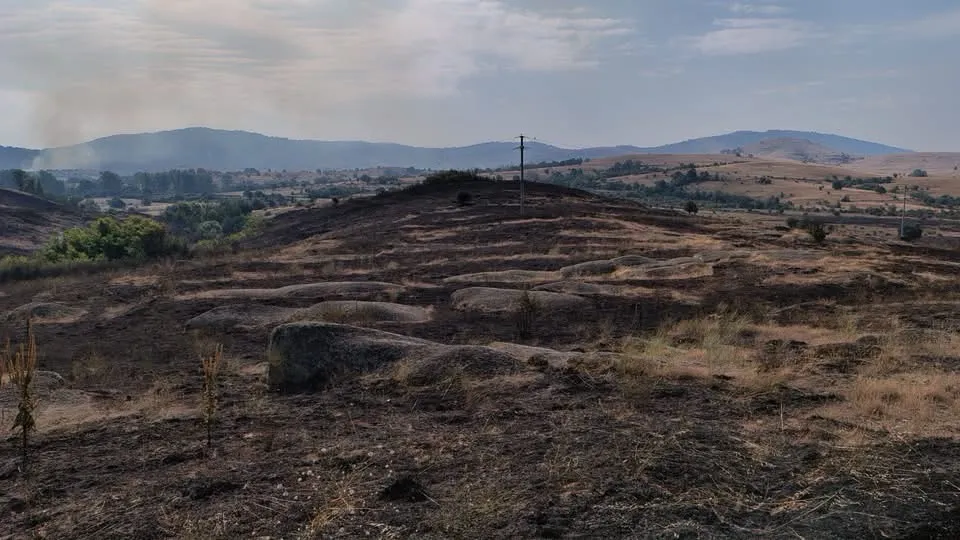
Makovo, Graeshnica, Kukurechani, Gneotino, Ivanjevci, Novoselani, Loznani. Firefighters worked 33 hours straight, and in Makovo the smoke is over ground...
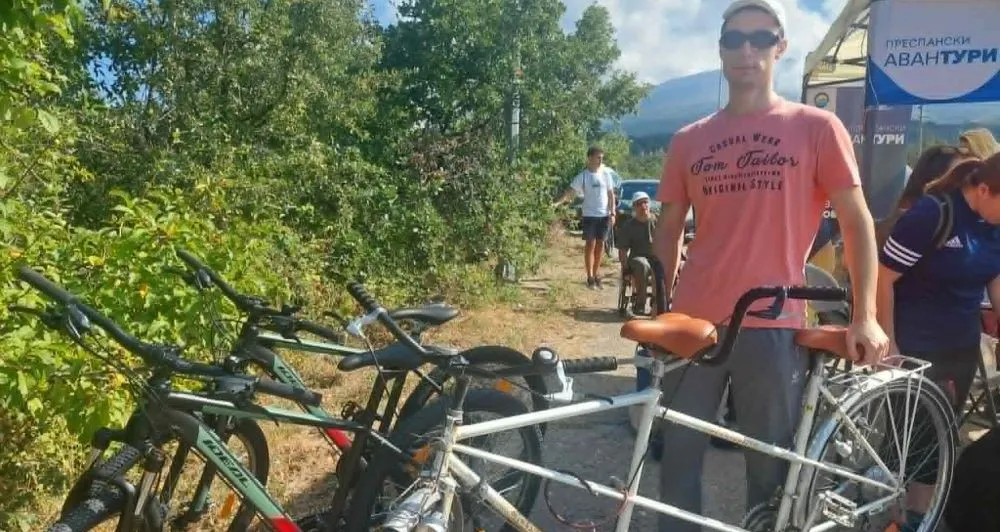
Five or six people in Skopje ride tandem bikes brought in from abroad, and spare parts are hunted down the...
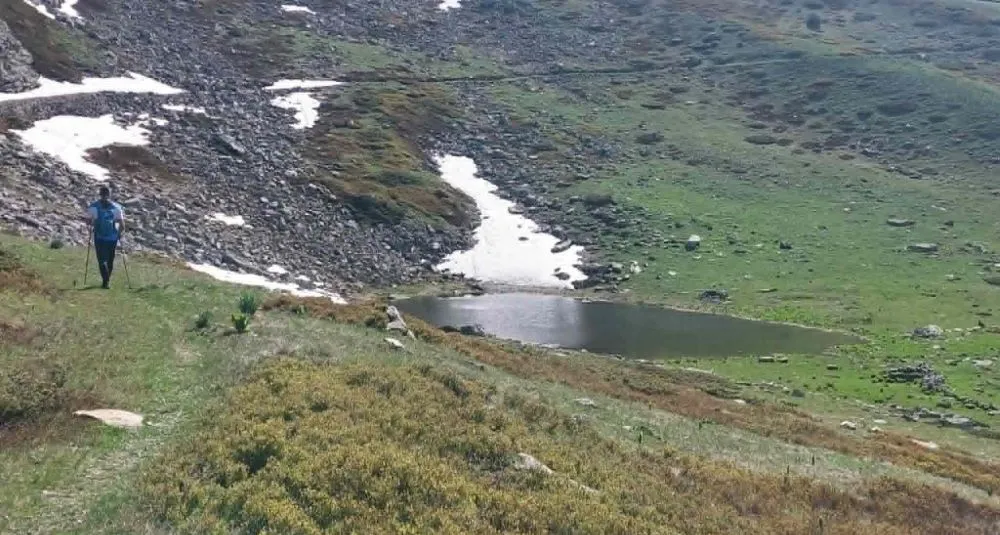
Rangers and police located them at 2,000 metres, inside the strict protection zone. The park director says: there are no...
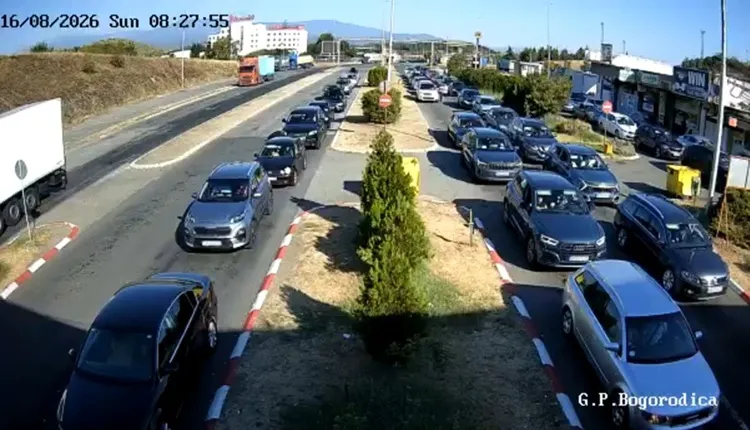
Of all the border crossings in the country, exactly one produces an hour-long wait - the exit toward Greece. The...
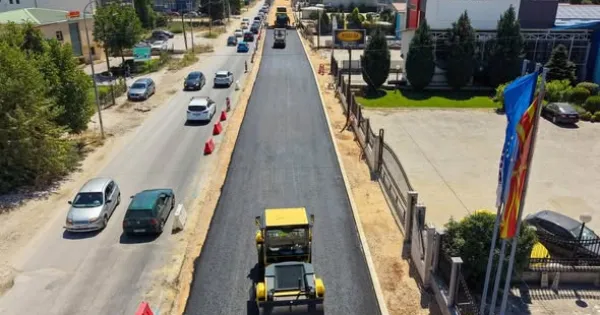
The work is real, the sewerage is new, the corridor carries over 100,000 people a day. But the figure 30...
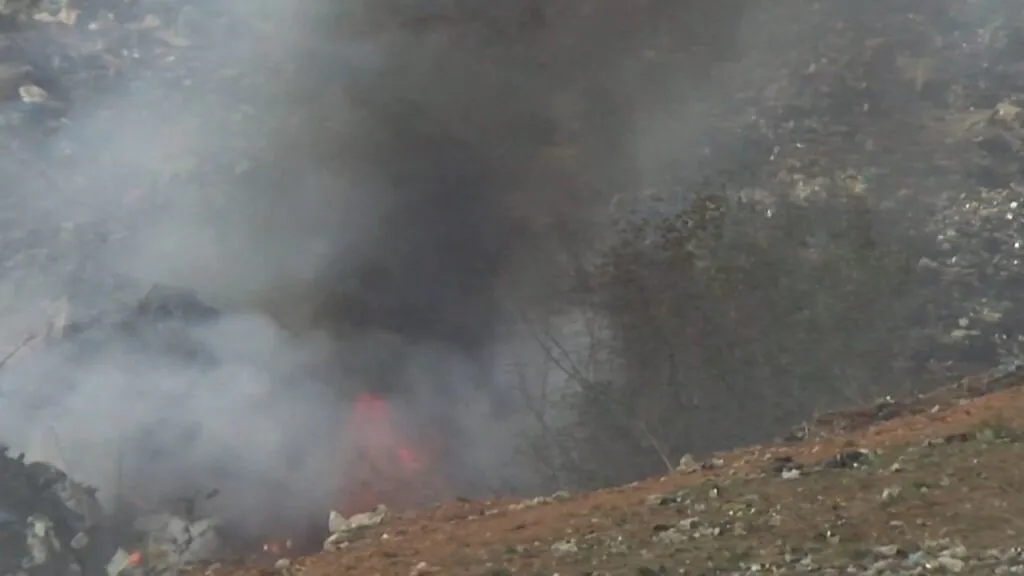
One dump is giving off a smell and has a history of fires, the other is already burning. For Arachinovo...
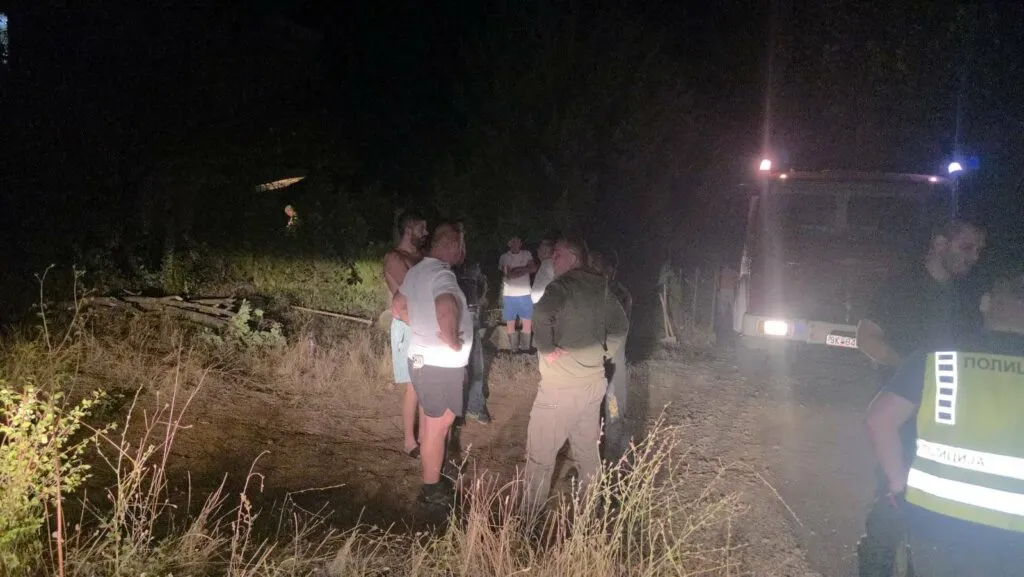
A woman in a panic called the head of the rescue directorate. The mayor did not wait for a driver...
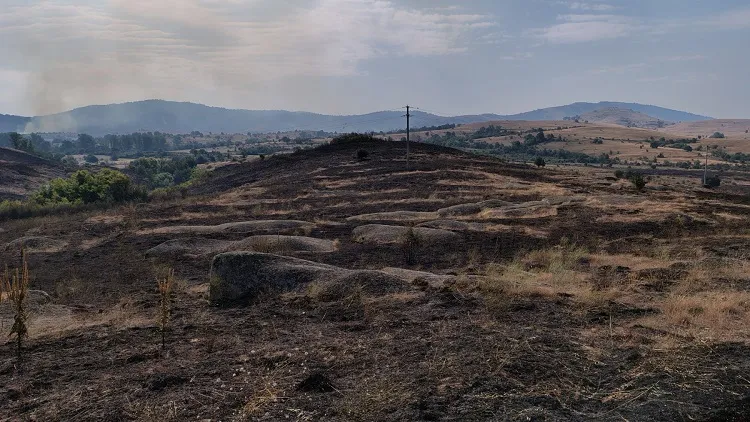
Makovo, Graešnica, Ivanjevci, Lozani - and the same finding at every location. It was not the drought, it was somebody's...
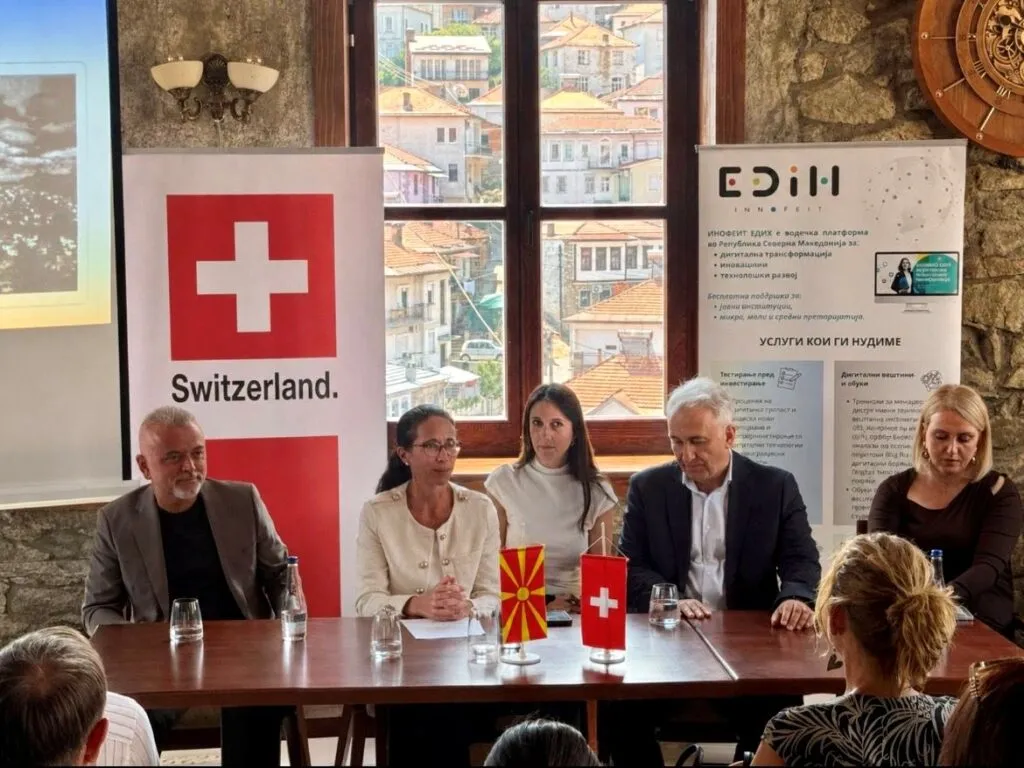
Certification as a green destination, a digital platform, a waste press. It works, and that is the point - if...
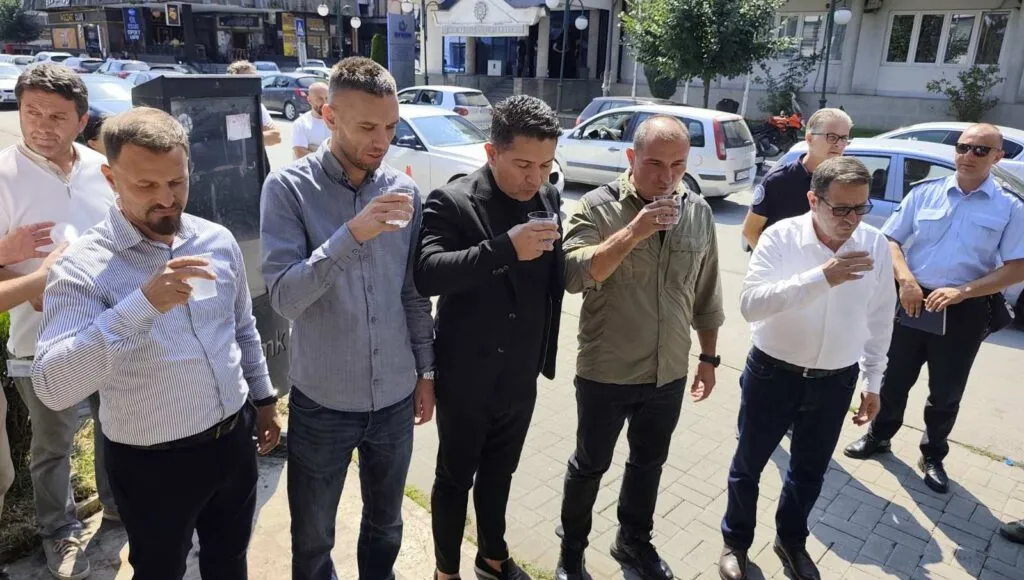
Twenty-two days of faecal contamination, over 5,000 people ill, three arrests. The end of the crisis was announced with a...
This site uses cookies - is that okay? Learn more
Be the first to know when Metla launches something new
Leave your email and we will write when there is a new guide or something new on Metla.