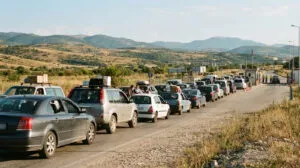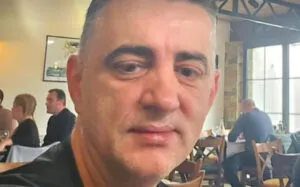
Ljupcho Has Been Missing Ten Days, and the Family Warned Beforehand: They Got the Referral, the Hospital Said It Was Being Renovated
16.08.2026


16.08.2026
16.08.2026
16.08.2026

16.08.2026
16.08.2026
16.08.2026
16.08.2026
15.08.2026
14.08.2026
16.08.2026

16.08.2026

15.08.2026

16.08.2026

16.08.2026
16.08.2026

16.08.2026
15.08.2026

14.08.2026

16.08.2026

16.08.2026

16.08.2026
16.08.2026

16.08.2026

15.08.2026

09.03.2026

27.02.2026

19.02.2026
15.08.2026
14.08.2026

13.08.2026

23.04.2026

23.04.2026

12.04.2026
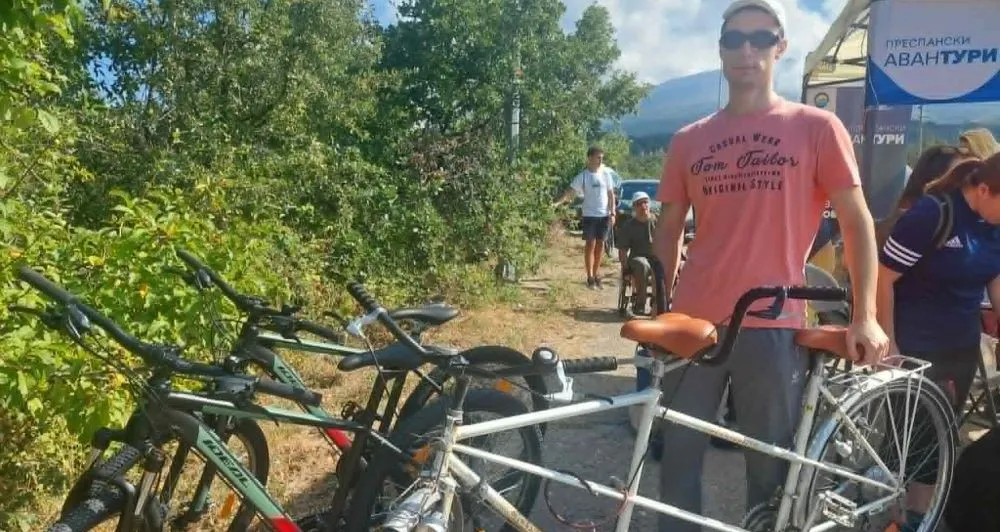
Kristijan Lazarev's tandem bike is 26 years old. Not 26 months - 26 years. And that is the shortest way to explain the state adaptive sport is in in this country.
Lazarev, a young man from Skopje, lost his sight around the age of fifteen. "I grew up on a bike," he says. He did not ride between fifteen and about twenty, and then he found out tandem bikes existed. He got one, and has been riding it ever since - mostly with his sister.
"The riding is the same as on a standard bike, you just have to sync with your partner, you set off and stop at the same time. It reaches over 30 kilometres an hour without a problem," he explains.
Over 30 kilometres an hour, on a bike a quarter of a century old, ridden by a man who cannot see. That is the story. The rest is on the system.
There is nowhere to buy one
Tandem bikes are not sold in Macedonia. They are not imported, not orderable through a shop, not part of any assistive equipment programme. Whoever wants one figures it out alone.
"There are a few tandem bikes in Skopje, bought wherever anyone managed. They usually bring them from abroad. There are 5-6 enthusiasts riding them. Maintenance is a problem too, because parts are hard to find," Lazarev says.
Five or six people in the capital. With equipment carried in from abroad. With parts hunted down like for some museum car. That is the entire "scene" for a sport that has clubs and leagues in neighbouring countries.
What happened in Prespa
This weekend, by Lake Prespa, the country's first inclusive cycling tour took place. From Pretor to Slivnica and back, people with and without physical disabilities, on adaptive and standard bikes. Participation was free, and at the finish participants could try out five different types of adaptive equipment.
The event was organised by the Equality association in partnership with Future of Tradition from Resen, within the "Magic of Prespa" project under the #EUforPrespa programme, supported by the EU Delegation and implemented by UNDP.
Aleksandar Stojanovski from Future of Tradition explained why it matters: "I have limited mobility, so an adaptive bike lets me steer it with my hands".
Skopje has the paths. The rest of the country does not
Here comes the part the organisers said out loud, and it is worth reading twice.
"In Skopje there are more paths for adaptive cycling, but in local and tourist areas, unfortunately, the infrastructure is not developed enough," said Gere Tripkov from Equality.
So: a person with a disability in Skopje can ride. That same person in Resen, Pretor or Brajchino depends on whether some association organises an event. State infrastructure for accessible tourism, in a country that sells its lakes as the main tourist offer, comes down to that.
From September, rentals
There is also a concrete outcome, which is not always the case with projects like this. From September, people with disabilities in Prespa will be able to rent adaptive bikes - each with a battery and a drive that assists while riding. Prices: 1,500 denars for the smaller ones, 2,000 to 2,500 denars for bikes with heavier equipment.
Over the coming months UNDP will map out a dirt cycling trail of more than 100 kilometres along Lake Prespa, connecting Konjsko with Dolno Dupeni, including a section designed for adaptive cycling.
If that gets built, Prespa will be the first place in the country where accessibility does not depend on whether someone hauls a bike in from abroad. Until then, the fastest adaptive bike in Macedonia remains one 26-year-old tandem, with a partner who knows when to set off and when to stop.
The latest 10 news from this category
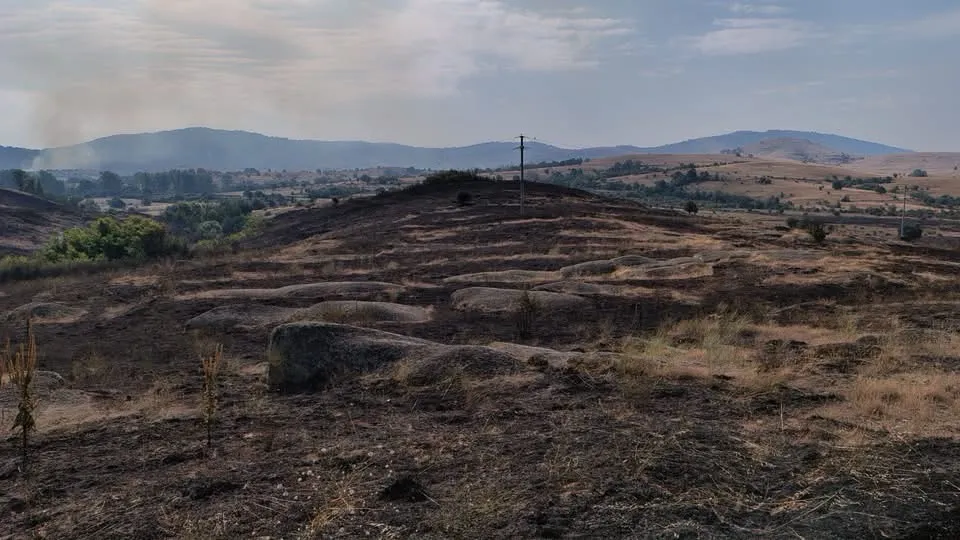
Makovo, Graeshnica, Kukurechani, Gneotino, Ivanjevci, Novoselani, Loznani. Firefighters worked 33 hours straight, and in Makovo the smoke is over ground...
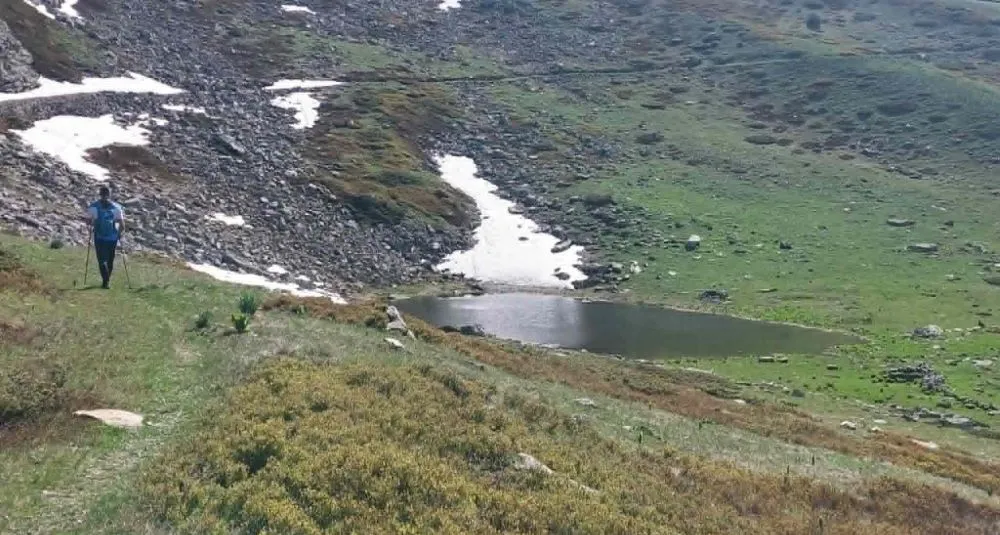
Rangers and police located them at 2,000 metres, inside the strict protection zone. The park director says: there are no...
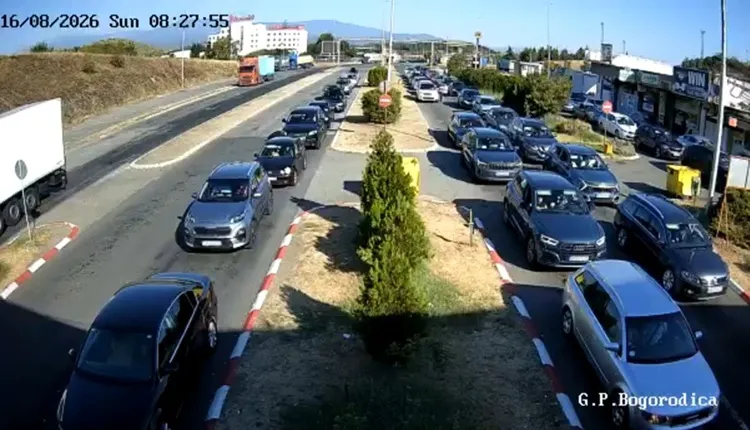
Of all the border crossings in the country, exactly one produces an hour-long wait - the exit toward Greece. The...

The Skopje public health institute says the water does not meet the standards, the Veles centre says it does. The...
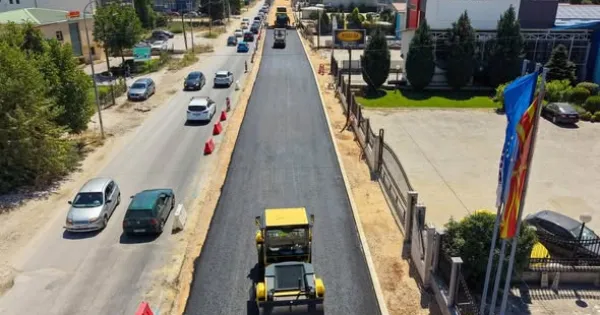
The work is real, the sewerage is new, the corridor carries over 100,000 people a day. But the figure 30...
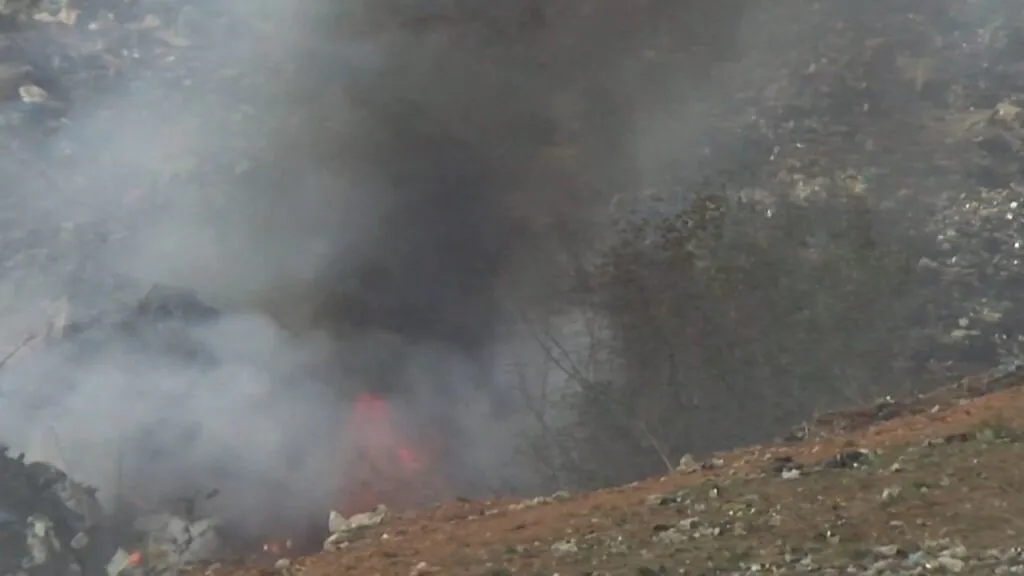
One dump is giving off a smell and has a history of fires, the other is already burning. For Arachinovo...
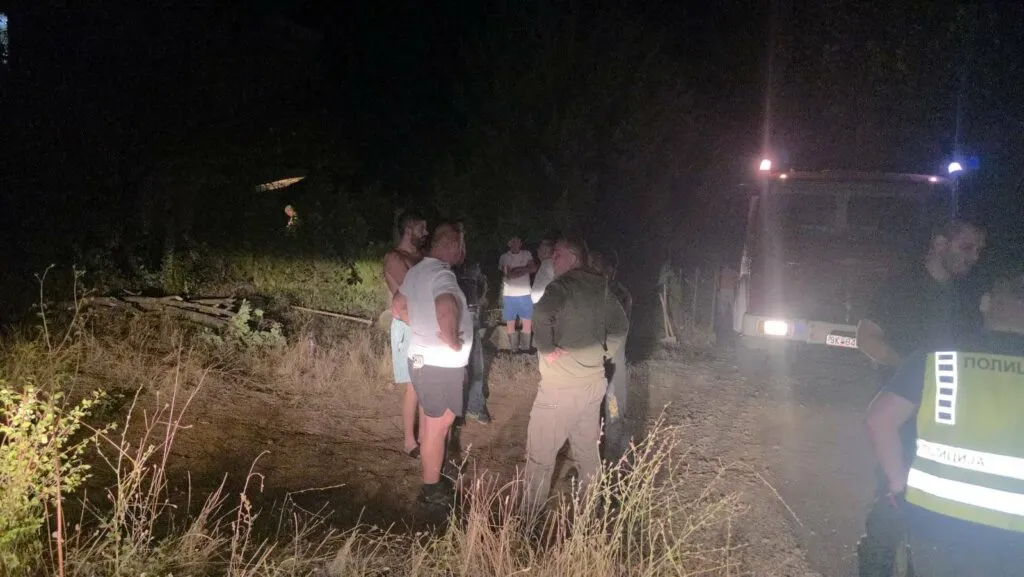
A woman in a panic called the head of the rescue directorate. The mayor did not wait for a driver...
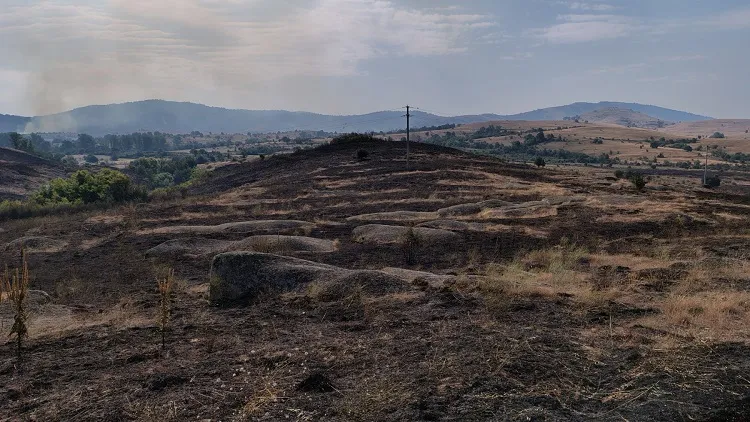
Makovo, Graešnica, Ivanjevci, Lozani - and the same finding at every location. It was not the drought, it was somebody's...
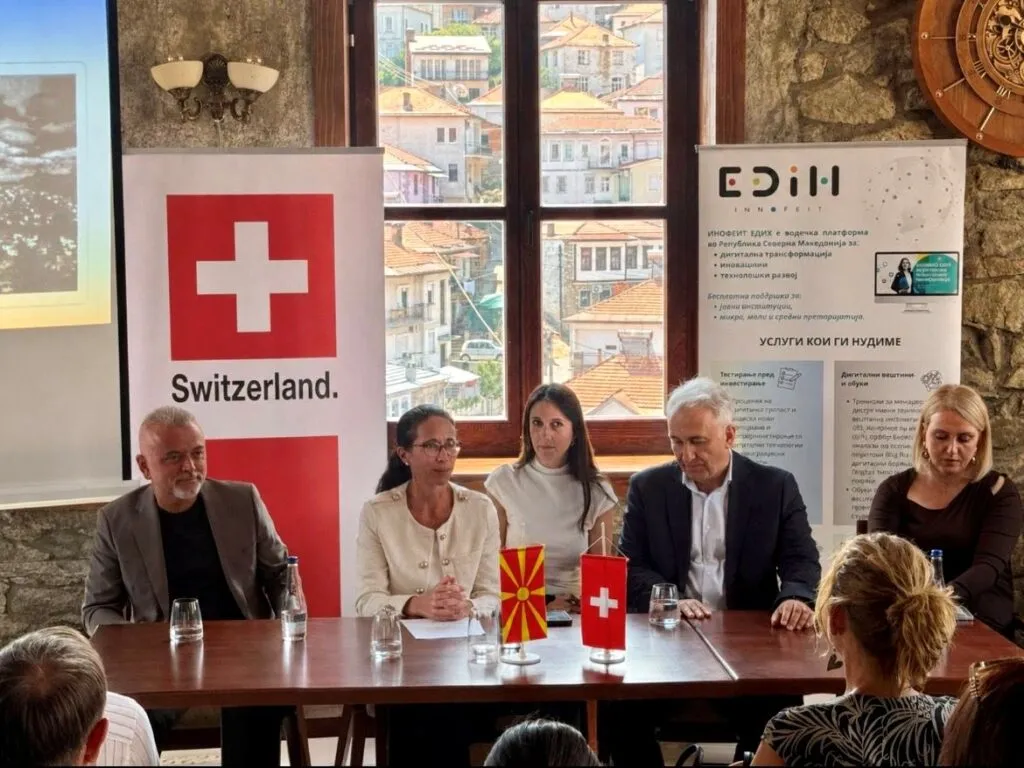
Certification as a green destination, a digital platform, a waste press. It works, and that is the point - if...
Twenty-two days of faecal contamination, over 5,000 people ill, three arrests. The end of the crisis was announced with a...
This site uses cookies - is that okay? Learn more
Be the first to know when Metla launches something new
Leave your email and we will write when there is a new guide or something new on Metla.