

The "Lottery" Trial: 231 Pieces of Evidence, and So Far Not a Single Message Between Grubi and Bajrami
24.09.2026


24.09.2026
24.09.2026

24.09.2026

24.09.2026
24.09.2026
24.09.2026

24.09.2026

23.09.2026

22.09.2026

24.09.2026

24.09.2026

23.09.2026

24.09.2026

24.09.2026

24.09.2026

24.09.2026

23.09.2026

22.09.2026

24.09.2026

24.09.2026

24.09.2026

24.09.2026

23.09.2026

23.09.2026

09.03.2026

27.02.2026

19.02.2026
24.09.2026

23.09.2026
22.09.2026

23.04.2026

23.04.2026

12.04.2026


Cancer patients stood in front of the Health Ministry yesterday. They weren't asking for privileges - that was their message too. They were asking for therapy to arrive on time and not be interrupted. In a country with functioning procurement, that's a demand that should never have to reach the street.
The drugs most frequently missing were fulvestrant and Zoladex, therapies for breast cancer patients. This time some of the cytostatics from the positive list were missing too. The "Hema-Onko" association says the problem has now been resolved - part of the therapy has arrived, the rest is expected within two days.
But here comes the sentence that explains everything. The tender was completed in May. The interruptions ran all summer. So the procurement formally existed while patients waited. Between a signed tender and a drug in a patient's hand sits an entire administration that spent the summer on a break.
The one scanner
In parallel, the country's only public PET/CT scanner is out of order again. Patients wait two to three months for a scan that is essential to see whether the therapy is working at all. Those who can, pay around 1,300 euros privately or travel abroad. Those who can't - wait.
Macedonia's entire public health network depends on one machine. Average capacity is around 180 scans a month, a maximum of 13 patients a day. Annual maintenance costs around 1.2 million euros. When that one machine stops, diagnostics stop for the whole country.
The University Institute for Positron Emission Tomography provided no information on the cause of the fault, on the service provider, or on a deadline for getting it working again. The clinic maintains that continuity of treatment was not disrupted. Patient testimony describes delays of a month at a time.
Those two statements cannot both be true
Either the therapy wasn't late, or the patients aren't lying. An institution insisting everything was fine while the people who use that institution say the opposite isn't solving a problem - it's closing it.
"Hema-Onko" points to another layer: inadequate prevention and weak screening programmes. Without early detection the number of patients grows, and with it the cost of treatment. That's a bill that gets bigger every year, and gets postponed every year.
The patients announced that if the problem recurs without transparency about accountability, they will be back out. The question for the institutions isn't how to prevent the protest. The question is why someone undergoing therapy has to organise a protest to get a drug that has already been paid for.
The latest 10 news from this category

The square metres and parking spaces were announced down to the last one. How many people will be hired and...

The mayors offered a "favourable business climate" and raw materials. The only concrete thing to come out of the meetings...
Home-address checks are being announced with the police as a partner, while the health minister admits that monitoring where sick...
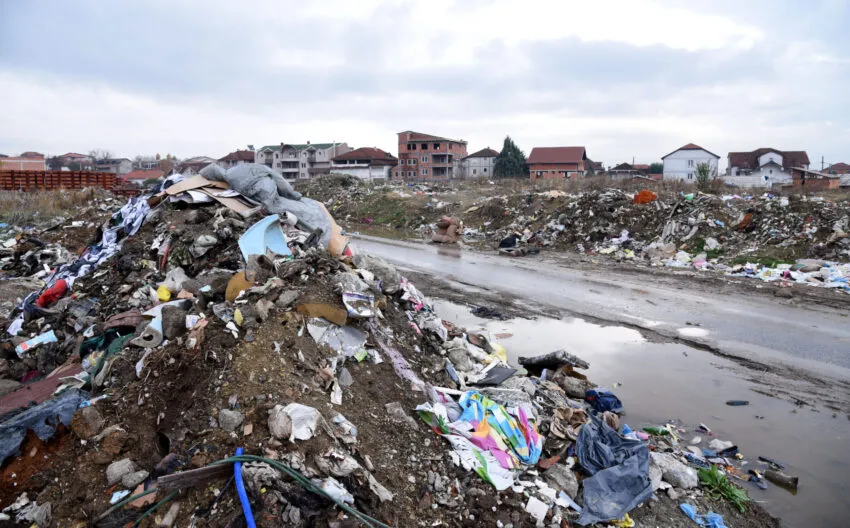
The city has announced round-the-clock video surveillance against illegal dumps and vandals, and the cameras haven't even been bought yet....
Residents want the trucks serviced; the company wants better packaging. Meanwhile, 650 cubic metres of illegal dumps were cleared in...
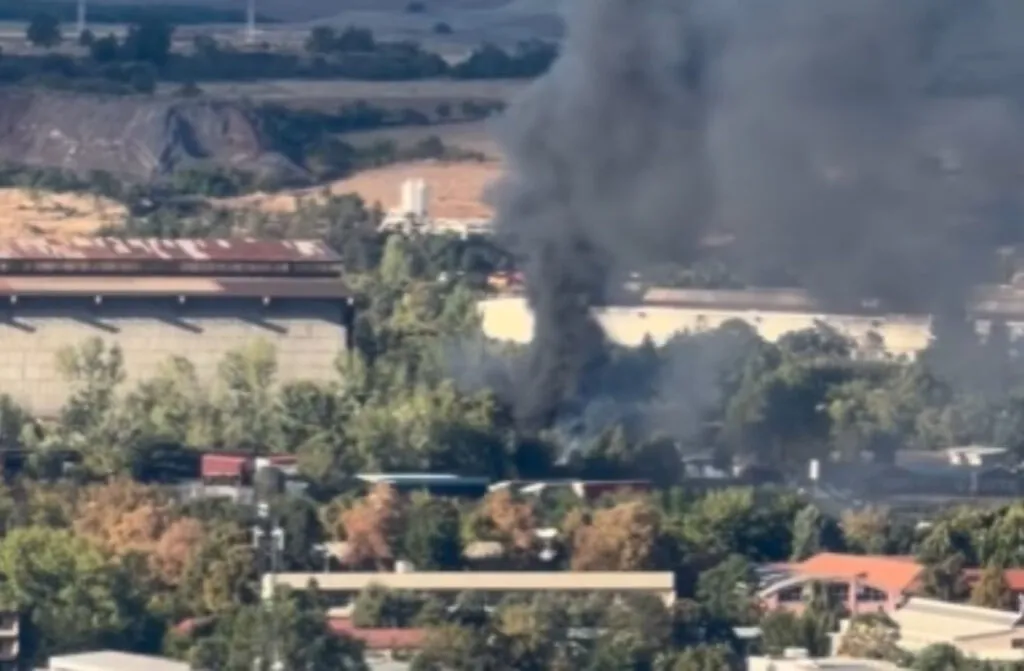
According to the Crisis Management Center, a paint and varnish warehouse was on fire. That explains why the smoke was...
The union says staff have endured insults and threats from the court president for years. She says this is really...
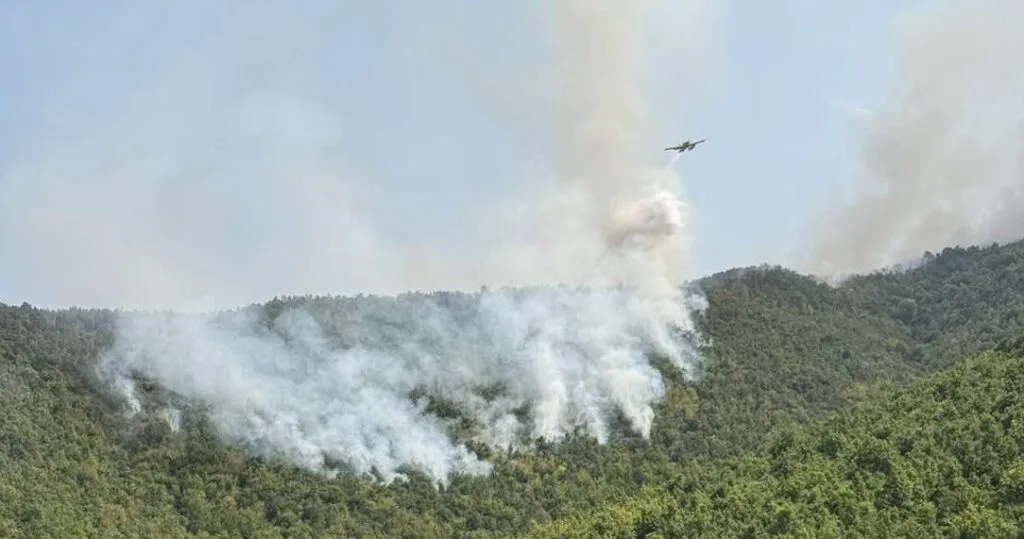
The state audit found a system that responds well and plans badly. The reforms were demanded by the EU screening...
To fine a bar that is too loud, a citizen has to file a complaint at the municipal Registry. The...
In Montenegro the same offence costs up to 2,000 euros. But the fine is not the only problem: Skopje's municipal...
This site uses cookies - is that okay? Learn more
Be the first to know when Metla launches something new
Leave your email and we will write when there is a new guide or something new on Metla.
