


Kratovo man stabs police officer mid-intervention: prosecutors want the 40-year-old detained
15.09.2026


15.09.2026

15.09.2026

15.09.2026

15.09.2026

15.09.2026

15.09.2026

15.09.2026

14.09.2026

13.09.2026

15.09.2026

15.09.2026

14.09.2026

15.09.2026

15.09.2026

15.09.2026

15.09.2026

14.09.2026

13.09.2026

15.09.2026

15.09.2026

15.09.2026

15.09.2026

15.09.2026

14.09.2026

09.03.2026

27.02.2026

19.02.2026

15.09.2026

14.09.2026

14.09.2026

23.04.2026

23.04.2026

12.04.2026


On Saturday somebody on Reddit typed one line into Google - site:claude.ai/share - and up came a list of conversations people believed they were sharing only with a colleague or a friend. Medical reports on real patients. Clinical trial results with names attached. Names and phone numbers of primary school children. Internal documents marked internal. Employee appraisals with personal data.
The feature that made this possible is ordinary and sits in almost every tool of this kind: you create a link to the conversation and „anyone with the link can view it”. That is the wording. The problem is that with Google Docs the same sentence does not mean the document will show up in search results - and here it did.
Anthropic's response is worth reading twice, because the weight of it was pushed back onto the user. The company explained that links appear in search results only if somebody posted them somewhere search engines look - a forum, a social network. A link sent privately, they say, stays out of it.
„We give people control over whether they publicly share their conversations and, consistent with our privacy principles, we do not share site directories or maps with search engines like Google,” said spokesperson Amy Rotherham. „When someone shares a conversation, they are making that content publicly available and, like any other public web content, it can be archived by third parties.”
Technically - correct. Practically - how many users clicking „share” understand that this means the public web? When one sentence in an interface can mean both „show it to a colleague” and „publish it on the internet”, and the difference is paid for by the person who sent a medical report, the problem is not with the reader of the instructions.
Google, of course, stands to one side. „Neither Google nor any other search engine controls which pages are published publicly on the web, and these pages were indexed across multiple search engines,” said spokesman Ned Adriance. Everyone holds their half of the fence, and the data went through the gap between them.
This is not the first time. Last year Forbes reported a similar case involving hundreds of indexed conversations - Google estimated it had indexed just under 600 before the pages disappeared. That same year a researcher managed to collect around 100,000 publicly shared ChatGPT conversations. So the pattern is familiar to both the companies and the journalists; it happened again anyway.
By Monday afternoon the same search no longer returned results, which suggests the hole has been closed. But a closed hole does not retrieve the data somebody has already seen or saved. If you have shared a conversation by link, it is worth checking: Settings, then Privacy, then Shared Chats. That is all the user can do - and that is precisely the point.
The latest 10 news from this category

A scientist at the same company puts the probability of human extinction above 10 percent within the next decade. The...

The president called in while the event was running, and the man who makes the chips answered that there would...
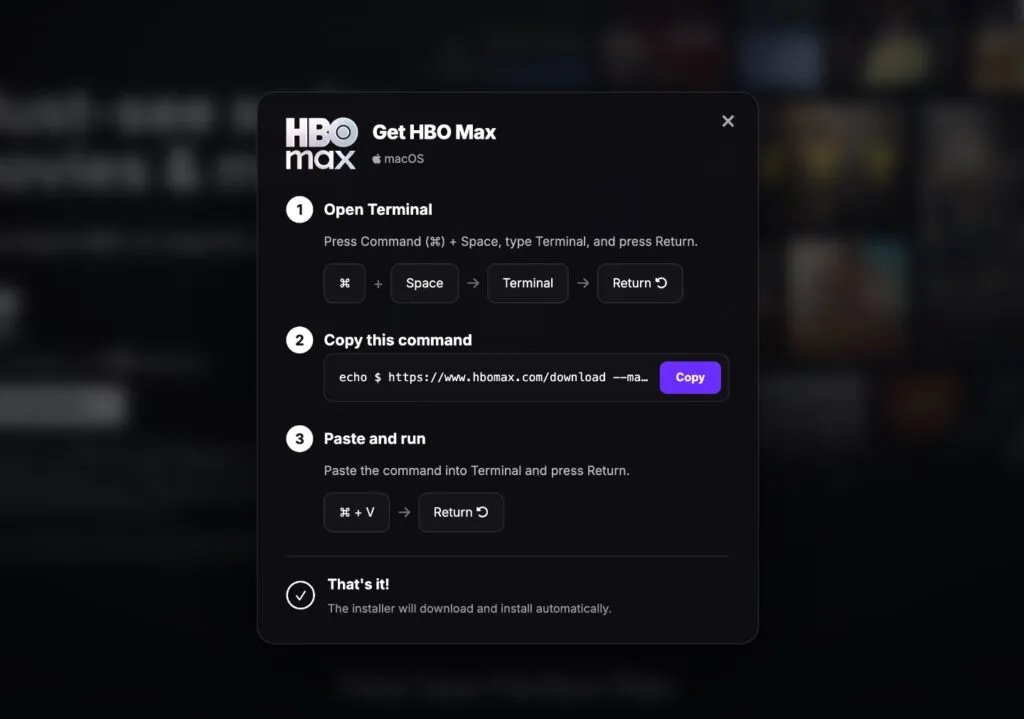
No virus attached, no suspicious file. Just a box that looks like the "I am not a robot" check and...

A researcher quit because the firms are gambling with our lives. Instead of denying it, Anthropic confirmed it - with...
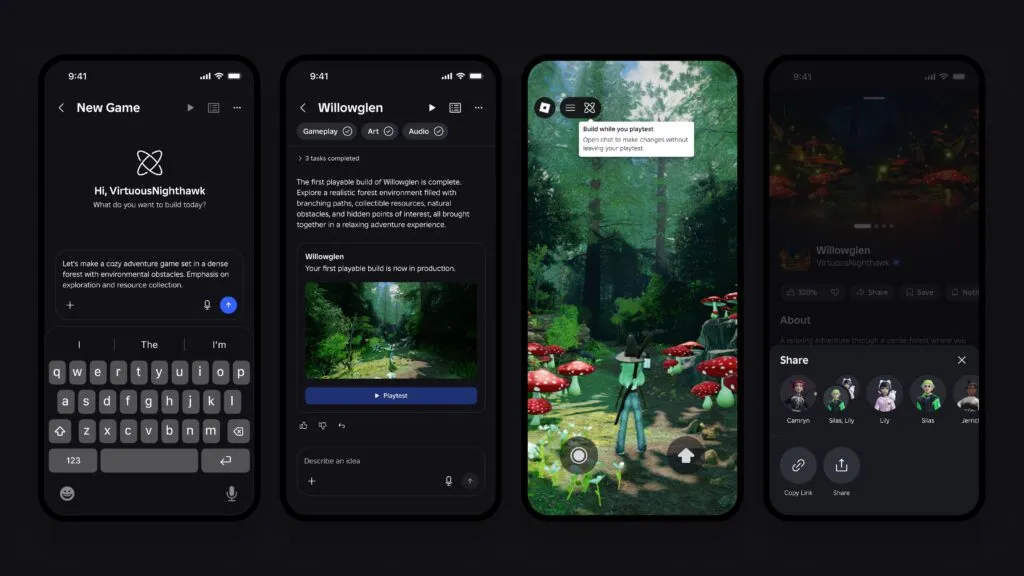
Write a sentence, get a game. Until now it worked only in New Zealand, now in Belgrade too. Creators on...

When the two biggest firms in an industry ask for rules on how fast anyone may run, the rules rarely...

Not a single password fell. What fell was the assumption that a request from a government domain is automatically a...

The biggest names in mathematics have signed a letter against the AI labs. The dispute is not whether the machine...

Five campaigns, 200 million exchanges, and the defences fell to a request for a Japanese translation. The industry that harvested...

The hackers were inside for a whole year. The company confirmed it only after a journalist found his own licence...
This site uses cookies - is that okay? Learn more
Be the first to know when Metla launches something new
Leave your email and we will write when there is a new guide or something new on Metla.
