
Six Years of Fake Licence Categories Issued From an Interior Ministry Desk: Six Charged, 21 More Under Investigation
21.09.2026


21.09.2026

21.09.2026
21.09.2026

21.09.2026

21.09.2026

21.09.2026

21.09.2026

20.09.2026
20.09.2026

21.09.2026

21.09.2026

20.09.2026
21.09.2026

21.09.2026
21.09.2026

21.09.2026

20.09.2026
19.09.2026

21.09.2026

21.09.2026
21.09.2026

21.09.2026
21.09.2026

21.09.2026

09.03.2026

27.02.2026

19.02.2026

21.09.2026

21.09.2026

20.09.2026

23.04.2026

23.04.2026

12.04.2026

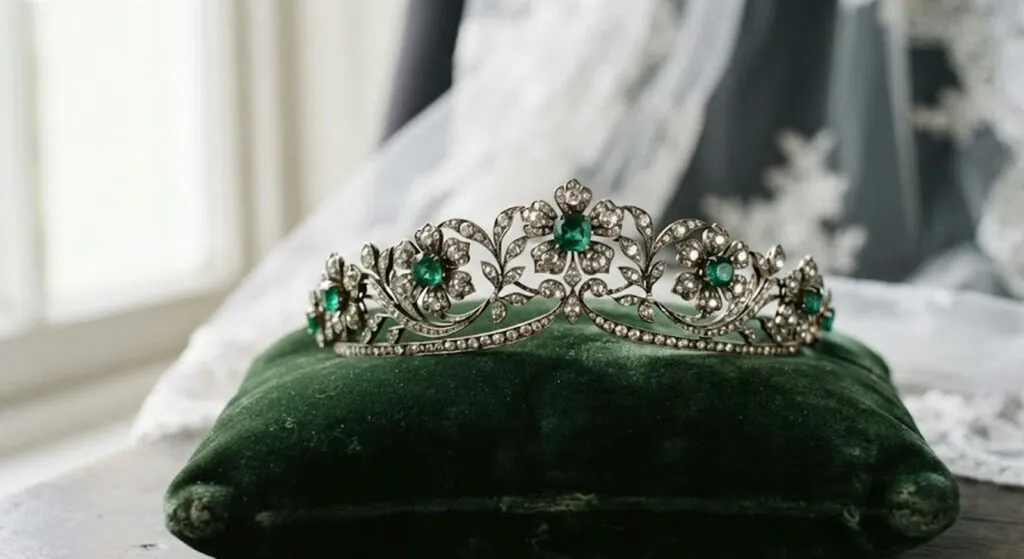
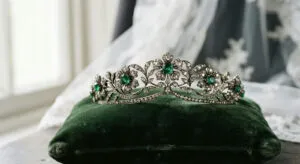
In 1904 Spain's Queen María Cristina bought seven flower-shaped brooches from the estate of her mother-in-law, Queen Isabella II. The jeweller Ansorena built them a silver frame so they could be worn as a diadem, with a matching set of bracelets, a necklace, a brooch and earrings. In 1906 the queen gave the set to her daughter, Infanta María Teresa, for her marriage to Prince Ferdinand of Bavaria. The tiara has not left the family since and became a bridal piece: every bride in the line wears it once in her life. On Saturday, 19 September, it was Cristina Escudero Márquez's turn.
The wedding took place in the chapel of Hacienda San Juan del Hornillo, an estate on the outskirts of Seville, and the groom is José San Martín. The bride is the daughter of Pedro Escudero and Mirta Márquez de Baviera, granddaughter of Tessa of Bavaria and a second cousin of King Juan Carlos, whose goddaughter Cristina is. So it is not a royal wedding, but it is the wedding of a king's goddaughter, and on the bride's head sits a piece of jewellery four generations have kept for precisely this day. Her cousins Sol and Victoria Matossian wore the same tiara before her, and before them her mother and her aunt. Six flowers of diamonds and emeralds, explains David Rato, an expert on royal jewellery, and the original belonged to Isabella II, the 19th-century queen of Spain.
The dress was classic and romantic: a fitted bodice, a boat neckline, short puffed sleeves, and a skirt of structured, asymmetrical layers of fabric giving volume and movement. The bouquet: wildflowers in white and pink with greenery. Nothing that competes with the tiara, and that was evidently the point.
The journalist Teresa de la Cierva, close to both families and a guest at the wedding, wrote that it was "a celebration full of love and emotion, but also great fun". The choir was provided by the Escolanía of Los Palacios, children aged four to seventeen selected from local schools. One of the most emotional moments came when a guest sang a Portuguese song while the bride danced. Dinner was outdoors, at long tables with candles and a great deal of flowers, with live music until the end.
A reader in the Balkans will recognise something familiar here. Not the emeralds, but the logic: jewellery that is not sold but handed down, and a wedding where what you wear says where you come from. Here it is a grandmother's gold or the embroidered shirt that comes out once. There, seven brooches from 1904. The principle is the same; only the bank is bigger.
The latest 10 news from this category
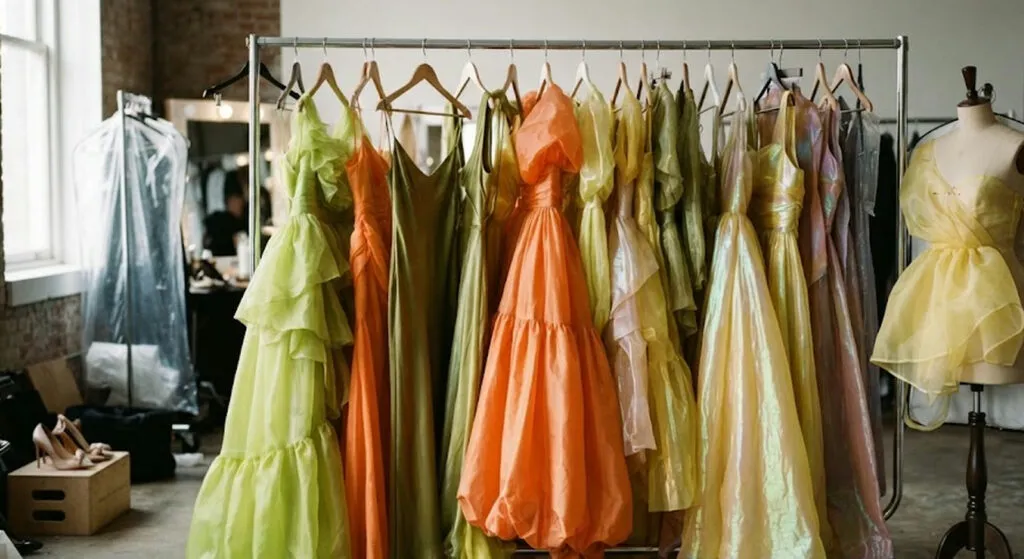
Three days in a lab coat with colorimetry scientists to produce a collection in lime and tangerine. The design director...
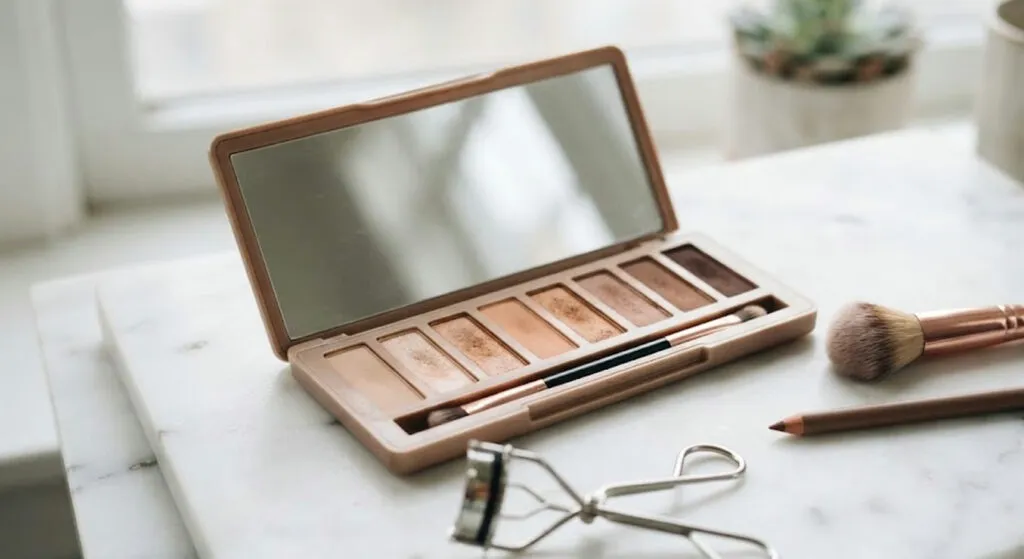
Cream concealer instead of powder, a brown pencil instead of black eyeliner, and a curler before the mascara. Not one...
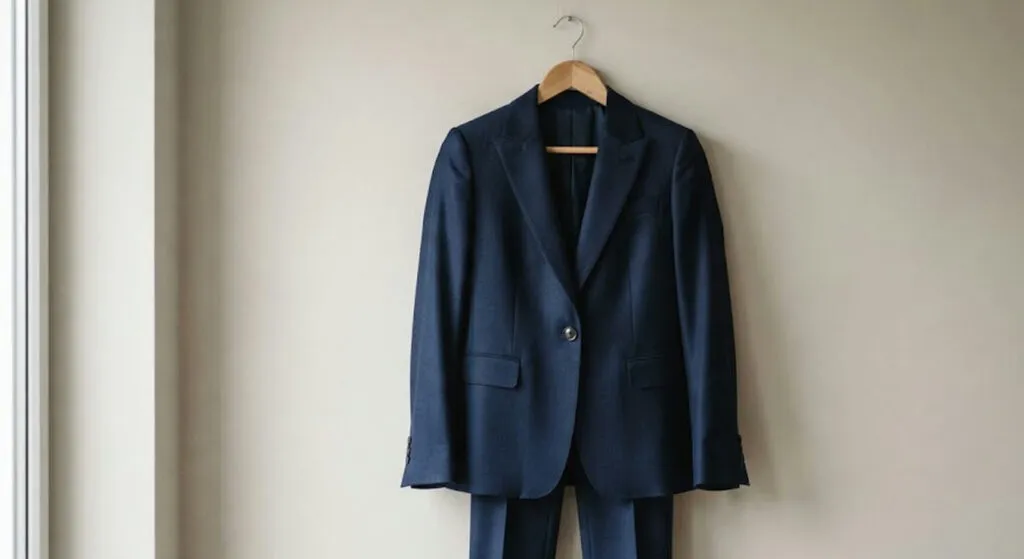
A communications expert says the trouser suit sidesteps sexist readings of hemlines and necklines. The same expert warns that the...
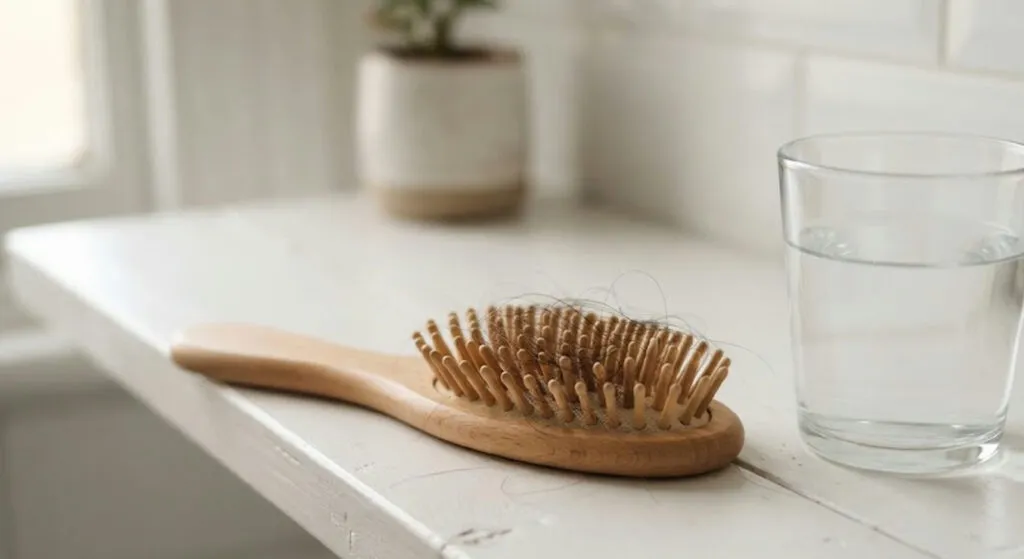
Dermatologists explain why the shedding arrives with a two to three month delay and why iron and vitamins do not...
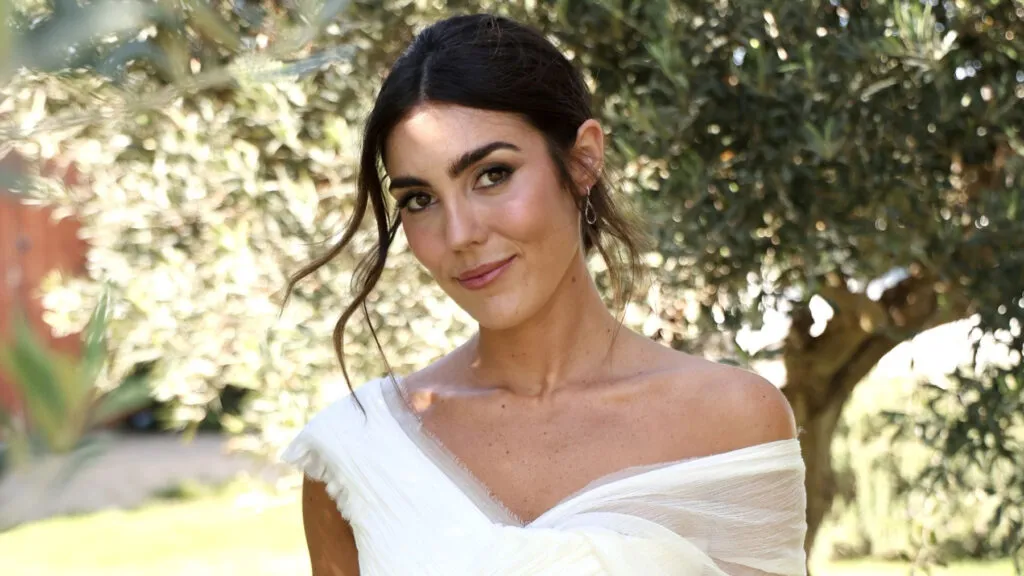
Silk bambula muslin, a hand-draped waist and a veil of crystal organza. The wedding was held in Cadiz, where the...
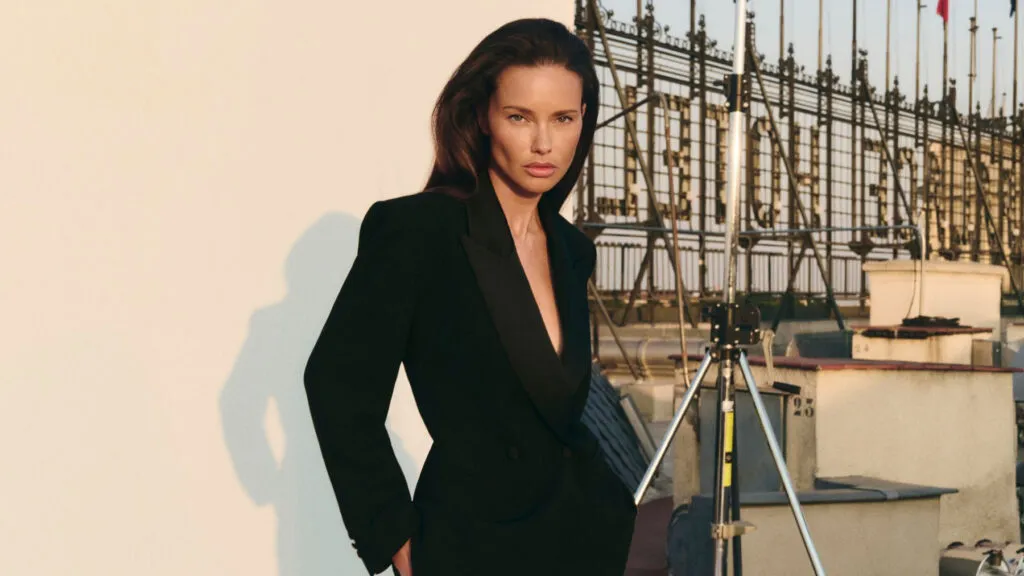
An industry that spent decades selling a flawless illusion is suddenly showing the shoot itself. That is not candour -...

The classic bob promised one perfect day. This version works against the salon business model - and that alone is...
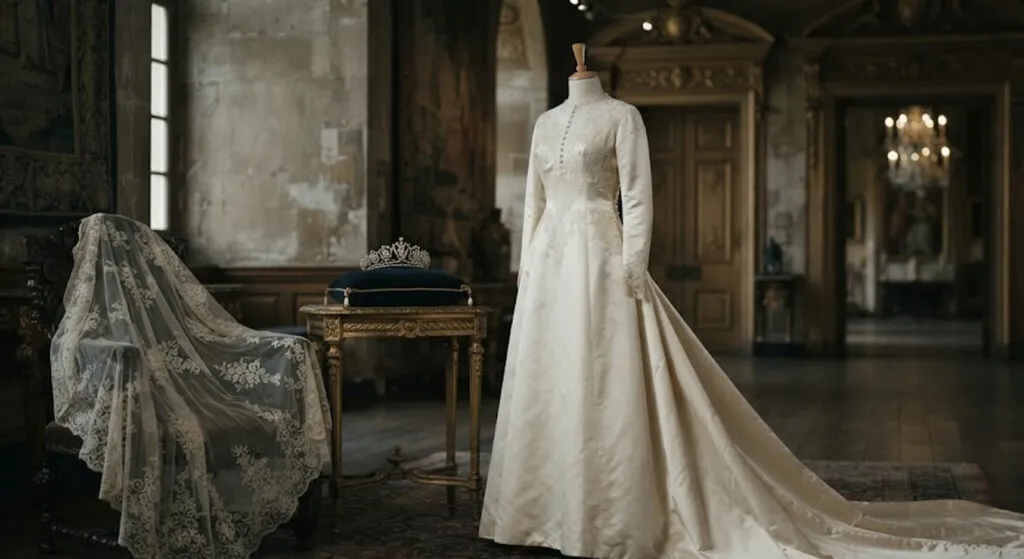
The crowns were held by four men who would all later sit on thrones of their own. Nobody in that...
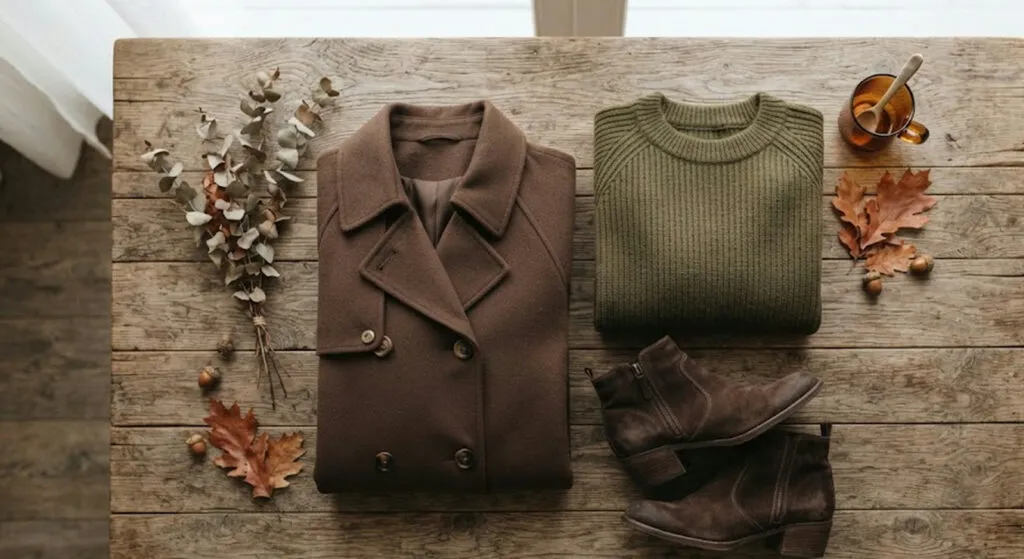
Kate Middleton dropped the beige and the same cut suddenly looked twice as expensive. The industry sells a new silhouette...
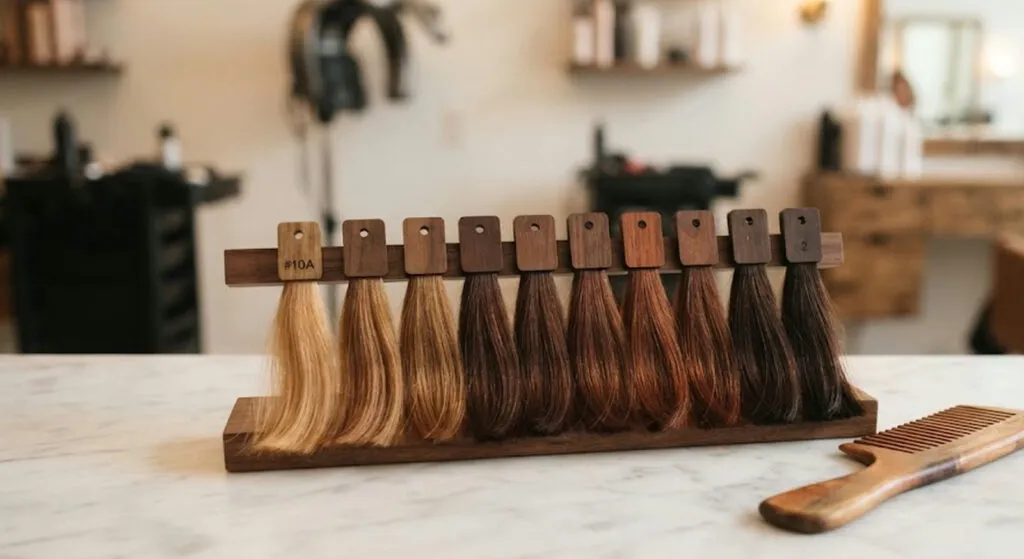
A shade close to your natural one means the regrowth does not draw a line - and that you go...
This site uses cookies - is that okay? Learn more
Be the first to know when Metla launches something new
Leave your email and we will write when there is a new guide or something new on Metla.