A cocked pistol on the road near Krushopek: the line between a police bulletin and a funeral was held by somebody else's nerve
07.08.2026


07.08.2026
07.08.2026

07.08.2026
07.08.2026

07.08.2026

07.08.2026

07.08.2026
06.08.2026
06.08.2026

07.08.2026

07.08.2026

06.08.2026

07.08.2026

07.08.2026

07.08.2026

07.08.2026

06.08.2026
05.08.2026

07.08.2026

07.08.2026

07.08.2026
07.08.2026

07.08.2026

07.08.2026

09.03.2026

27.02.2026

19.02.2026
07.08.2026

06.08.2026

05.08.2026

23.04.2026

23.04.2026

12.04.2026
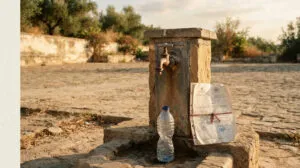
The Danube is at its lowest level in a hundred years. That sounds like news for geographers, and is actually news for electricity bills across Europe. Reduced flow means nuclear plants in Hungary, the Czech Republic and Romania don't have enough cooling water, while hydro capacity in Serbia and Bulgaria falls. When baseload leaves the system, the price jumps.
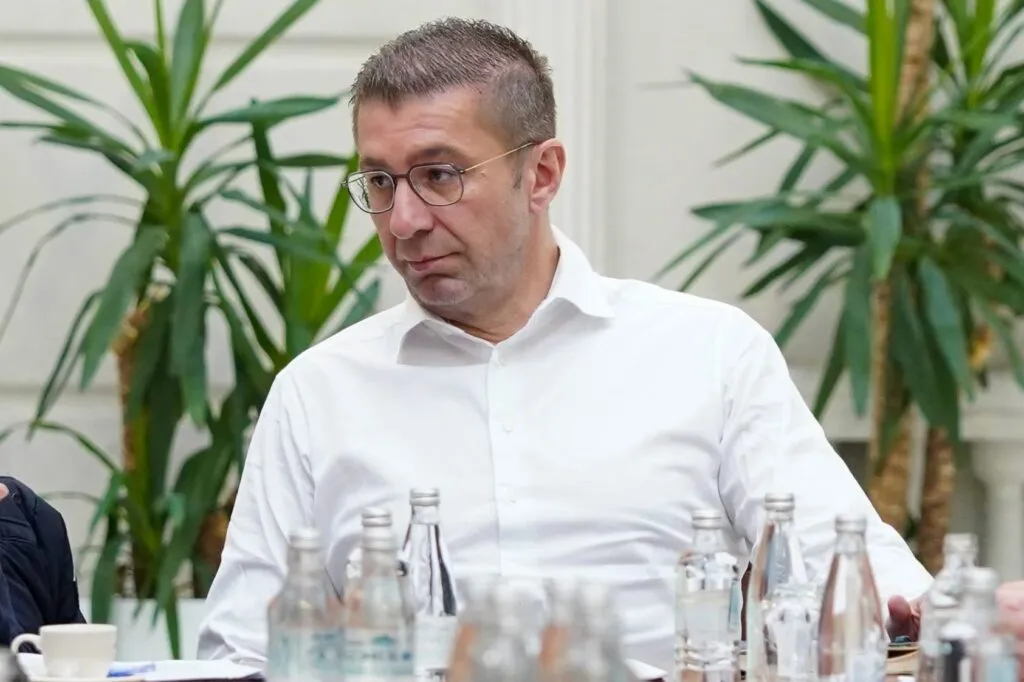
Prime Minister Hristijan Mickoski says Macedonia is watching that scene from the outside. "We aren't thinking about raising the price of electricity, but about how to lower it or how to extend the cheap tariff period," he said.
The figures he cited are concrete: the reservoirs are around 70 percent full, and the system holds 500 gigawatt hours of stored energy. That, he says, is enough for households and industry, which is why there will be no calls to conserve.
The previous test
Mickoski also invoked the recent crisis around the war in Iran and the closure of the Strait of Hormuz, when, as he puts it, the country had sufficient reserves, didn't restrict exports, helped its neighbours and maintained price stability. If that's accurate, it's a real argument - not a promise, but a test already passed.
He also mentioned the Alcazar wind farm investment in Shtip, Karbinci and Radovish as the largest private investment in energy. And there he added a sentence that often gets glossed over: "Baseload energy is essential. Renewables, even with battery systems, cannot fully replace baseload."
That's an engineering statement, not a political one, and it's correct. The sun doesn't work at night, and wind can't be ordered on demand. The question that remains is what constitutes baseload in the Macedonian system in 2036, when the Bitola thermal plant won't be an option.
The ten-year plan
"We feel safe and comfortable at the moment, but we're also making a plan for the next ten years," the prime minister says. That's a sentence every prime minister in the region utters. What makes the difference is whether the plan is a document with deadlines and funding sources, or a statement.
Seventy percent full reservoirs in August is a good number. But a reservoir empties, and the Danube has just shown how quickly the arithmetic of an entire continent can change. When electricity prices spike next door, the pressure on the Macedonian system doesn't arrive through a cable - it arrives through export demand.
The latest 10 news from this category
A seven-week high, a fourth day of gains. The reason isn't gold - the American labour market is slipping, and...

Purchase prices are 20 percent lower than last year, and these same people spent this season saving the crop from...
Not a single accepted or rejected correction in three months, and millions of people are still reading it every month....
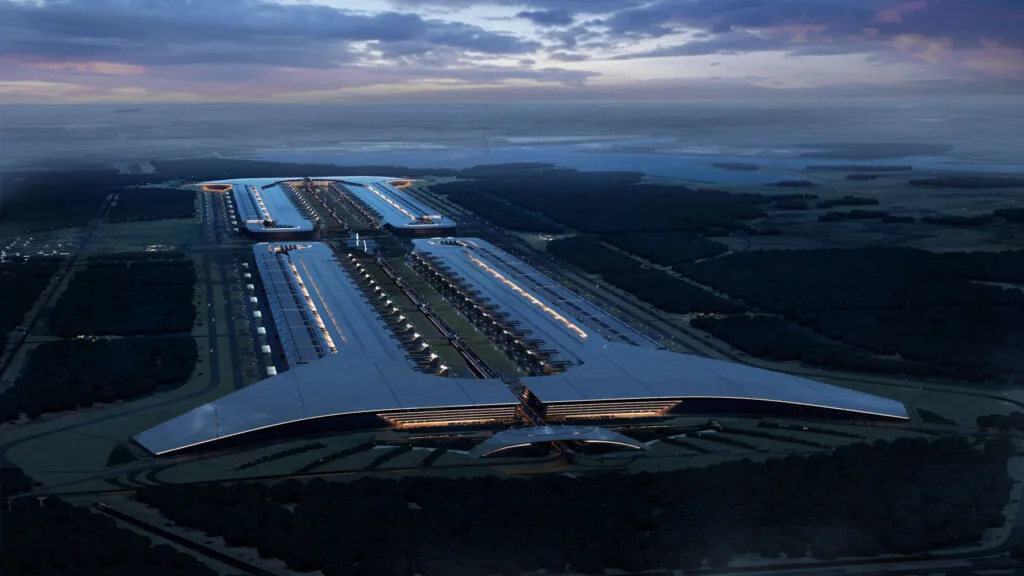
Nine million square metres of production space for chips to power robots and orbital data centres. The day before the...

While everyone throws billions at generative AI, Greece's Omilia argues most customer questions don't need any of it. Its revenue...

The two biggest dating apps suddenly discover that meeting in person was the point. Bumble's revenue fell 15.2 percent, which...
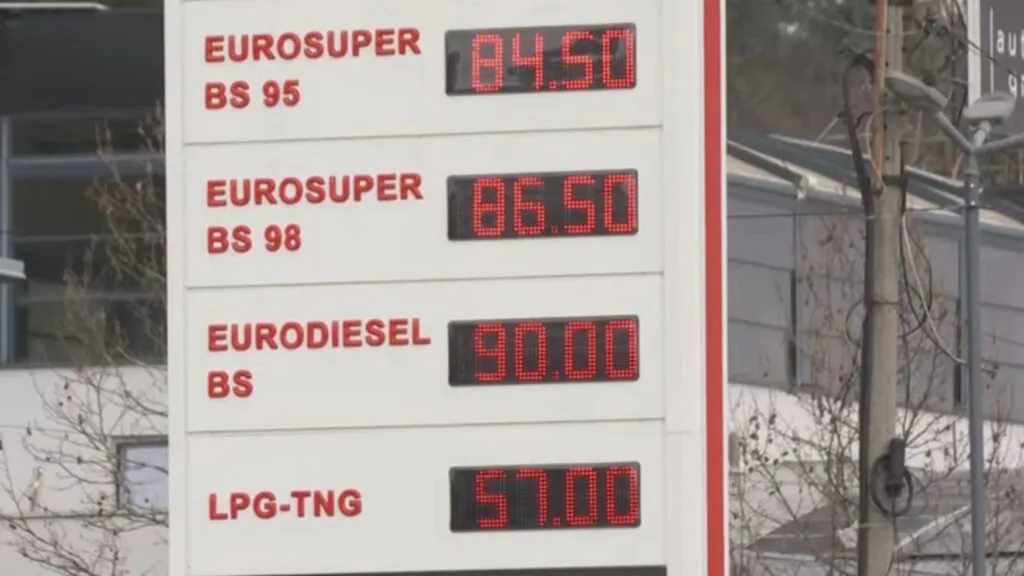
Kosovo 21.3. Albania 20.3. Serbia 15. Us, 42.8 percent. The same global oil market, an entirely different result at the...
Interest up to 5.20 percent and 129.4 million denars a year in interest costs. Investors know exactly what they are...
A household of four needs around 1,100 euros a month. The minimum net wage is about 420. No percentage covers...
Jeff Dean, Google's thirtieth employee, is walking out after 27 years and taking three of the company's best researchers with...
This site uses cookies - is that okay? Learn more
Be the first to know when Metla launches something new
Leave your email and we will write when there is a new guide or something new on Metla.