
Six Years of Fake Licence Categories Issued From an Interior Ministry Desk: Six Charged, 21 More Under Investigation
21.09.2026


21.09.2026

21.09.2026

21.09.2026

21.09.2026

21.09.2026

21.09.2026

21.09.2026

20.09.2026

20.09.2026

21.09.2026

21.09.2026

20.09.2026

21.09.2026
21.09.2026
21.09.2026

21.09.2026

20.09.2026
19.09.2026

21.09.2026

21.09.2026
21.09.2026

21.09.2026

21.09.2026

21.09.2026

09.03.2026

27.02.2026

19.02.2026

21.09.2026

21.09.2026

20.09.2026

23.04.2026

23.04.2026

12.04.2026

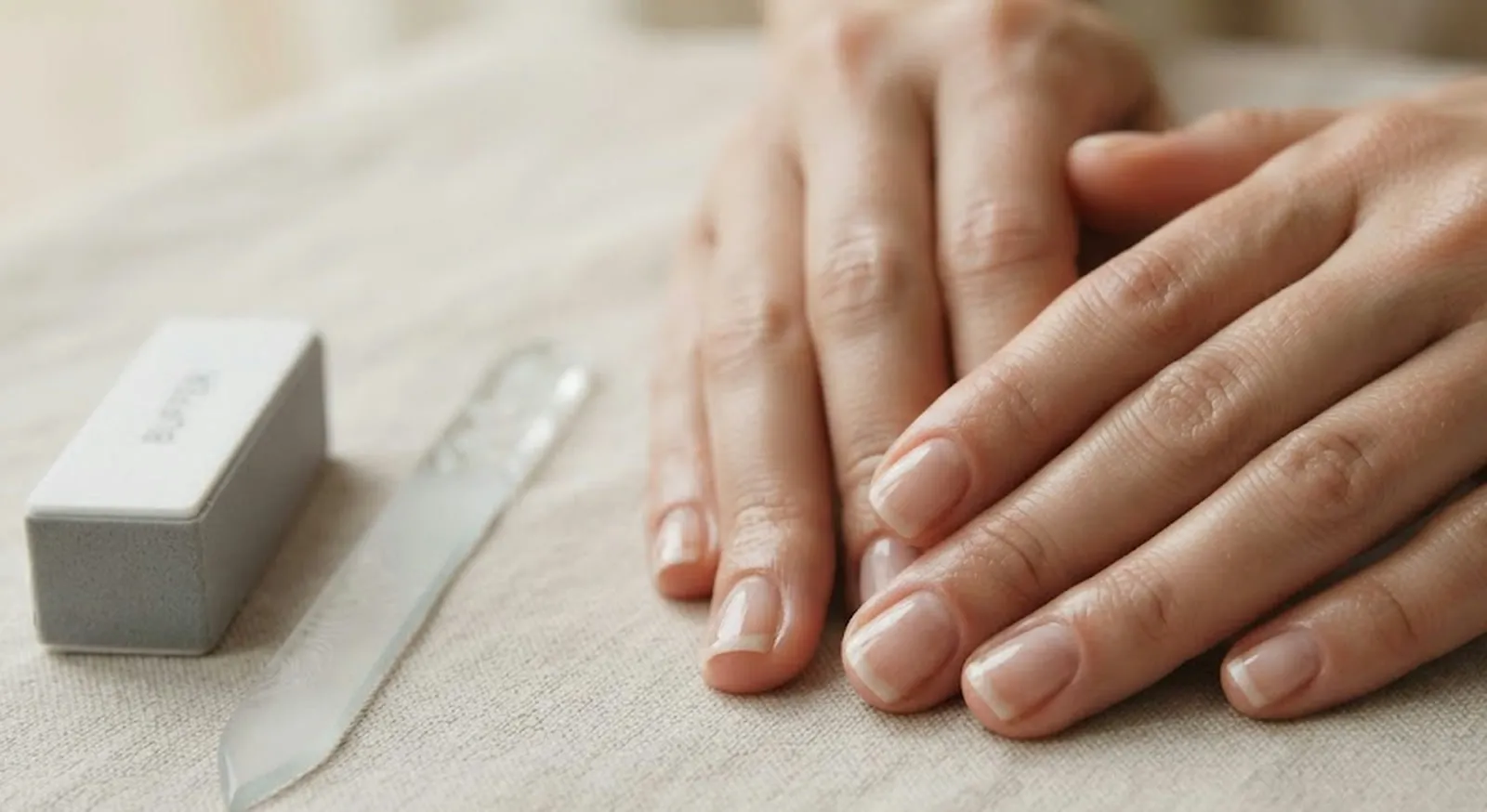
The entire nail industry is built on one assumption: the nail is a surface that needs covering. Gel, acrylic, polish, extensions - everything offered in a salon starts from the premise that what's underneath isn't good enough. The Japanese manicure starts from the opposite.
The technique works on the nail itself, not over it. The goal isn't colour but condition - a smoother surface, a natural shine and a nail that looks healthier than when you walked into the salon. Nothing is glued on, nothing is built up.
What it looks like in a salon
First the nail is prepared and the cuticles tidied. Then comes a gentle buffing of the surface to even it out. Next, a nourishing paste is applied and worked in gently. Finally - sealing with a mineral powder that gives the shine. Four steps, none of which leaves a layer that later has to come off with acetone.
The home version is simpler: even filing, gently pushing back the cuticles, light buffing and then a clear or neutral strengthening polish. Tones that work: nude, sheer pink, soft beige and semi-transparent finishes.
Three mistakes that cancel out the whole effect
Over-buffing, or buffing too often - the nail is layered and every buffing takes some of it away. Tearing at the cuticles instead of pushing them back. And the third, most common one: the belief that if there's no polish, there's no upkeep. There is. Cuticles get moisturised regularly, hands get cream, and nails get protected from harsh products - which here means gloves when cleaning, not good intentions.
Of the recommended products, the most affordable is Essie's Hard to Resist Advanced clear strengthening polish, around 12.64 euros, which improves elasticity and reduces breakage within three days. Masglo's Advanced Total Care base costs around 14.27 euros and fills in ridges. OPI's Nail Envy, around 12.90 euros, works with wheat protein and calcium.
The numbers aren't incidental. For the price of one gel application in a salon - which lasts three weeks and then requires another - a person buys a bottle that lasts months. That's the calculation the industry doesn't do out loud.
The Japanese manicure is ideal for short, brittle or weakened nails - which is to say, for the state most people are in after a few years of uninterrupted gel. It isn't a trick and it isn't a miracle. It's just a reminder that sometimes the most expensive thing we've bought is the belief that something is missing.
The latest 10 news from this category
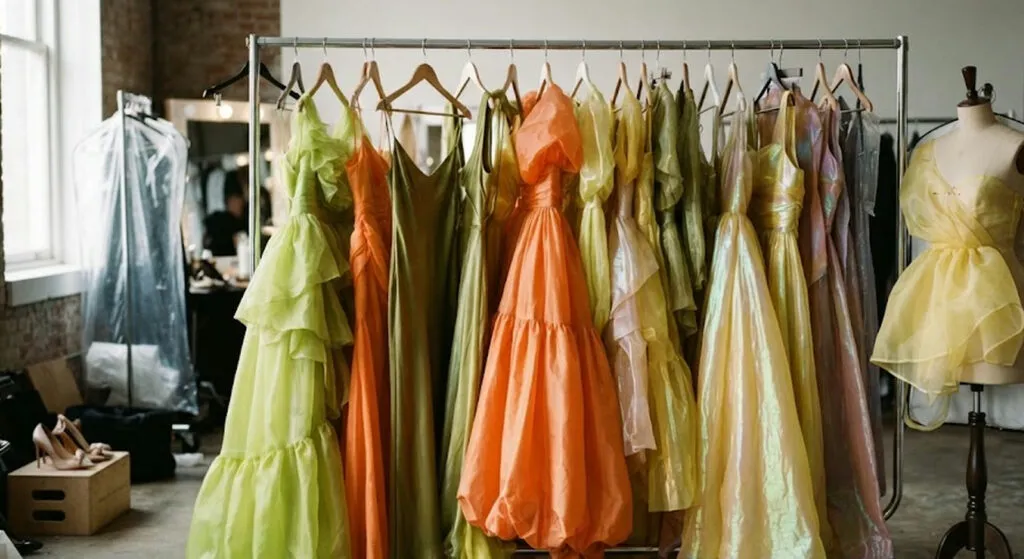
Three days in a lab coat with colorimetry scientists to produce a collection in lime and tangerine. The design director...
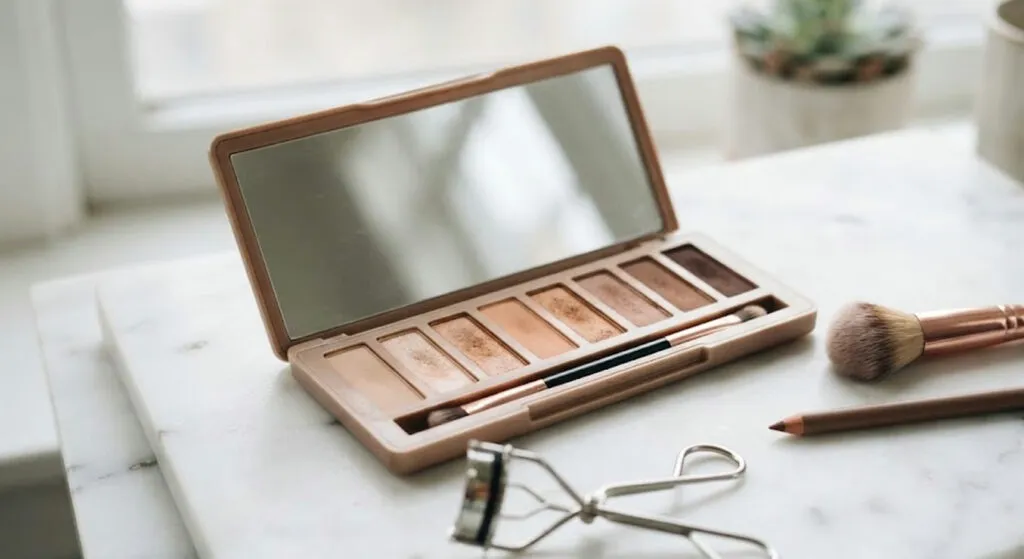
Cream concealer instead of powder, a brown pencil instead of black eyeliner, and a curler before the mascara. Not one...
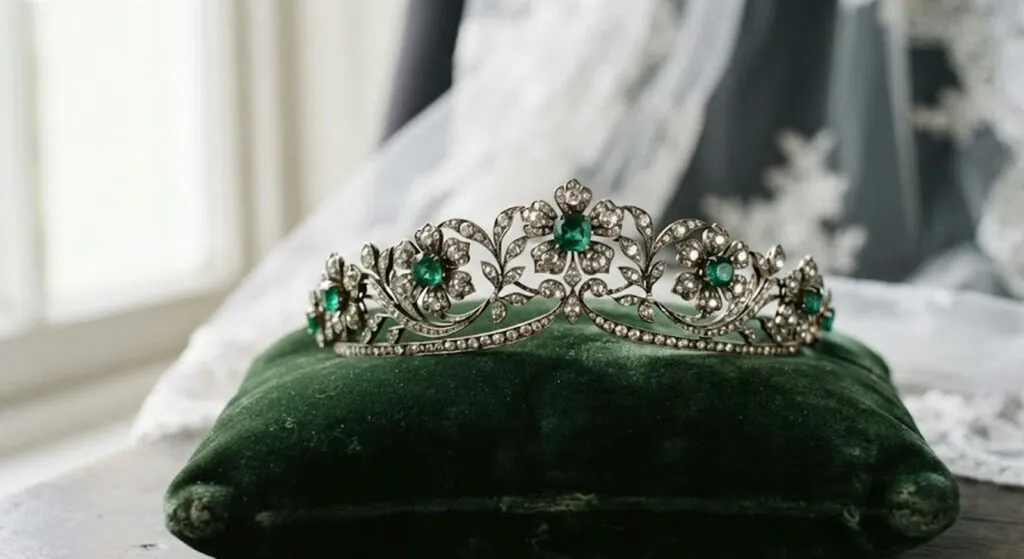
A boat-neck gown and wildflowers that deliberately refuse to compete with the jewellery. A fourth generation under the same diadem,...
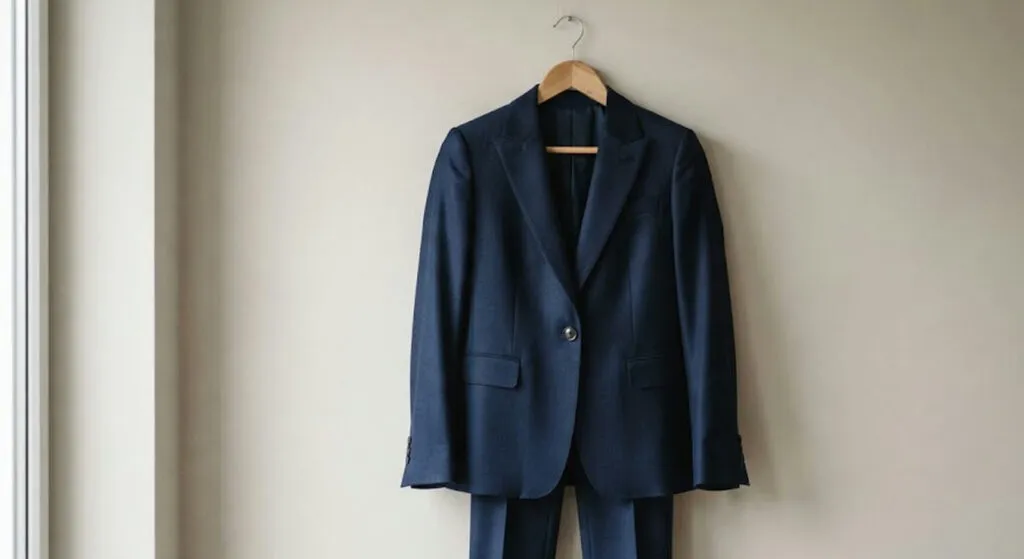
A communications expert says the trouser suit sidesteps sexist readings of hemlines and necklines. The same expert warns that the...
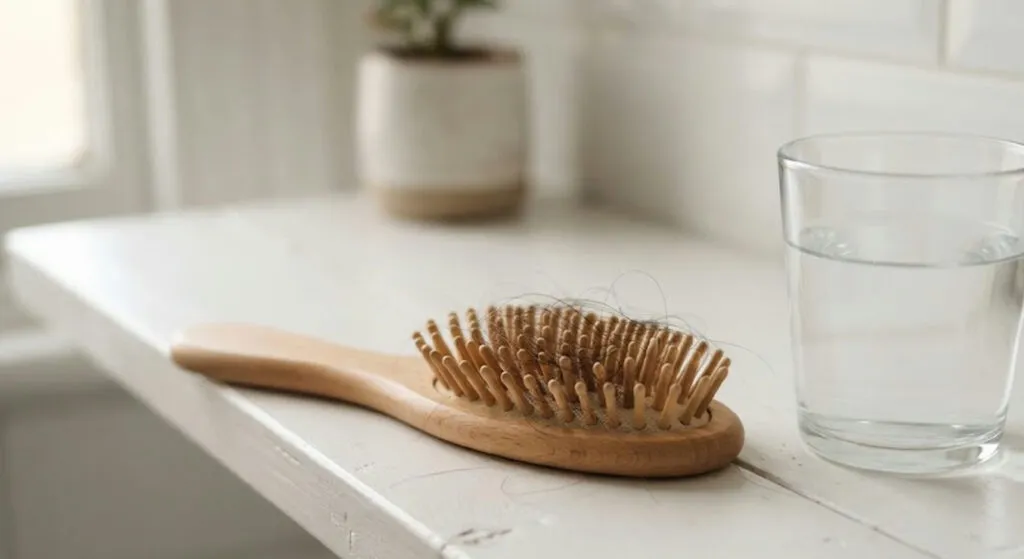
Dermatologists explain why the shedding arrives with a two to three month delay and why iron and vitamins do not...
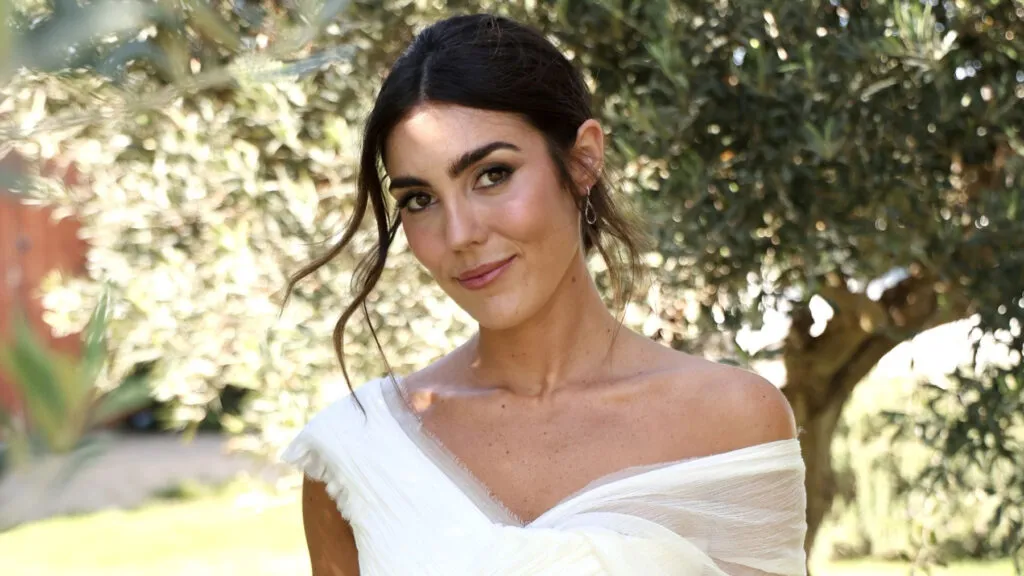
Silk bambula muslin, a hand-draped waist and a veil of crystal organza. The wedding was held in Cadiz, where the...

An industry that spent decades selling a flawless illusion is suddenly showing the shoot itself. That is not candour -...
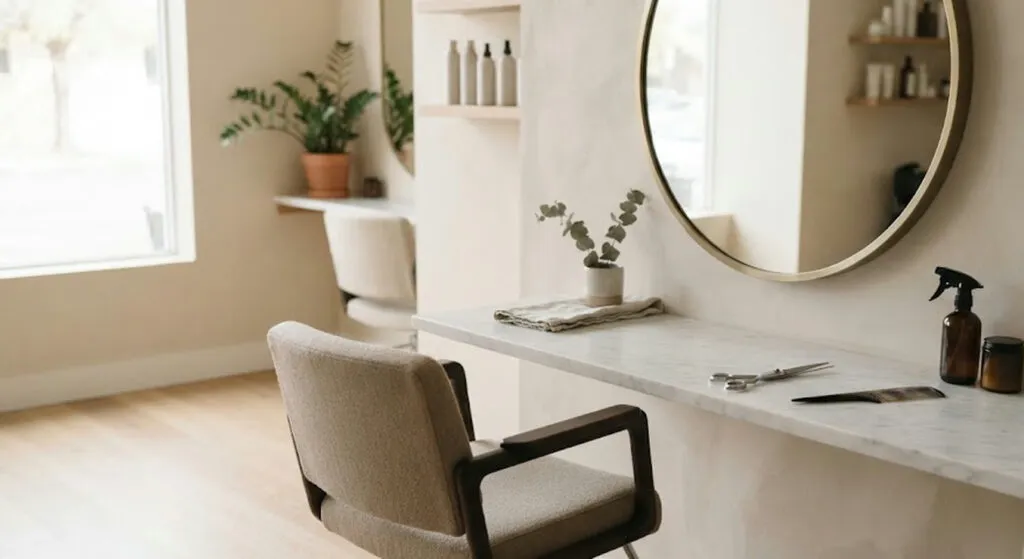
The classic bob promised one perfect day. This version works against the salon business model - and that alone is...
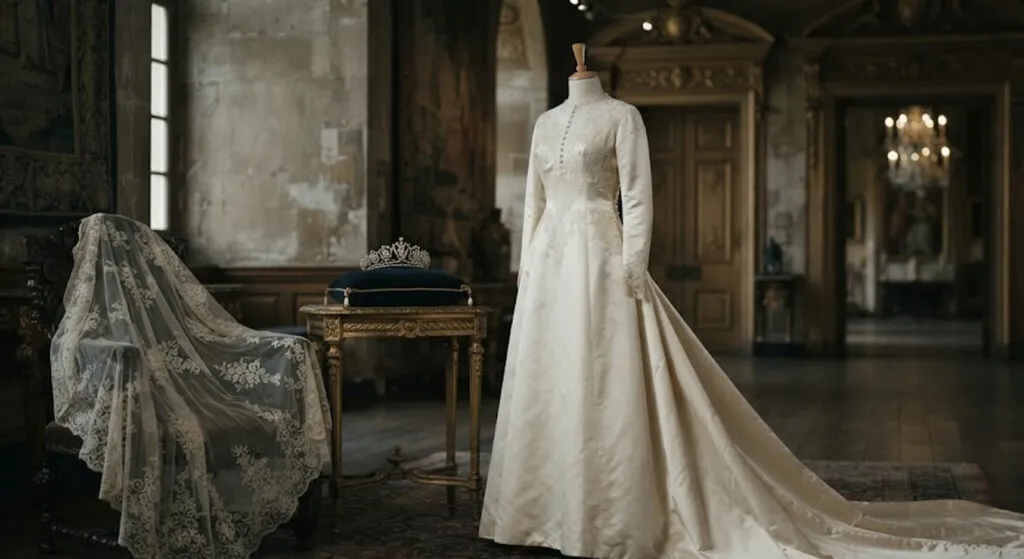
The crowns were held by four men who would all later sit on thrones of their own. Nobody in that...

Kate Middleton dropped the beige and the same cut suddenly looked twice as expensive. The industry sells a new silhouette...
This site uses cookies - is that okay? Learn more
Be the first to know when Metla launches something new
Leave your email and we will write when there is a new guide or something new on Metla.