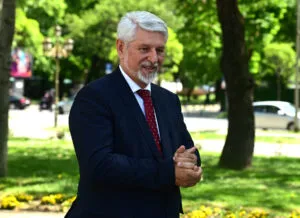
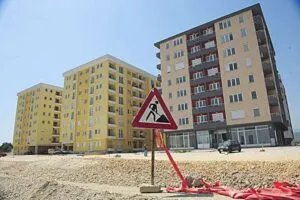
A New Criminal Complaint Against Jakimovski: A Building Permit Based on a Plan Struck Down Back in 2018
16.09.2026


16.09.2026

16.09.2026

16.09.2026

16.09.2026
16.09.2026

16.09.2026

16.09.2026

15.09.2026

14.09.2026

16.09.2026

16.09.2026

15.09.2026

16.09.2026

15.09.2026

14.09.2026

16.09.2026

16.09.2026

16.09.2026

16.09.2026

15.09.2026
15.09.2026

09.03.2026

27.02.2026

19.02.2026

16.09.2026

15.09.2026

14.09.2026

23.04.2026

23.04.2026

12.04.2026

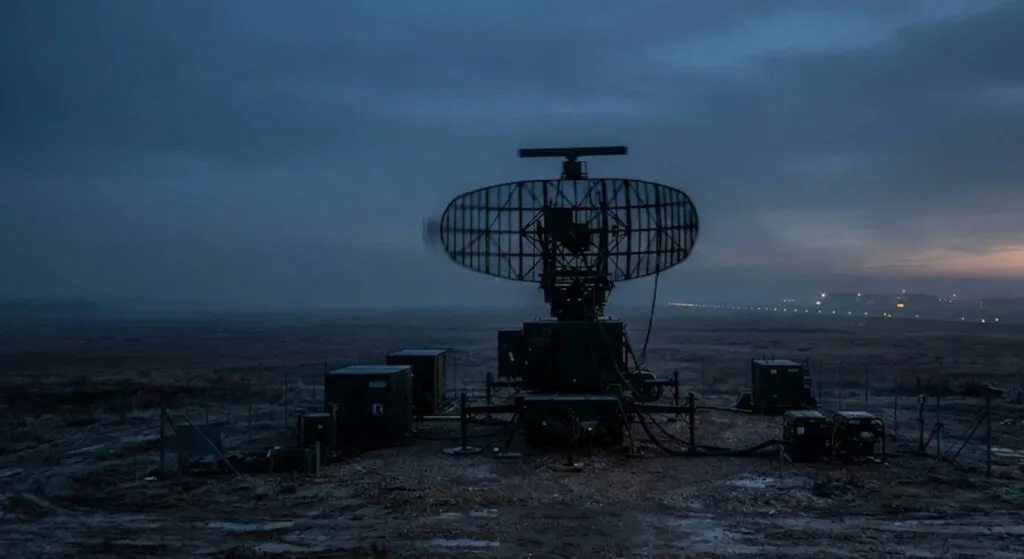
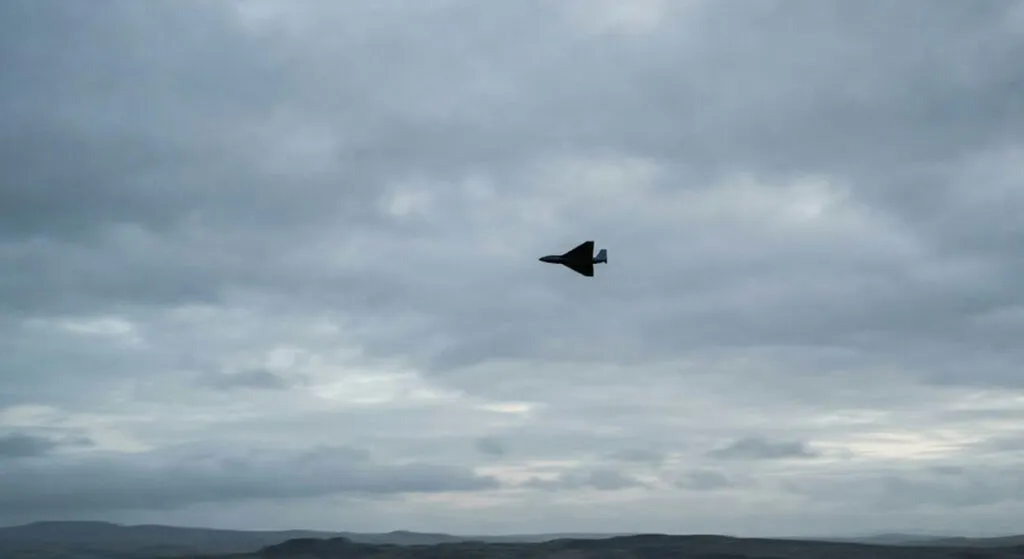
A few minutes after midnight, radars over Lithuania registered something that should not have been there. A drone, having entered the airspace of a NATO member state, most likely from the direction of Belarus. Fighters from the allied Baltic air policing mission were scrambled, and the drone was shot down over the Kaisiadorys district, not far from Kaunas, the country's second largest city.
Lithuania's National Crisis Management Centre confirmed the aircraft had been neutralised. According to the defence ministry, the Lithuanian armed forces responded together with Italian pilots deployed on the mission. President Gitanas Nauseda thanked the allied forces for their swift reaction.
A yellow danger level and a warning on mobile phones
What was happening on the ground in the meantime is the part worth reading twice. Lithuania declared a yellow level of air danger for Vilnius and its surroundings, and citizens were sent emergency warnings directly to their mobile phones. The airport in the capital temporarily restricted operations. Once the danger passed, the warning was withdrawn and flights resumed.
That is a scenario somebody thought about in advance. There is a procedure, there is a threat level, there is a system that sends a message to every phone in the city. The question that suggests itself is not about Lithuania but about us: how many Balkan countries would know what to do in the first fifteen minutes?
Whose drone was it - still nobody is claiming
This is the part where it pays to be careful. The services are now searching for the wreckage to determine the type, origin and purpose of the flight. Crisis centre chief Vilmantas Vitkauskas said experts have yet to establish that. Entering from the direction of Belarus does not automatically mean the aircraft is Belarusian or Russian - that has not been confirmed by any official source.
The difference between "it came from that direction" and "it is theirs" is a difference on which a great deal depends. Headlines across Europe skip over that distinction within a few hours. The institutions, for now, do not.
Birds two days ago, a drone today
On 13 September alone, Lithuania had already scrambled an aircraft once and temporarily closed Vilnius airport over objects suspected of being drones. Subsequent checks showed the radar had in fact registered a flock of birds. This time the alarm was real - the drone was located, tracked and shot down.
Those two events in the same week describe the situation better than any statement could. When the sky is tense enough, a flock of birds and a hostile aircraft look identical on a screen. And every false alarm spends the same trust that will be needed for the real one.
NATO aircraft have patrolled over Lithuania, Latvia and Estonia ever since they joined the Alliance in 2004. For two decades that was a routine nobody wrote about. This year, incidents involving unmanned aircraft have become a serious security problem on the eastern flank, and the routine has turned into something that ends up in the news every morning.
The latest 10 news from this category
Ukraine was shooting down nine out of ten of the old drones. Then Russia changed the drone - and in...
The entire story comes from one side, and the headlines turn it into a turning point. The difference between the...
Between 2,300 and 3,000 North Korean soldiers have died in Kursk so far. Kim Jong Un has found an export...
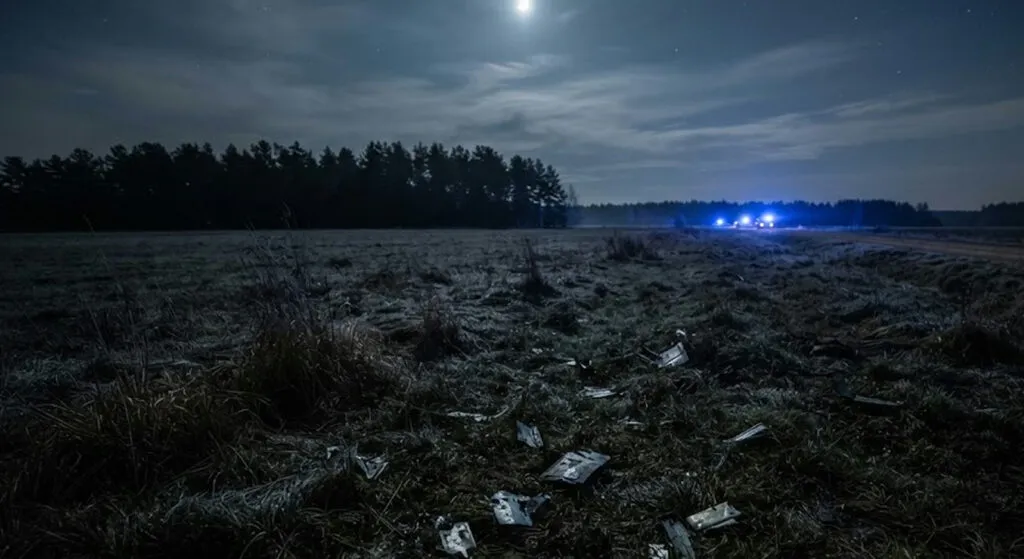
A NATO fighter jet downed an unmanned aircraft over Lithuania minutes after midnight, and citizens got the warning on their...
The train was empty, the locomotive damaged, nobody hurt. But Boris Johnson and a group of European security advisers had...
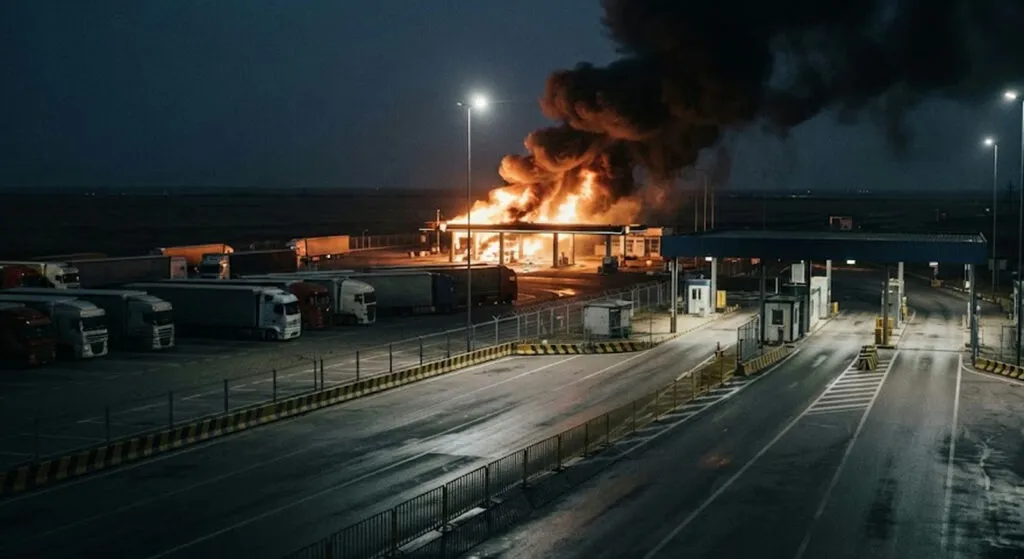
453 drones in one night, 405 shot down - and the forty-eight that got through land somewhere. Poland's prime minister...

Trump's son-in-law told an audience in Kyiv the deal is done - if Ukraine withdraws. And added that the battlefield...

A barren volcanic rock in the middle of a strait 28 kilometres wide changed the oil market in a single...

Hostomel, Odesa, Kryvyi Rih - targets that are not the front line but the supply chain. A war against the...

We don't want war with Europe, but here is exactly how that war would start. He said both sentences in...
This site uses cookies - is that okay? Learn more
Be the first to know when Metla launches something new
Leave your email and we will write when there is a new guide or something new on Metla.