
15 Wildfires in One Day, 23 in 24 Hours: And Once Again It Is the Landfills That Are Burning
12.08.2026



12.08.2026

12.08.2026

12.08.2026

12.08.2026
11.08.2026
10.08.2026

12.08.2026

12.08.2026

11.08.2026

12.08.2026

12.08.2026

12.08.2026

12.08.2026

11.08.2026

10.08.2026

12.08.2026

12.08.2026

12.08.2026

12.08.2026

12.08.2026

12.08.2026

09.03.2026

27.02.2026

19.02.2026

12.08.2026

11.08.2026

10.08.2026

23.04.2026

23.04.2026

12.04.2026
The company is called River AI, it came out of stealth in June, and it has just raised 1.1 billion dollars (around 950 million euros) in a round formally classed as seed or Series A. Company age at the time of closing: two months. It is led by General Catalyst and AMP PBC, with Nvidia, AMD Ventures, Y Combinator and Singapore's state fund Temasek also joining.
Founder Igor Babuschkin is not a random name - he co-founded xAI, with earlier stops at DeepMind and OpenAI. That is the part of the story that opens doors. A billion dollars is not going towards a product, because there is barely a product - it is going towards a CV and a thesis.
The thesis, unlike many others, is at least specific. Babuschkin argues the whole stack has to be rebuilt from scratch: "the training, the models, the product layer and new hardware that lets personal artificial intelligence live close to you". Instead of agents replacing workers, he wants agents each user trains themselves. In his launch post he describes them as "guardian angels: quietly present, on your side" - and adds that they "will be yours, not somebody else's".
Commercially, River is already selling access through a developer interface, charged per million tokens, with the price depending on the chosen open model. The offer lets developers fine-tune open models instead of trying to coax somebody else's. The company promised that "any enterprise can complete complex training in 15 to 20 minutes without its own infrastructure team, with savings of two to four times compared to closed alternatives".
Those numbers come from the company's own announcement, not from independent verification - an important distinction when the price of the round is being defended with a performance promise. It is also worth noting who is putting up the money: Nvidia and AMD are investing in a company whose product requires their chips. That is not fraud, it is ordinary industrial logic - but it is also not a neutral signal of market confidence.
There is a real basis for the thesis. Companies are slowly realising they do not want to depend on a single closed model, and are moving towards a mix that includes open weights. Knowing how to fine-tune such a model after training is the bottleneck - and that is exactly the gap River is trying to enter.
The old question remains, the kind we know in the Balkans from another sphere entirely: what does it mean when capital arrives before the product? In River's case, the answer has not been written yet. What has been written is the amount - one billion one hundred million dollars in the bank, and two months of track record to justify it.
The latest 10 news from this category

When the practice stopped, daily revenue visibly fell - so it was not a side effect. The founders knew from...
Serbian businessman Davor Macura took 100 percent of the shares through a block transaction, then recapitalised. Another financial brand is...

A billion-dollar lawsuit ended in an exclusive supply deal, and the exclusive deal in an acquisition. The civilian idea attracted...
A London district with 12.1 billion dollars in raised capital is asking itself whether it is a hub or just...

NextSlide turns notes and documents into slides. A company worth more than entire stock exchanges bought it quietly, and is...
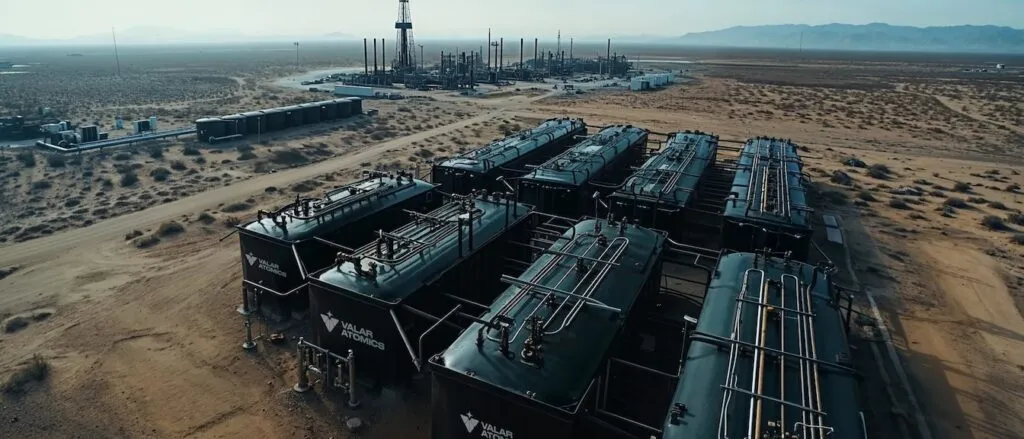
Sequoia came in with a billion, the banks added another 200 million. The founder promises thousands of reactors a year...

While everyone throws billions at generative AI, Greece's Omilia argues most customer questions don't need any of it. Its revenue...
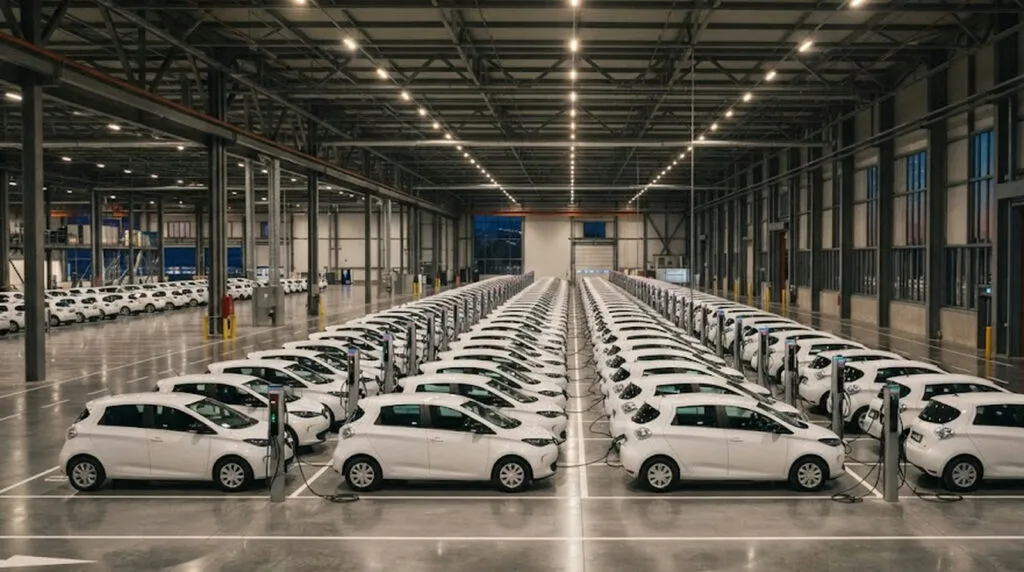
A company founded in Nigeria that financed cars for drivers with no access to credit is now worth 2.1 billion...
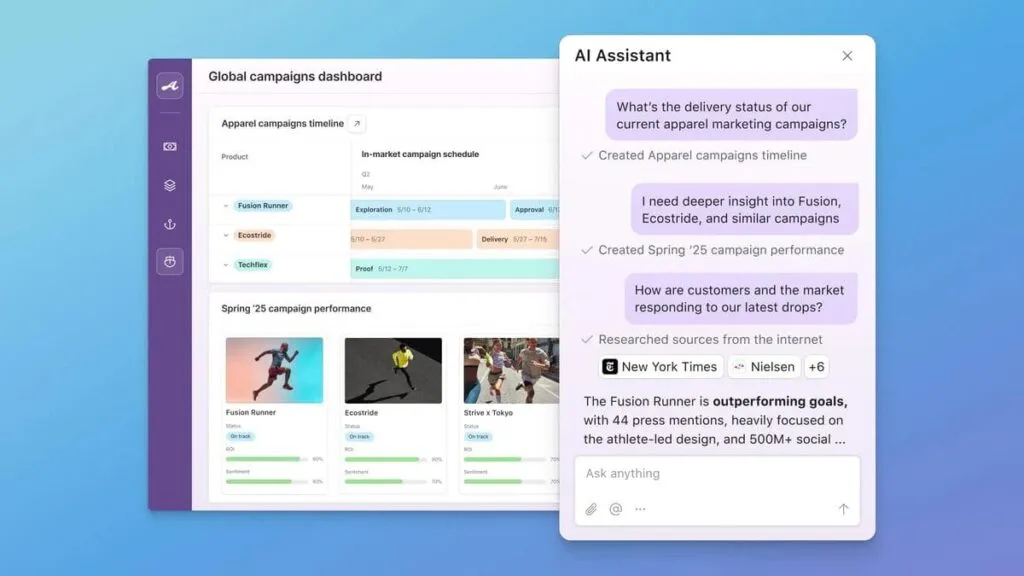
The company did not collapse - it has 480 million in revenue and 500,000 customers. It simply stopped being worth...
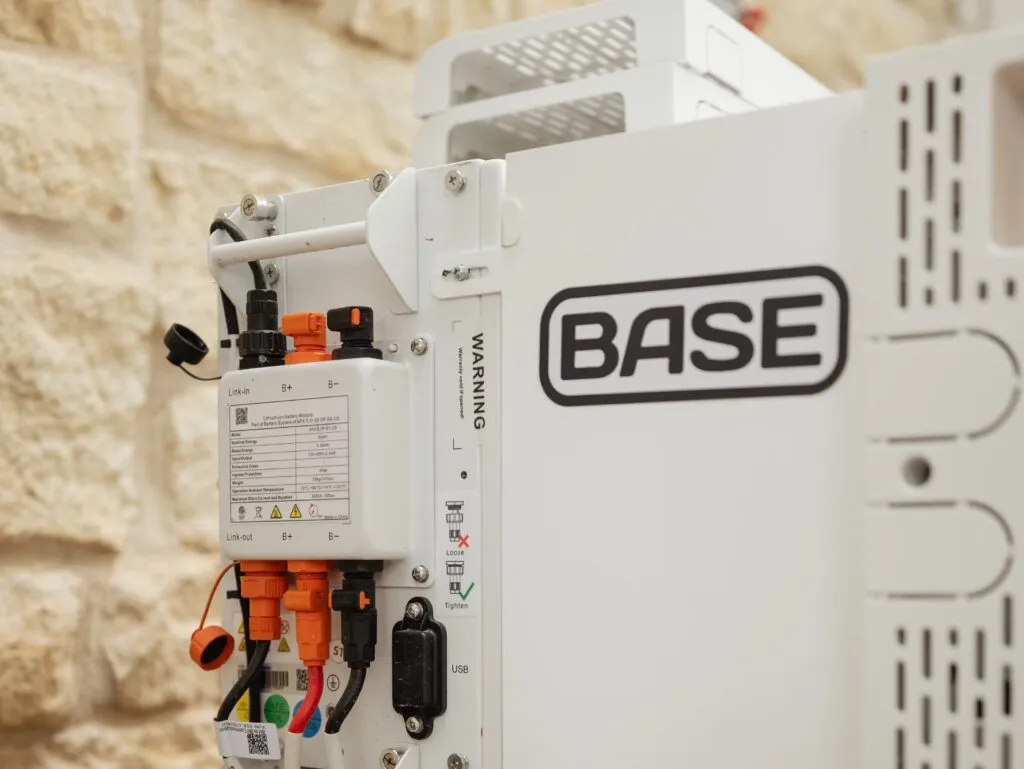
Instead of buying land next to the grid, the company puts the battery at the customer's house and then sells...
This site uses cookies - is that okay? Learn more
Be the first to know when Metla launches something new
Leave your email and we will write when there is a new guide or something new on Metla.