15 Wildfires in One Day, 23 in 24 Hours: And Once Again It Is the Landfills That Are Burning
12.08.2026



12.08.2026

12.08.2026
12.08.2026

12.08.2026

11.08.2026
10.08.2026

12.08.2026

12.08.2026

11.08.2026

12.08.2026

12.08.2026

12.08.2026

12.08.2026

11.08.2026

10.08.2026

12.08.2026

12.08.2026

12.08.2026

12.08.2026

12.08.2026

12.08.2026

09.03.2026

27.02.2026

19.02.2026

12.08.2026

11.08.2026

10.08.2026

23.04.2026

23.04.2026

12.04.2026

The shopping startup Phia, founded by Phoebe Gates and Sophia Kianni, was caught in July engaging in a practice known as "cookie stuffing" - taking a commission on an online purchase the company never caused. The company's answer at the time was that it learned of the problem only when journalists got in touch. New reporting by Bloomberg claims something else: the founders knew as far back as December.
The mechanism is simple and as old as affiliate marketing. When a user buys something through a link, somebody gets a percentage. Cookie stuffing means dropping your own marker into the user's browser even when they reached the shop on their own - so the percentage owed to somebody else goes to you. That is why contracts with retail platforms explicitly forbid it.
The hardest part of the new reporting is not the sum but the description. In July a company representative called the case a "bug" in the code. Bloomberg now claims it was a deliberately built capability that could be switched on and off - and that leaked internal messages show both founders discussing it with engineers and executives. Affected retailers include Nike and Nordstrom.
There is also a figure that says everything: when the practice stopped, the company's daily revenue visibly fell. This was not a side trickle of the business - it was a significant part of it.
Phia's response to journalists reads: "All capabilities that caused misattribution were removed immediately, more than a month ago, on 7 July. We are reviewing every transaction, we are fully committed and have already begun returning all funds to partner brands, and we are hiring a compliance officer so nothing like this happens again." The company added it would "learn" from the case.
Set the justification aside and look at the order of events. The removal is on 7 July - a few days after the investigation was published. Not in December, when, according to sources, the company already knew.
Phia launched in April last year with a promise to be something like Google Flights for shopping - a place where a user finds the best price across several shops. Since then it has lost almost half its full-time staff, some of the brands on its list did not know they were there, and it was previously criticised for collecting data on users' behaviour across the internet.
The story often gets retold through one founder's surname, and that is the least interesting part of it. More interesting is that the mechanism ran for months, that other partners down the chain paid for it, and that all of it was uncovered by journalists rather than by the control systems all those platforms claim to invest in. Who is going to repay the marketers whose commission was taken - and who is even counting them?
The latest 10 news from this category

River AI has no product with a track record, but it has an xAI CV and a full bank account....
Serbian businessman Davor Macura took 100 percent of the shares through a block transaction, then recapitalised. Another financial brand is...

A billion-dollar lawsuit ended in an exclusive supply deal, and the exclusive deal in an acquisition. The civilian idea attracted...

A London district with 12.1 billion dollars in raised capital is asking itself whether it is a hub or just...

NextSlide turns notes and documents into slides. A company worth more than entire stock exchanges bought it quietly, and is...

Sequoia came in with a billion, the banks added another 200 million. The founder promises thousands of reactors a year...

While everyone throws billions at generative AI, Greece's Omilia argues most customer questions don't need any of it. Its revenue...

A company founded in Nigeria that financed cars for drivers with no access to credit is now worth 2.1 billion...
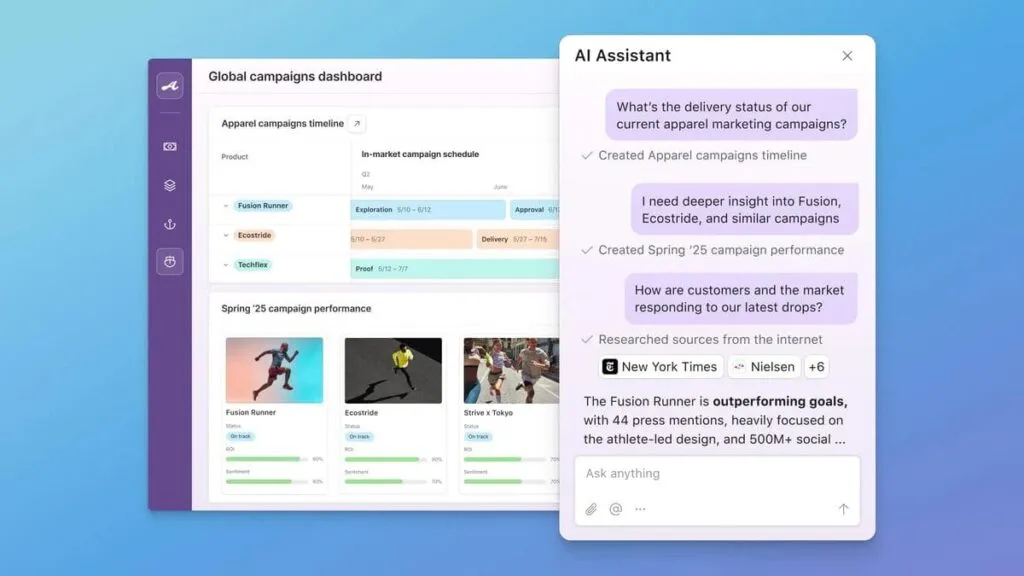
The company did not collapse - it has 480 million in revenue and 500,000 customers. It simply stopped being worth...
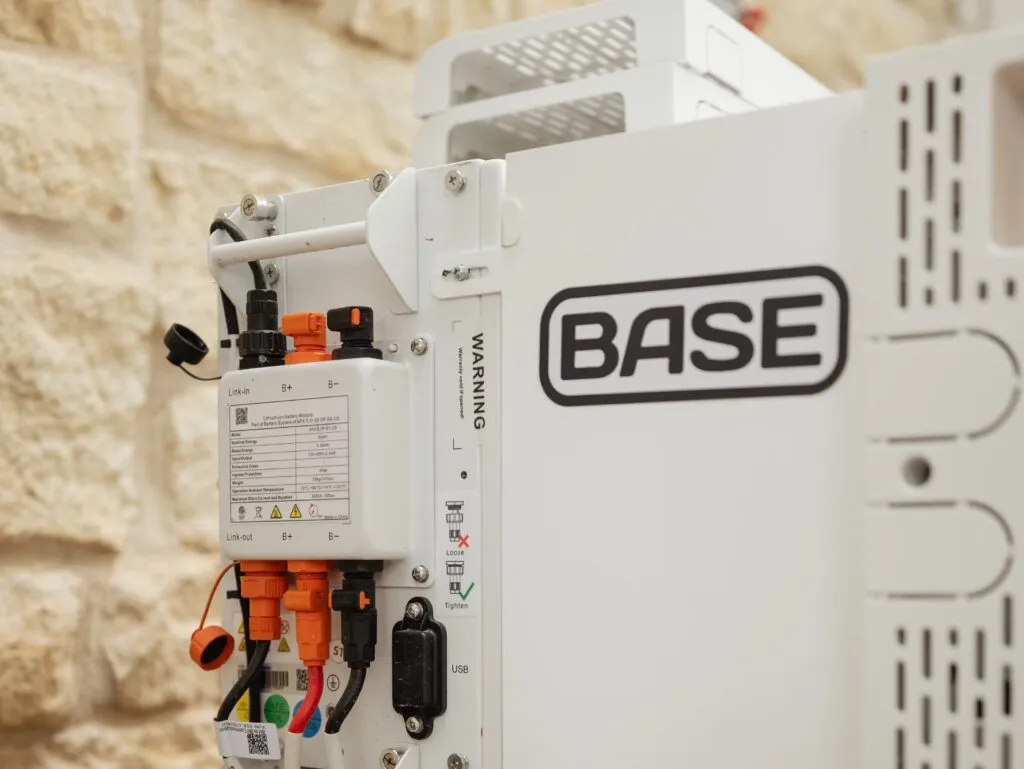
Instead of buying land next to the grid, the company puts the battery at the customer's house and then sells...
This site uses cookies - is that okay? Learn more
Be the first to know when Metla launches something new
Leave your email and we will write when there is a new guide or something new on Metla.