Half His Welfare Money Just to Keep It: Prilep Official Took 18,000 Denars in Bribes
26.07.2026


26.07.2026

26.07.2026

26.07.2026
26.07.2026
26.07.2026

26.07.2026

26.07.2026

25.07.2026

25.07.2026

26.07.2026

26.07.2026

25.07.2026

26.07.2026

25.07.2026

24.07.2026

26.07.2026

26.07.2026

26.07.2026

09.03.2026

27.02.2026

19.02.2026

23.04.2026

23.04.2026

12.04.2026

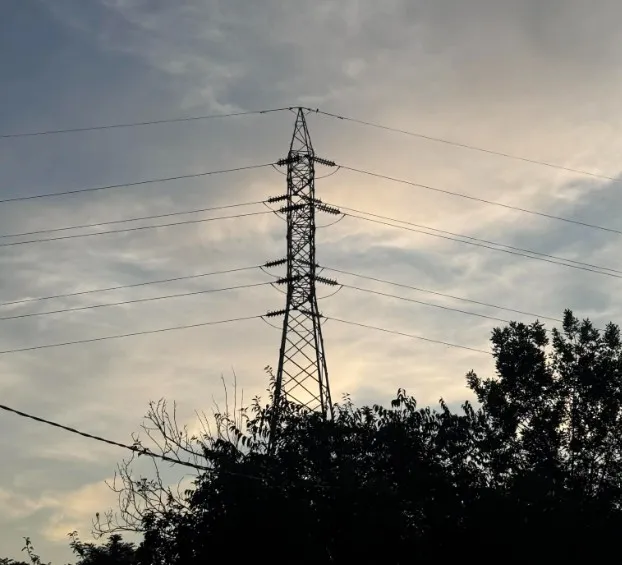
In May, domestic electricity generation covered 96.5 percent of the country's total consumption. Imports fell by almost 20 percent compared with the same month last year, and exports rose. This is a figure we rarely see, and it is worth looking at what sits behind it.
According to the State Statistical Office, gross electricity generation in May was 462,653 megawatt-hours, against gross domestic consumption of 479,603 megawatt-hours. Imports came down to 87,978 megawatt-hours, while exports reached 71,028 megawatt-hours.
Where the electricity comes from
The generation mix is the most interesting part. Thermal power plants still lead with 146,647 megawatt-hours, but right behind them are solar plants with 143,419 megawatt-hours and hydro plants with 138,015 megawatt-hours. The gap between coal and sun in May is only around three thousand megawatt-hours. Wind farms produced 31,435 megawatt-hours, an increase of more than 50 percent on the same month last year.
That means renewables together - sun, water and wind - produced more than double what the thermal plants did. A few years ago that sentence could not have appeared in a Macedonian energy report.
Mind the month
May is the most favourable month possible for these statistics: long sunny days, reservoirs full after the spring waters, and the heating season over. The January balance looks very different, and anyone who follows the energy sector knows it. So 96.5 percent is an excellent result, but it is not the annual picture - it is the best frame in the film.
The other figures confirm this. Coal consumption was 264,997 tonnes, of which 99.9 percent went into electricity generation. So coal has not vanished, it just played a smaller role in May. Natural gas consumption rose 4.8 percent to 4.463 million normal cubic metres, which the statistics attribute to heating plants operating that were not active in the same period last year. Consumption of petroleum products fell 8.5 percent to 78,468 tonnes. Households used 222,061 megawatt-hours, more than last year but less than in April.
The conclusion is cautiously positive. Lower imports mean less exposure to prices on the regional exchanges, and a bigger share for sun and wind means the investments are starting to show up in the numbers rather than only in announcements. The real test comes this winter, when the sun is at its shortest and consumption at its highest. That is when we will see whether 96.5 percent was the start of a trend or a nice day in May.
The latest 10 news from this category
Two minimum wages together fall 16,651 denars short of the calculated minimum for a family of four. The median wage...

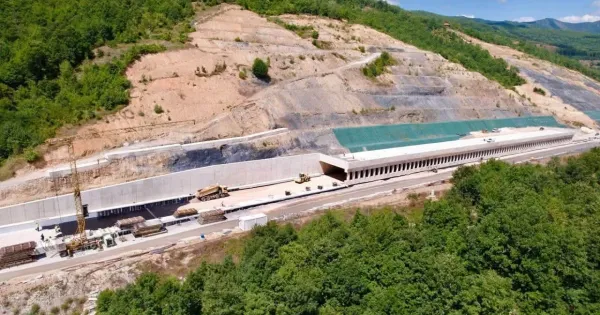
Three official sources give three different figures for the galleries, and a six-kilometre discrepancy in the mileage went unexplained.
Six hundred people are going home, and the co-founder writes it was not about replacing them with AI. The market,...

Contracts worth up to 50 million, projections of 75 million - and small print in which the company itself writes...

Thirty sign-ups, a waiting list and 2,000 likes on one library's post. This is not a protest against technology -...
In May, Macedonia produced almost as much electricity as it consumed. A success? Partly. Because our energy independence still hangs...
The project that was for years a synonym for stalling is finally showing its end. But „soon“ and „the end...
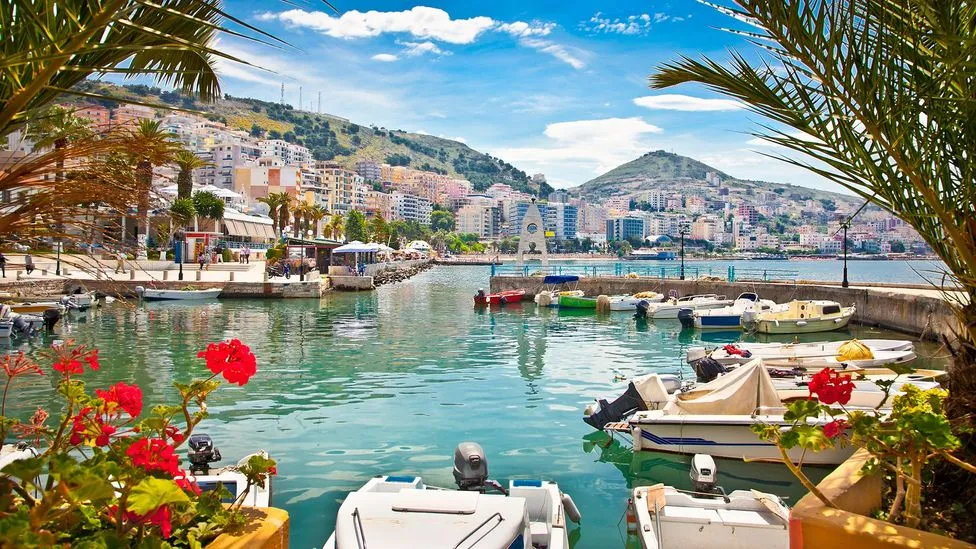
The neighbour to the southwest is becoming an ever more powerful summer destination. But the ministry admits - the numbers...
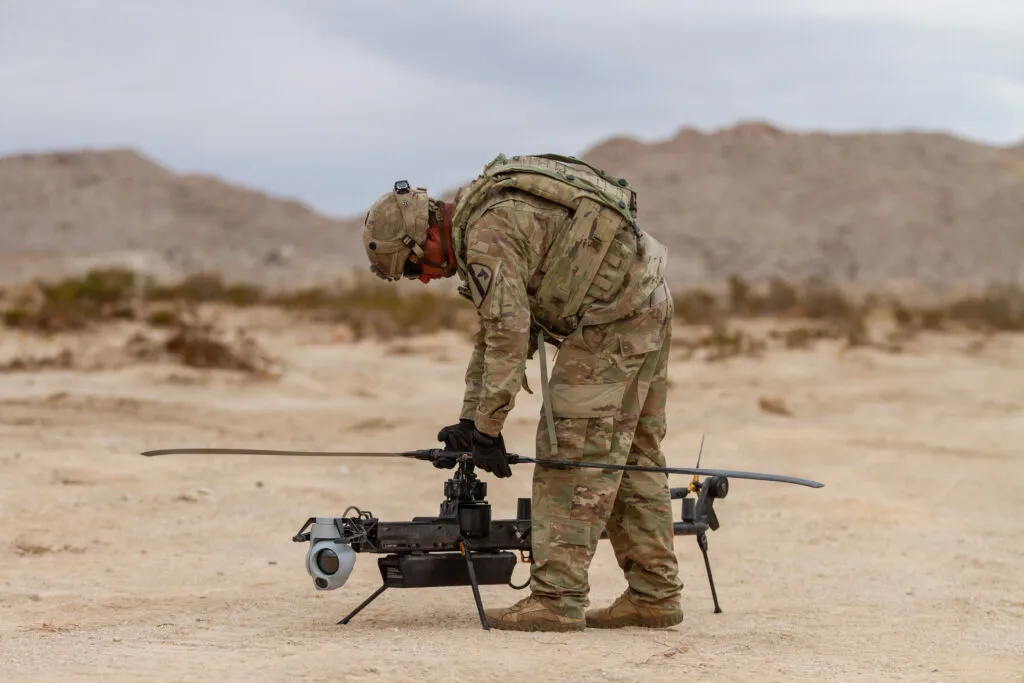
Revenues of 2.2 billion, a valuation of 100. The gap is filled by a single belief - that war is...
Smaller, faster, less restricted - and sold as a step forward. But the more helpful the machine, the more it...
This site uses cookies - is that okay? Learn more