
Three of Four Sensors Were Dead: Skopje's Vodno Cable Car Ran Fifteen Years Without a Real Service
17.09.2026


17.09.2026

17.09.2026

17.09.2026

17.09.2026

17.09.2026

17.09.2026

17.09.2026

16.09.2026

15.09.2026

17.09.2026

17.09.2026
16.09.2026
17.09.2026

17.09.2026

17.09.2026

17.09.2026

16.09.2026

15.09.2026

17.09.2026

17.09.2026

17.09.2026

17.09.2026

17.09.2026

17.09.2026

09.03.2026

27.02.2026

19.02.2026

23.04.2026

23.04.2026

12.04.2026

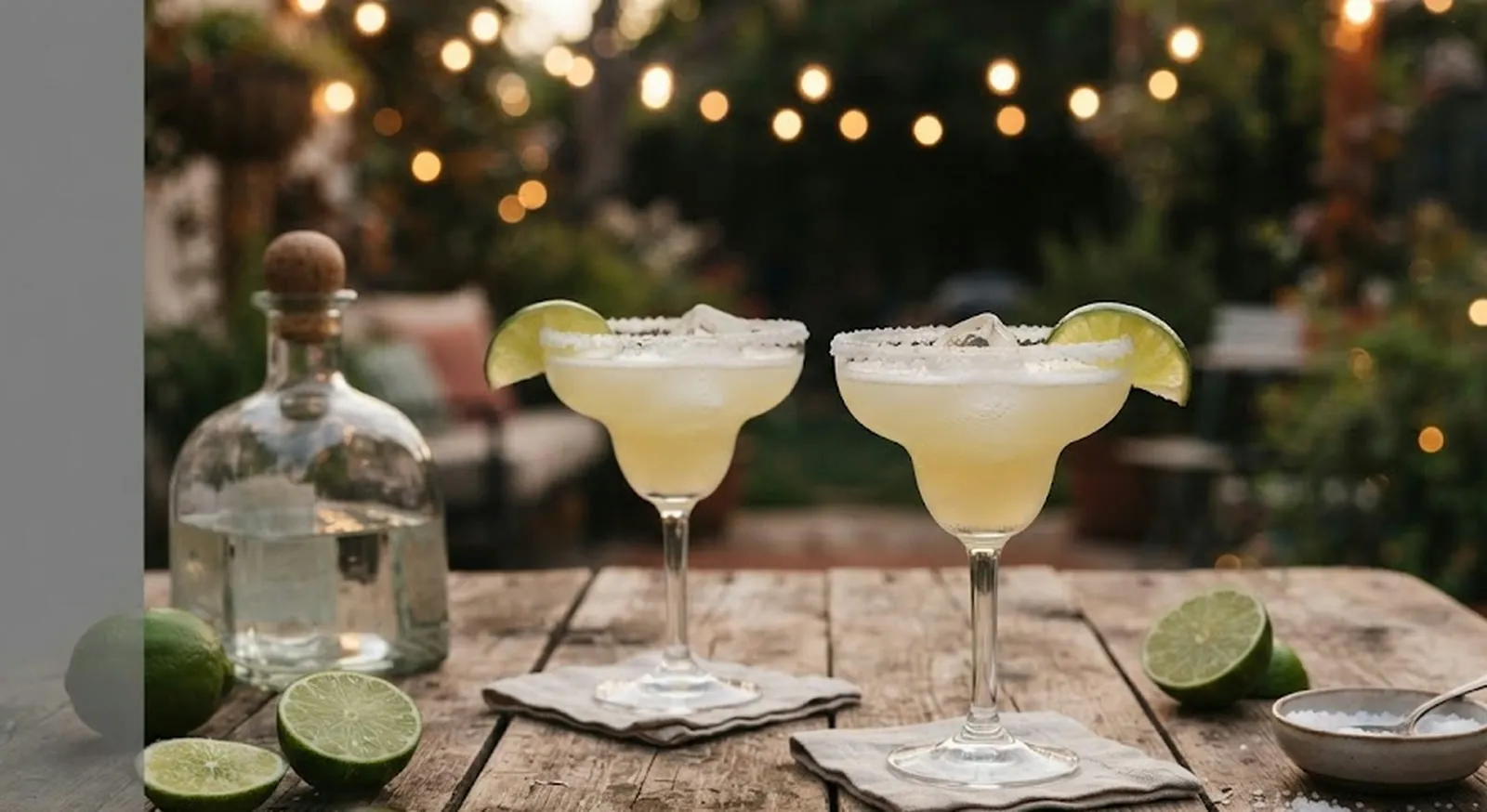
Tequila is one of those drinks everyone thinks they know everything about, when in fact they know only one thing - that the next morning is rough. Usually that is not the drink's fault, but the fault of a choice made in a shop for three euros.
Tequila is produced exclusively from blue agave and only in specific regions of Mexico, mainly Jalisco, with protected origin. Its history begins long before the Spanish arrived - the peoples of Mesoamerica fermented agave sap to make pulque, and the colonists brought distillation in the 16th century.
The four types that make the difference
By ageing, there are four categories. Blanco is the youngest and is bottled immediately after distillation. Reposado spends at least two months in oak barrels. Anejo ages from one to three years and has a more complex flavour. Extra anejo matures for over three years and has the richest aroma.
The two marks separating good bottles from bad ones are written straight on the label: the "100% agave" designation and the number identifying the distillery. A quality tequila does not smell purely of alcohol - it has herbal, citrus, fruity or vanilla-woody notes, and the taste is soft, not sharp. If it burns your throat, that is not character. It is a defect.
Eight cocktails for a hot evening
The classic margarita remains the basis of everything - tequila, triple sec and lime juice, with salt on the rim. Tequila sunrise was invented in Phoenix, Arizona, and owes its graded colours to the order in which it is poured, not to any mystery.
The summer part of the list is richer: a watermelon and tequila cocktail, the "guacamolita" with avocado as a variation on the margarita, the "el dorado" with lime juice, coconut and passion fruit pulp, a cocktail with pomegranate, melon and blood orange, plus a margarita with cherimoya.
The eighth is the paloma, the other classic from Jalisco and most often what Mexicans actually drink when nobody is watching.
Here the margarita usually turns up in somebody's yard with the fridge open and a supermarket bottle on the table. The difference between that version and what the bartenders describe is not the price of the venue - it is what the label says and how fresh the lime juice is.
The latest 10 news from this category
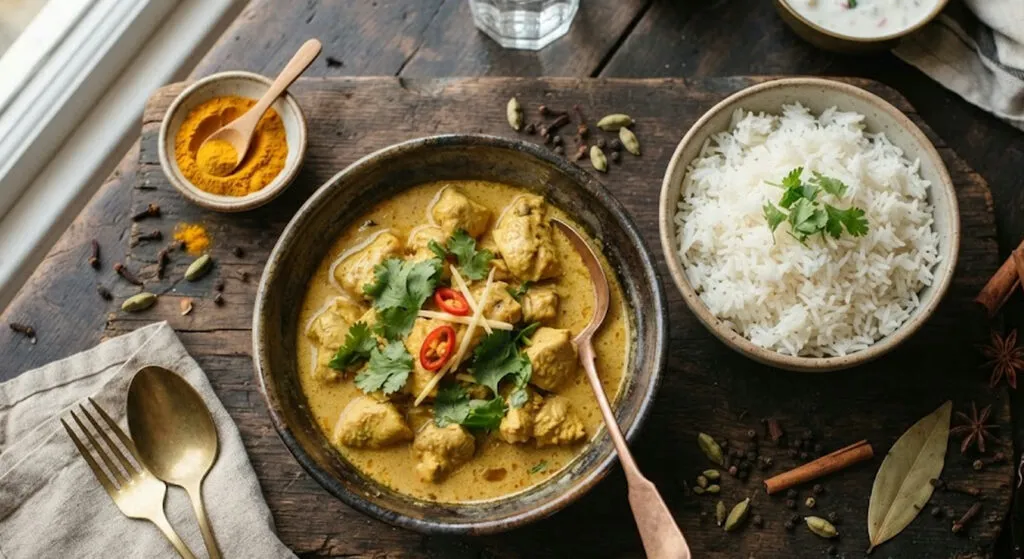
Home-made chicken curry fails at the same point for everyone. The difference is made by one step that has nothing...
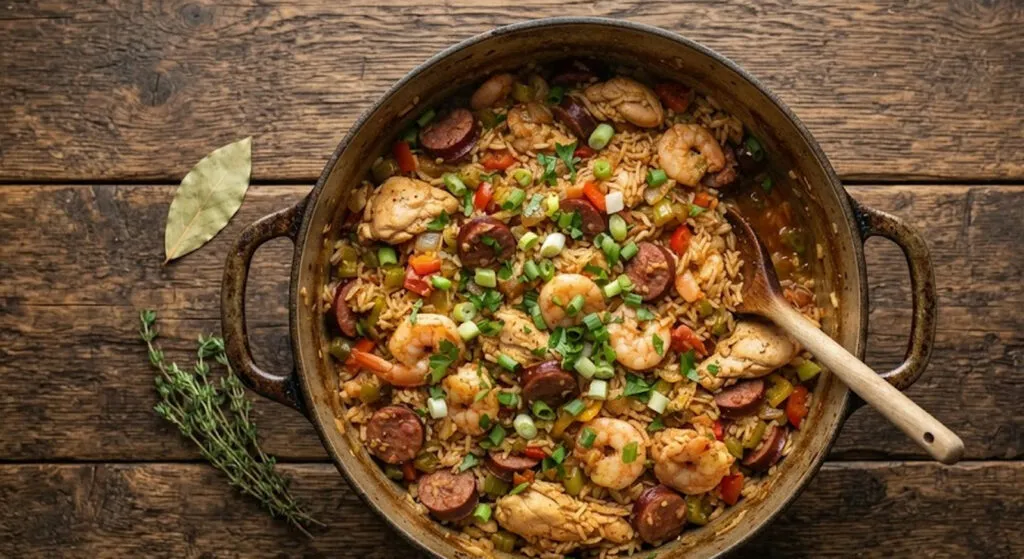
Jose Andres has lived in America for over thirty years, and when asked for his favourite American dish he named...
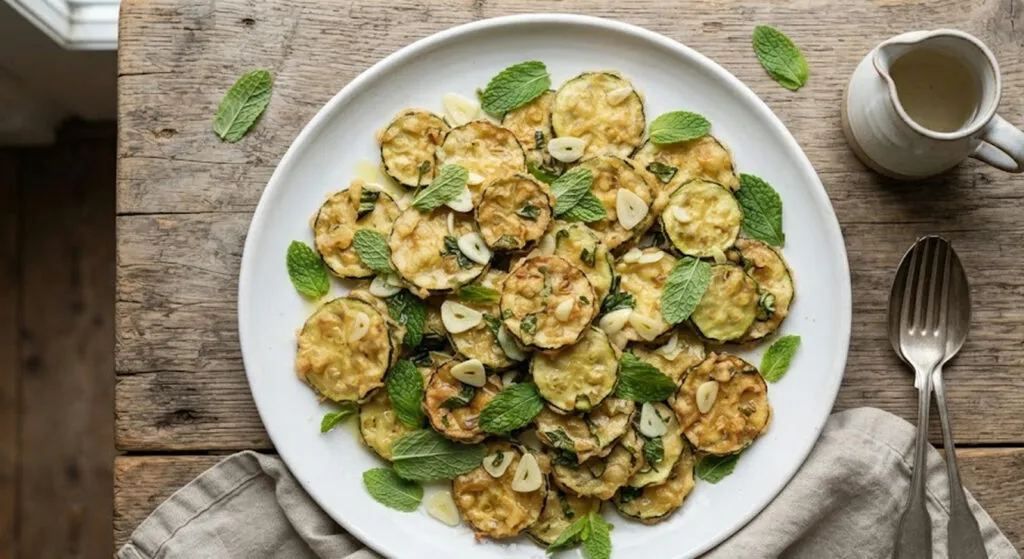
A kilo of courgettes, mint, garlic and eighty millilitres of vinegar. Not one expensive ingredient - and the water you...
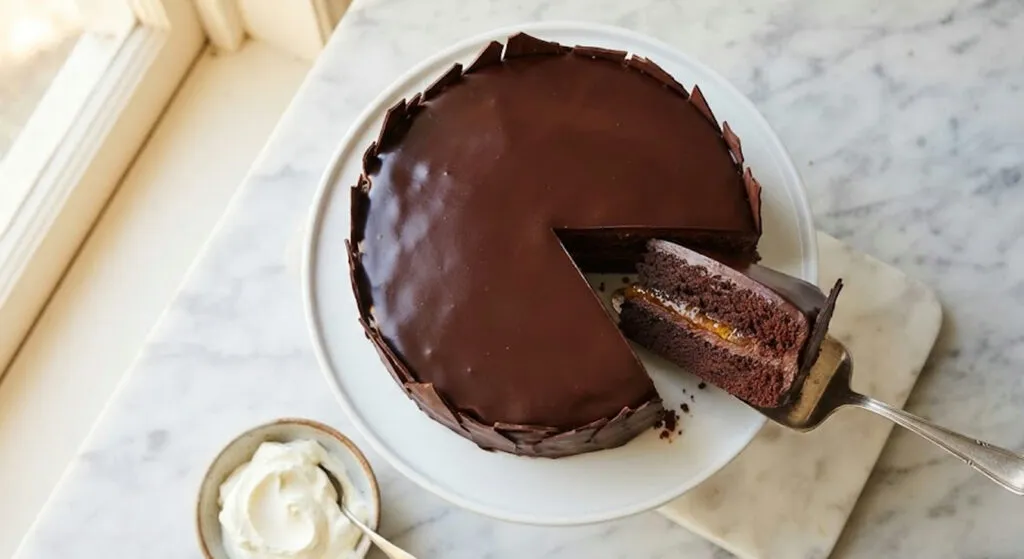
Whoever beat all the eggs together made a different cake. And the glaze must not pass 45 degrees, or the...
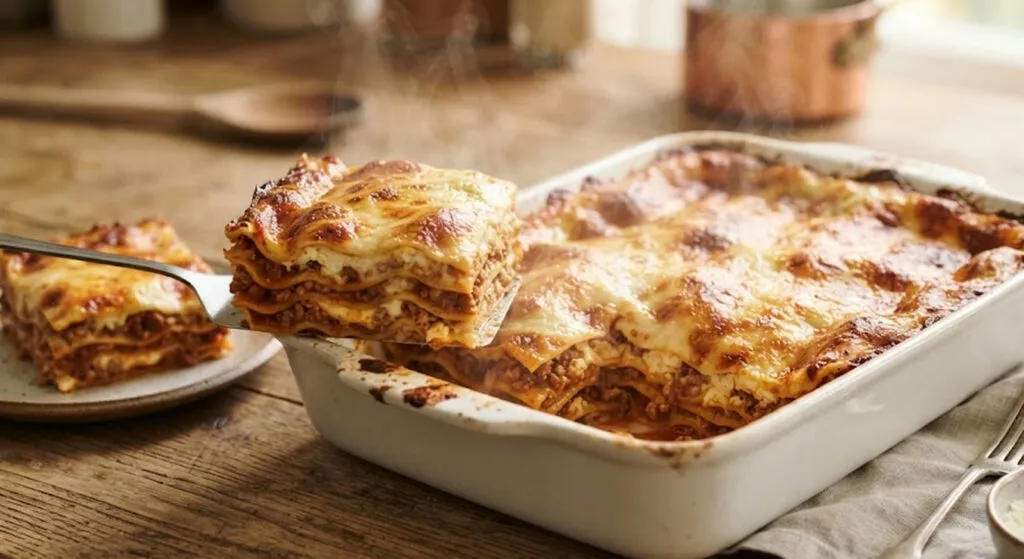
One rule applies to all three and it is the one most often skipped. It is not a recommendation to...
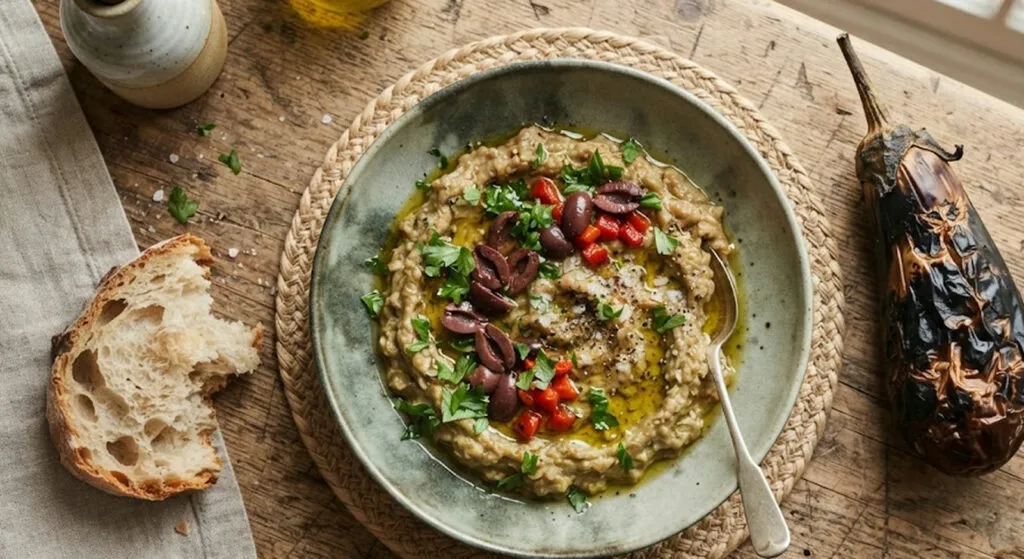
One single ingredient separates melitzanosalata from mutabal - tahini. Three aubergines, one clove of garlic, and an oven at 220...

The chicken ends up in the pan anyway. The salad that was sitting half a metre away does not.
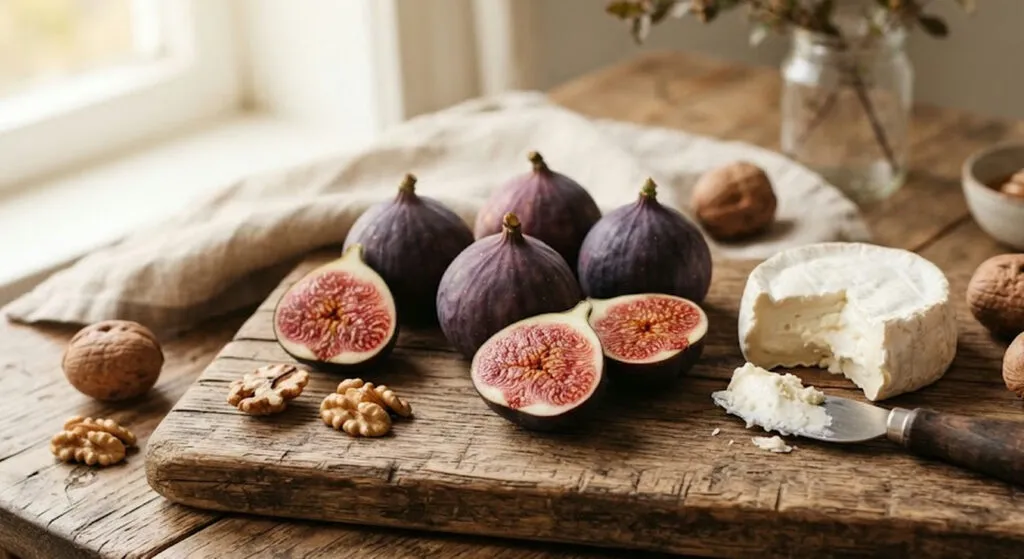
This year the season started as early as August because of the heat. From breakfast to pizza - everywhere a...
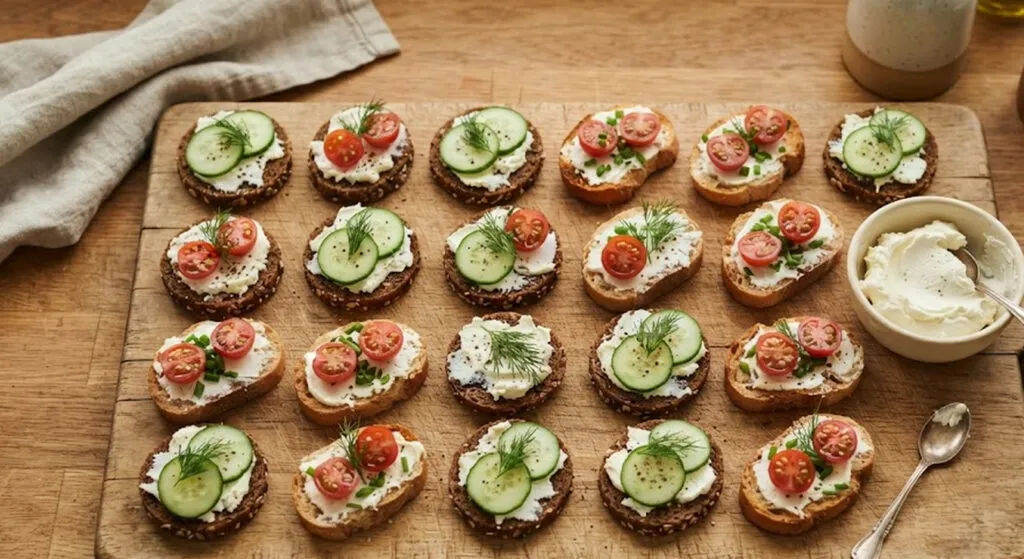
The recipe is not hard, the temperature is wrong. Ten cream cheese canapés and the two rules without which none...
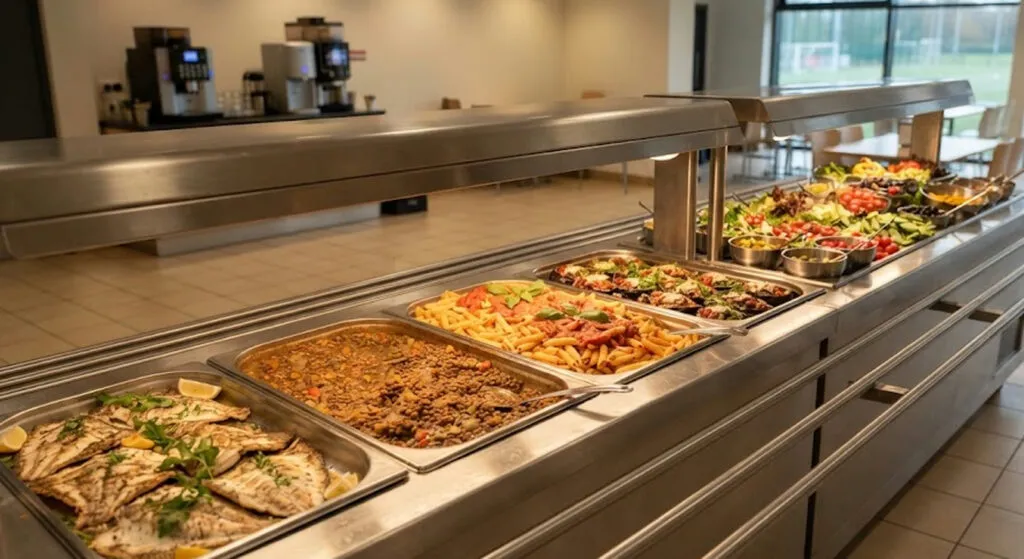
The image of boiled chicken breast is wrong. The indulgence is planned, not broken.
This site uses cookies - is that okay? Learn more
Be the first to know when Metla launches something new
Leave your email and we will write when there is a new guide or something new on Metla.