
Six Years of Fake Licence Categories Issued From an Interior Ministry Desk: Six Charged, 21 More Under Investigation
21.09.2026


21.09.2026

21.09.2026

21.09.2026

21.09.2026

21.09.2026

21.09.2026

21.09.2026

20.09.2026
20.09.2026

21.09.2026

21.09.2026

20.09.2026
21.09.2026
21.09.2026
21.09.2026

21.09.2026

20.09.2026
19.09.2026

21.09.2026

21.09.2026
21.09.2026

21.09.2026

21.09.2026

21.09.2026

09.03.2026

27.02.2026

19.02.2026

21.09.2026

21.09.2026

20.09.2026

23.04.2026

23.04.2026

12.04.2026

When a queen wears seventeen dresses, twenty bags and "numerous" suits from the same brand, that is no longer taste - it is policy. Spain's Queen Letizia visited the Adolfo Domínguez factory in Ourense in July, in the year the Galician house turns fifty. Tiziana Domínguez, design director and granddaughter of the founder, reads it as recognition: "For years the queen has shown a firm commitment to Spanish fashion and to the creative talent of our country. I think she values a way of understanding fashion that is very present here too: timeless design, natural materials, and a defence of the initiatives that preserve the craft, the knowledge and the industry behind every garment." Read: it is no accident that the head of state dresses locally.
The story begins as a men's tailoring shop. "My grandfather was a pattern tailor and my grandmother had a refined eye for choosing fabrics. A perfect match," Tiziana says. Half a century later the brand dresses three generations of women, and its spring-summer 2027 collection, called Croma, opened Madrid Fashion Week on 14 September at the Crystal Palace in Arganzuela. The subject: what colour actually is.
That is not a rhetorical question. Tiziana runs an in-house laboratory called Ágora, where each collection starts from a single premise and three days of intensive work. This time the team sat with colorimetry scientists from the Polytechnic University of Catalonia, then went into a workshop. "We started doing alchemy with Galician pigments, all of us in white lab coats, with thermometers, learning to make colour from scratch, from buckets of water, completely rudimentary," she recounts. After that the designers had a month to translate all of it into cuts.
The result is a mix of nostalgia and laboratory. One print was born from thinking about the collective memory of colour: a macro-print of everyday industrial objects, tennis balls, plastic bags, tones the brain recognises without even seeing the object, like a traffic cone. There is geometric patchwork and sequin embroidery imitating a kaleidoscope, "the first childhood game connected to colour". There are pieces assembled from scarves with magnetic fastenings that transform. And a great deal of denim, treated with inspiration from the early 2000s: "There is a heavy emphasis on denim, particularly straight or banana denim which is to die for, a completely curved silhouette that reads as sculptural."
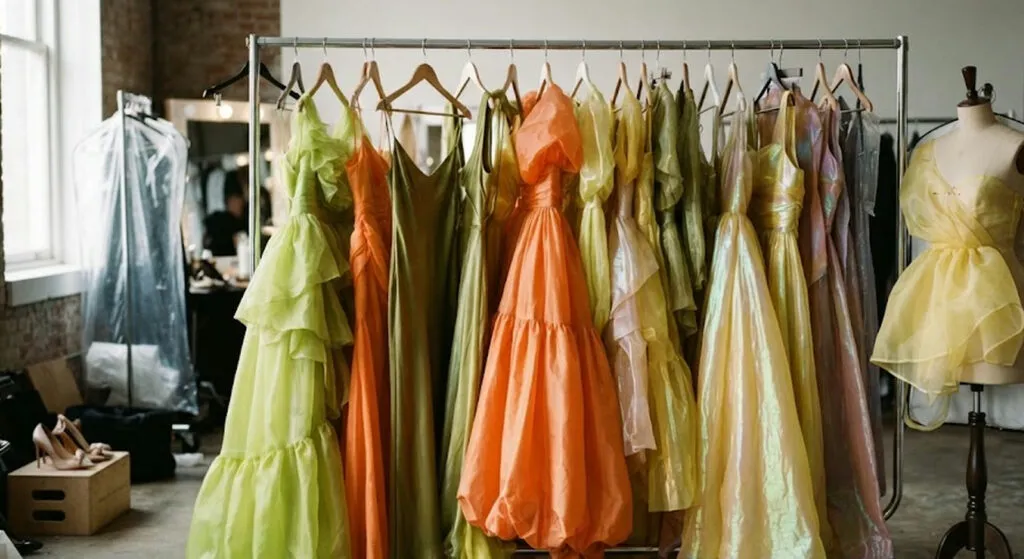
As befits a fiftieth anniversary, Croma also contains a nod to the beginnings: tailoring details with visible construction, in honour of the founders. The materials are light and translucent - organza, taffeta and linen - in a natural palette broken by accents of lime, tangerine, olive, red and yellow.
Tiziana admits beige is the base of her own wardrobe. But she warns: "By making things cheaper and faster, you lose the print, you lose the colour, you lose the creativity." That is the sentence that explains the whole collection, and the whole problem of the industry. Fast fashion is fast because it buys its colour ready-made. Is the reader prepared to pay for colour made from a bucket of water and three days in a lab coat? Madrid Fashion Week says the queen is.
The latest 10 news from this category
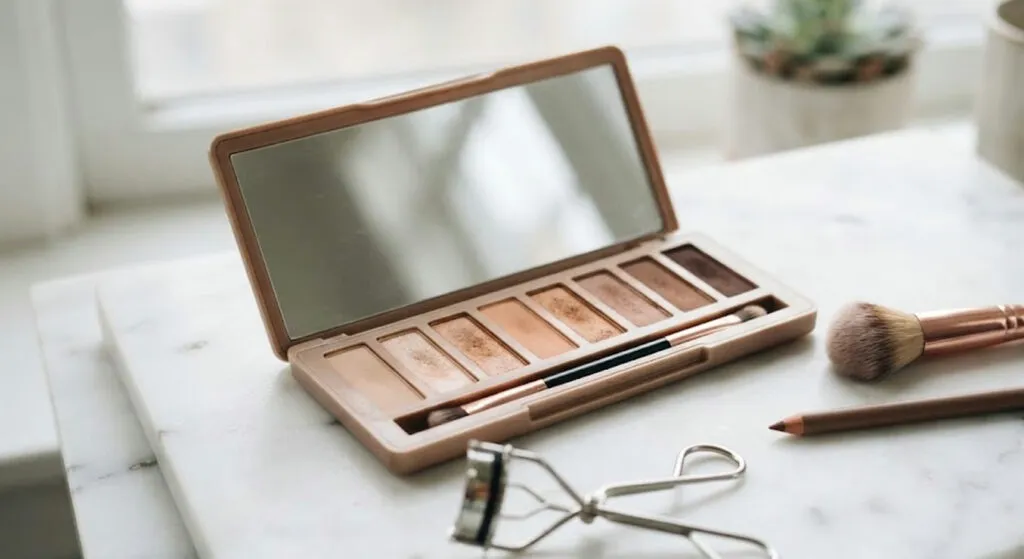
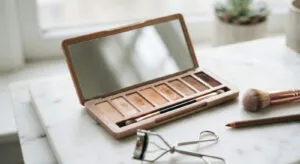
Cream concealer instead of powder, a brown pencil instead of black eyeliner, and a curler before the mascara. Not one...
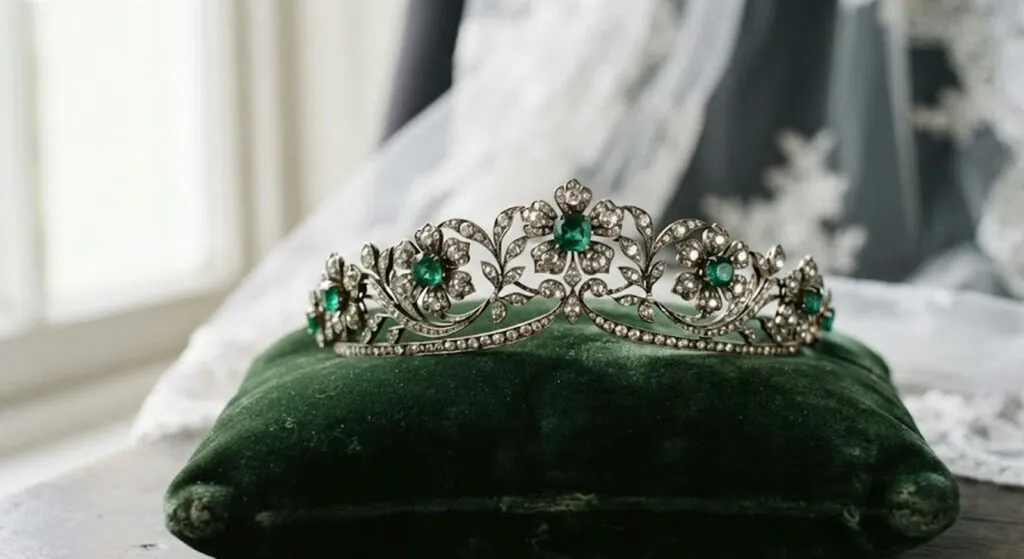
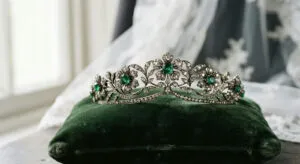
A boat-neck gown and wildflowers that deliberately refuse to compete with the jewellery. A fourth generation under the same diadem,...
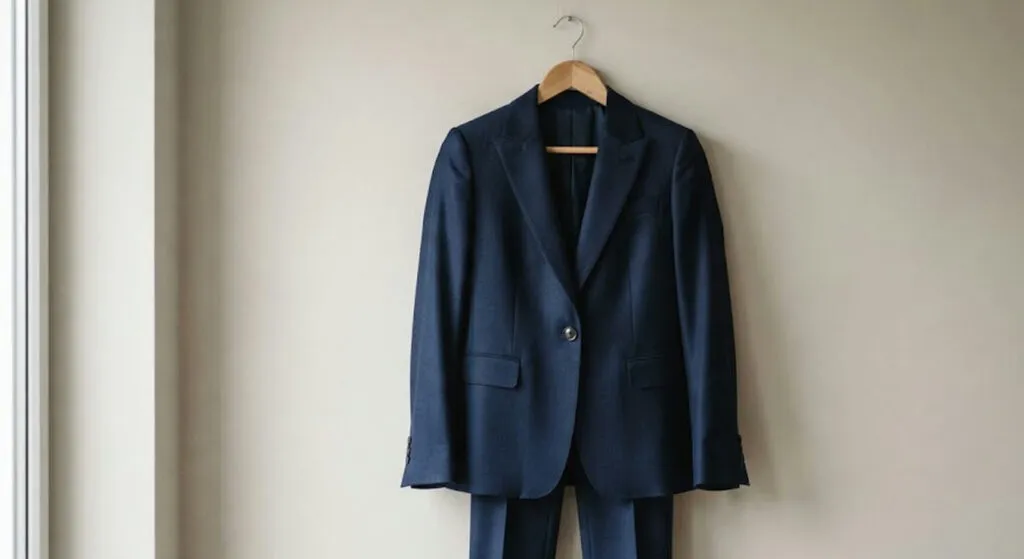
A communications expert says the trouser suit sidesteps sexist readings of hemlines and necklines. The same expert warns that the...
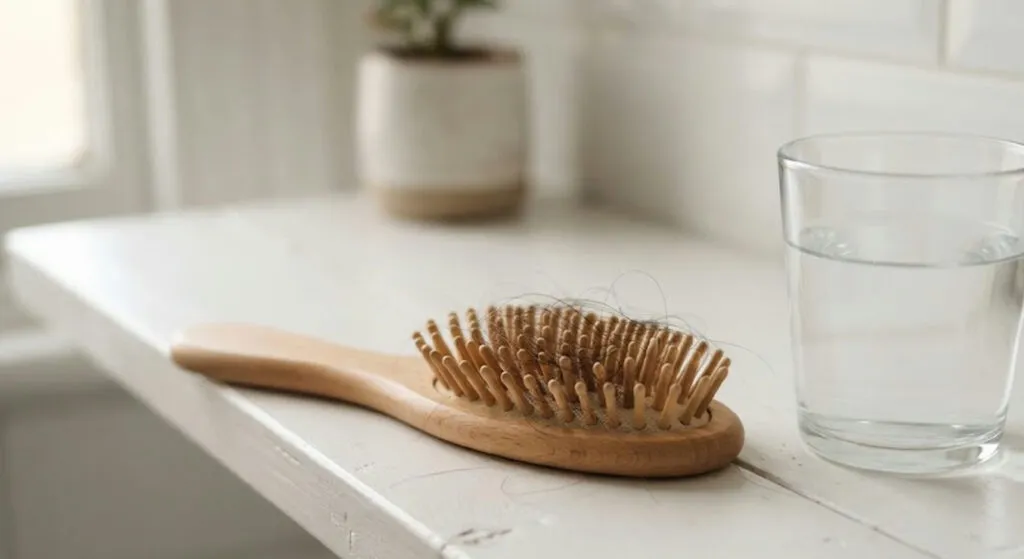
Dermatologists explain why the shedding arrives with a two to three month delay and why iron and vitamins do not...
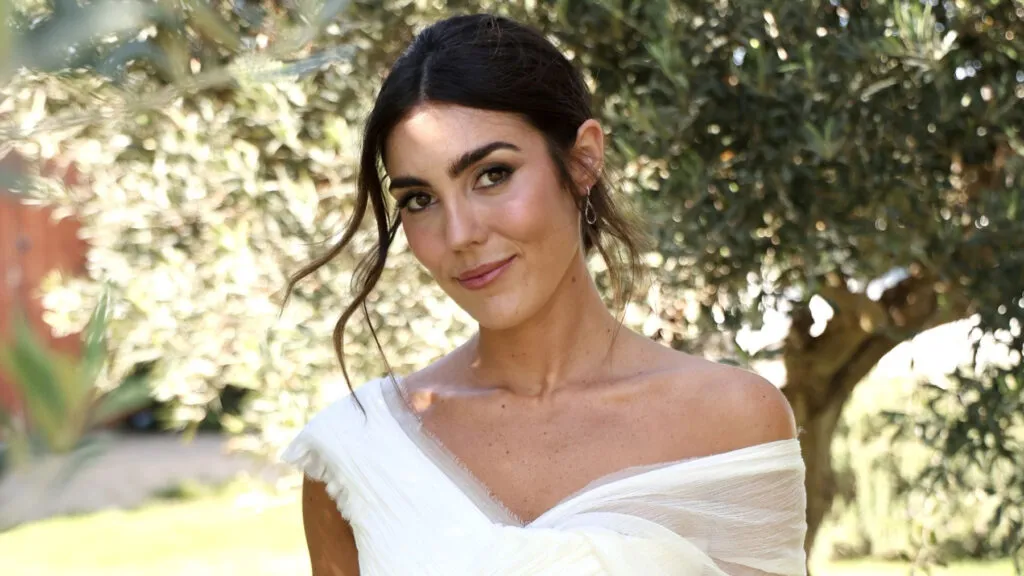
Silk bambula muslin, a hand-draped waist and a veil of crystal organza. The wedding was held in Cadiz, where the...
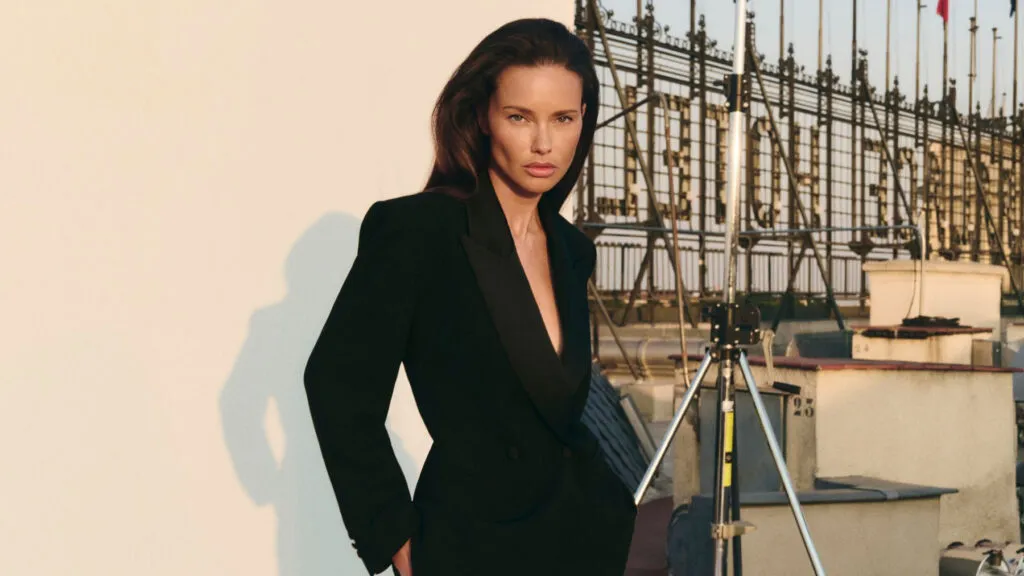
An industry that spent decades selling a flawless illusion is suddenly showing the shoot itself. That is not candour -...

The classic bob promised one perfect day. This version works against the salon business model - and that alone is...
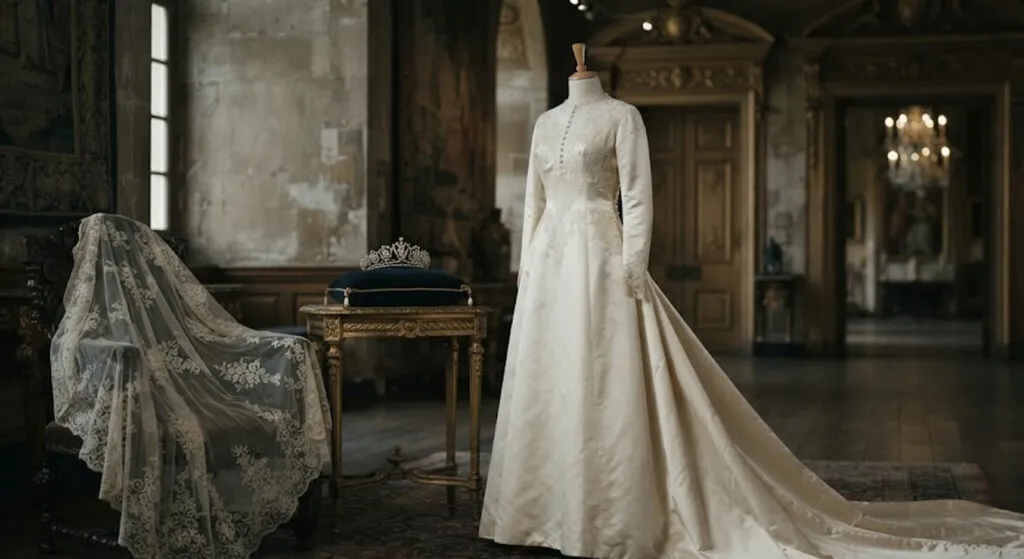
The crowns were held by four men who would all later sit on thrones of their own. Nobody in that...
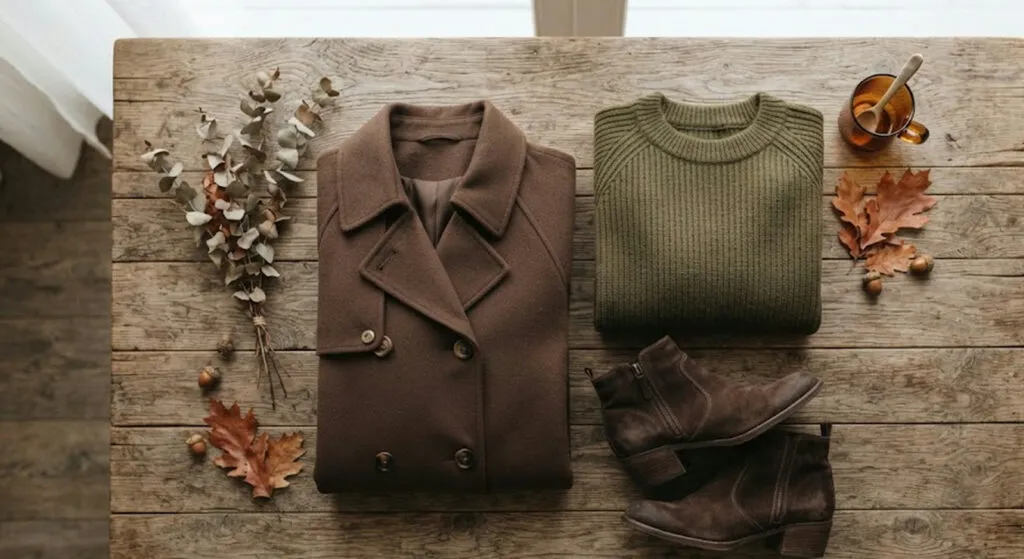
Kate Middleton dropped the beige and the same cut suddenly looked twice as expensive. The industry sells a new silhouette...
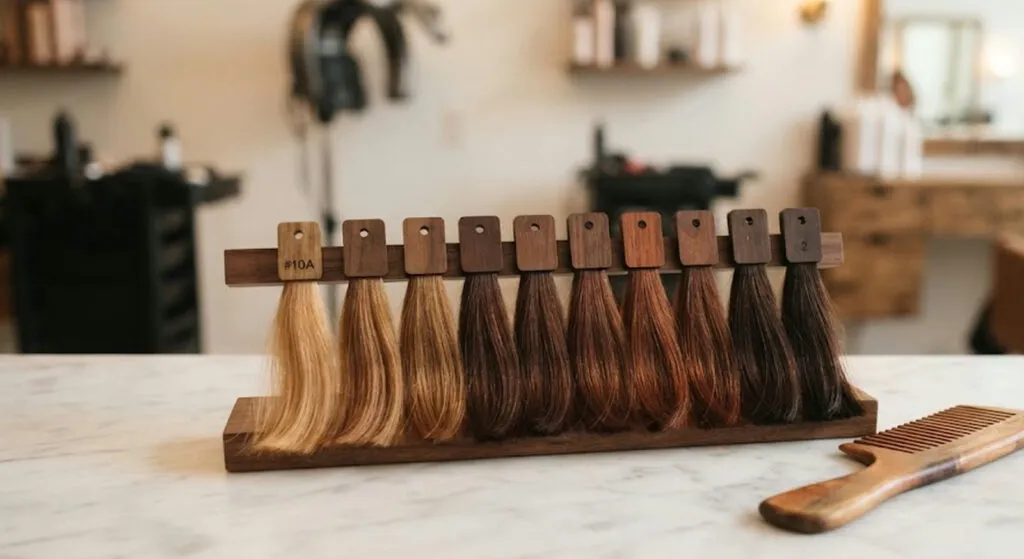
A shade close to your natural one means the regrowth does not draw a line - and that you go...
This site uses cookies - is that okay? Learn more
Be the first to know when Metla launches something new
Leave your email and we will write when there is a new guide or something new on Metla.