
Black Smoke Over Skopje: A Paint and Varnish Warehouse Burned Inside the Old Steelworks
23.09.2026


23.09.2026

23.09.2026
23.09.2026

23.09.2026

23.09.2026
23.09.2026
23.09.2026

22.09.2026

21.09.2026
23.09.2026
23.09.2026

22.09.2026
23.09.2026
23.09.2026
23.09.2026

23.09.2026

22.09.2026

21.09.2026
23.09.2026

23.09.2026
23.09.2026

23.09.2026
23.09.2026

23.09.2026

09.03.2026

27.02.2026

19.02.2026

23.09.2026

22.09.2026

21.09.2026

23.04.2026

23.04.2026

12.04.2026

Hairdresser Manuel Zabaleta calls the side fringe one of the most rewarding cuts there is - it softens features, adds movement and has a subtle lifting effect. The sentence is worth translating: there is a haircut that does part of what others charge for with a needle.
The cut turned up this autumn on Spanish actresses at the big European festivals - Maribel Verdu, Penelope Cruz, Natalia de Molina. What makes it usable is not that somebody wore it on a red carpet, but that it works at any length: midi, long hair, bob, pixie.
Zabaleta describes it as the right choice for anyone who wants a refresh without a radical change, and adds that it works on every hair type - straight hair falls elegantly, wavy and curly give a carefree effect. He calls it a transversal fringe that adapts to any age simply by adjusting the density and length.
Which face shapes benefit most: round and square ones, where the diagonal line visually lengthens the face. On oval and elongated faces it works better with volume and a slightly more off-centre parting. It does not require changing your existing haircut - it fits into it.
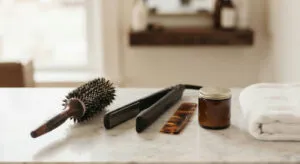
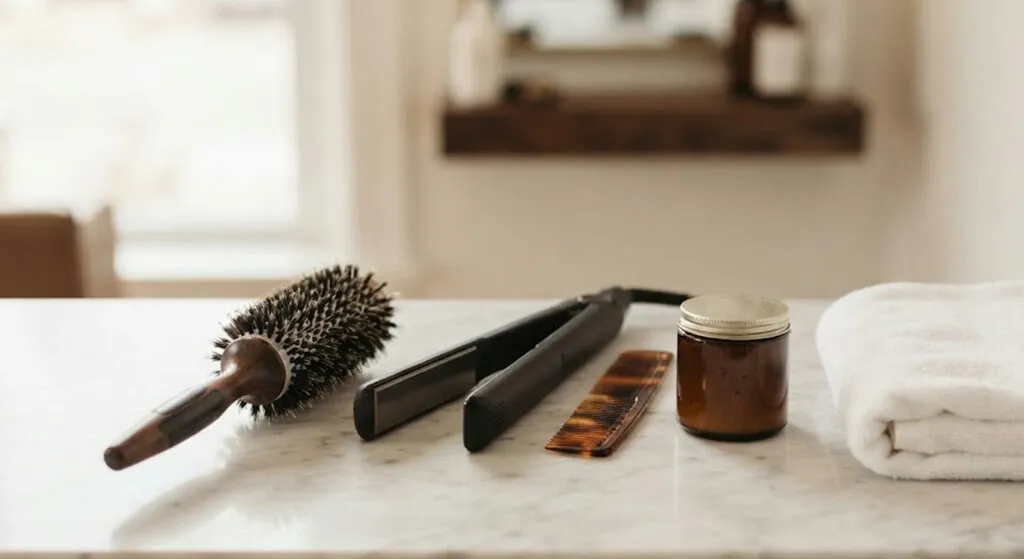
The styling is quick. Blow-dry from the roots with a round brush, directing the air to the opposite side for volume and lift. Then straighteners or a curling iron for a gentle outward bend. Heat protection beforehand, serum or a light spray afterwards against frizz. And for during the day, Zabaleta has the most practical tip: "If it loses its shape, just run a finger through it with a bit of wax or dry spray and it goes straight back into place."
What gets said least is who it is actually made for. Past forty and fifty, the side fringe softens the lines on the forehead and carries attention to the eyes and cheekbones - and that is precisely why it is the most requested thing in salons. The industry sells it as a trend, because "an alternative to a cosmetic treatment at the price of a haircut" does not sound like something you want to print in a catalogue.
The latest 10 news from this category
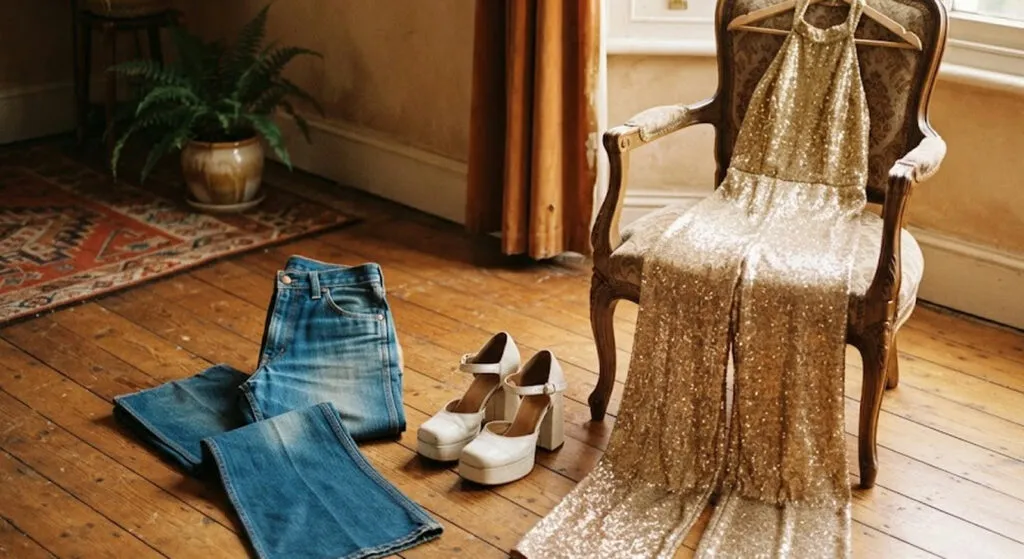
The costume work was done under deadline and budget pressure, and fifty years on it is resold as a fashion...
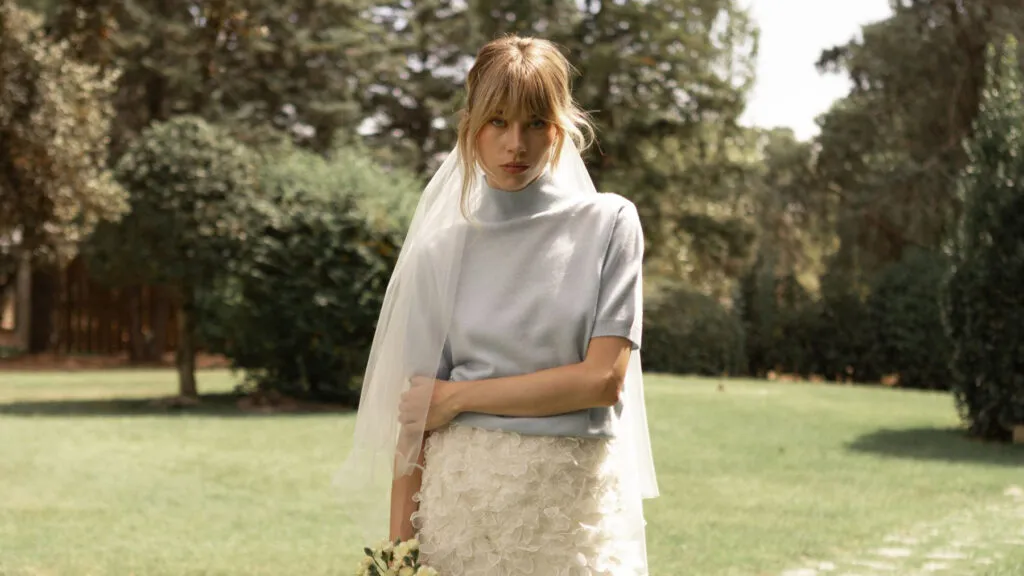
Here the ceremony and the party mean two outfits and two bills. A convertible cut means one dress - and...
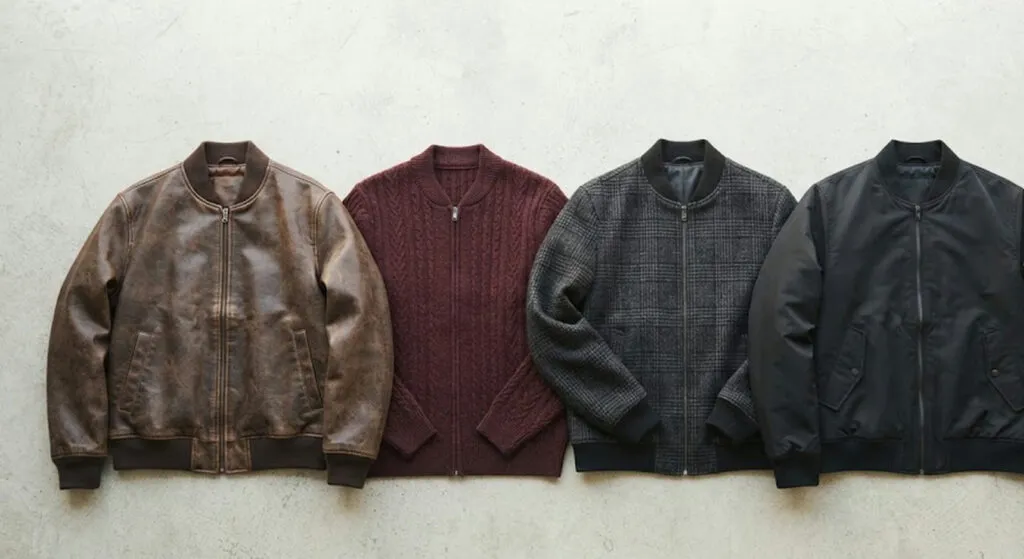
Here, half a wardrobe is bought by calculating how many years it will last. The brown leather one will look...
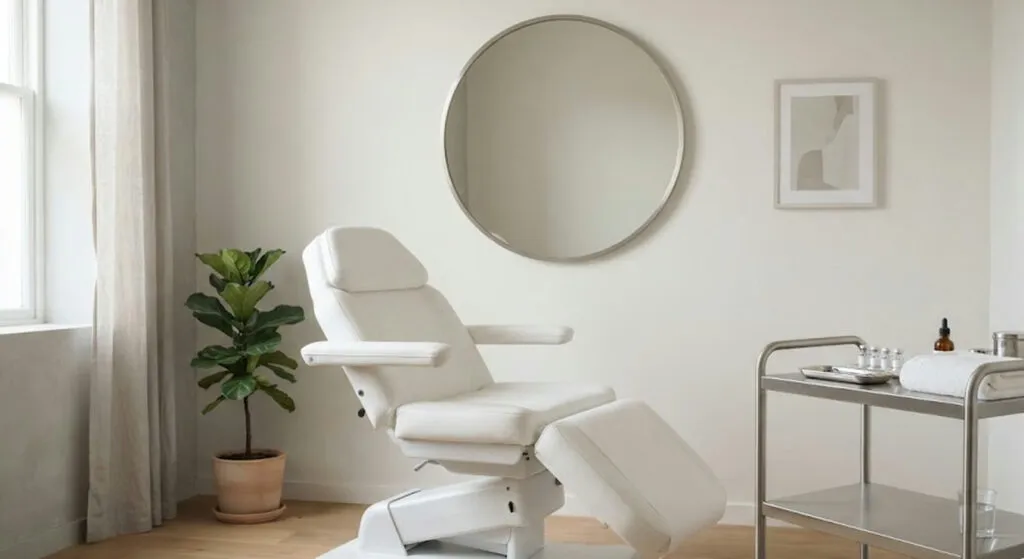
A decade in which aesthetic medicine sold transformation ends with one sentence: they want to look better, not different.
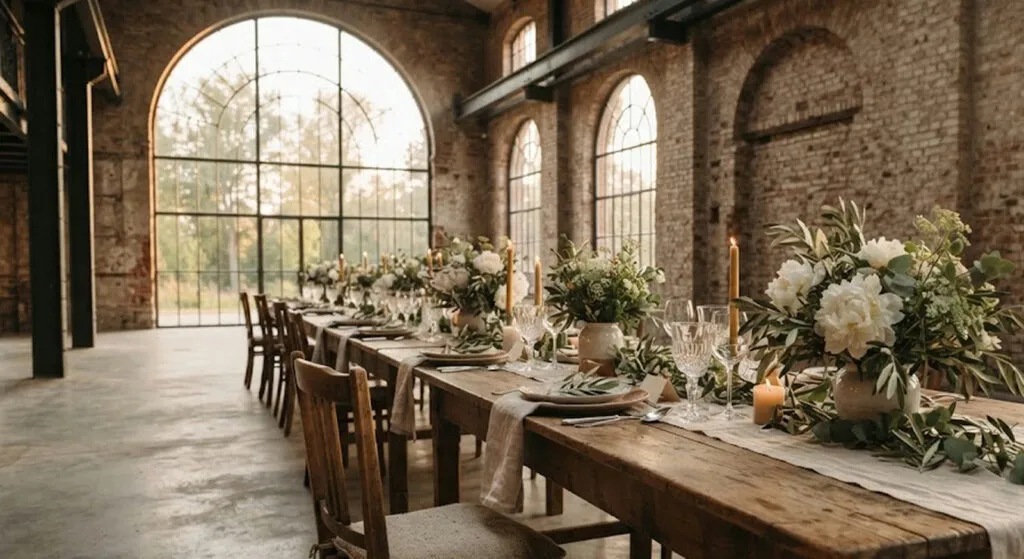
The catering was run by an uncle, the music was played by an uncle. If that sounds familiar, you have...
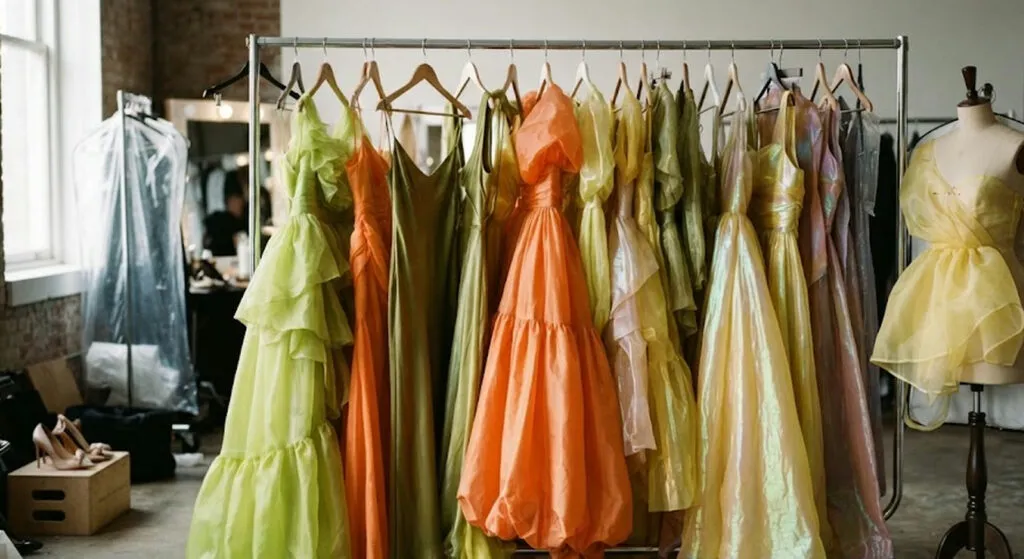
Three days in a lab coat with colorimetry scientists to produce a collection in lime and tangerine. The design director...
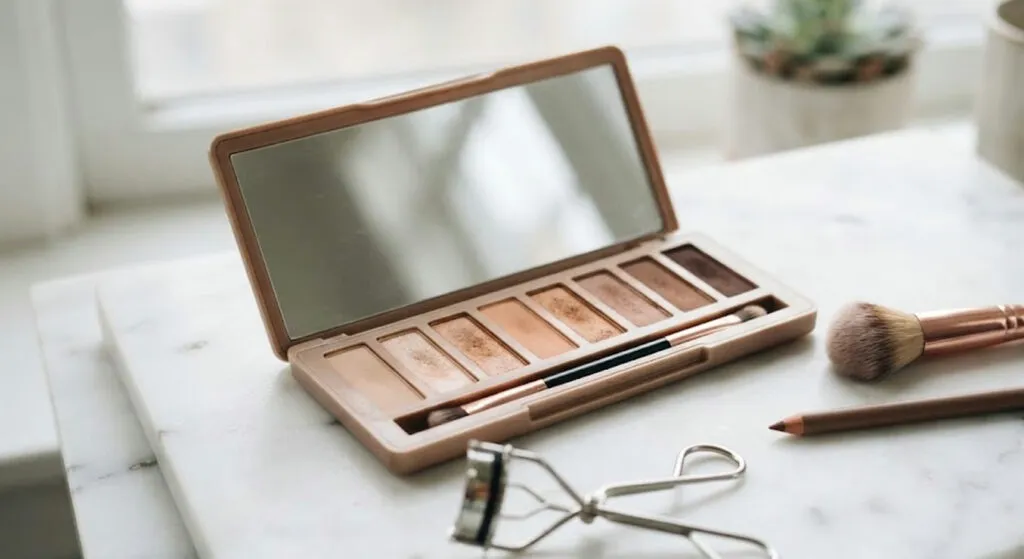
Cream concealer instead of powder, a brown pencil instead of black eyeliner, and a curler before the mascara. Not one...
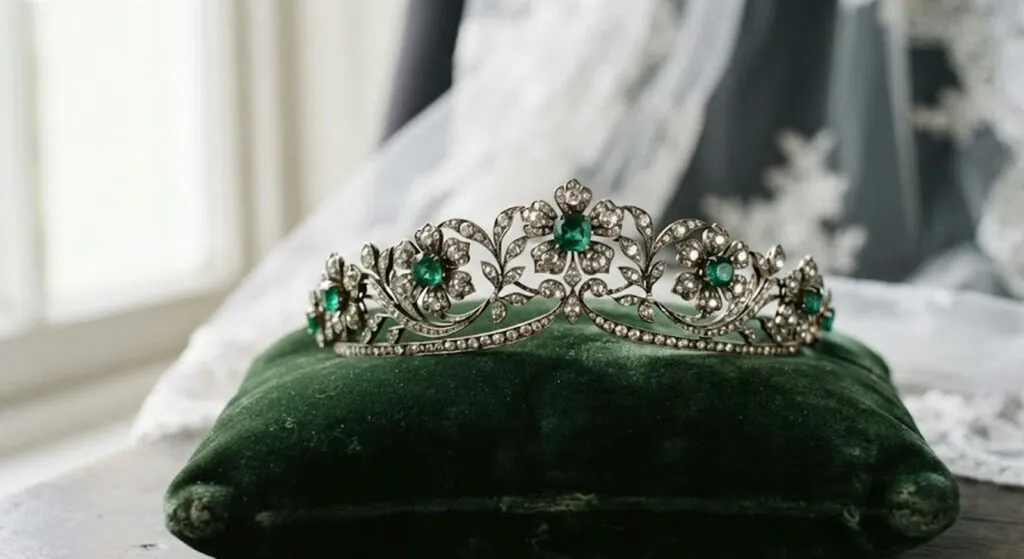
A boat-neck gown and wildflowers that deliberately refuse to compete with the jewellery. A fourth generation under the same diadem,...
A communications expert says the trouser suit sidesteps sexist readings of hemlines and necklines. The same expert warns that the...
Dermatologists explain why the shedding arrives with a two to three month delay and why iron and vitamins do not...
This site uses cookies - is that okay? Learn more
Be the first to know when Metla launches something new
Leave your email and we will write when there is a new guide or something new on Metla.