Black Smoke Over Skopje: A Paint and Varnish Warehouse Burned Inside the Old Steelworks
23.09.2026


23.09.2026
23.09.2026
23.09.2026

23.09.2026

23.09.2026
23.09.2026
23.09.2026

22.09.2026

21.09.2026

23.09.2026

23.09.2026

22.09.2026
23.09.2026
23.09.2026
23.09.2026
23.09.2026

22.09.2026
21.09.2026
23.09.2026
23.09.2026
23.09.2026
23.09.2026
23.09.2026

23.09.2026

09.03.2026

27.02.2026

19.02.2026
23.09.2026
22.09.2026
21.09.2026

23.04.2026

23.04.2026

12.04.2026

22 September marked exactly fifty years since the premiere of "Charlie's Angels". The series ran five seasons on ABC, starting in the autumn of 1976 after a pilot in March. What survives of it is not a single plot - what survives is the clothes.
The costume designer was Nolan Miller, the man who later dressed "Dynasty". He did something rarely done in television production at the time: he used the wardrobe to separate the three characters, instead of dressing them identically as a team. Up to eight costume changes per character, per episode. That is not television, that is a fashion desk with a script.
Sabrina, Kate Jackson's character, wore trousers, turtlenecks and comfortable shirts - practical, almost androgynous. Jackson openly resisted the more feminised dress codes. Jill, Farrah Fawcett's character, was the sporty and sensual version: trainers, California aesthetics, layered volume hair that became one of the most recognisable images of the decade. Kelly, Jaclyn Smith's character, was the most sophisticated part of the trio - from jeans to elegant dresses and gabardine suits.
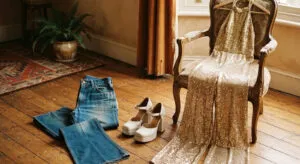
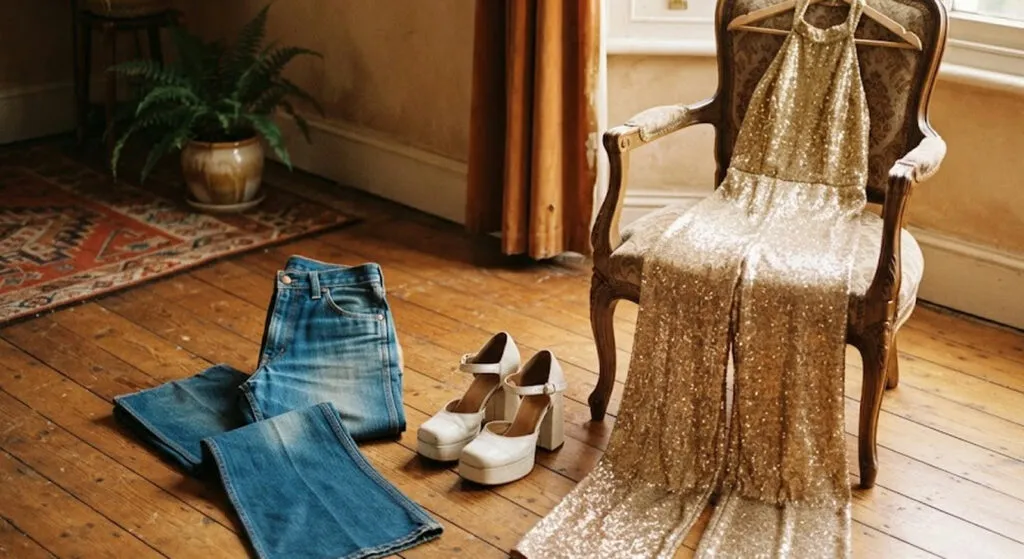
The common denominator was high-waisted, wide-leg jeans, described within the production itself as the real Angel uniform. Plus sequinned jumpsuits, disco pieces, flannel shirts, halter necklines. All of it has returned to shop windows several times since - most recently this season, under the label "seventies".
And here is the thing the industry does not say out loud. This was not fashion somebody designed as a collection - this was television costume work, made under deadline and budget pressure. Fifty years later it is resold as a reference. Which means the camera created the effect, not the runway.
And what survives besides the jeans? A show in which three women solve cases while their boss is a voice on a speaker who never appears. If that looked progressive at the time, it is worth asking how progressive an arrangement is in which the man paying them does not even have to show his face.
The latest 10 news from this category
It works on any length and any hair type, and after forty it softens the lines on the forehead. An...
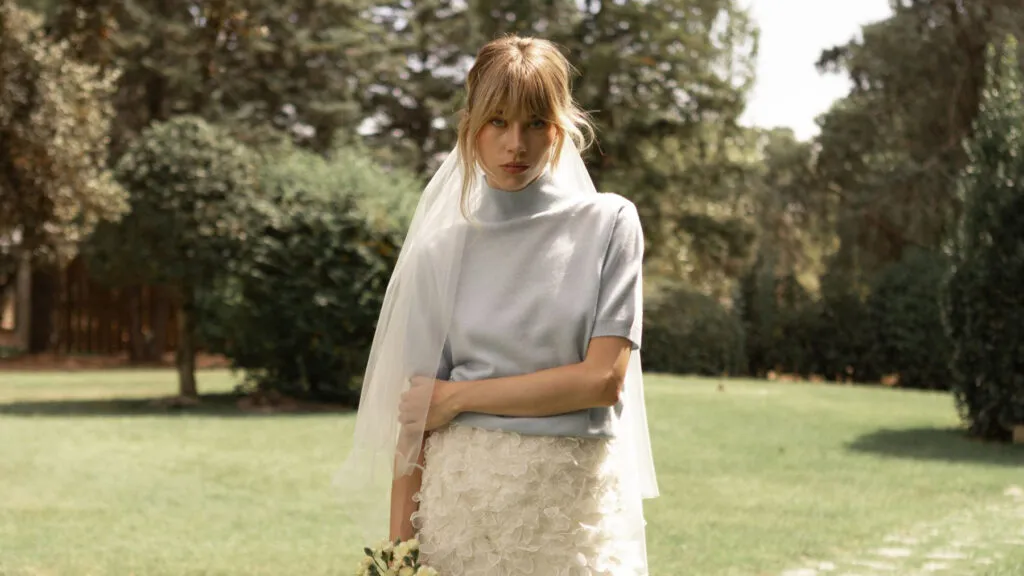
Here the ceremony and the party mean two outfits and two bills. A convertible cut means one dress - and...
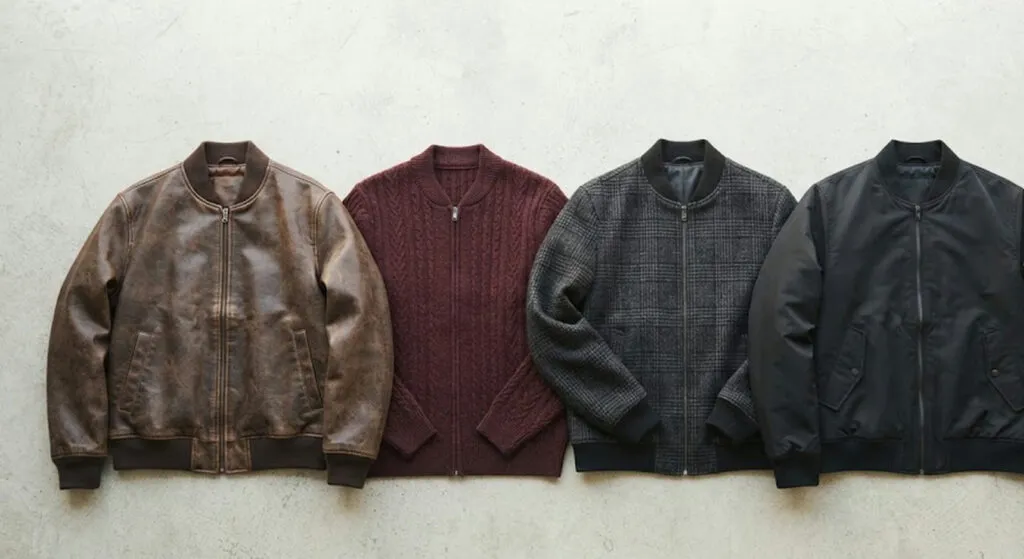
Here, half a wardrobe is bought by calculating how many years it will last. The brown leather one will look...

A decade in which aesthetic medicine sold transformation ends with one sentence: they want to look better, not different.
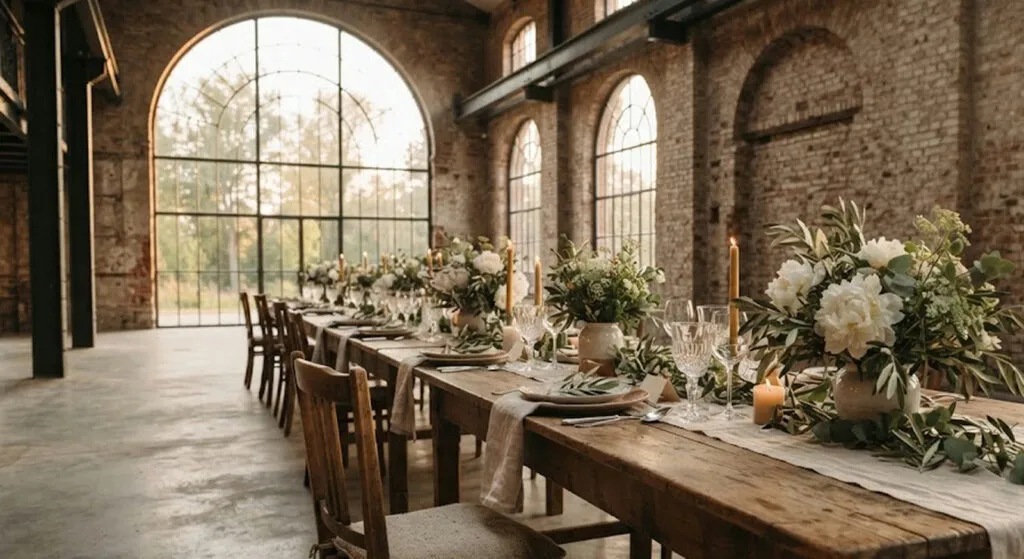
The catering was run by an uncle, the music was played by an uncle. If that sounds familiar, you have...
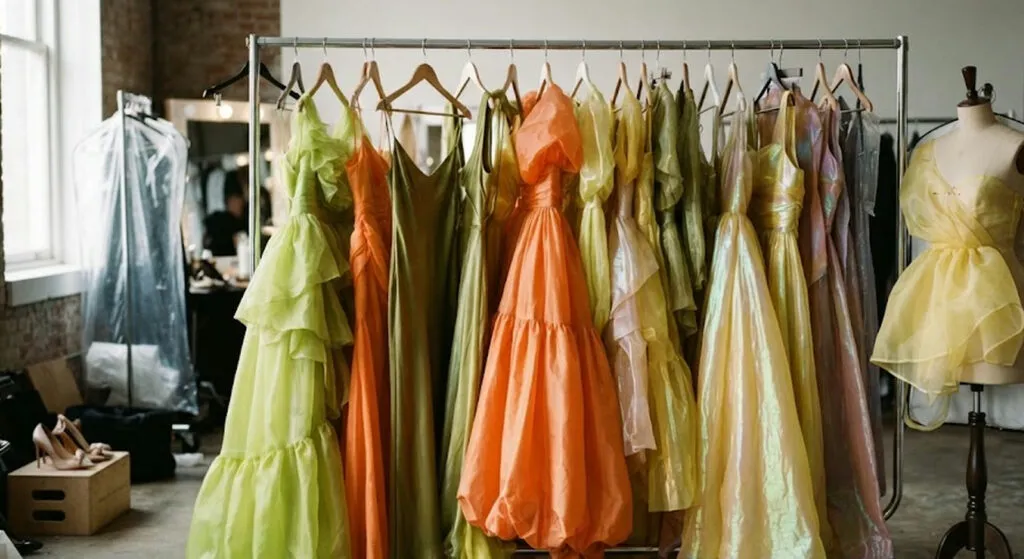
Three days in a lab coat with colorimetry scientists to produce a collection in lime and tangerine. The design director...
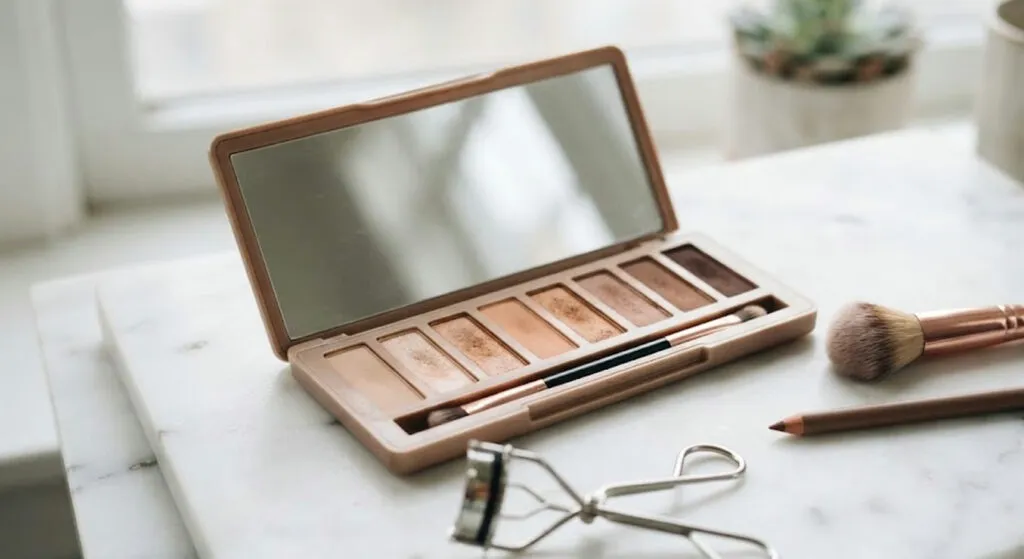
Cream concealer instead of powder, a brown pencil instead of black eyeliner, and a curler before the mascara. Not one...
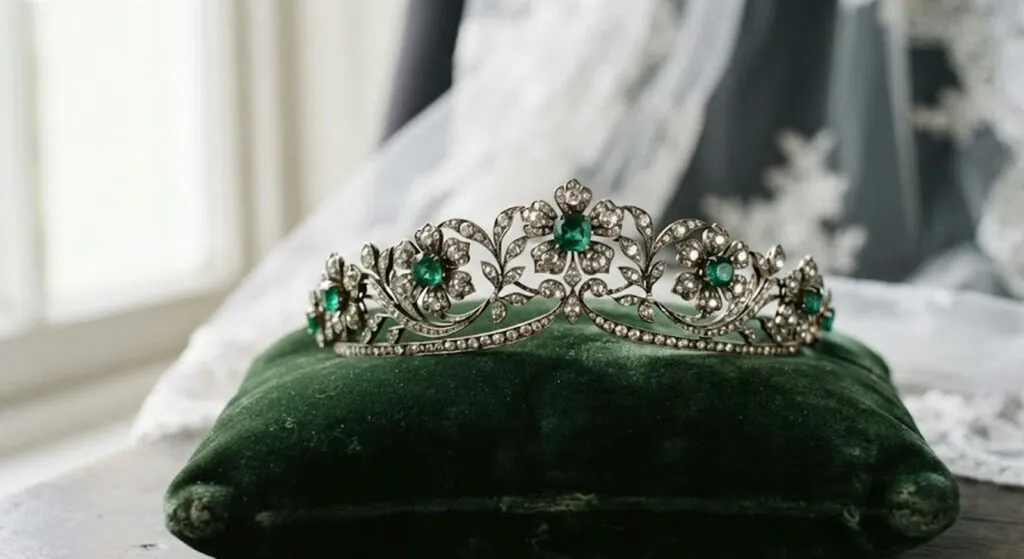
A boat-neck gown and wildflowers that deliberately refuse to compete with the jewellery. A fourth generation under the same diadem,...
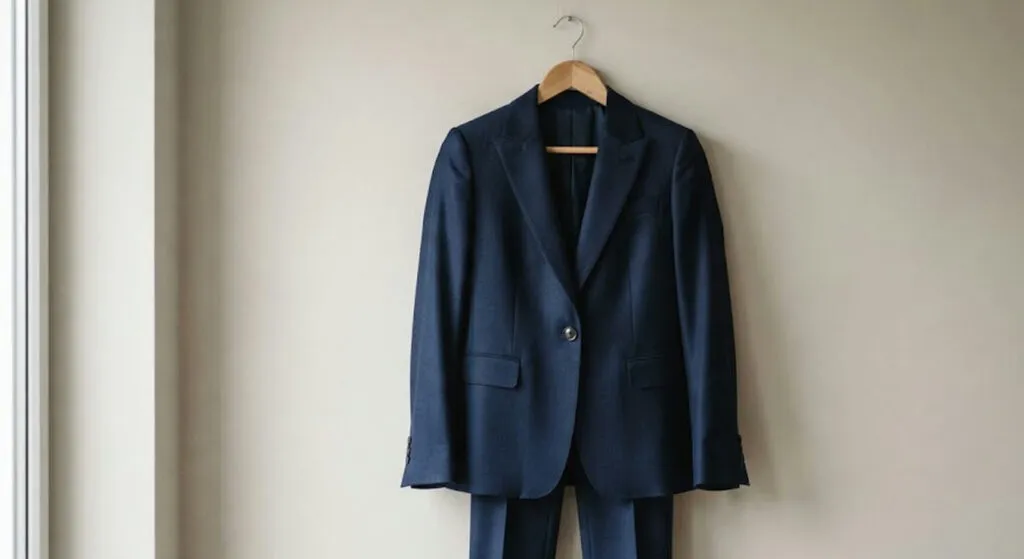
A communications expert says the trouser suit sidesteps sexist readings of hemlines and necklines. The same expert warns that the...

Dermatologists explain why the shedding arrives with a two to three month delay and why iron and vitamins do not...
This site uses cookies - is that okay? Learn more
Be the first to know when Metla launches something new
Leave your email and we will write when there is a new guide or something new on Metla.