Skopje's Sedmica Sandwich Shop Is Being Torn Down After 30 Years - and the Municipality Stays Silent on the Permit
10.07.2026


10.07.2026

10.07.2026

10.07.2026

10.07.2026

09.07.2026

08.07.2026

09.03.2026

27.02.2026

19.02.2026

10.07.2026

09.07.2026

08.07.2026

23.04.2026

23.04.2026

12.04.2026

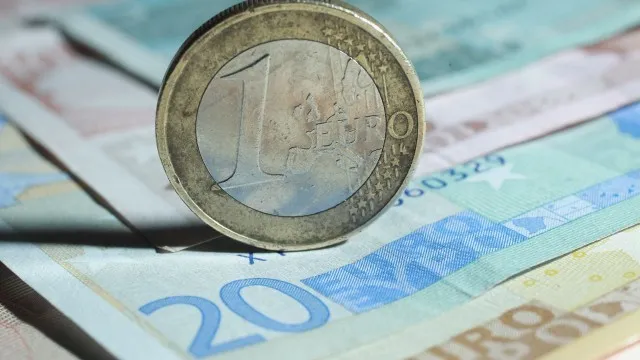
The European Parliament has given the green light to continue negotiations on introducing the digital euro - a stable digital currency with which the European Central Bank wants to strengthen Europe's monetary sovereignty and offer citizens a safe alternative for payments. It sounds technical, but behind it lies a big geopolitical game.
Why does Europe need a digital euro at all? Because today almost every digital payment in Europe passes through American systems - Visa, Mastercard, Google Pay, Apple Pay. That means dependence on infrastructure that isn't its own. As one expert puts it, when all transactions run through someone else's systems, the ECB has limited control over its own currency. The digital euro is an attempt to change that.
Unlike cryptocurrencies, whose value jumps and drops, the digital euro would have a guaranteed value - one digital euro would be worth exactly as much as a physical one. And here comes the most delicate question: privacy. Citizens rightly fear surveillance, but the ECB promises payments directly from phone to phone, with anonymity similar to cash. Whether it will really be so remains to be seen, because promises of privacy are easy, and keeping them is hard.
There are safeguards too. The ECB proposes that citizens be able to hold at most 3,000 euros in digital form, with the surplus automatically going to a bank account - so as not to trigger a mass withdrawal of money from banks in a crisis. The timeline is clear: a legal framework in 2026, a pilot project in 2027, full rollout by 2029. For Macedonia, which dreams of the euro anyway, this is a story worth following - because tomorrow's euro may live not only in your pocket, but in your phone.
The latest 10 news from this category

The gap between being able and not being able to afford a home. The most expensive rent the state pays...

An airport in a country of two million serves two million passengers in half a year. A bridge to home...
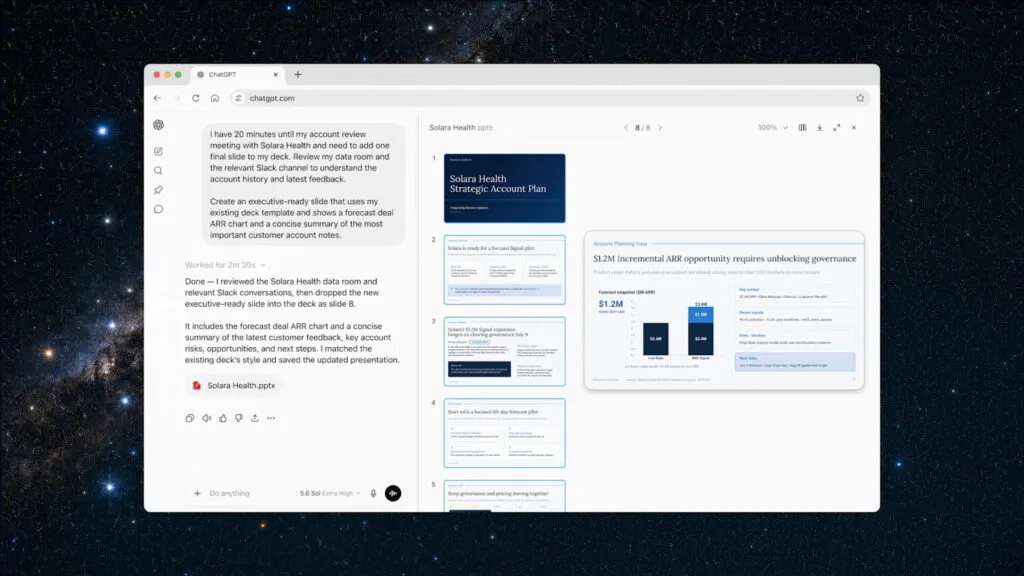
Nine months after launch, Atlas is history. OpenAI concluded the browser is a feature, not a destination - and the...
An AI-training startup worth 10 billion nine months ago is now asking for 20. Revenue of 2 billion and an...

Sol, Terra and Luna enter an already crowded field. OpenAI claims it beats Anthropic's models at every turn - but...

41 companies, 196 million euros in revenue, but profit dropped 17 percent. The whole economy in miniature: you work more,...

From 14 July, every social-media giveaway must have a permit, public rules and a published winner. Good for the consumer,...

At least six times, emergency services manually moved robotaxis to get through. The regulator says it's not a rarity but...
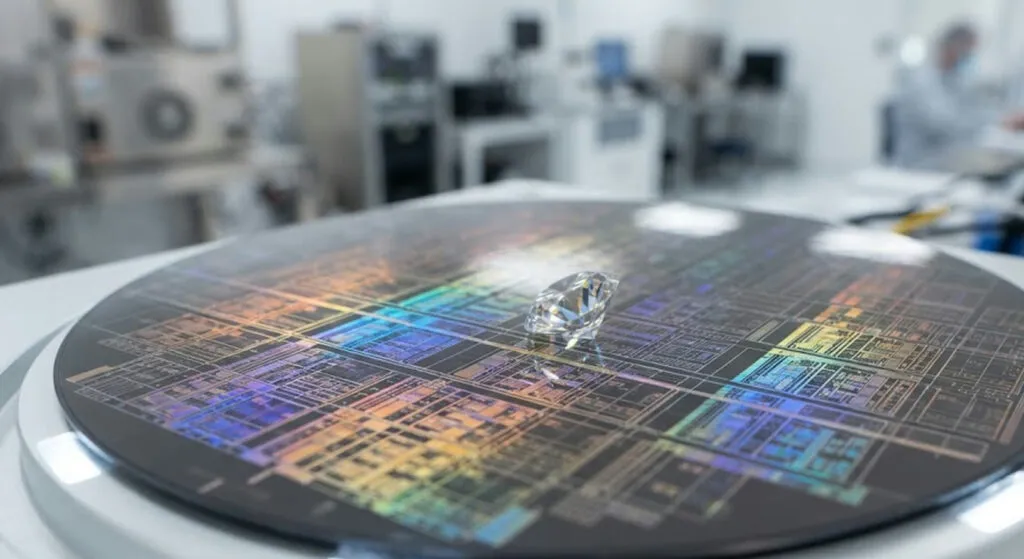
Synthetic diamonds that see through a chip in two minutes instead of weeks. And behind the project - public European...
A new AI model, old positioning: faster, cheaper and "comparable to the best." The price really is lower - but...
This site uses cookies - is that okay? Learn more