

33 fires in 24 hours: a beech forest is burning in Kicevo, and near Kumanovo the flames reached the houses
24.08.2026


24.08.2026

24.08.2026

24.08.2026
24.08.2026

24.08.2026
24.08.2026
24.08.2026

23.08.2026
22.08.2026

24.08.2026

24.08.2026

23.08.2026
24.08.2026
24.08.2026
23.08.2026

24.08.2026
23.08.2026
22.08.2026

24.08.2026

24.08.2026

24.08.2026
24.08.2026

24.08.2026

23.08.2026

09.03.2026

27.02.2026

19.02.2026
24.08.2026

23.08.2026
23.08.2026

23.04.2026

23.04.2026

12.04.2026
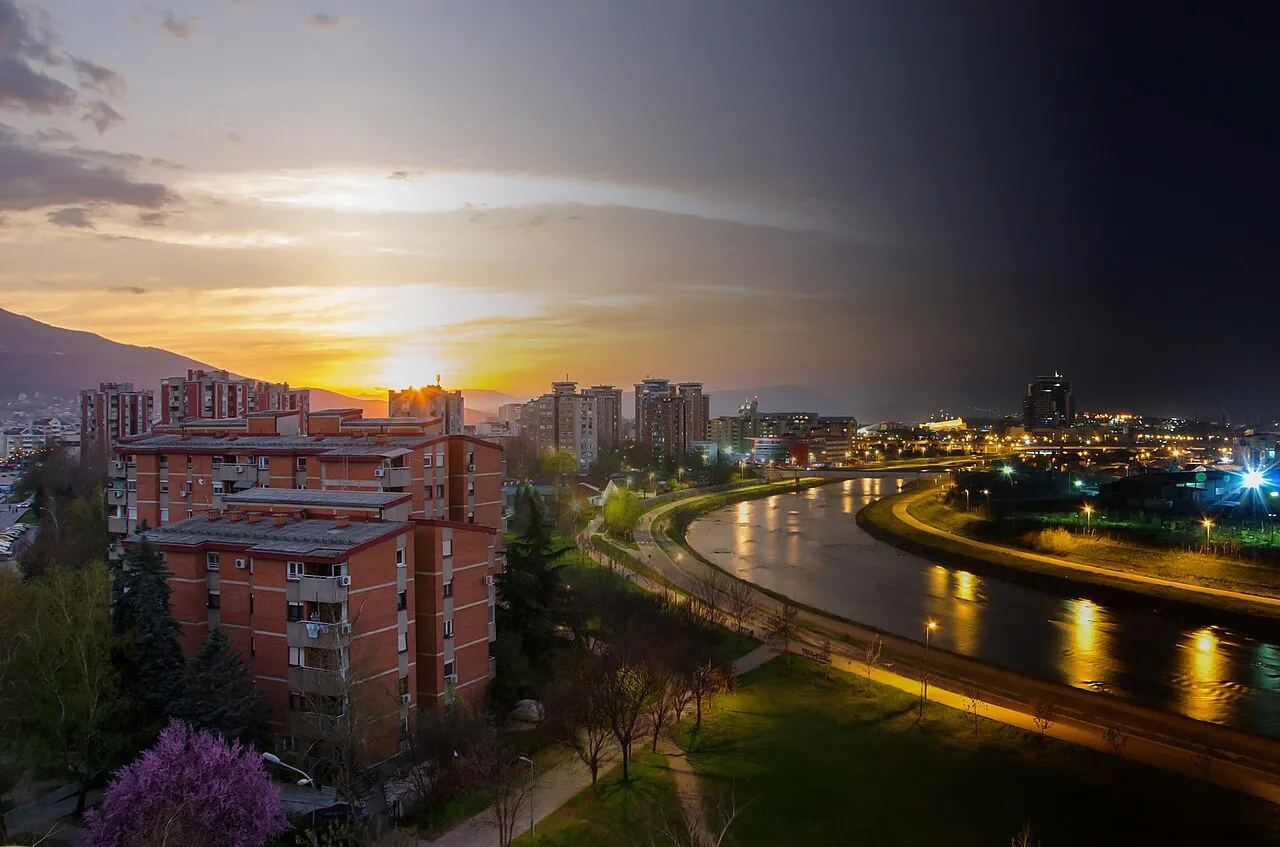
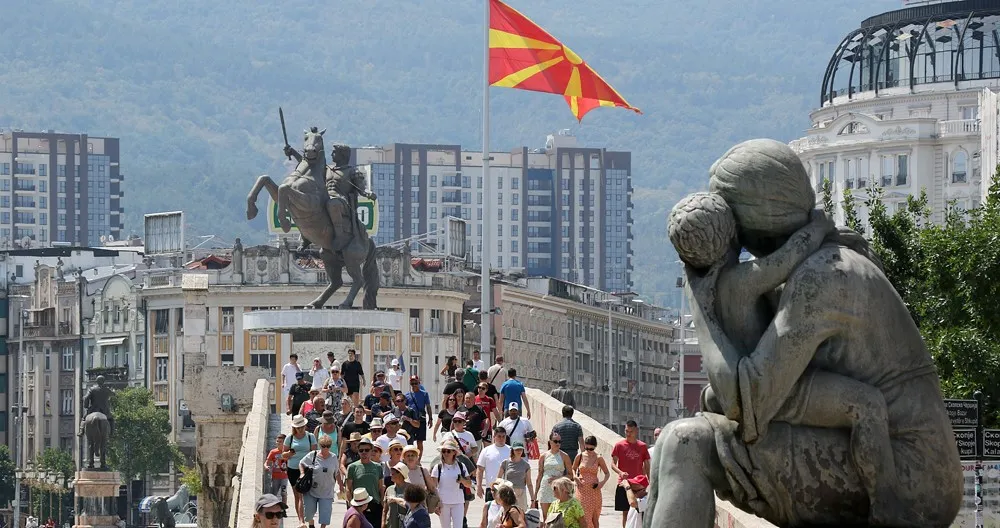
Owning a home in Skopje is becoming a dream that, for more and more people, stays exactly that - a dream. According to the latest figures from the National Bank, cited by the opposition Levica, flat prices in Skopje have jumped 13.3 percent in a single year. The result is predictable: more and more citizens are pushed out of any chance to buy their own flat and forced to live in rented homes.
The 13.3 percent figure isn't abstract - it is the difference between being able and not being able to afford a home. When wages rise slowly and flats rise fast, the maths is brutal: each year it takes more years of saving for the same square metre. And in the meantime, rent eats up the very money that should be turning into a deposit for a home of one's own.
Levica calls it condemning citizens to a life of renting - and no matter who says it, the core of the problem is real. Housing affordability is not a party issue; it is one of the most direct measures of how much an economy works for the ordinary person. When a young family can't imagine owning a home, it isn't just fleeing the flats - it is fleeing the idea that it's worth staying and building a life here.
The question that rarely gets a real answer is what the state is doing about this. Subsidies, social housing, market regulation, curbing speculation - the tools exist, but the political will usually only reaches as far as a press release. While prices rise and solutions stay on paper, the young solve the problem their own way - with a suitcase and a one-way ticket. That is the most expensive rent the state pays; only the bill arrives later.
The latest 10 news from this category
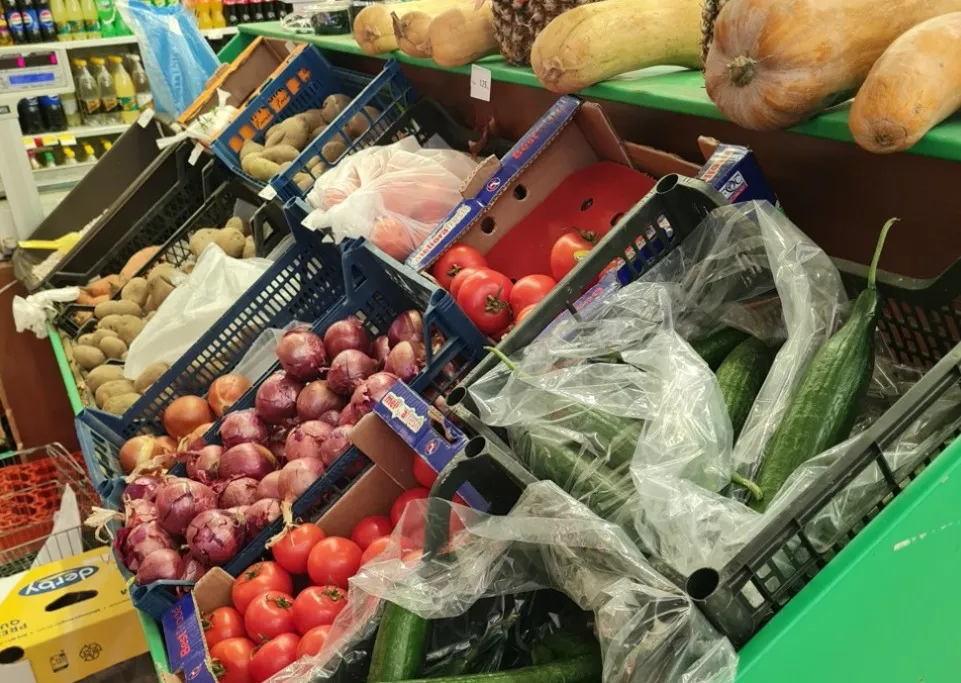
Food already takes 50.1 percent of the household budget. The first wave of price rises is expected in October.
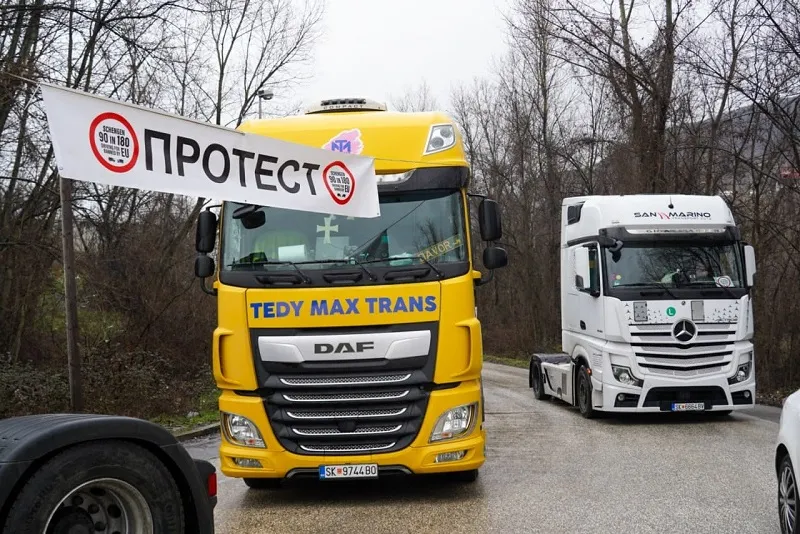
Seven months without an answer from Brussels. If the 1 September meeting brings no solution, a border blockade of more...
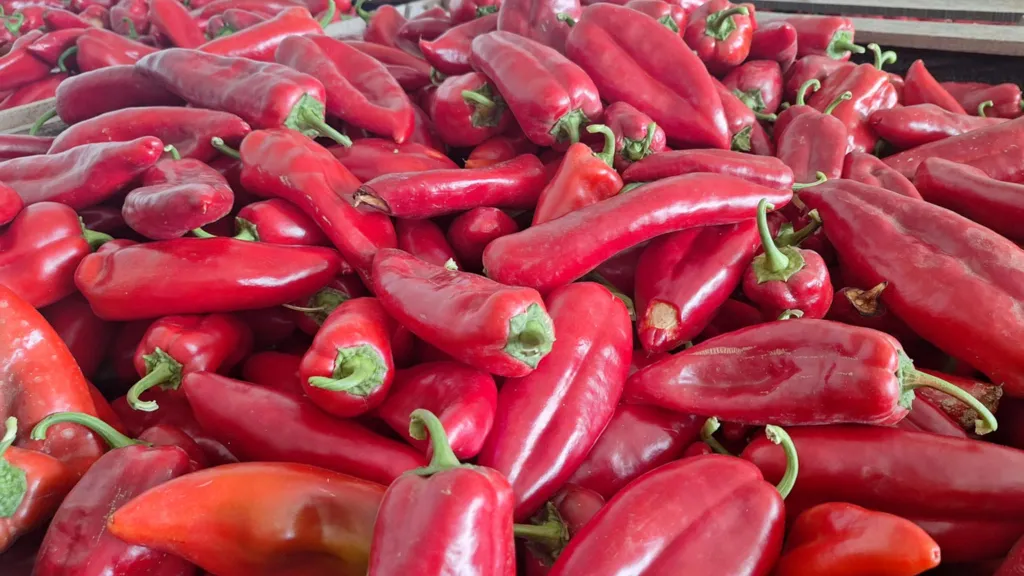
The buying price is back down to 25 denars a kilo. Tomorrow Strumica goes out to protest, this time with...
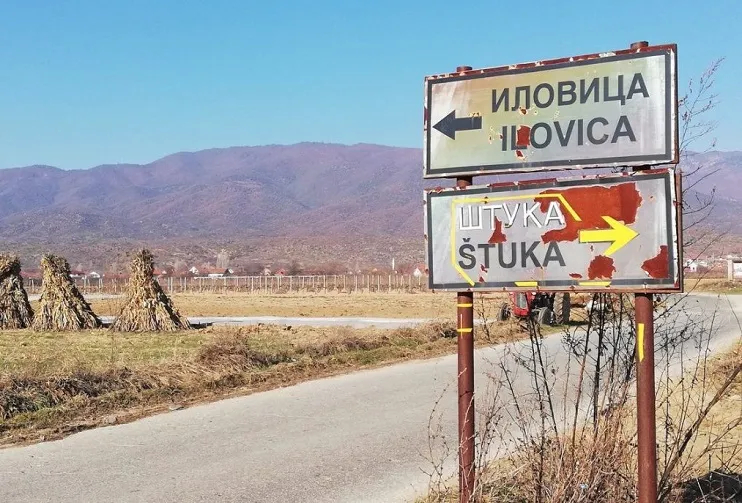
The argument is not about copper, it is about who stays in the southeast. The same initiative that talks about...
A billion and a half in penalties for a company projecting two hundred billion in revenue. The judge ruled that...
Fifty million dollars in seed capital, twelve employees and a 27-billion-parameter model that beat the frontier systems. And the founder...
The second largest fine in the history of European data regulation, and it is not for a leaked database. A...
From Palermo to Wroclaw, connectivity really has grown. It's just that the press conference doesn't say how many of those...
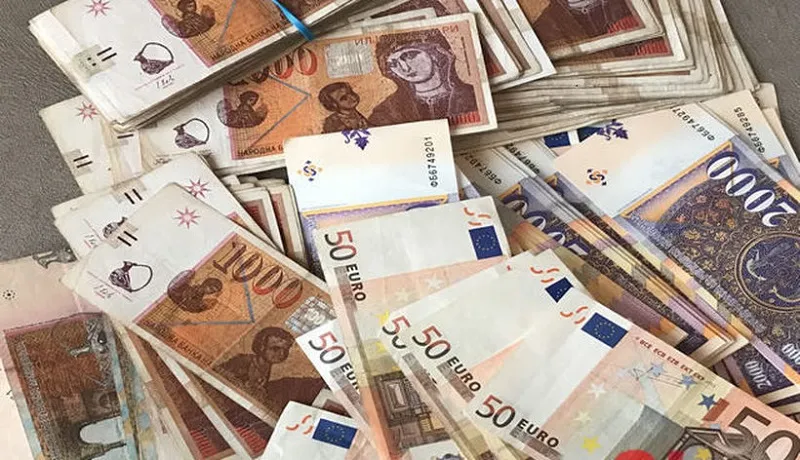
August's union basket is out. With rent the figure is 84,050 denars, and the gap to two minimum wages is...
The government claims 70 per cent faster growth, the opposition claims a 1,163-denar drop. Work out the monthly pace from...
This site uses cookies - is that okay? Learn more
Be the first to know when Metla launches something new
Leave your email and we will write when there is a new guide or something new on Metla.
