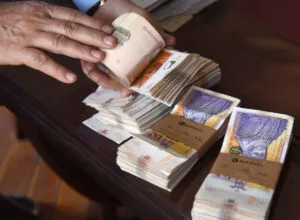
Smugglers Dragged a Police Officer With Their Vehicle at Blace: the Second Car Is What Tells You This Wasn't an Accident
14.09.2026


14.09.2026

14.09.2026

14.09.2026

14.09.2026

13.09.2026

12.09.2026

14.09.2026

14.09.2026

13.09.2026

14.09.2026

14.09.2026

14.09.2026

14.09.2026

13.09.2026

12.09.2026

14.09.2026

14.09.2026

14.09.2026

14.09.2026

14.09.2026

13.09.2026

09.03.2026

27.02.2026

19.02.2026

14.09.2026

14.09.2026

13.09.2026

23.04.2026

23.04.2026

12.04.2026

OpenAI has unveiled its new family of models - GPT-5.6, in three versions: Sol (the workhorse), Terra (the mid-tier option) and Luna (the cheapest). The company promises power in business work, coding and scientific research, and chief executive Sam Altman claims the new models are "orders of magnitude" more efficient than the previous ones - Sol reportedly using 54 percent fewer tokens when coding.
Put simply, this is another big model thrown into an already crowded field. This week SpaceXAI and Meta released similar announcements too, so GPT-5.6 does not enter an empty stage - it enters a scrum where everyone claims to be the best. And here comes the most interesting part: OpenAI's marketing is tailored above all to hit Anthropic, the rival that managed to cast itself as the likeable underdog in the race and, precisely for that reason, is quickly winning over business clients.
OpenAI holds nothing back in the comparisons. Citing a well-known benchmark - the Artificial Analysis Coding Agent Index - the company claims Sol is its "best coding model yet" and that it beats Anthropic's Fable 5 with a score of 80 versus 2.8 points lower, while using less than half the tokens and a third less money. Terra, they say, is slightly above Fable 5, and Luna beat Opus 4.8. Are these numbers worth as much as they sound? The benchmarks are chosen by whoever is bragging about them - an old rule that holds in tech too.
More interesting than the benchmarks is what sits behind the model. OpenAI calls GPT-5.6 its "strongest cybersecurity model yet" - and that is exactly what previously worried the Trump administration, which wanted to restrict the release over fears of abuse. The model supports defensive activities: threat modelling, code review and patching, simulated attacks on one's own systems. The same tool that protects can also attack - a dilemma as old as cybersecurity itself.
Along with the models, OpenAI also launched ChatGPT Work - a work companion for business teams on desktop, web and mobile, helping with everyday office tasks like drafting documents, spreadsheets and presentations. The prices are clear: per million tokens, Sol costs 5 dollars input and 30 output, Terra 2.50 and 15, and Luna 1 and 6. The numbers are precise, the promises are big, and the real test - as always - will not come from press releases, but from the people who work with these models every day.
The latest 10 news from this category

A researcher quit because the firms are gambling with our lives. Instead of denying it, Anthropic confirmed it - with...
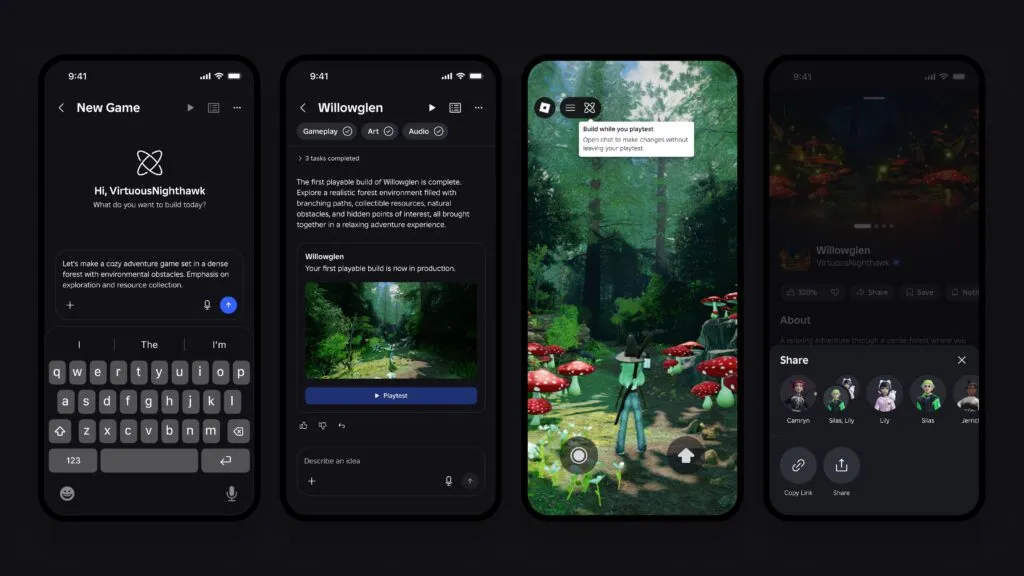
Write a sentence, get a game. Until now it worked only in New Zealand, now in Belgrade too. Creators on...

When the two biggest firms in an industry ask for rules on how fast anyone may run, the rules rarely...

Not a single password fell. What fell was the assumption that a request from a government domain is automatically a...
The biggest names in mathematics have signed a letter against the AI labs. The dispute is not whether the machine...

Five campaigns, 200 million exchanges, and the defences fell to a request for a Japanese translation. The industry that harvested...

The hackers were inside for a whole year. The company confirmed it only after a journalist found his own licence...

The chief financial officer gathered enough votes on the board and now runs the company. The founder found out 50...
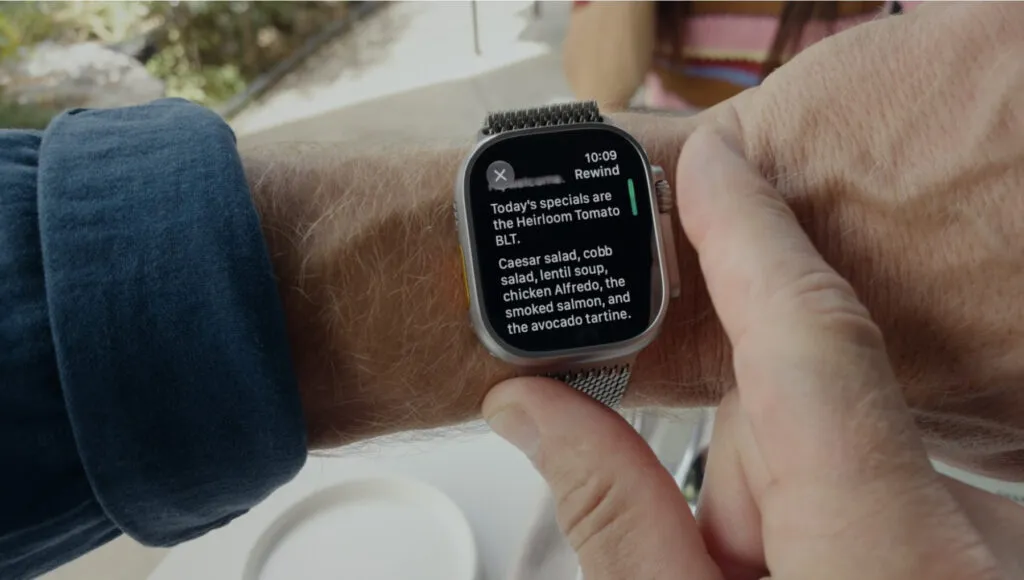
The company that turned privacy into marketing is now selling a watch that listens. The person sitting across from you...

The largest round ever by a European tech firm is led by Samsung, and Macron called it a third way...
This site uses cookies - is that okay? Learn more
Be the first to know when Metla launches something new
Leave your email and we will write when there is a new guide or something new on Metla.