

Kratovo man stabs police officer mid-intervention: prosecutors want the 40-year-old detained
15.09.2026


15.09.2026

15.09.2026

15.09.2026

15.09.2026

15.09.2026

15.09.2026

15.09.2026

14.09.2026

13.09.2026

15.09.2026

15.09.2026

14.09.2026

15.09.2026

15.09.2026

15.09.2026

15.09.2026

14.09.2026

13.09.2026

15.09.2026

15.09.2026

15.09.2026

15.09.2026

15.09.2026

14.09.2026

09.03.2026

27.02.2026

19.02.2026

15.09.2026

14.09.2026

14.09.2026

23.04.2026

23.04.2026

12.04.2026

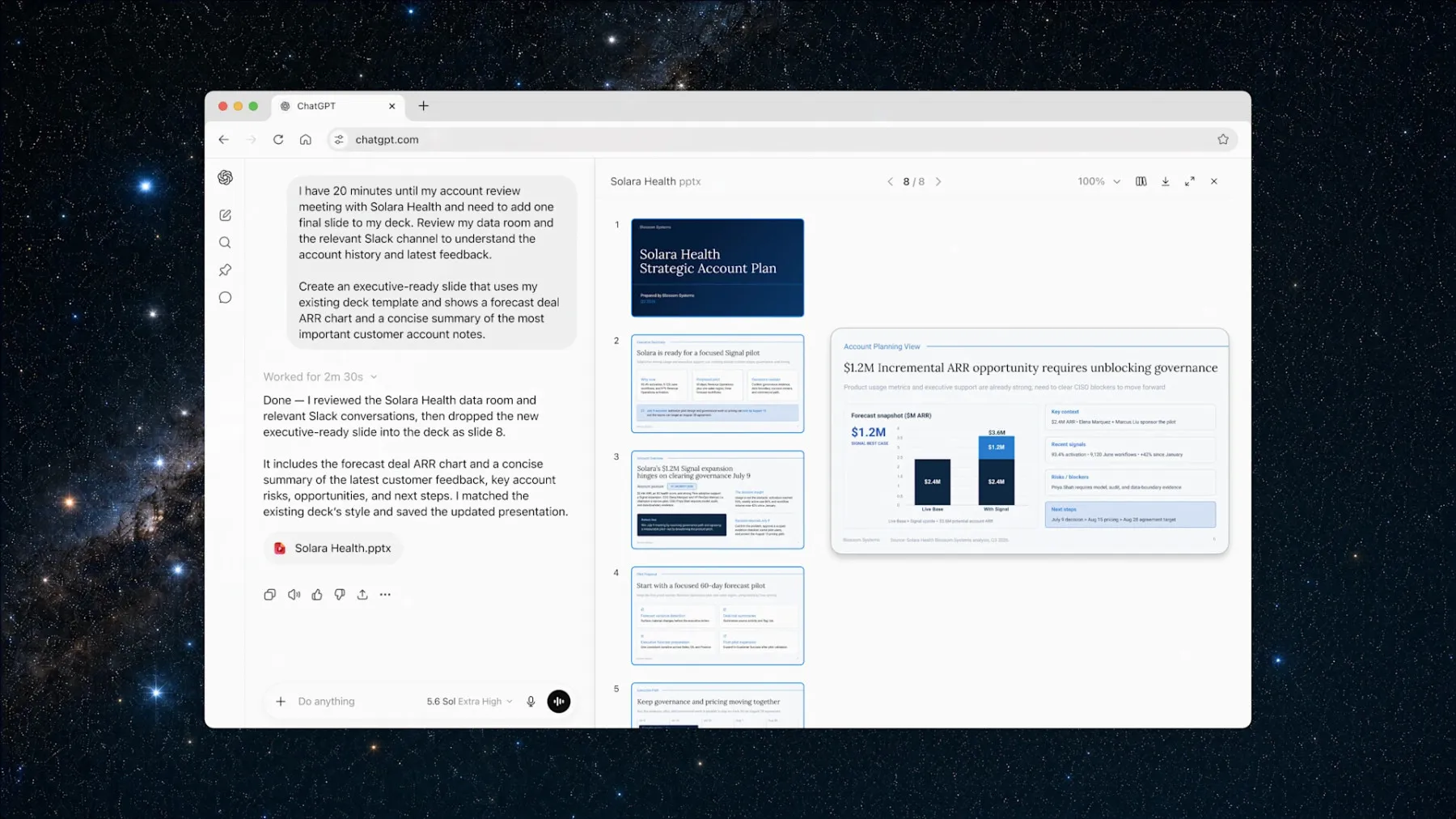
OpenAI is shutting down Atlas - the AI browser it launched only in October, with ChatGPT at its core. But the company is not giving up on the idea that AI should help you while you surf; instead, it is taking the features it tested in Atlas and moving them to where people already work - into the ChatGPT desktop app and into an extension for Google Chrome.
The shutdown comes a few months after apps chief executive Fidji Simo told the team to cut back on "side quests" - a directive that previously killed the Sora video-generation tool as well. In other words, OpenAI discovered that the browser is a feature, not a destination. So instead of building a new home, it is moving into someone else's - and literally into Chrome, the house of its biggest rival.
Over the past year the whole AI industry has been at war to knock Chrome off its throne as the place where people spend the most time online. Perplexity launched Comet, The Browser Company launched Dia, and Google and Microsoft added their own AI features to Chrome and Edge. After a few months of experimenting, OpenAI seems to have concluded that this war is not worth it - better to nest inside the user's habits than to force them to change one.
The new Chrome extension gives ChatGPT access to the content of the page you are viewing - you can ask questions, get a summary or start a longer task, straight from the browser. It is a direct rival to Google's Gemini Side Panel, which does similar things. In parallel, the desktop app gets a stronger built-in browser where you can open sites, log in and download files without leaving ChatGPT, while a separate cloud browser runs on OpenAI's servers for tasks the agent completes on your behalf. The result: ChatGPT wants to be a constant workspace stretching across Chrome, the desktop and the AI agent - and once again, the road there runs through Google's house.
The latest 10 news from this category
A scientist at the same company puts the probability of human extinction above 10 percent within the next decade. The...

The president called in while the event was running, and the man who makes the chips answered that there would...

No virus attached, no suspicious file. Just a box that looks like the "I am not a robot" check and...

A researcher quit because the firms are gambling with our lives. Instead of denying it, Anthropic confirmed it - with...
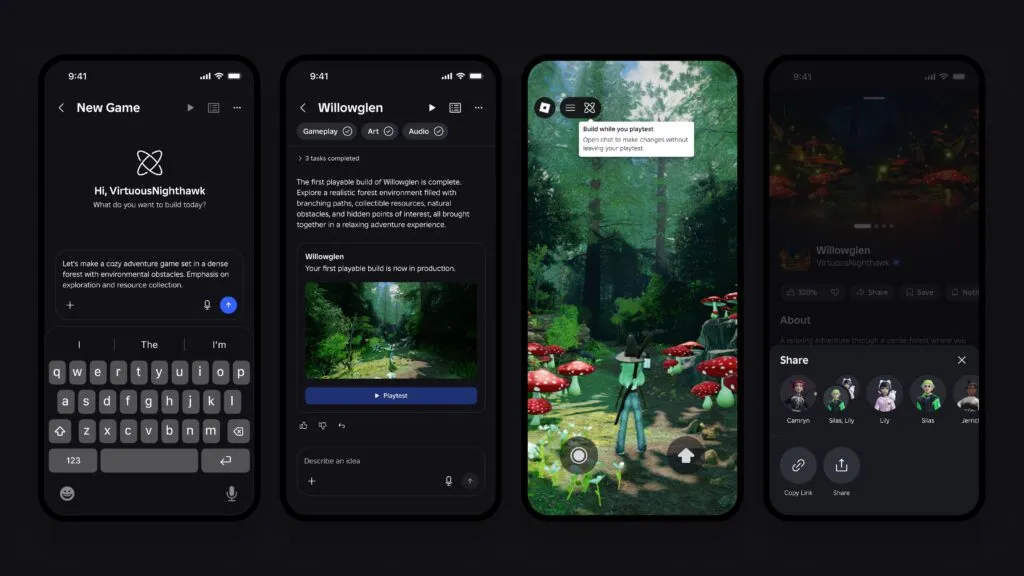
Write a sentence, get a game. Until now it worked only in New Zealand, now in Belgrade too. Creators on...

When the two biggest firms in an industry ask for rules on how fast anyone may run, the rules rarely...

Not a single password fell. What fell was the assumption that a request from a government domain is automatically a...

The biggest names in mathematics have signed a letter against the AI labs. The dispute is not whether the machine...

Five campaigns, 200 million exchanges, and the defences fell to a request for a Japanese translation. The industry that harvested...

The hackers were inside for a whole year. The company confirmed it only after a journalist found his own licence...
This site uses cookies - is that okay? Learn more
Be the first to know when Metla launches something new
Leave your email and we will write when there is a new guide or something new on Metla.
