Eye Surgeries Billed Twice, Up to 4,000 Patients Hit: The Violations Were Known, the Fines Never Came
30.10.2026


30.10.2026
30.10.2026
30.10.2026
30.10.2026
30.10.2026
30.10.2026
30.10.2026

29.10.2026

29.10.2026

30.10.2026

30.10.2026

29.10.2026

30.10.2026

30.10.2026

30.10.2026

30.10.2026

29.10.2026

28.10.2026

30.10.2026

30.10.2026

30.10.2026

30.10.2026
30.10.2026

30.10.2026
30.10.2026
29.10.2026
28.10.2026

23.04.2026

23.04.2026

12.04.2026

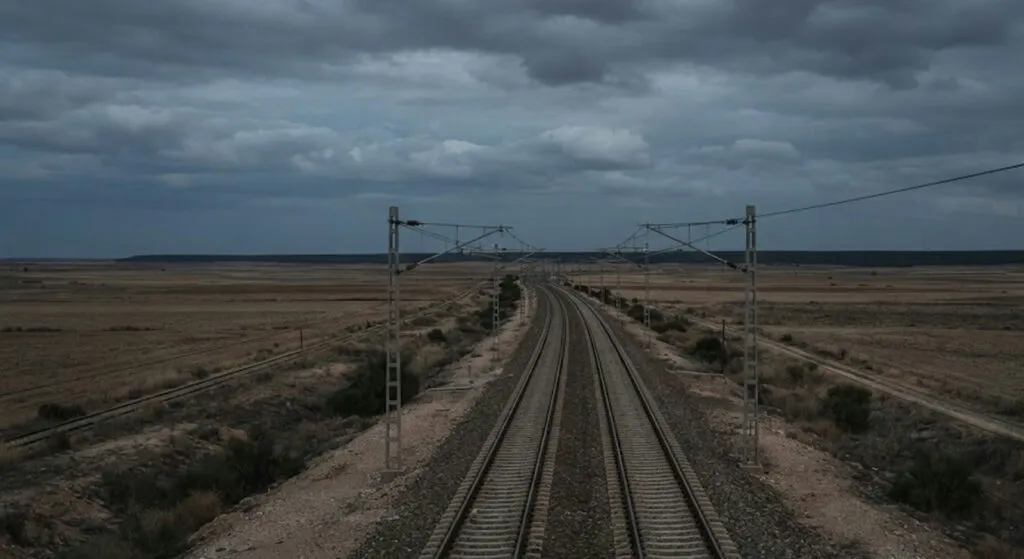
The collision of two high-speed trains near Urda, in the province of Toledo, also took the life of former Spanish employment minister Fátima Báñez. She was 59. She was travelling on an Iryo train to Seville, where she was due to attend the Company Day, the annual gathering of the Spanish employers' organisation CEOE. The train collided with a Renfe train on the Madrid - Seville high-speed line, the first high-speed line Spain ever got, back in 1992.
For hours nobody knew what had happened to her. The president of Castilla-La Mancha, Emiliano García-Page, said only what was certain: "What we know is that she was travelling in the most damaged carriage." The mayor of Seville, José Luis Sanz, urged caution - maybe she was injured, maybe she had lost her phone and couldn't call. The hope lasted until her body was found.
Báñez was born on January 6, 1967, in San Juan del Puerto, in the province of Huelva. She studied law and economics at Comillas University (ICADE) and had been an MP for Huelva since 2000. In December 2011 she became Minister of Employment and Social Security in Mariano Rajoy's government and stayed in the post for almost seven years. She led the 2012 labour law reform, and in 2016 she also ran the Health Ministry on an interim basis. Since December 2019 she had been president of the CEOE Foundation.
She is survived by her husband Jaime Alonso, who works in banking, and their two children.
We usually remember politicians for the laws they signed and the debates in parliament. Báñez died in the most ordinary of places - on a routine work trip, by train, on a line Spain has shown off for decades as a model of fast and safe transport. Now it's the investigators' turn: how did two trains collide on a high-speed line, and who is going to answer for it?
The latest 10 news from this category

According to the criminal complaint, one hospital charged both the Health Fund and the patient for the same operation. The...

Another 1,700 hand grenades and mines pulled out 200 metres from homes in Bitola. One bomb disposal expert is digging...
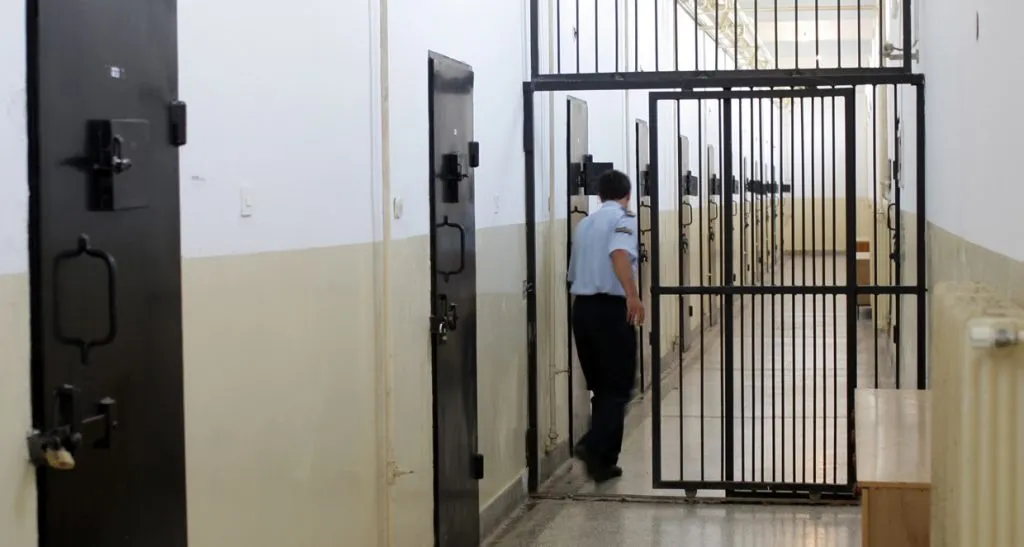
A convict from Bitola used his prison leave and was stopped in Gradsko with marijuana, pills and a white substance....
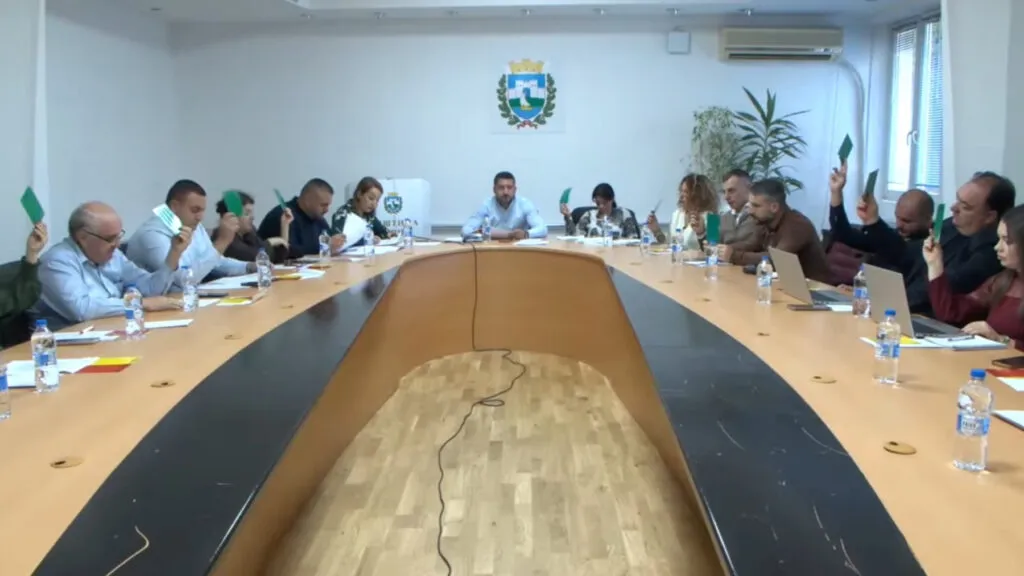
Ohrid's council voted for pricier water through 2029 and pricier services from the "Niskogradba" utility. The companies call it minimal;...
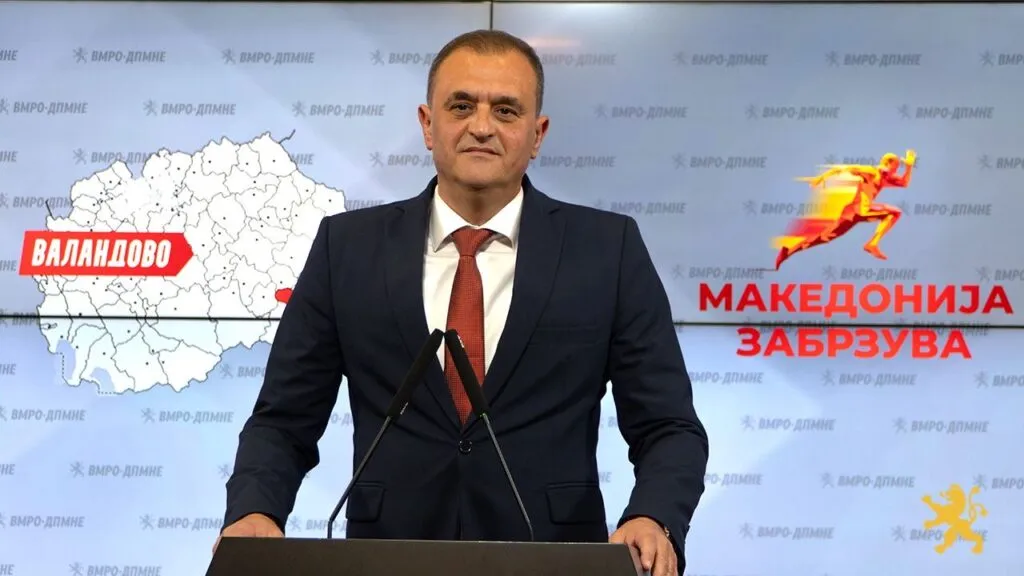
Mayor Kamčev lists project after project, most of them paid for with state money and the Hungarian loan. How much...
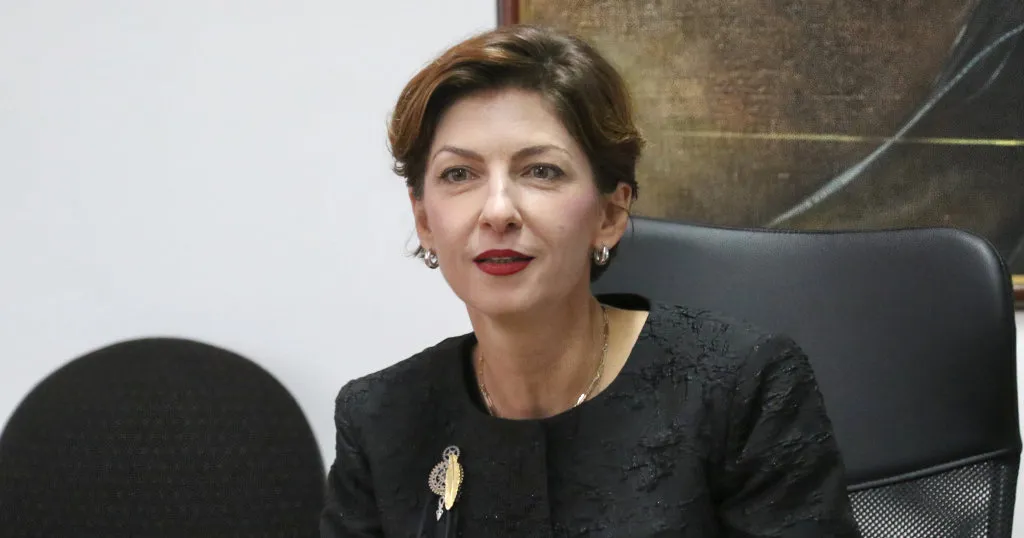
Iskra Hadži Vasileva is the new head of the Organized Crime Prosecutor's Office, chosen by her colleagues rather than by...
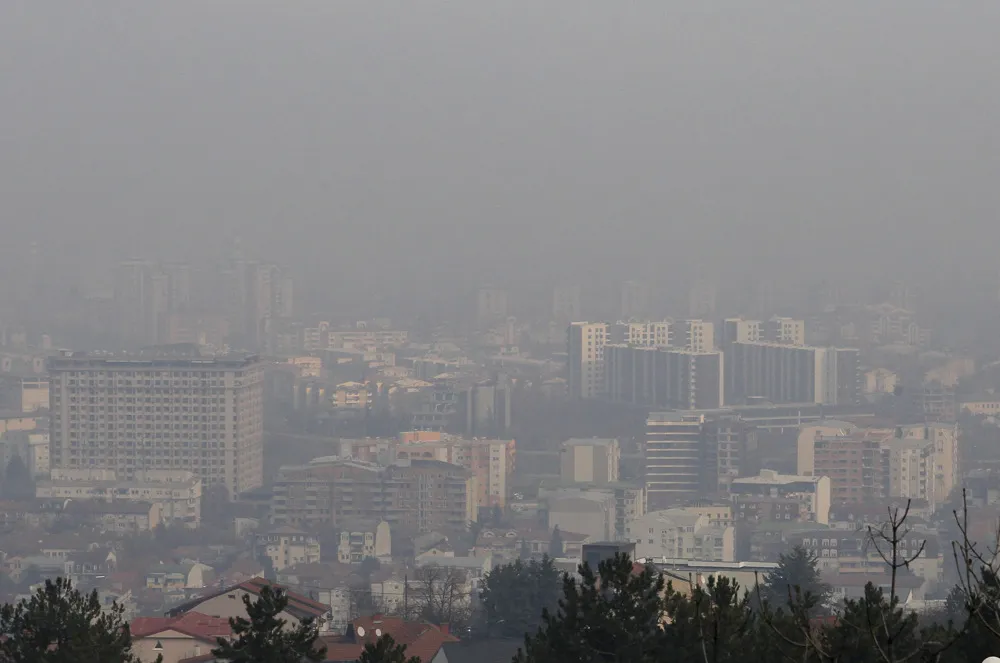
A draft law, seven bylaws and national plans running to 2037. Sounds serious - but both the minister and the...
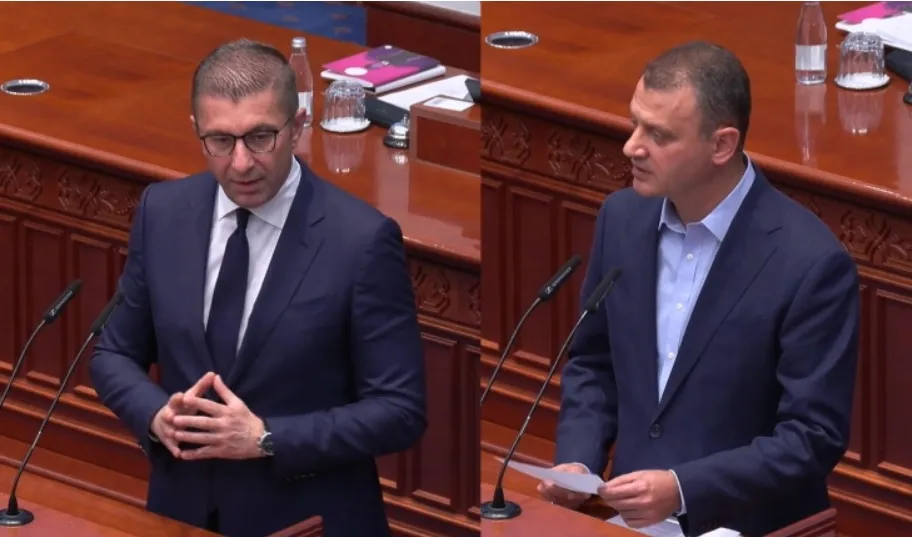
The prime minister promises a public debate and parliamentary oversight of the merged agency. The opposition brings up the wiretapping...
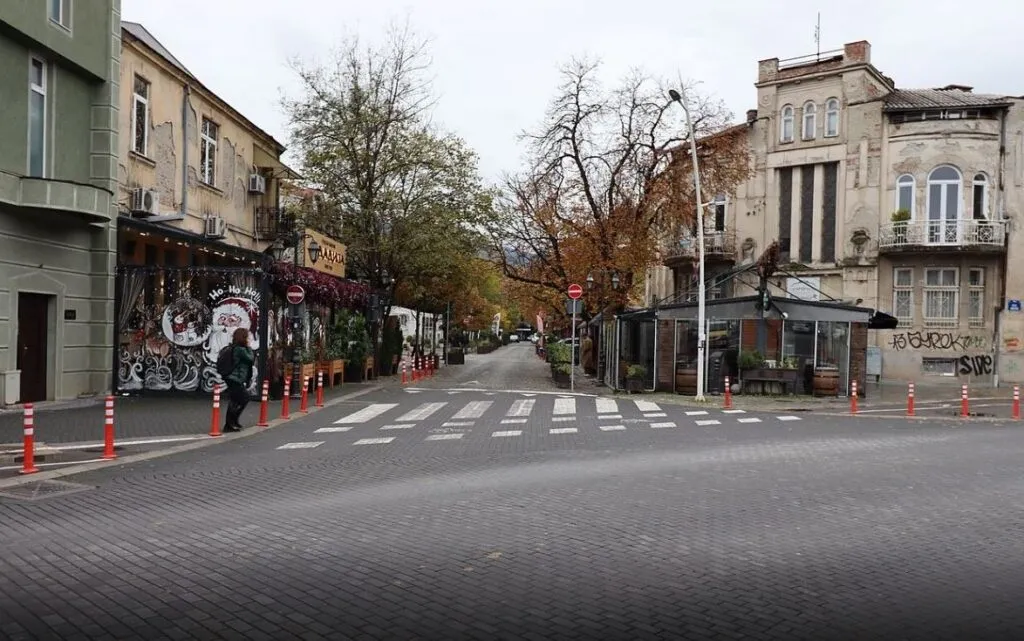
Centar municipality is reworking the pilot project after talks with the police and is waiting for sign-off. A pedestrian neighbourhood...
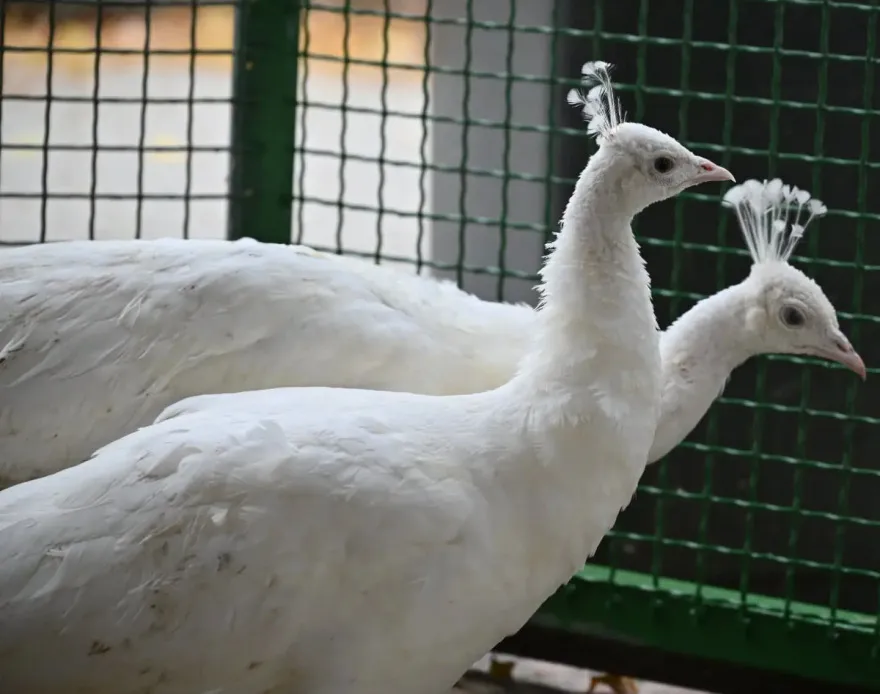
New residents in both Skopje and Bitola, and the mayor talks of modernisation. Just months after an association demanded Skopje...
This site uses cookies - is that okay? Learn more
Be the first to know when Metla launches something new
Leave your email and we will write when there is a new guide or something new on Metla.