
The OLVX stolen-password market led to Golema Rečica: the Interior Ministry celebrates the operation but stays silent on whether there are Macedonian victims
16.10.2026


16.10.2026
16.10.2026
16.10.2026

16.10.2026
16.10.2026
16.10.2026
16.10.2026

15.10.2026
15.10.2026

16.10.2026

16.10.2026

15.10.2026

16.10.2026

16.10.2026

16.10.2026

16.10.2026

15.10.2026

14.10.2026

16.10.2026

16.10.2026

16.10.2026

16.10.2026

16.10.2026

16.10.2026

16.10.2026

15.10.2026
14.10.2026
15.10.2026

13.10.2026

12.10.2026

23.04.2026

23.04.2026

12.04.2026

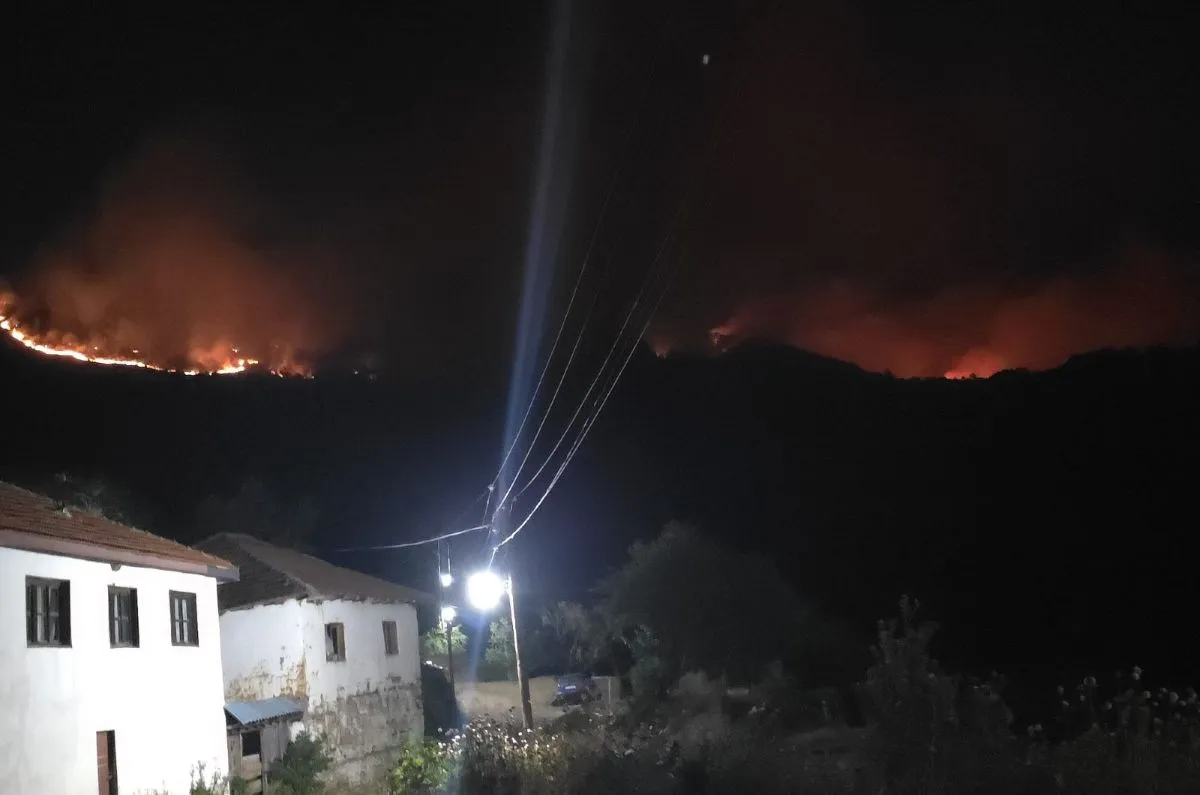
Thirty-three fires in twenty-four hours. That is the figure the Crisis Management Centre announced on Monday morning, as of 7:30. Four are still burning, four are under control, twenty-five are out. Every single one of them was either lit by someone or not stopped by someone.
The worst of it is where forest burns rather than grass. In the municipalities of Studenicani and Zelenikovo the fire is spreading along the Morane - Vrtekica - Ramni Gaber stretch, with an arm towards Paligrad and above Vrazale, eating into mixed forest. In Makedonski Brod, around Vidus and the villages of Dragov Dol and Lokvica, low vegetation, scrub forest and bushes are burning. In Kicevo, in the Tajmiste area, at Darda, a stand of tall beech forest is on fire. There is another active fire in Gostivar, near Gorna Gjonovica.
A beech forest is not grass that will grow back next spring. That is decades of growth burning away in a few hours, and afterwards nobody adds up what it was worth.
When the fire reaches the yard
In Vince near Kumanovo the fire did not stay on the hill. It took low vegetation, forest and buildings - houses. That is the line where statistics stop being statistics and become somebody's roof. And the Crisis Management Centre reports it in the same sentence as the rest of the numbers, an entry in a table.
Under control are the fires near the village of Ilinden, close to Bigla near Delcevo, in the municipality of Jegunovce and in Vrapciste, near Lomnica and Gjergjeviste. "Under control" means it is still burning, it just isn't spreading any more. The difference is understood only by the people standing at the fire line.
Every summer the same report, only the village names change. The question none of the responsible institutions asks out loud is why the figure for a single day is thirty-three and not three. Did all of them really start on their own?
How many people are on the ground depends on volunteers, on local fire brigades, on farmers who turn up with their own machinery. The state plays coordinator, and everything else is carried by people who go back to their day jobs tomorrow. That is the model that has worked for years, and that is exactly why nobody is in a hurry to change it.
The latest 10 news from this category

The FBI said thousands of Americans had been put at risk. The Interior Ministry didn't say a word about whether...
Two eight-year sentences were waiting while he was out of the country. The Interior Ministry caught him at the border...
Kids without a licence, drunk drivers and people already banned from driving. A driving ban, it turns out, is just...
Signs on stone and an appeal not to drink. But what about the water supply in Smrdliva Voda - the...
Mayor Jovanovski is boasting about savings. But if school transport suddenly costs half as much, someone needs to explain why...
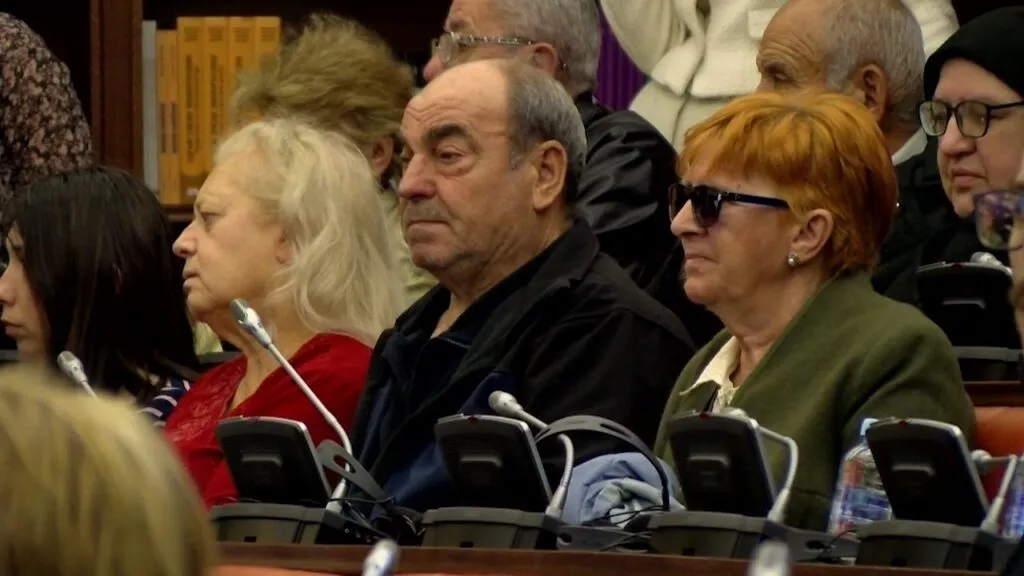
Somewhere between four and ten thousand blind and partially sighted people - that's how precisely the state counts them. On...
One candidate was shown "Cela da e" comments under the prime minister's posts, the other had been photographed at a...
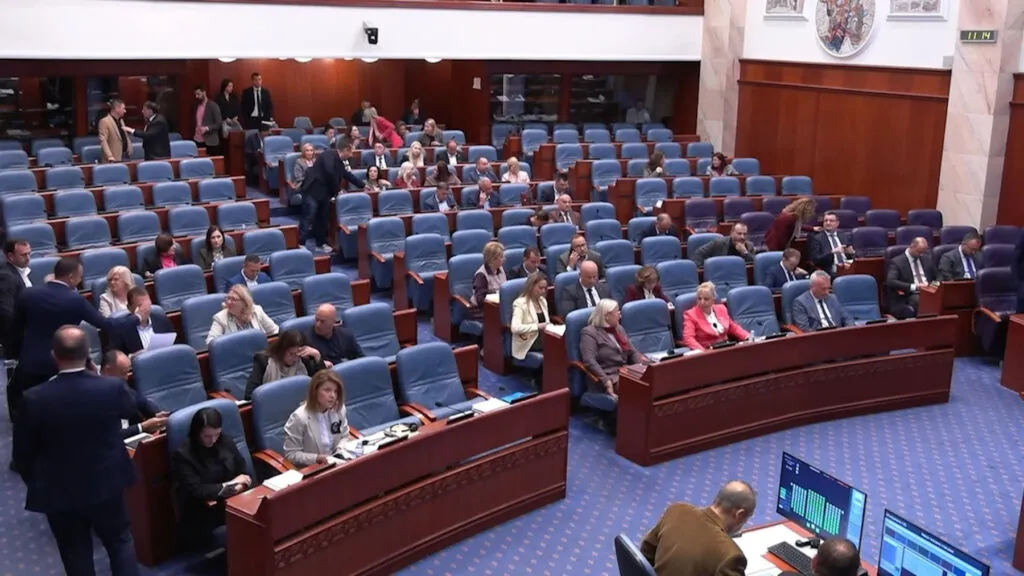
The opposition refuses or hesitates, and from Sofia comes word that the constitutional changes are not up for renegotiation. Is...
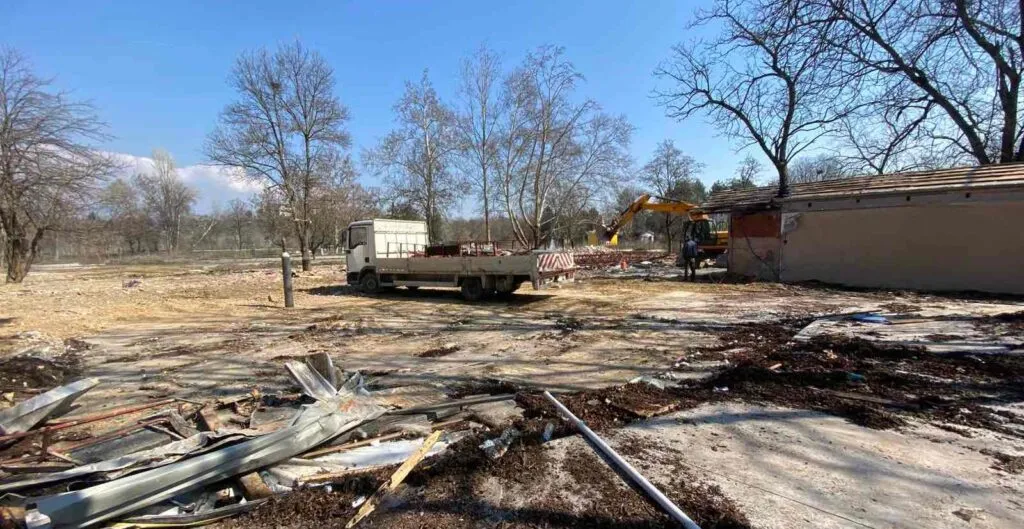
December: "one of the best in the region". May: a 10-million-euro contract. By August: cancelled, over a court case about...

A passenger isn't a car, and 150 electric buses aren't the 250 Skopje asked for. The minister calls criticism of...
This site uses cookies - is that okay? Learn more
Be the first to know when Metla launches something new
Leave your email and we will write when there is a new guide or something new on Metla.