
Debar woman reported a 3,000-euro burglary at her home - police found she had made it up
14.10.2026


14.10.2026

14.10.2026

14.10.2026

14.10.2026

14.10.2026
14.10.2026

14.10.2026

13.10.2026
13.10.2026

14.10.2026

14.10.2026

13.10.2026
14.10.2026
14.10.2026

14.10.2026

14.10.2026

13.10.2026

12.10.2026

14.10.2026

14.10.2026

14.10.2026

14.10.2026
14.10.2026

14.10.2026
13.10.2026

12.10.2026

10.10.2026

23.04.2026

23.04.2026

12.04.2026

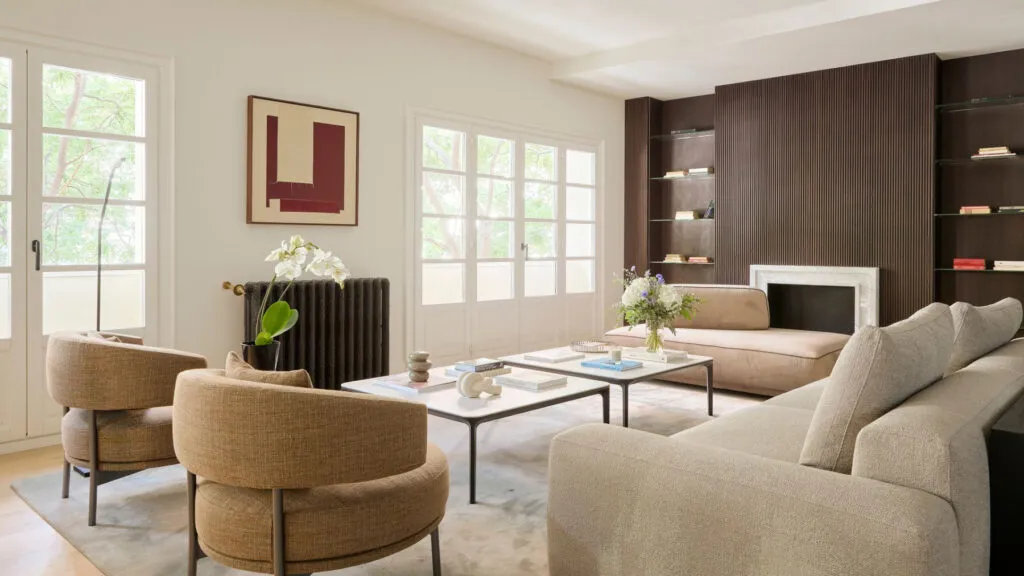
The heating season is starting, and with it the first bill. Radiators are the most invisible part of the home - they sit under the window, we cover them with curtains and dry laundry on them - until they start gurgling or heating only halfway up. Getting them ready is simple and cheap, and it improves both the warmth in your home and the bill at the end of the month. According to Spain's energy efficiency agency IDAE, heating is the biggest energy consumer in households.
Give them room to breathe. Furniture, long curtains and laundry hung on the radiator block the heat, and it stays trapped behind them. Leave a few centimetres of free space around each radiator. If you have a decorative cover, it must be well ventilated. Drying clothes on the radiator is a mistake of its own: it stops the heat getting out into the room and raises the humidity.
Clean them before you switch them on. Dust is an insulator - and it also burns when the radiator first heats up, which is where that familiar burnt smell in the room comes from. Clean with the heating off: with a long thin brush or the narrow nozzle of the vacuum cleaner between the fins. For stubborn dust, a hairdryer helps, with a cloth placed under the radiator to catch what falls. Wipe the surface with a damp cloth and a little detergent, then dry it.
Bleed the air and check the boiler. Air trapped in the radiator is why the top is cold and the bottom warm. Bleeding is done once a year, at the start of autumn, before the heating is first switched on. Start with the radiator closest to the boiler and let the air out until only water flows, without interruption. As for the boiler, have a professional check it.
Watch the pressure. After bleeding the air, look at the boiler's pressure gauge, usually at the bottom. Normal pressure is 1 to 1.5 bar, the green zone on the dial. If it's lower, the heating won't work properly. If it's too high, the boiler can lock out. Top the system up slowly, through the filling valve. If the pressure keeps dropping, there's a leak somewhere, and that needs checking.
Choose the right temperature. The recommendation is 19 to 21 °C during the day and 15 to 17 °C at night. Every extra degree raises consumption by about 7 percent, according to IDAE. Humidity matters too: the ideal is between 40 and 50 percent, because dry air makes a room feel colder than the thermometer shows. Before turning up the thermostat, try a thin jumper or a blanket.
All day or only in the evening? It depends on the insulation and the type of system. For most homes the rule is: heat when you're home, turn it down or off when you're away for longer and at night. Well-insulated homes and underfloor heating work better at a steady temperature. In poorly insulated houses or very cold regions, it's better to leave the heating on minimum at night than to switch it off completely. Constantly turning it on and off isn't saving - for a short absence it's enough to lower the thermostat a little.
Programme and regulate every room. Old manual radiator valves are worth replacing with thermostatic ones, so each room has its own temperature. A programmer or smart thermostat starts the heating a little before you get up or come home. The thermostat should be on an interior wall, away from windows, radiators and direct sun - otherwise it "measures" the wrong temperature.
Small moves that add up. Lower the blinds and draw the curtains when it gets dark. Put sealing strips or a draught "snake" on doors and windows. Air the rooms for about 10 minutes in the morning. And behind radiators on an exterior wall, fit a reflective panel, which sends the heat back into the room instead of letting it into the wall.
In buildings on district heating, the boiler isn't yours, and neither is the pressure. But the radiator, the valve, the curtain and the habits are. How much of the heating bill are we actually paying for warmth that got stuck behind the sofa?
The latest 10 news from this category
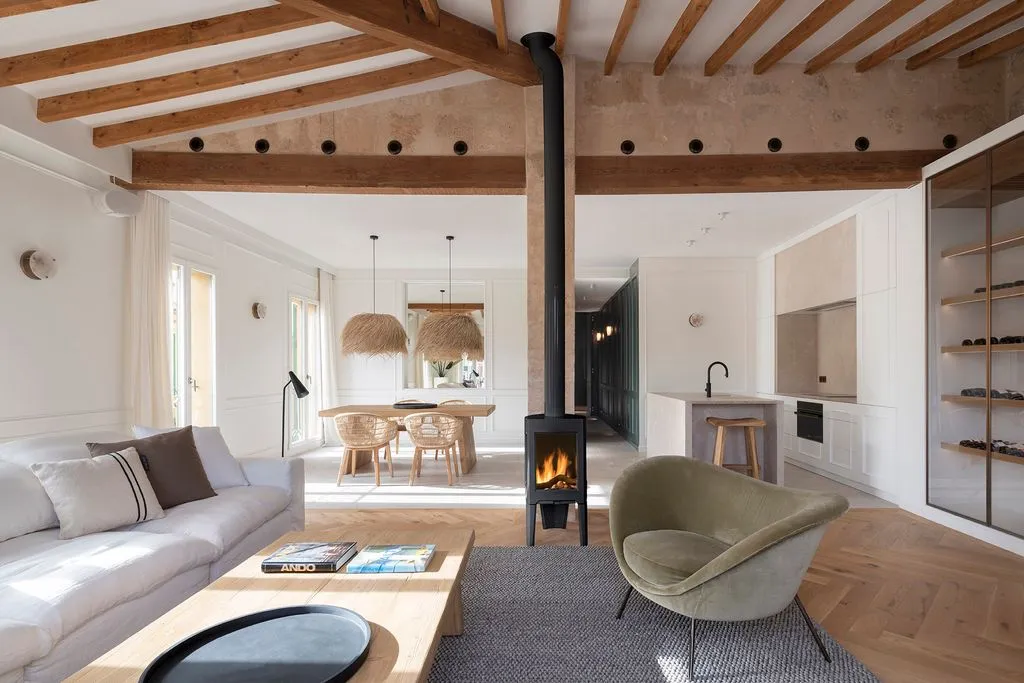
The design, the insulation and the installations - not the tiles. A Spanish architect explains how to plan a home...
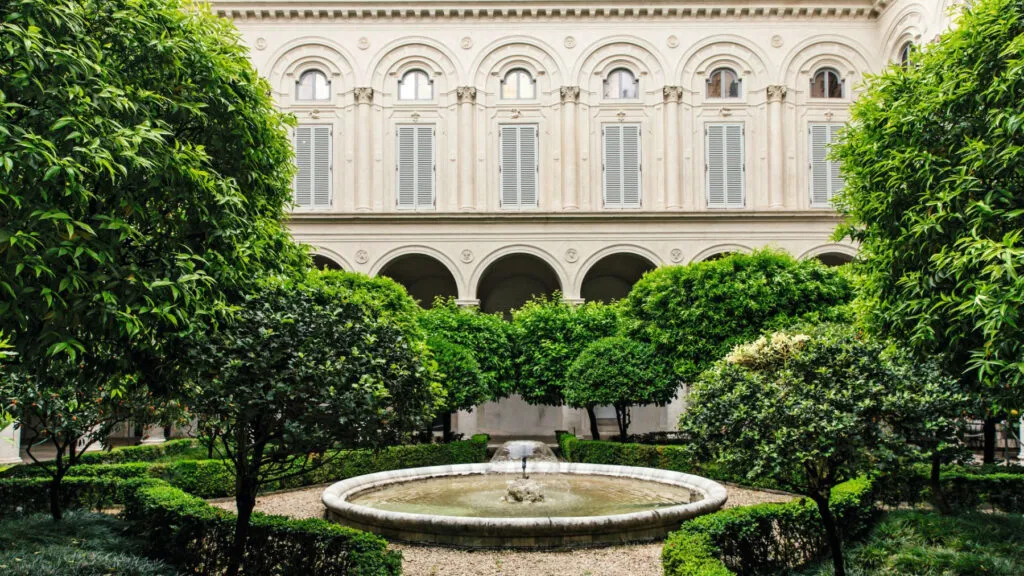
Over a thousand rooms, a Velázquez in a small cabinet, and a museum the princess once wanted to close to...

Messi has said goodbye to Argentina's national team, and four addresses tell the story of his life. The one that...
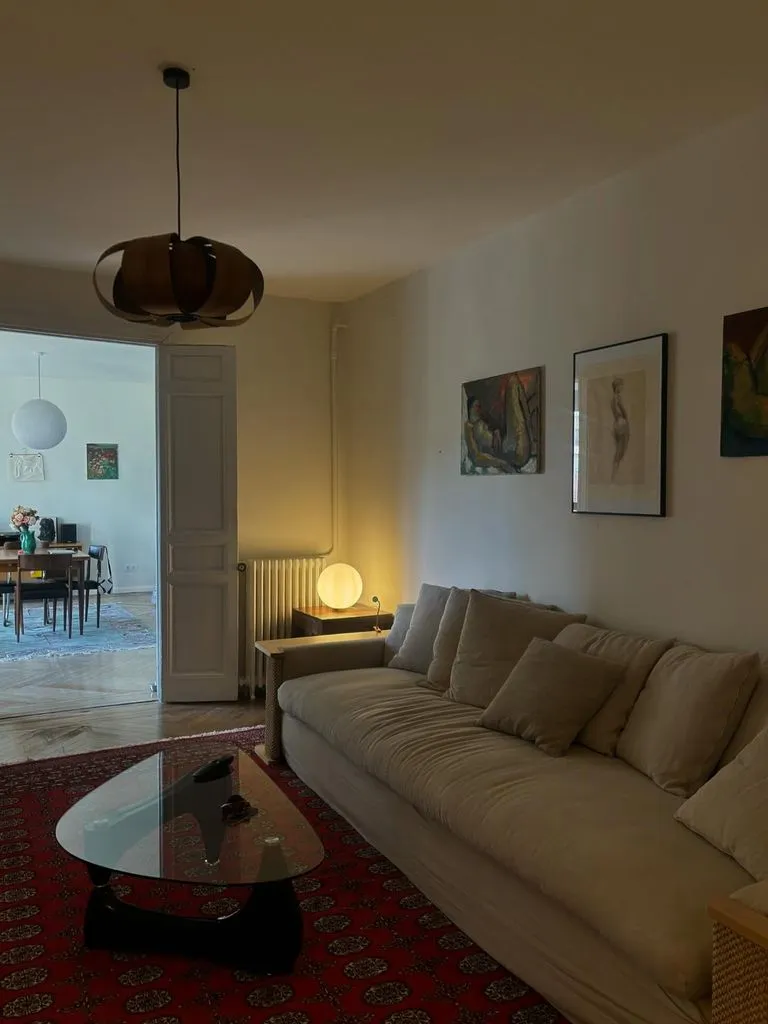
A cream sofa, a red oriental rug and an armchair the cat has taken over: the two Spanish actors' home...
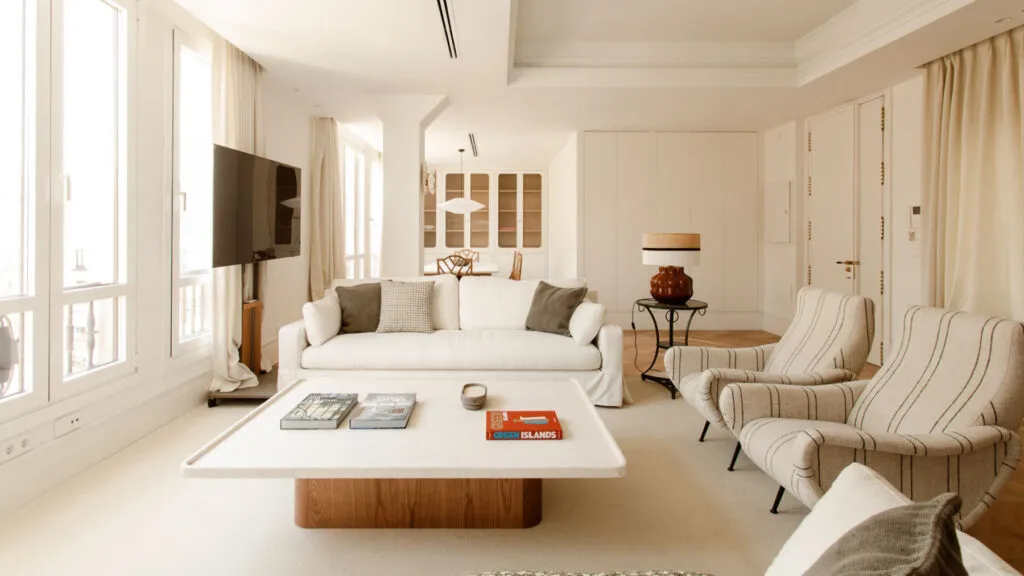
Small, dark rooms in an old Madrid building became one bright space from the living room to the kitchen. The...
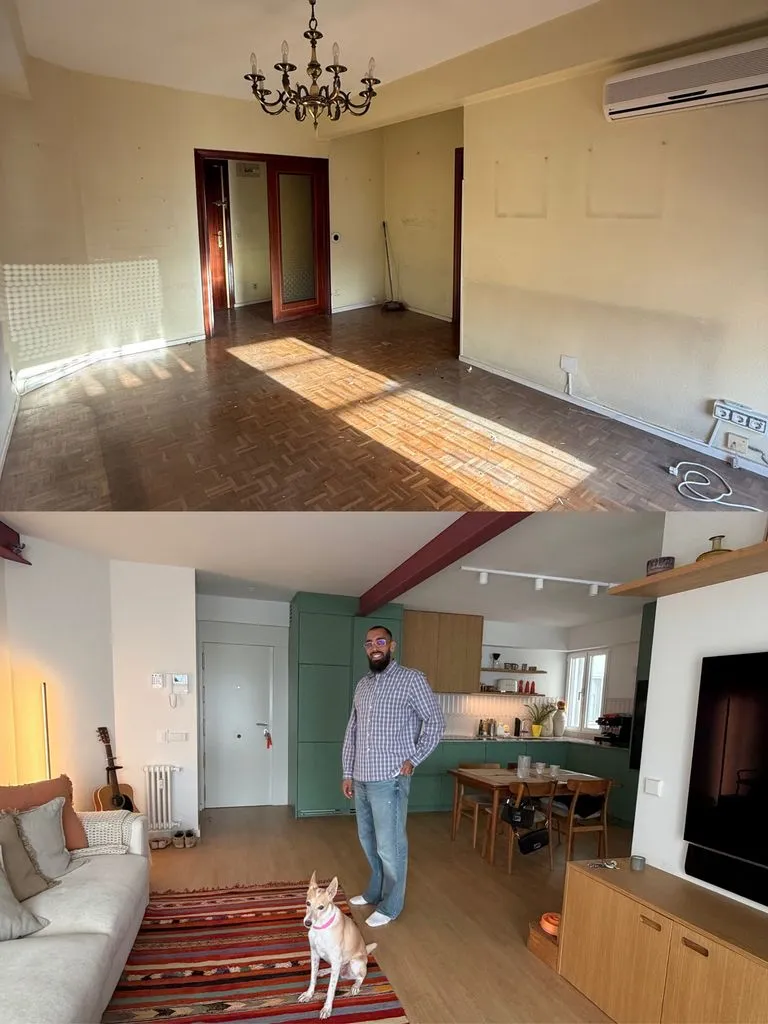
Four bedrooms became two, the yellow walls disappeared, and the hallway became part of the living room. A renovation with...
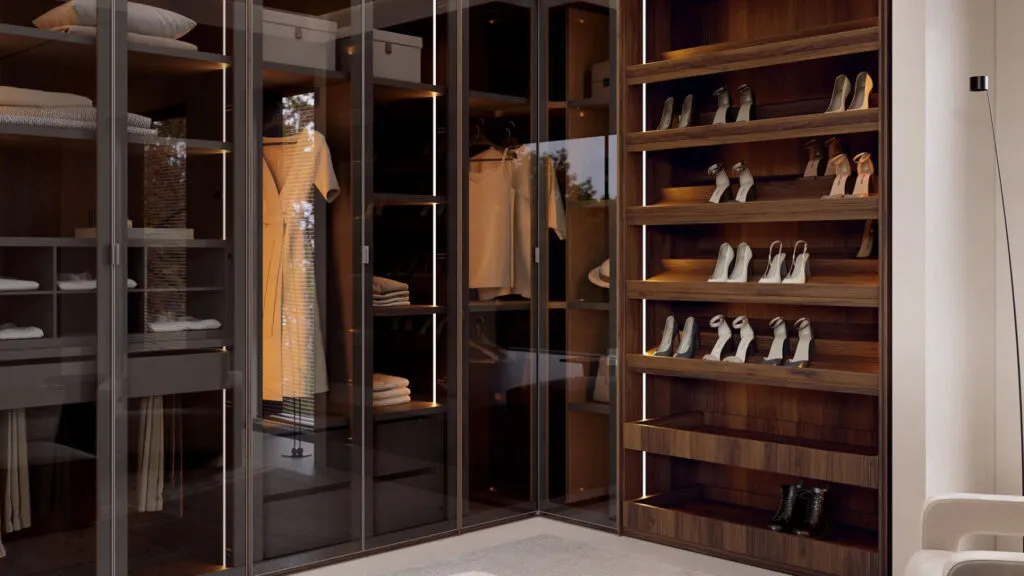
A walk-in closet isn't made with more wardrobes - it's made with an inventory, a tape measure and light that...
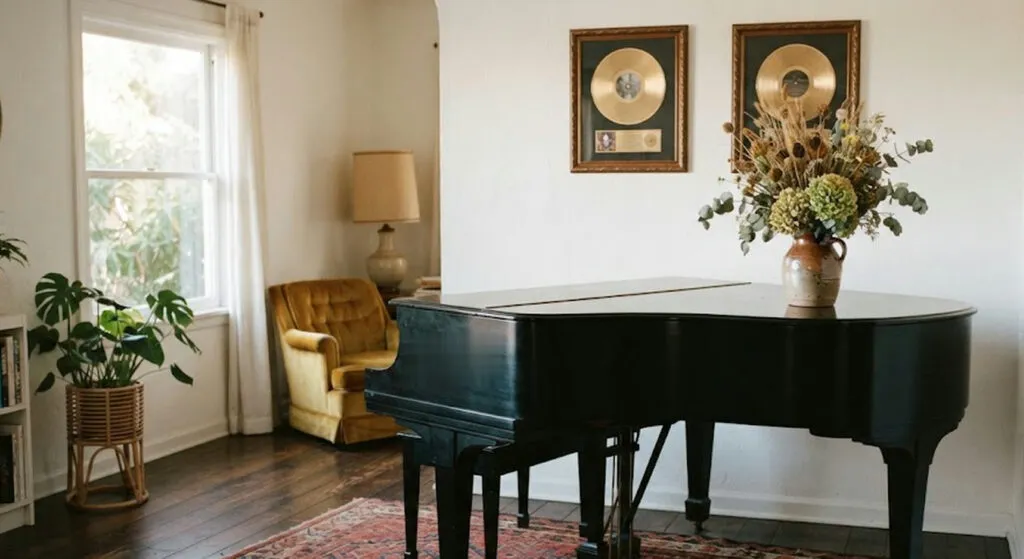
At home she wasn't a star, she was "Marieta". The house where she raised her children is still in the...
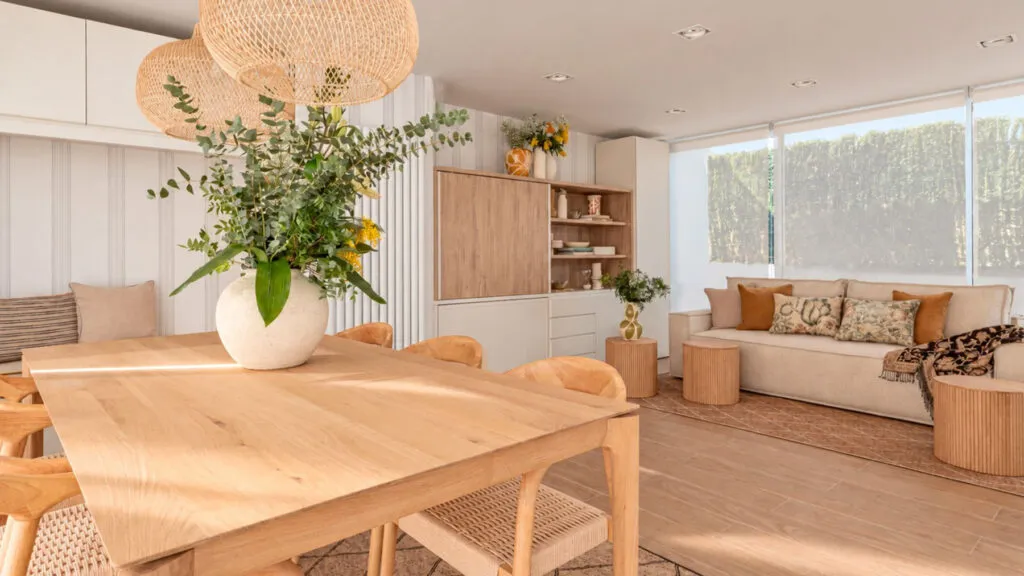
Out of 150 square metres of neglected rooftop, a family gained a whole extra floor: a place to work, host...

A double-height atrium that, according to the owners, only three other yachts in the world have, and a foundation funding...
This site uses cookies - is that okay? Learn more
Be the first to know when Metla launches something new
Leave your email and we will write when there is a new guide or something new on Metla.