


A week after the police brutality story, the Interior Ministry has its own version: the passenger took the officer's gun
15.10.2026


15.10.2026

15.10.2026

15.10.2026

15.10.2026

15.10.2026

15.10.2026

15.10.2026

14.10.2026

13.10.2026

15.10.2026

15.10.2026

14.10.2026

15.10.2026

15.10.2026

15.10.2026

15.10.2026

14.10.2026

13.10.2026

15.10.2026

15.10.2026

15.10.2026

15.10.2026

15.10.2026

15.10.2026

15.10.2026

14.10.2026

13.10.2026
13.10.2026

12.10.2026

10.10.2026

23.04.2026

23.04.2026

12.04.2026


You were waiting for a birthday, a promotion, a trip. The day came - and instead of euphoria, a neutral feeling. Sometimes even emptiness, followed by disappointment in yourself for not being happier. Psychologist Ester Boada, director of the Sukha centre, says this isn't a character flaw, it's simply how the mind works.
"We believe that once we get what we want, we'll be happy, but the mind adapts very quickly and immediately looks to the next goal," she explains. Psychology calls this hedonic adaptation - the tendency to return to our stable level of satisfaction after every good event. The example is a classic: someone saves for years, moves into a flat, celebrates for a few weeks - and is already planning to redo the kitchen.
How many people have lived exactly this scenario? Boada warns, though, that ambition isn't the culprit. "The problem isn't that we want more, it's that we constantly live with our eyes fixed on what's missing."
The good news is that this is a cognitive bias, and it can be trained. The suggestion is to stop and remind yourself that the things you take for granted today were once strong desires. The job you now complain about, for example, may once have been your dream.
Dopamine is for the chase, not the finish
The brain's reward system releases dopamine mainly while we are searching and anticipating, not when we arrive. That's why chasing goals can become almost an addiction - we get more attached to the race than to the result. The runner who crosses the finish line and, instead of glory, feels a strange emptiness knows this first-hand.
Boada offers four practical steps. First, "integration pauses": a few days or weeks in which you take in what you've achieved before setting a new goal. Second, look back: write down three things that five years ago were only wishes or unfinished projects. Third, tell goals apart from values, and link your successes to what gives everyday life meaning - health, relationships, learning. Fourth, "closing rituals": celebrate the success with the people who supported you.
Enjoying things, she says, is also something you learn. It doesn't mean giving up ambition, but separating well-being from the endless collecting of outward successes. Happiness depends less on what we acquire and more on how we live, who we share our life with and how we feel while we're living it. Simple on paper - but how many people stop long enough to check?
The latest 10 news from this category
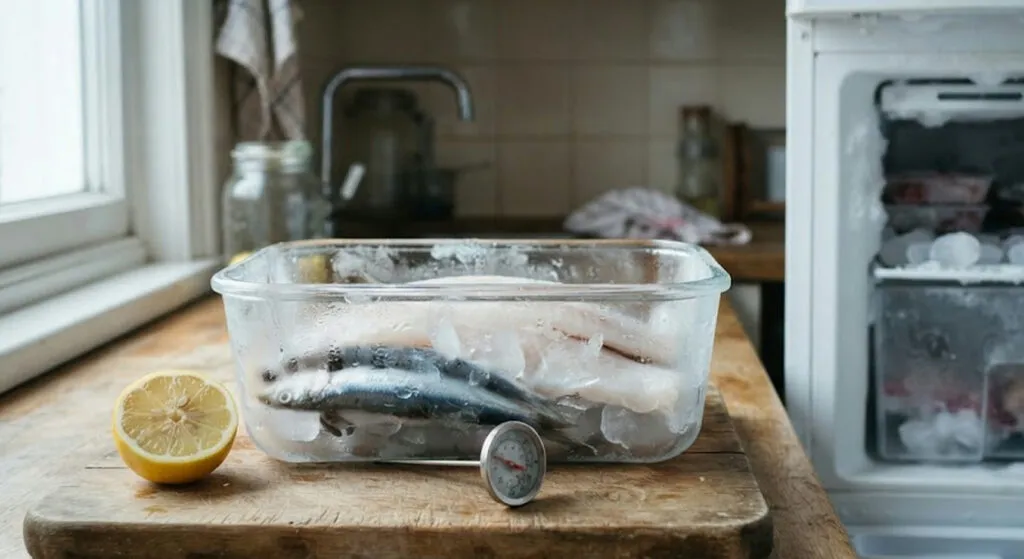
The larvae are killed only by 60 degrees at the centre of the piece or at least four days in...

We live as if rest has to be earned first. Without time to recover from stress, emotions get harder to...

In Macedonia, pumpkin usually ends up in tikvenik, the filo pumpkin pie, or baked with sugar. Three recipes for four...

The Princess of Wales doesn't run for the photographers - she walks uphill. A physiotherapist explains what the heart, muscles...

Aragonese cooking was made to feed shepherds and farmers, not to impress a jury. Yesterday's bread, lard, garlic and patience...

The architect of the Reichstag dome survived cancer and a heart attack, and he's still working. An expert explains why,...
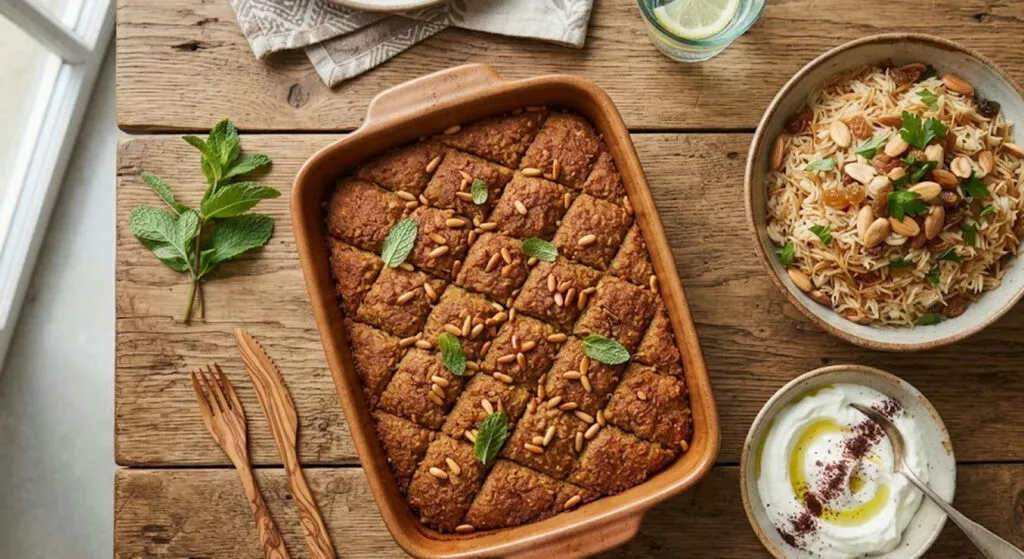
Her Madrid park for 55,000 people includes Lebanese food as a nod to the singer's heritage. The rice simmers for...

The person works, goes out, laughs - and sinks. In one international survey, 80 percent of the women asked admitted...
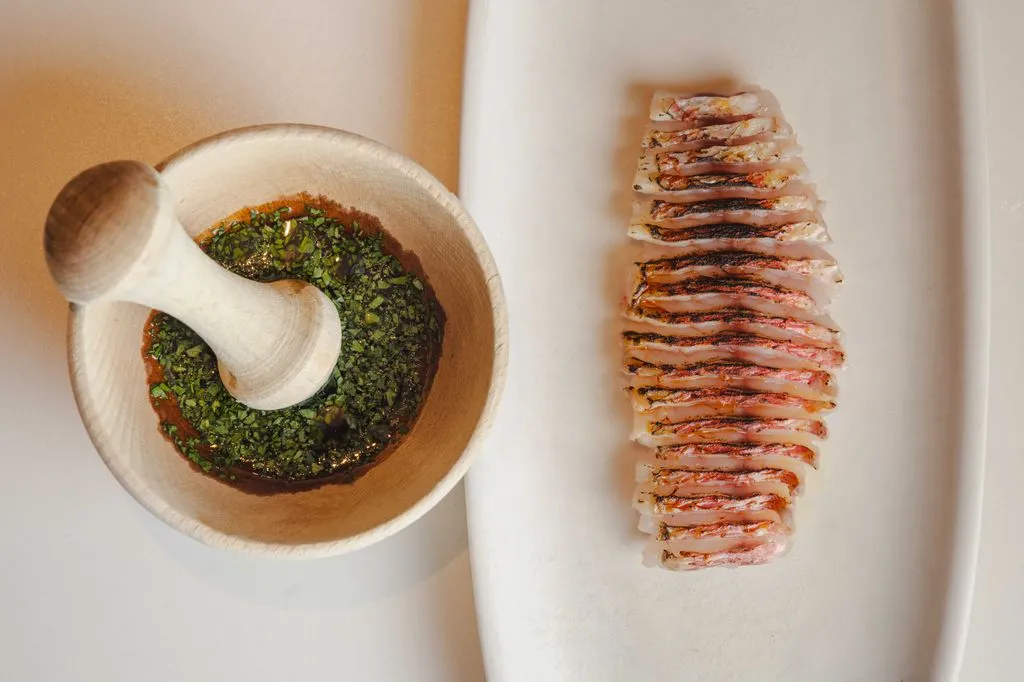
In an age of foam and smoke on the plate, an Andalusian with a star goes back to the stews...
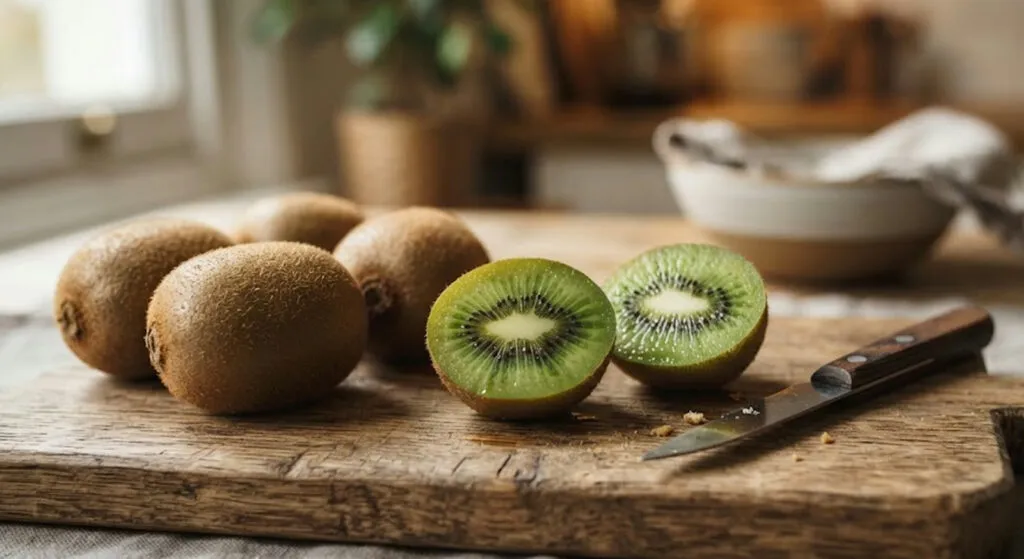
Everyone knows it for vitamin C, but kiwi hides an enzyme that helps break down protein. What one kiwi a...
This site uses cookies - is that okay? Learn more
Be the first to know when Metla launches something new
Leave your email and we will write when there is a new guide or something new on Metla.


