

The OLVX stolen-password market led to Golema Rečica: the Interior Ministry celebrates the operation but stays silent on whether there are Macedonian victims
16.10.2026


16.10.2026
16.10.2026
16.10.2026
16.10.2026

16.10.2026
16.10.2026

16.10.2026

15.10.2026

15.10.2026

16.10.2026
16.10.2026

15.10.2026
16.10.2026
16.10.2026

16.10.2026

16.10.2026

15.10.2026

14.10.2026

16.10.2026

16.10.2026

16.10.2026

16.10.2026
16.10.2026

16.10.2026

16.10.2026

15.10.2026

14.10.2026
15.10.2026

13.10.2026

12.10.2026

23.04.2026

23.04.2026

12.04.2026

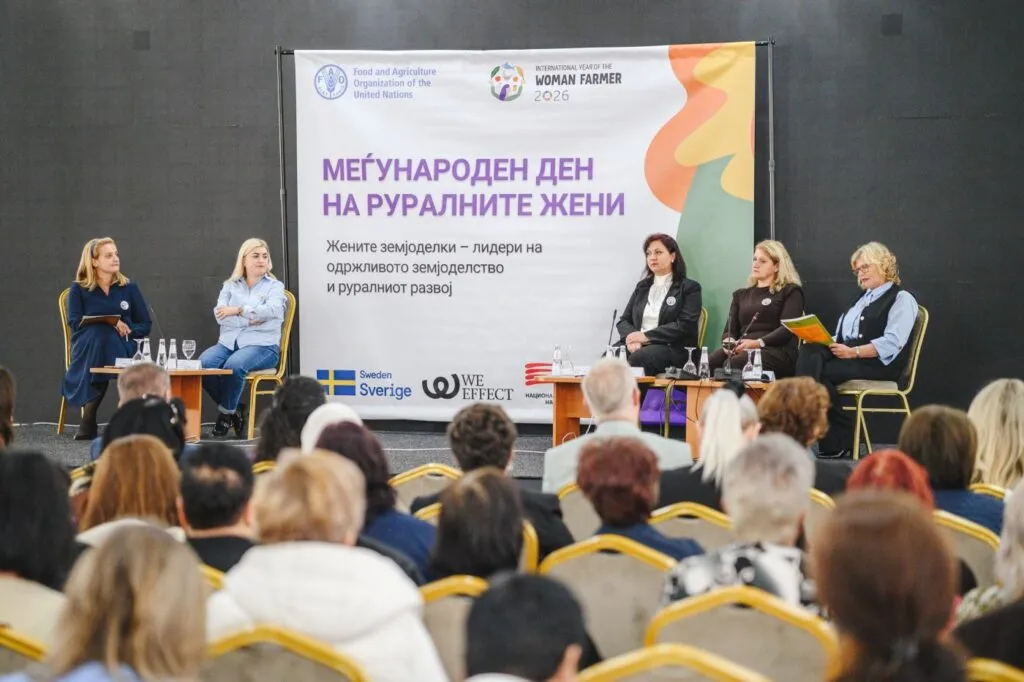
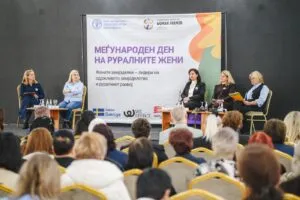
Agriculture Minister Borče Serafimovski came to Strumica to mark the International Day of Rural Women and delivered the line everyone expects at an event like this: "Rural women will always receive the support of the state." Then he gave the numbers. And it's the numbers that show how big that support really is.
The first is measure 115 - "Support for an active female member of an agricultural household". Farms listed in the Single Register of Agricultural Holdings where the holder or a member is a woman can apply until 13 November for co-financing of up to 360,000 denars for equipment to process and finish primary agricultural products and for services linked to a business plan. The application is filed on paper - in person at the registry office of the Agency for Financial Support in Agriculture and Rural Development, or by registered post. In 2026.
Two and a half million denars for maternity - for how many women?
The second number is even more interesting. Maternity benefit for women working in agriculture amounts to 100,000 denars in total over nine months. Funding for that programme, the minister says, was raised in the budget revision from one to two and a half million denars. Simple arithmetic says that two and a half million denars, divided into 100,000 per woman, is enough for twenty-five mothers at most. According to the Single Register of Agricultural Holdings, the country has 129,226 agricultural holdings and 29,971 women, 3,918 of them under 40.
The president of the National Federation of Farmers, Stevanče Jordanoski, said what the minister had skirted around: "Economic independence cannot exist without basic social security." The federation is asking for a permanent legal mechanism for the social protection of women farmers during maternity and sick leave, along with training and better access to markets. The women farmers at the event confirmed what every small producer knows: a new machine isn't worth much if the product never reaches a buyer.
One of the panellists, Vustasova, was the most direct: the measures "as they have been designed are not suited to their needs". The minister promised that women's voices would carry more weight in decisions. Good. The first test is simple: will next year's maternity benefit reach more than 25 women across the entire country?
The latest 10 news from this category
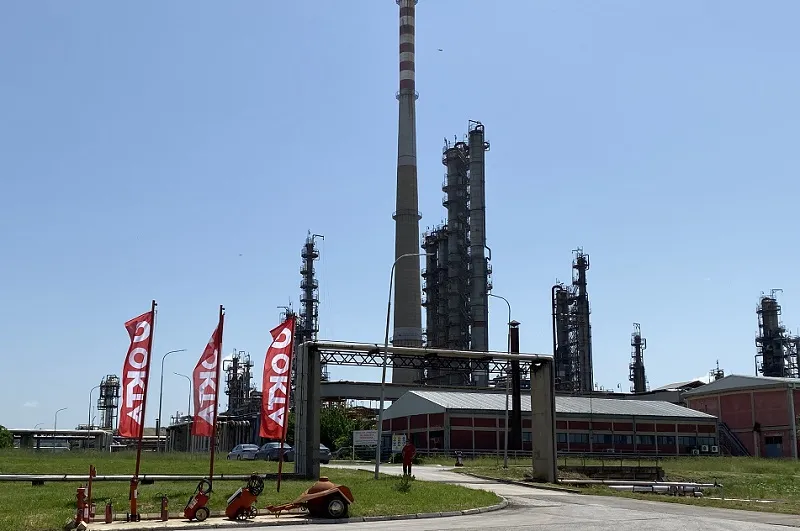
The prime minister talks about GDP growth, the minister about an "option". Nobody says what the filters will cost to...
Eurostat says we're the cheapest, the unions say the basket rose by 4,355 denars in a single year. Both are...
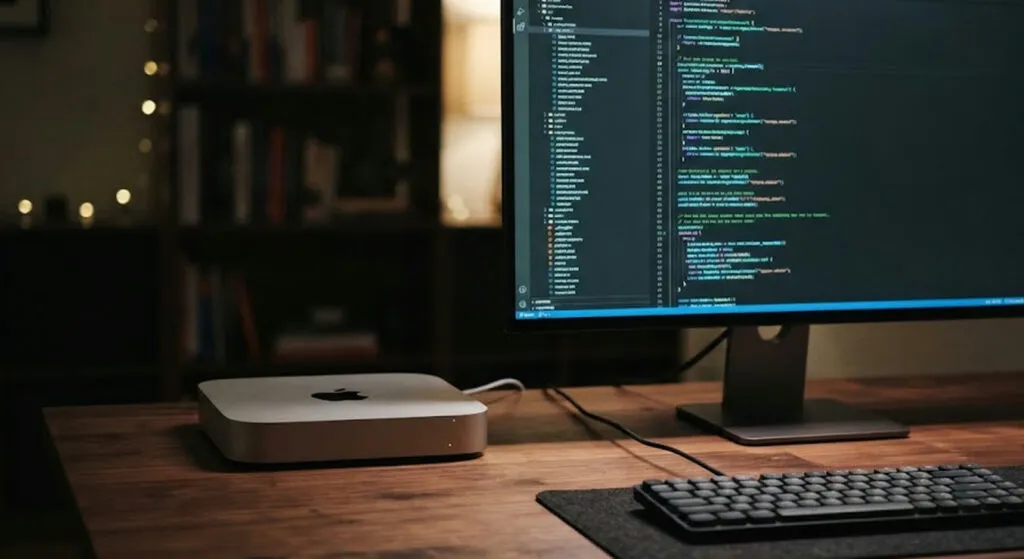
816 billion parameters, open weights and a promise that it runs on a Mac. The small print: you need at...

In four months its valuation jumped by 16 billion dollars. Automating boring expense reports in America is a 60-billion business...
All it takes is an ad appearing on your screen and the device is infected. Al Jazeera is most likely...
Cauliflower at up to 250 denars at the market, young cabbage nearly four times dearer from field to stall. Farmers...
From December 1, shorter loans for a second flat and an easier down payment for a first home. But a...
244,513 tourists in August and 3 percent growth over eight months. But 70.8 percent of overnight stays belong to domestic...
Three labels, from "fully generated" to "no AI", and not a single ban. YouTube is tagging machine-made songs while also...
The company Meta and Google put more than 10 billion dollars into is now asking the stock market for money....
This site uses cookies - is that okay? Learn more
Be the first to know when Metla launches something new
Leave your email and we will write when there is a new guide or something new on Metla.


