


The OLVX stolen-password market led to Golema Rečica: the Interior Ministry celebrates the operation but stays silent on whether there are Macedonian victims
16.10.2026


16.10.2026
16.10.2026
16.10.2026

16.10.2026

16.10.2026
16.10.2026

16.10.2026

15.10.2026

15.10.2026

16.10.2026

16.10.2026

15.10.2026

16.10.2026

16.10.2026

16.10.2026

16.10.2026

15.10.2026

14.10.2026

16.10.2026

16.10.2026

16.10.2026
16.10.2026
16.10.2026

16.10.2026

16.10.2026

15.10.2026

14.10.2026
15.10.2026

13.10.2026

12.10.2026

23.04.2026

23.04.2026

12.04.2026

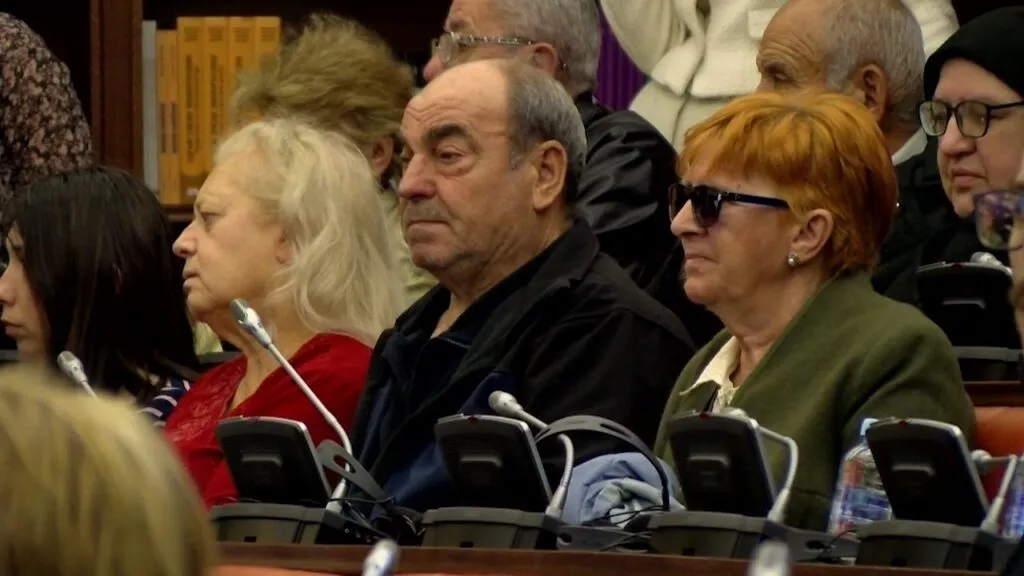
On 15 October, International White Cane Day, blind and partially sighted people came to parliament and delivered the most absurd sentence of the year: on White Cane Day, the white cane itself isn't available to them. "By law we're entitled to a cane, but we'd have to get it in Macedonia. There aren't any in Macedonia," said Vesna and Zoran, a married couple who have lived without sight for three decades.
And the state doesn't even know how many people are actually waiting for that cane. It's estimated that Macedonia has between four and ten thousand blind and partially sighted people - a range of a full six thousand people, because a state register still hasn't been set up. More than 2,500 are members of the National Union of the Blind, which works through 18 local associations. The rest, in practice, don't exist on paper.
A panel every year, for blindness that doesn't go away
The list of problems laid out before MPs is long and specific. There aren't enough tactile paths or working audible traffic signals, and pavements are taken over by cars. People who are permanently blind have to go before a panel every year to renew their right to care allowance, and on top of the specialist's report they're asked for a Barthel index, for which, they say, they pay around 570 denars. As if blindness might clear up by next year.
Personal assistance is a story of its own. Vesna has gone through six personal assistants so far, because, she says, they have no regulated employment status, health insurance or pension contributions. The assistant leaves, and the blind person is left without the support they had just got used to. In Kičevo, meanwhile, the local association of the blind has had no space to meet since 2019, and one member says a blind person gets 10,000 denars a month - a sum that, he says, doesn't even cover the electricity and water bills.
The demands are specific, the responses are generic
Blind people are asking the Health Insurance Fund to simplify access to white canes and other aids, to restore the right to a companion during hospital treatment and rehabilitation, to bring back discounted transport, to separate personal assistance into its own category, and to improve disability allowance. They're also asking for ratification of the Marrakesh Treaty, which eases access to books in formats accessible to visually impaired people, and for digital accessibility to be "the rule, not the exception" - since many public digital platforms still don't meet the standards.
MP Nikola Micevski, chair of the Inter-Party Parliamentary Group for the Rights of Persons with Disabilities, said accessibility "is not an extra privilege or a luxury, but a basic precondition" for human rights. From the authorities came the familiar "efforts are being made". Sounds nice. But when the state can't even provide the cane it owes a blind person by law, how long will audible signals, tactile paths and a register take?
The latest 10 news from this category
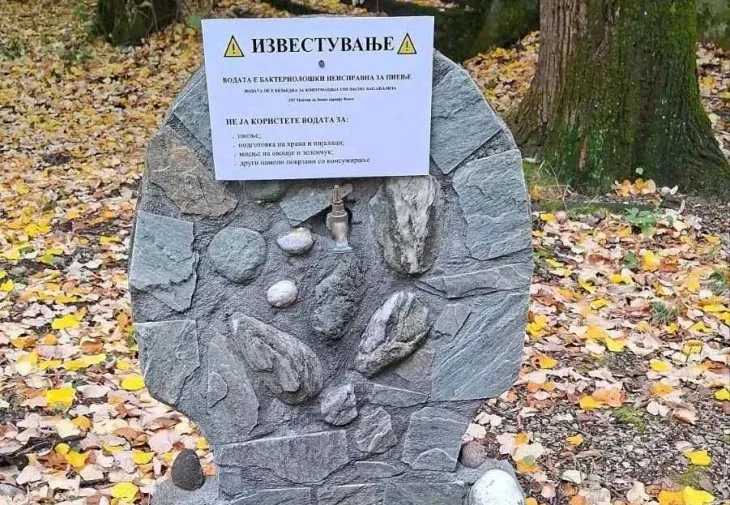
Signs on stone and an appeal not to drink. But what about the water supply in Smrdliva Voda - the...
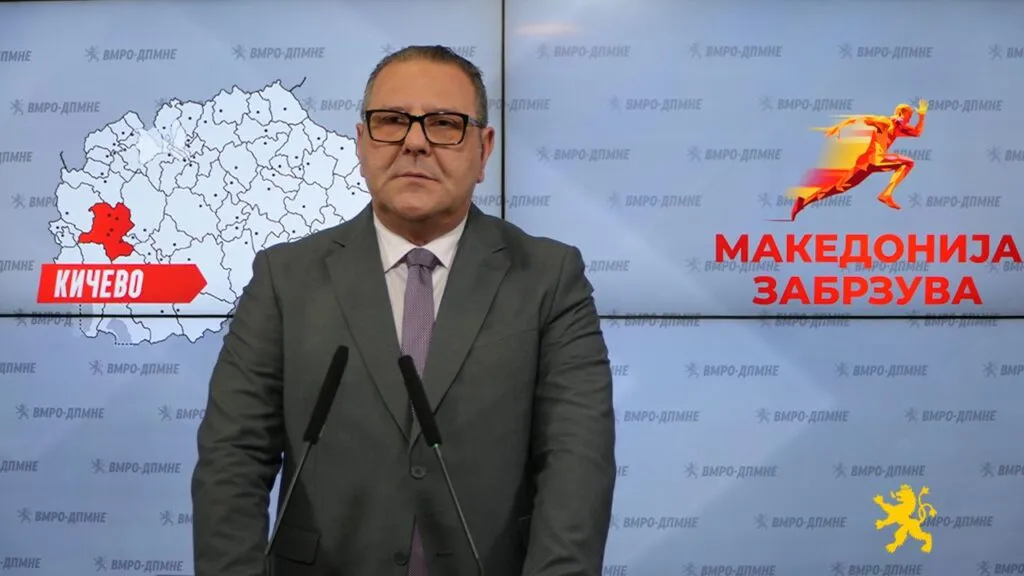
Mayor Jovanovski is boasting about savings. But if school transport suddenly costs half as much, someone needs to explain why...
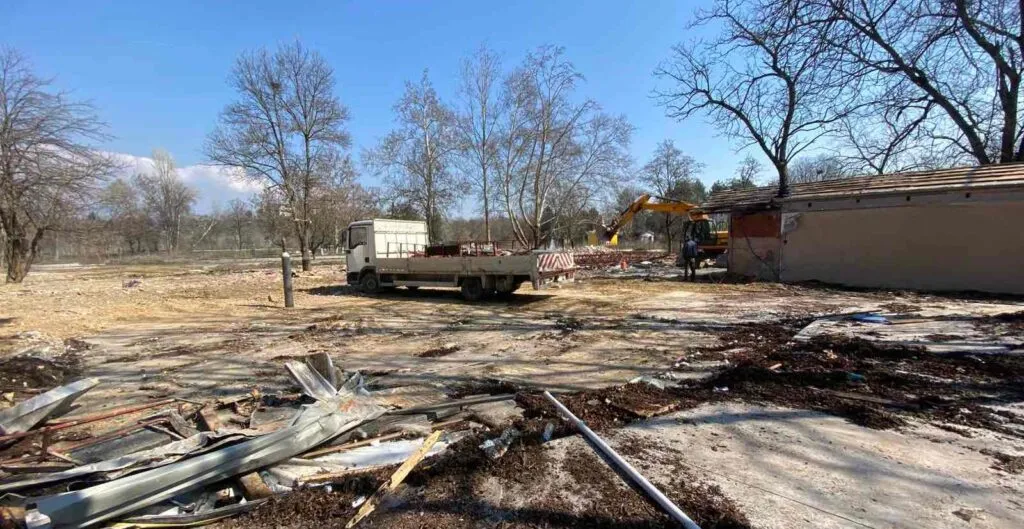
December: "one of the best in the region". May: a 10-million-euro contract. By August: cancelled, over a court case about...
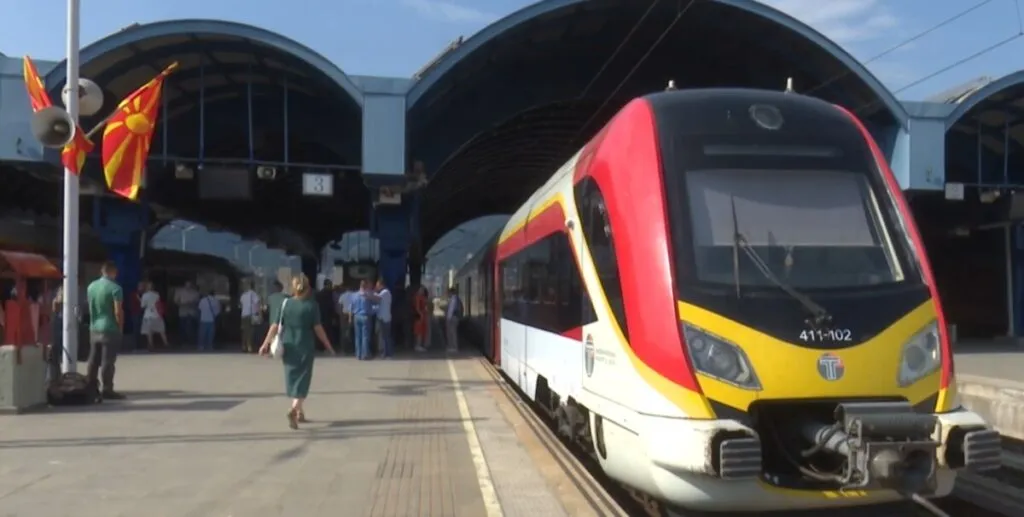
A passenger isn't a car, and 150 electric buses aren't the 250 Skopje asked for. The minister calls criticism of...
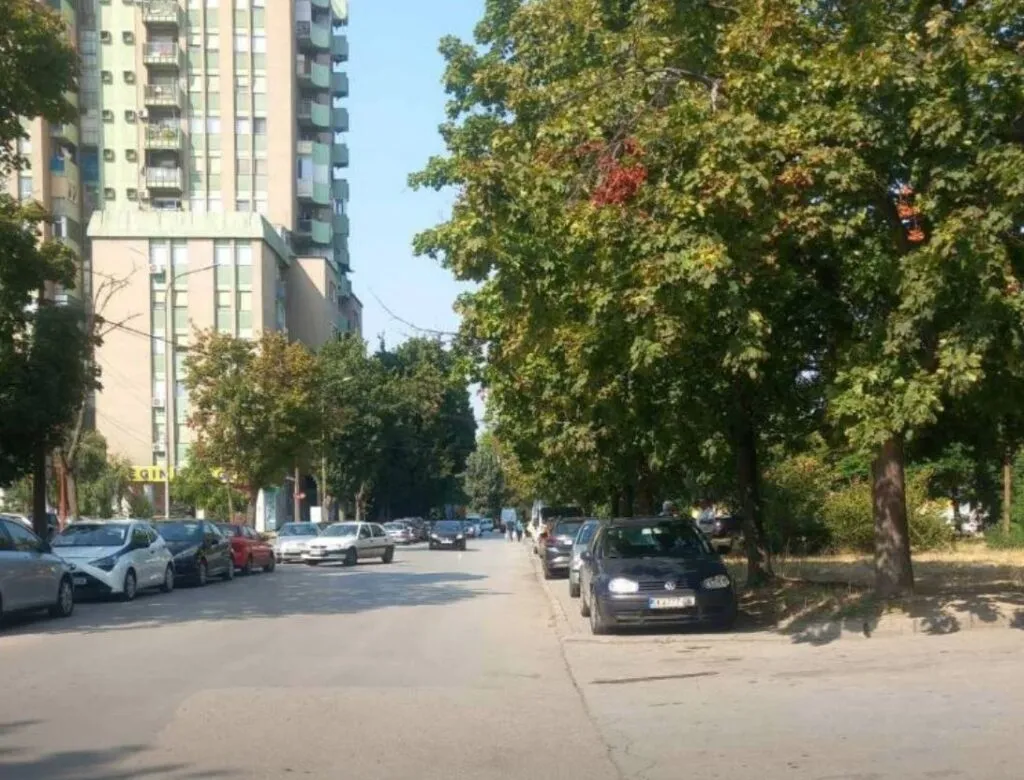
The City pays, the municipality draws up the plan, the public roads company paints the lines. Only the residents have...
The municipality is showing off a map of potential and a memorandum for Žabeni. Civil groups reminded everyone that workers...
Vezirovski is suspected of influencing prosecutors and judges in at least four cases. His replacement is the man who put...

Bitola and Karpoš announced chimney subsidies, but not a single figure on how much money is in the pot. "First...
Over 100 million denars in projects, a new urban plan and debt paid down - a municipal report, delivered in...
Both passports confiscated, a warrant issued, detention ordered - and no legal exit on record. Sofia cites its Constitution, Skopje...
This site uses cookies - is that okay? Learn more
Be the first to know when Metla launches something new
Leave your email and we will write when there is a new guide or something new on Metla.


