

The OLVX stolen-password market led to Golema Rečica: the Interior Ministry celebrates the operation but stays silent on whether there are Macedonian victims
16.10.2026


16.10.2026
16.10.2026

16.10.2026
16.10.2026

16.10.2026

16.10.2026

16.10.2026

15.10.2026

15.10.2026

16.10.2026

16.10.2026

15.10.2026
16.10.2026

16.10.2026

16.10.2026

16.10.2026

15.10.2026

14.10.2026

16.10.2026

16.10.2026

16.10.2026

16.10.2026

16.10.2026

16.10.2026

16.10.2026

15.10.2026

14.10.2026
15.10.2026

13.10.2026

12.10.2026

23.04.2026

23.04.2026

12.04.2026

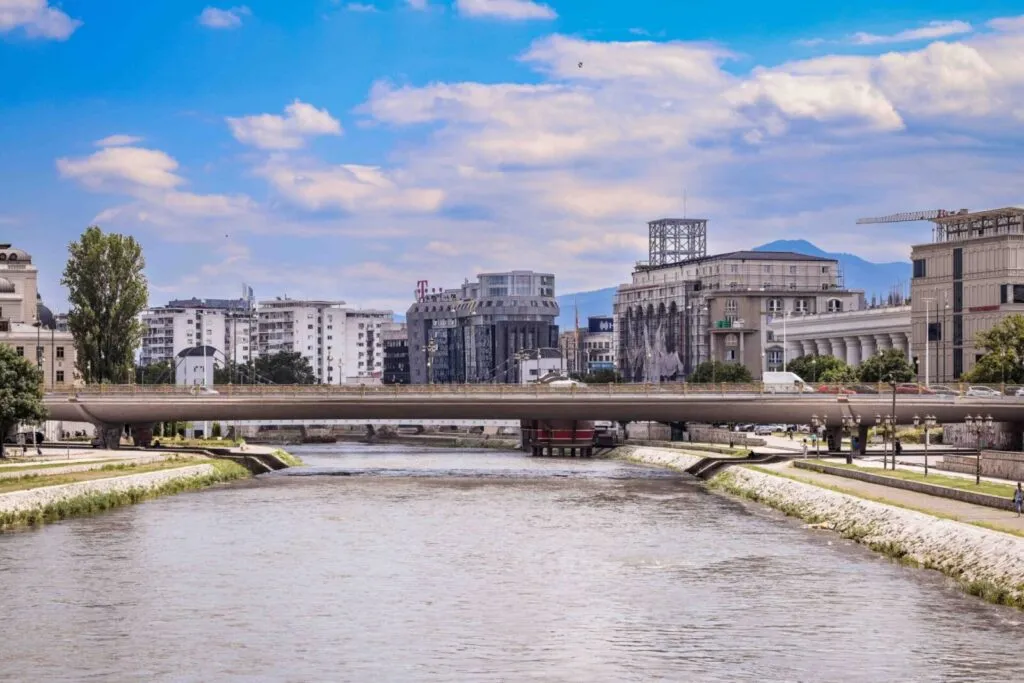
Macedonia is the cheapest country in Europe. Skopje is one of the least favourable cities to live in in Europe. Both sentences are true this week - and every family counting denars at the end of the month lives right in the gap between them.
According to Eurostat, Macedonia's price level index for household consumption in 2025 stood at 54.8, against a European average of 100. That's the lowest of the 36 countries compared. Serbia is at 68, Montenegro at 66.1, Bulgaria at 62.5, Bosnia and Herzegovina at 59.2, Albania at 72.6 and Croatia at 78.4. For a tourist arriving with euros - paradise.
Skopje harder to live in than Paris
But an analysis by Italian entrepreneur Alessandro Palombo, comparing quality of life and affordability across 79 European cities using data from the Numbeo platform, puts Skopje in a group with Belgrade, Sofia and Bucharest - cities where low wages eat away at living standards. In the model, Skopje comes out as financially less favourable to live in than even Paris and London, although prices here are much lower. The methodology has its weaknesses, but the logic is clear: cheap only counts if you have something to pay with.
So what are we paying with? The average net wage in July 2026 was 48,499 denars, up 7.1 percent on last year. Sounds good - until you put it next to the minimum union consumer basket. According to the Federation of Trade Unions, it reached 69,432 denars in September for a family of four. That's 757 denars more in a single month, 4,355 denars more in a year and 8,126 denars more in two years.
Inflation is 2.7 percent - the basket is 6.7
Official annual inflation in September was 2.7 percent. The basket, calculated from the published figures, grew by around 6.7 percent in a year. For housing, water, electricity and fuel, prices are up 3.7 percent year on year. The statistics don't lie, but they measure an average - and a family that spends almost its whole wage on food and bills doesn't live in the average.
Two average wages bring in almost 97,000 denars, which on paper covers the basket. One average wage covers only about 70 percent of it. Second-quarter GDP growth of 4.3 percent is real, and so are the cheap prices by European standards. But when Skopje sits next to Sofia and Bucharest in European comparisons, and behind Paris on how hard it is to get by, the question isn't how cheap it is - it's why it's so hard.
The latest 10 news from this category
The prime minister talks about GDP growth, the minister about an "option". Nobody says what the filters will cost to...

The minister says rural women will always have the state's support. The arithmetic says the maternity money will reach 25...
816 billion parameters, open weights and a promise that it runs on a Mac. The small print: you need at...

In four months its valuation jumped by 16 billion dollars. Automating boring expense reports in America is a 60-billion business...

All it takes is an ad appearing on your screen and the device is infected. Al Jazeera is most likely...
Cauliflower at up to 250 denars at the market, young cabbage nearly four times dearer from field to stall. Farmers...
From December 1, shorter loans for a second flat and an easier down payment for a first home. But a...
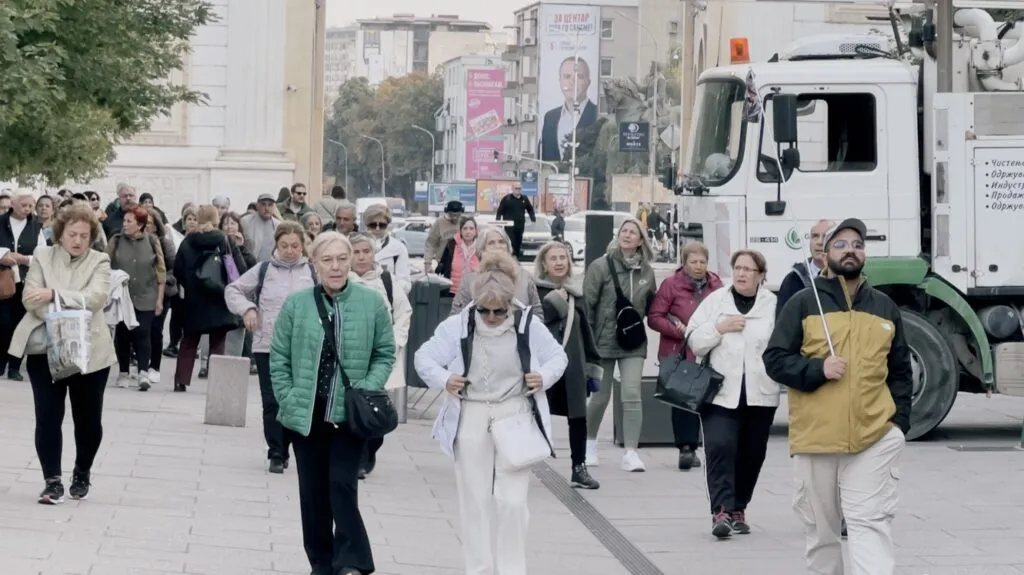
244,513 tourists in August and 3 percent growth over eight months. But 70.8 percent of overnight stays belong to domestic...

Three labels, from "fully generated" to "no AI", and not a single ban. YouTube is tagging machine-made songs while also...
The company Meta and Google put more than 10 billion dollars into is now asking the stock market for money....
This site uses cookies - is that okay? Learn more
Be the first to know when Metla launches something new
Leave your email and we will write when there is a new guide or something new on Metla.


