


The Mihailova Case Goes to NATO: Mickoski Blames Sofia, and the Interior Ministry Still Hasn't Explained How She Crossed the Border
17.10.2026


17.10.2026

17.10.2026

17.10.2026

17.10.2026

17.10.2026

17.10.2026

17.10.2026

16.10.2026

15.10.2026

17.10.2026

17.10.2026

16.10.2026

17.10.2026

17.10.2026

17.10.2026

17.10.2026

16.10.2026

15.10.2026

17.10.2026

17.10.2026

17.10.2026

17.10.2026

17.10.2026

17.10.2026

17.10.2026

16.10.2026

15.10.2026
15.10.2026

13.10.2026

12.10.2026

23.04.2026

23.04.2026

12.04.2026

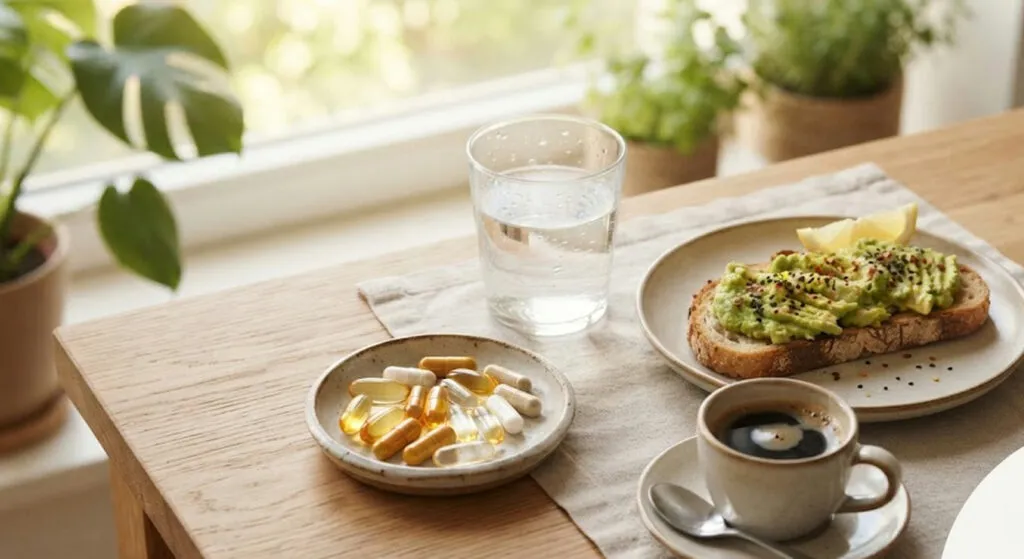
Magnesium for better sleep, vitamin D for the bones, omega-3 for the heart, iron when the blood test says so. Supplements now sit on kitchen shelves like spices. And with them comes the eternal question: morning or night? GP Vicente Pascual, who works with a Spanish supplement maker, gives an answer that isn't quite what the marketing department would want: for most vitamins and minerals, the time of day isn't decisive.
Morning matters mainly for stimulants. Products with caffeine are best taken earlier in the day, because a late dose can delay sleep. For most vitamins and minerals there's no proven advantage to taking them in the morning - you can take them whenever suits your daily rhythm best. The exception is sleep products. "Products intended for sleep, such as those containing melatonin, are recommended shortly before going to bed," Pascual says. Other sleep aids depend on their ingredients and on the instructions of the manufacturer or a health professional.
What matters more than the time is what you swallow them with. Vitamin D, which is fat-soluble, and omega-3 are absorbed better with a meal that contains fat. Iron is usually absorbed better on an empty stomach, but it irritates many people's stomachs, so it can be taken with food too. Vitamin C helps iron, while calcium, coffee and tea get in its way. So an iron tablet with your morning coffee is a bad combination. For multivitamins with no special instructions, the doctor advises taking them with a main meal, "preferably breakfast, so you don't forget".
Then come the mistakes. "Natural doesn't necessarily mean harmless," Pascual warns. People often take two products containing the same nutrients without realising they're doubling the dose, or don't tell their doctor they're taking supplements while on treatment. Calcium and iron, for example, can interfere with the absorption of levothyroxine, the thyroid medication, if the doses aren't spaced apart. His advice is to check all products with a doctor or pharmacist.
Even storage has rules. Most supplements keep best in their original closed packaging, in a dry, cool place away from light and heat. The fridge, unless the box specifically says so, can do more harm than good - moisture undermines the product's stability.
And the most important part, which the doctor himself admits: a varied diet, such as the Mediterranean one, good sleep and exercise come first. Needs depend on age, diet, stage of life, symptoms, illnesses and medication, and some deficiencies need a check-up and tests first. When a doctor who works with a supplement maker tells you the plate comes first and the pill only after - it's worth listening.
The latest 10 news from this category

Every group has someone who organises everything and someone who has only been reading for months. Psychology says neither is...

The British turned stale bread into a warm pudding served with custard. The secret isn't the bread, it's the filling,...
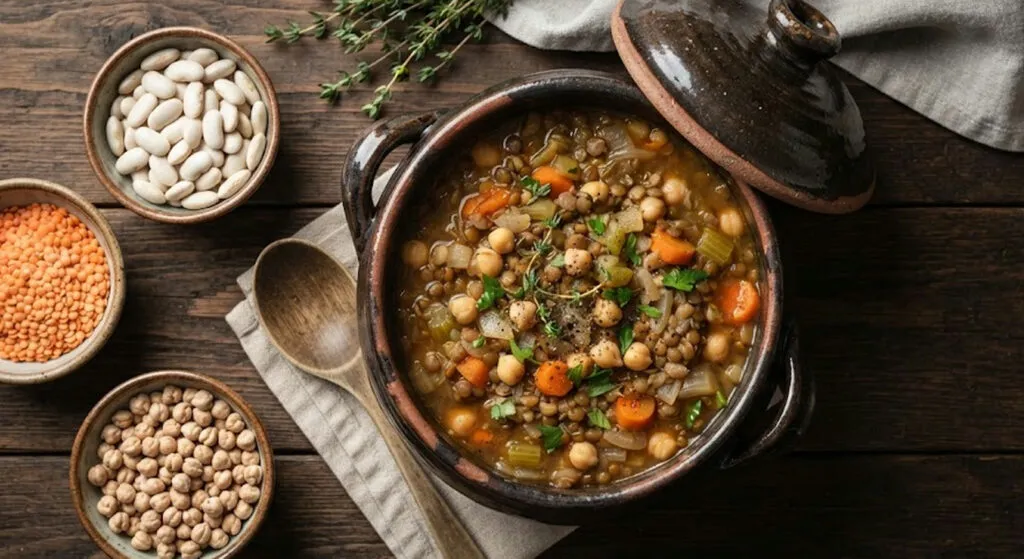
Cheap, filling, cholesterol-free and happy to wait months in the pantry. Ten legume recipes for autumn - and the trick...

You save for years for a flat, celebrate for a few weeks, and then you're already planning a new kitchen....
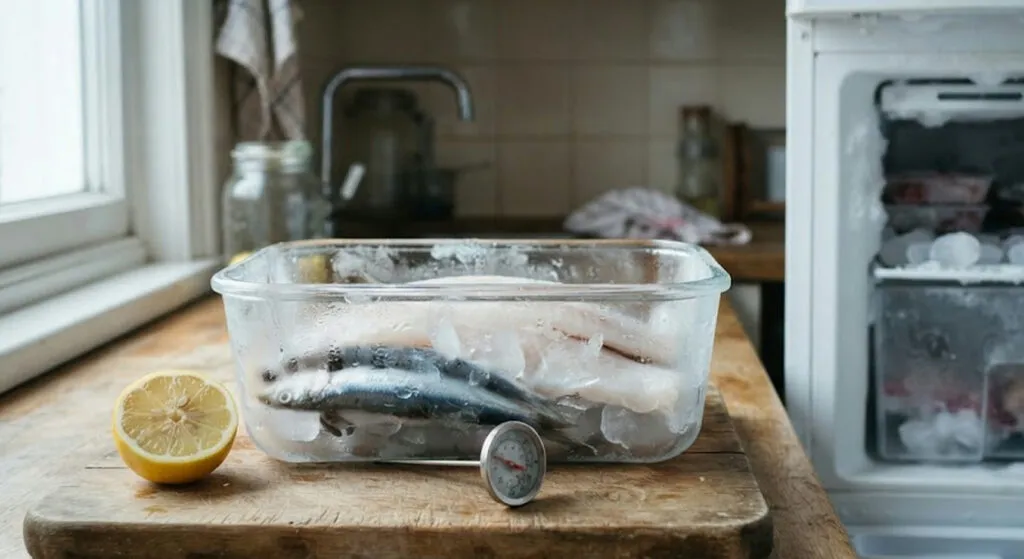
The larvae are killed only by 60 degrees at the centre of the piece or at least four days in...

We live as if rest has to be earned first. Without time to recover from stress, emotions get harder to...

In Macedonia, pumpkin usually ends up in tikvenik, the filo pumpkin pie, or baked with sugar. Three recipes for four...

The Princess of Wales doesn't run for the photographers - she walks uphill. A physiotherapist explains what the heart, muscles...
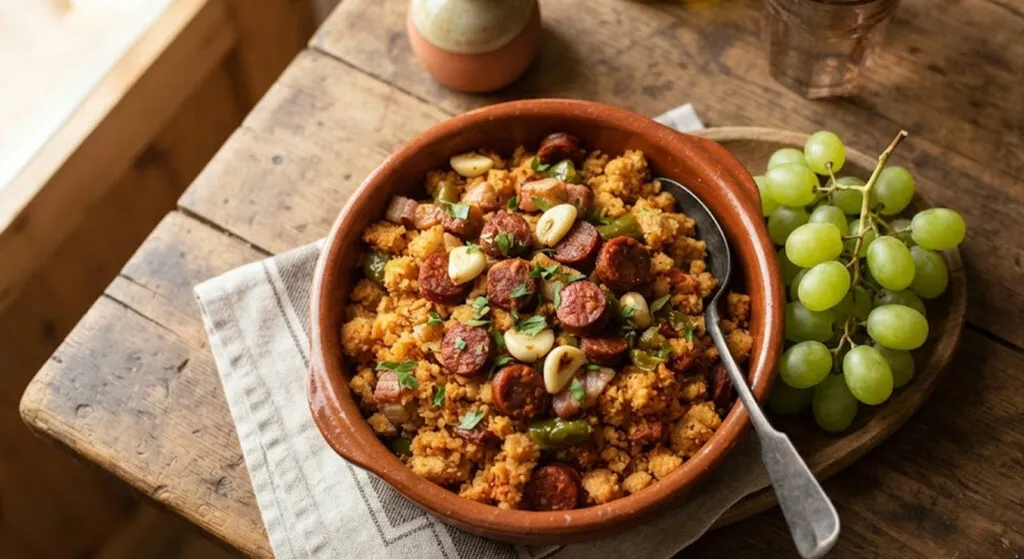
Aragonese cooking was made to feed shepherds and farmers, not to impress a jury. Yesterday's bread, lard, garlic and patience...

The architect of the Reichstag dome survived cancer and a heart attack, and he's still working. An expert explains why,...
This site uses cookies - is that okay? Learn more
Be the first to know when Metla launches something new
Leave your email and we will write when there is a new guide or something new on Metla.


