
The Young Men From Saraj Say They Were Beaten After Being Subdued, the Union Claims They Tried to Run Police Over: The Interior Ministry Is Still Just Investigating
11.10.2026


11.10.2026

11.10.2026

11.10.2026

11.10.2026

11.10.2026

11.10.2026

11.10.2026

11.10.2026

11.10.2026

11.10.2026

11.10.2026

10.10.2026

11.10.2026

11.10.2026

11.10.2026

11.10.2026
10.10.2026

09.10.2026

11.10.2026

11.10.2026

11.10.2026

11.10.2026

11.10.2026

10.10.2026

11.10.2026

11.10.2026
09.10.2026

10.10.2026

08.10.2026

06.10.2026

23.04.2026

23.04.2026

12.04.2026

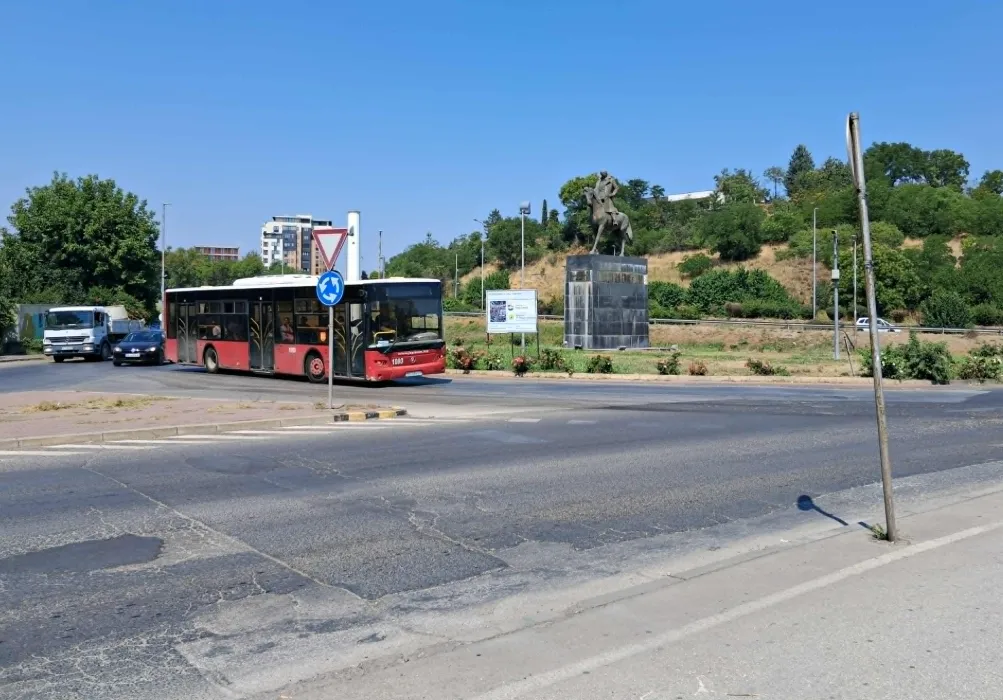
Every heavy rain in Skopje raises the same question, and every time it gets the same answer: we know where the problem is. The City of Skopje confirmed that three locations flood regularly during intense rainfall - part of Srbija Boulevard, the underpass at „Mavrovka”, and the roundabout at „East Gate”.
The same three spots were underwater during the heavy downpours in early July, when traffic across the city was slowed or cut off in several places.
City officials explain that the locations have already been mapped as critical and that drains and sewer networks are cleaned regularly to allow greater flow. But they add something important: during extremely intense rainfall, a volume of water builds up in a short time that exceeds the capacity of the existing storm drainage. In other words, cleaning is not a solution when the system is too small.
Two of the spots have a solution on paper
Technical designs have already been drawn up for „Srbija” and for the underpass at „Mavrovka”. They call for increased capacity to collect and carry away storm water, additional drains, and interventions on the existing network. According to the City of Skopje, carrying them out should significantly reduce the chance of flooding again.
Technical solutions drawn up. Not built - drawn up. The difference between those two words is paid for by every driver who ends up stuck at the roundabout.
At „East Gate”, even that is not enough
The most complicated situation is at the roundabout near „East Gate”, and the reason is neither neglect nor a clogged drain - it is the lay of the land. It is one of the lowest points in that part of the city, so water from the wider area naturally runs straight there.
Because gravity drainage capacity is limited, the problem cannot be solved by a local intervention or by adding new drains. A permanent fix would require a broader infrastructure project, rebuilding a significant part of the storm network in that area.
That is an honest answer. It is also an admission that the area was built up without anyone calculating in advance where the water would go - and once it is built, the repair bill is incomparably larger than the calculation would have been.
Three spots are not the whole list
The July storm showed that the problem does not end at the mapped locations. Streets flooded in Centar, Kisela Voda, Gazi Baba and other parts of the city, trees and branches came down, and roofs were damaged.
The City of Skopje says it will continue with preventive cleaning and maintenance, and also with infrastructure solutions meant to make the city more resilient.
Only one question remains, and it is a question for the calendar, not for engineering: when? Because technical solutions sitting in a drawer do not carry water anywhere.
The latest 10 news from this category
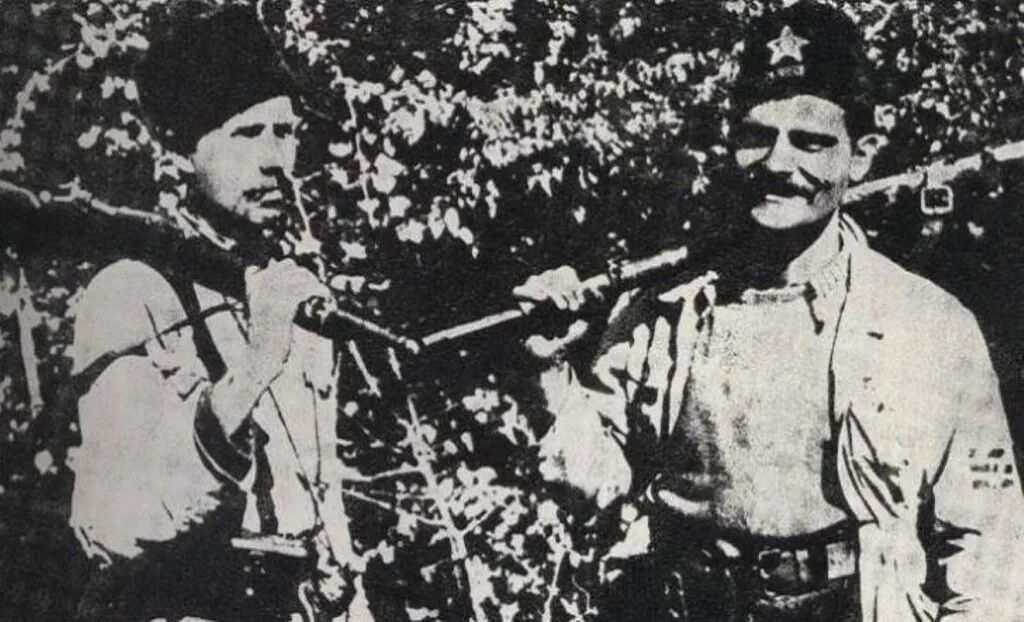
Sixteen partisans in three groups attacked the Bulgarian occupation police station and the prison in Prilep and marked the start...
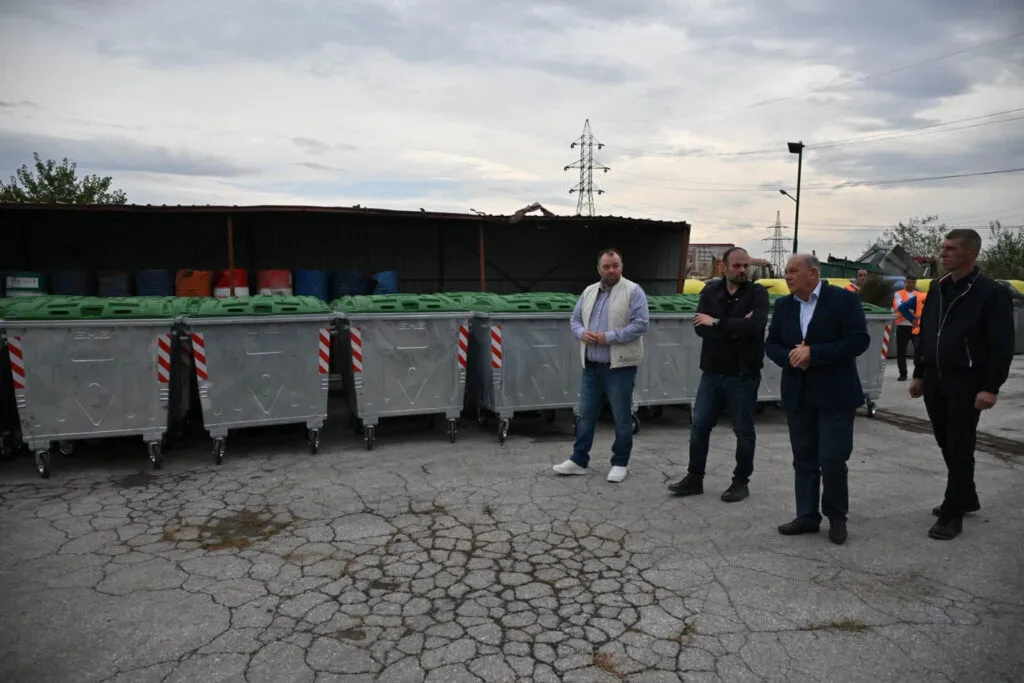
The new 1,100-liter bins are meant to replace the big ones, for which the utility had only one working truck...
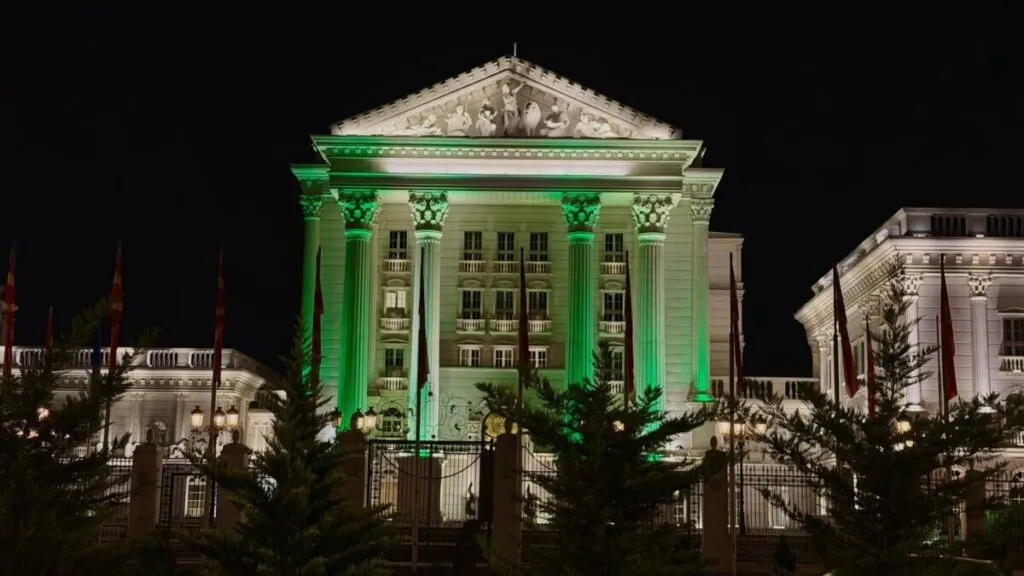
Facades across Macedonia glowed green for European Organ Donation Day. The minister said the most important sentence: say your decision...

Bitola finally got a festival for the dish that earned its people the nickname "chkembari". The restaurant "Korzo" took the...
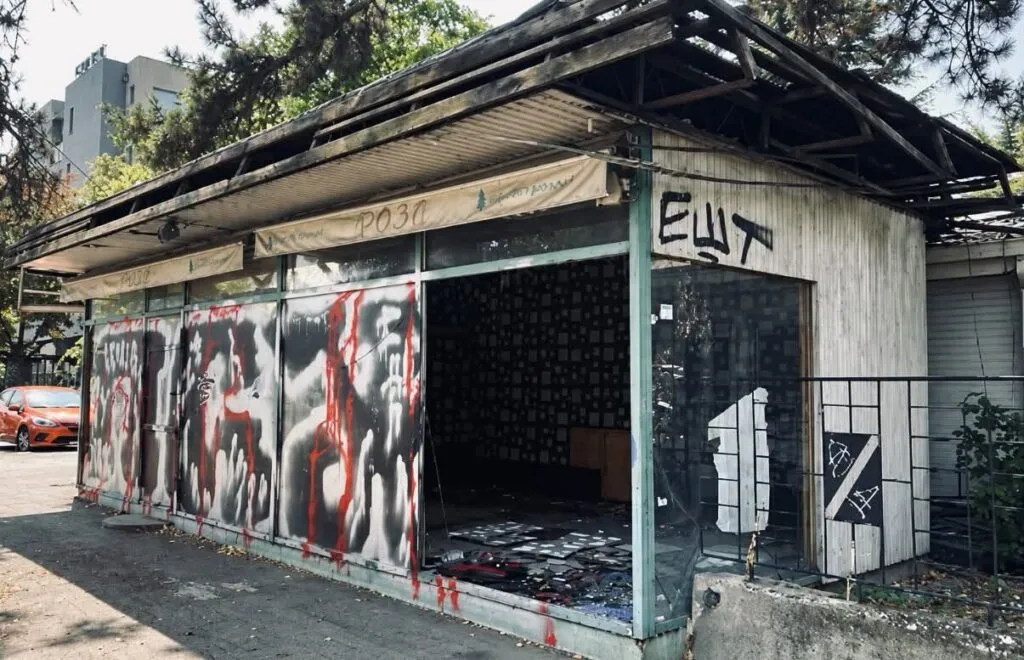
Skopje is bringing back the city flower shops by the "Lotus" fountain and the Ministry of Economy. Good that someone...

Grading and gravel so the road to Jamište is passable "again". When the news is that a road can be...
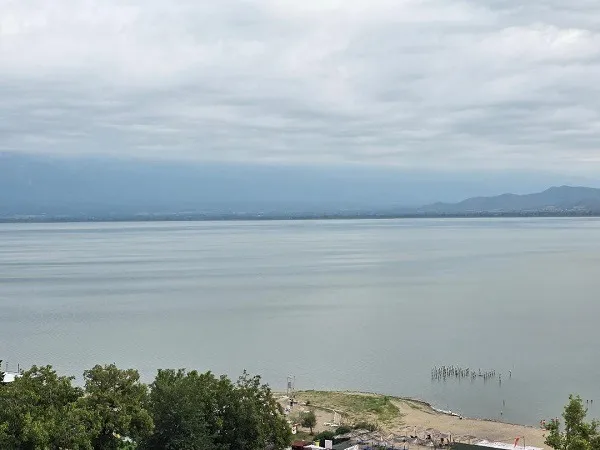
The fifty or so centimetres the lake won back last winter, the dry summer took away. The rescue system is...

Eight beekeepers have won the right to the "Mariovo honey" label. Who will check on them and how much they...

Ten teams from Macedonia, Turkey and Hungary are competing for the tastiest tripe soup. The city whose nickname comes from...
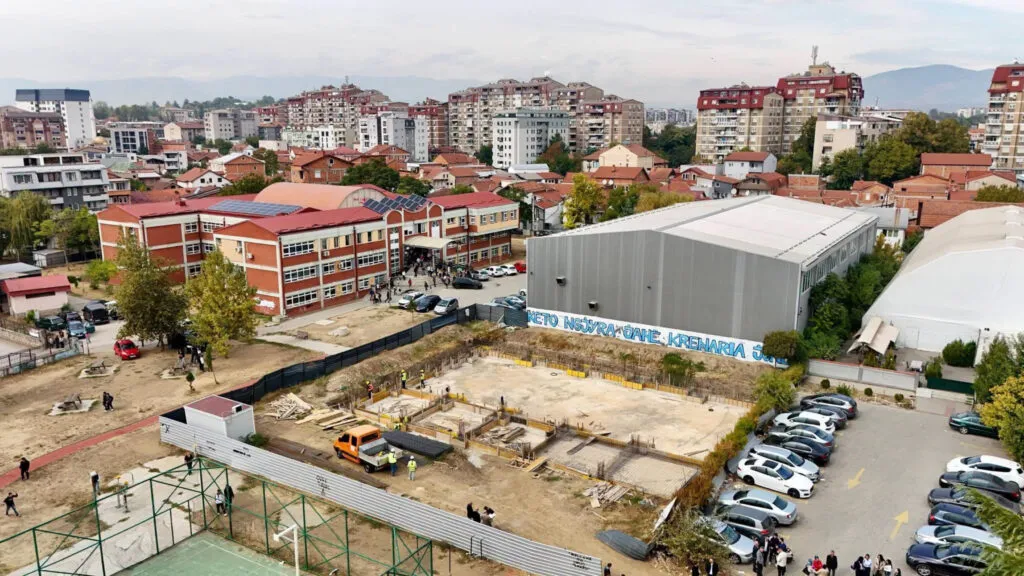
The pool at the "7 Mart" school is in its final phase and is a genuine gain for the children....
This site uses cookies - is that okay? Learn more
Be the first to know when Metla launches something new
Leave your email and we will write when there is a new guide or something new on Metla.