
The Young Men From Saraj Say They Were Beaten After Being Subdued, the Union Claims They Tried to Run Police Over: The Interior Ministry Is Still Just Investigating
11.10.2026


11.10.2026

11.10.2026

11.10.2026
11.10.2026

11.10.2026

11.10.2026

11.10.2026

11.10.2026

11.10.2026

11.10.2026

11.10.2026

10.10.2026

11.10.2026

11.10.2026

11.10.2026

11.10.2026

10.10.2026

09.10.2026

11.10.2026

11.10.2026

11.10.2026

11.10.2026

11.10.2026

10.10.2026

11.10.2026

11.10.2026
09.10.2026

10.10.2026

08.10.2026

06.10.2026

23.04.2026

23.04.2026

12.04.2026

When a crisis gets reduced to a calendar of dates, it usually means nobody is measuring results - they are measuring activity. And that is exactly where the mayor of Skopje and the opposition collided over West Nile fever.
The numbers are climbing fast. On 19 August the opposition spoke of 35 confirmed cases in Skopje, four dead and six in serious condition in intensive care. A day later, SDSM leader Venko Filipče spoke of 38 patients and five dead - which by his count means a 50 percent rise in a single week, from 26 to 38.
The defence: a calendar
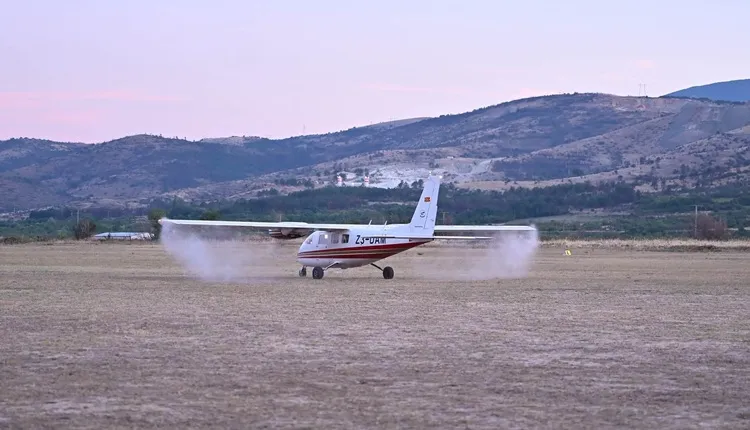
Mayor Orce Ǵorǵievski answered the criticism with a chronology. He stated that pest control began on 7 May this year, against 3 July in 2018 when SDSM ran the city, and produced a list of aerial and ground treatments carried out from May to August, with more announced.
"Public health is not protected through press conferences," Ǵorǵievski said, "but through systematic work, continuous prevention, expert recommendations and timely activity on the ground." He argued that the opposition, after the water crisis, is trying to turn yet another serious health issue into daily political points and to manufacture fear.
The question a calendar does not answer
SDSM shot back that a list of dates is not proof of effect. If the spraying started on 7 May and worked, why is Skopje the epicentre of the epidemic?
Filipče lined up the whole series of questions that every citizen with an elderly parent is asking themselves: "Was the effect of the spraying ever checked? Were the mosquito breeding sites properly targeted? Was it done in time? Were GPs warned? What protocol are they working to in order to recognise early symptoms?"
The party is also demanding answers about untreated bodies of water, about instructions issued to the public too late, and about the contradictory messages sent to those most at risk.
Both are right about different things
Ǵorǵievski is right that the virus is not new and that it circulates across Europe and in the neighbourhood. That is true, and it is not a defence - it is the reason the measures should have been ready in advance, not an argument for why they were not.
The opposition is right that a start date is not the same as an effect. But it is speaking from the position of a party that ran this exact job until recently, which takes some weight out of the reproach.
Between the two positions sits a group of people in intensive care. They are in neither calendar.
What is still missing from the whole exchange is an independent check on the effect of the treatments - not how many times the spraying happened, but what changed on the ground after each round. Until that exists, both sides will keep quoting dates, and the number of patients will keep changing every day.
The latest 10 news from this category
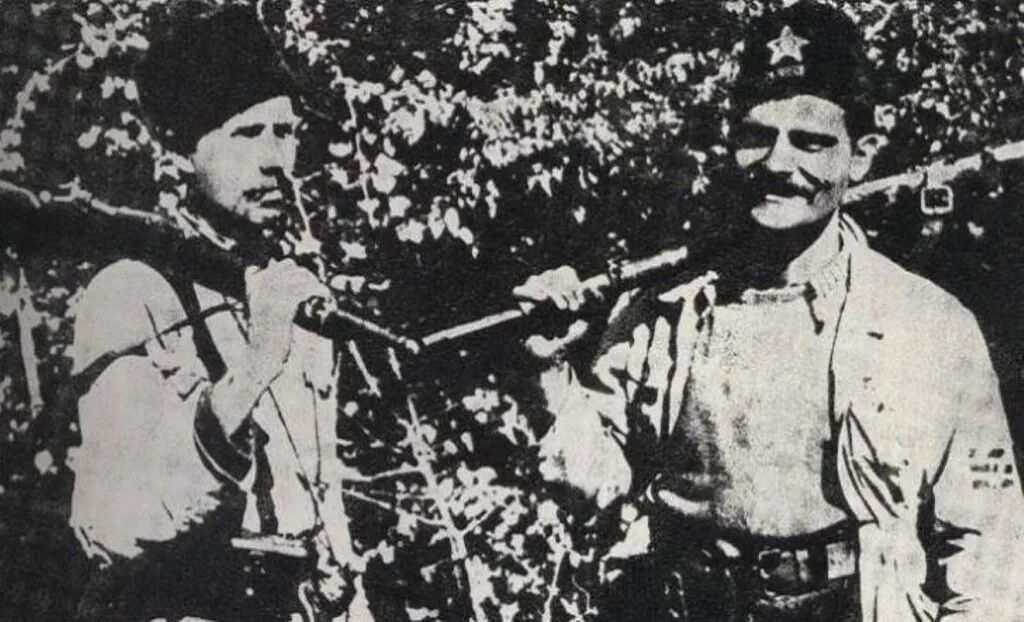
Sixteen partisans in three groups attacked the Bulgarian occupation police station and the prison in Prilep and marked the start...
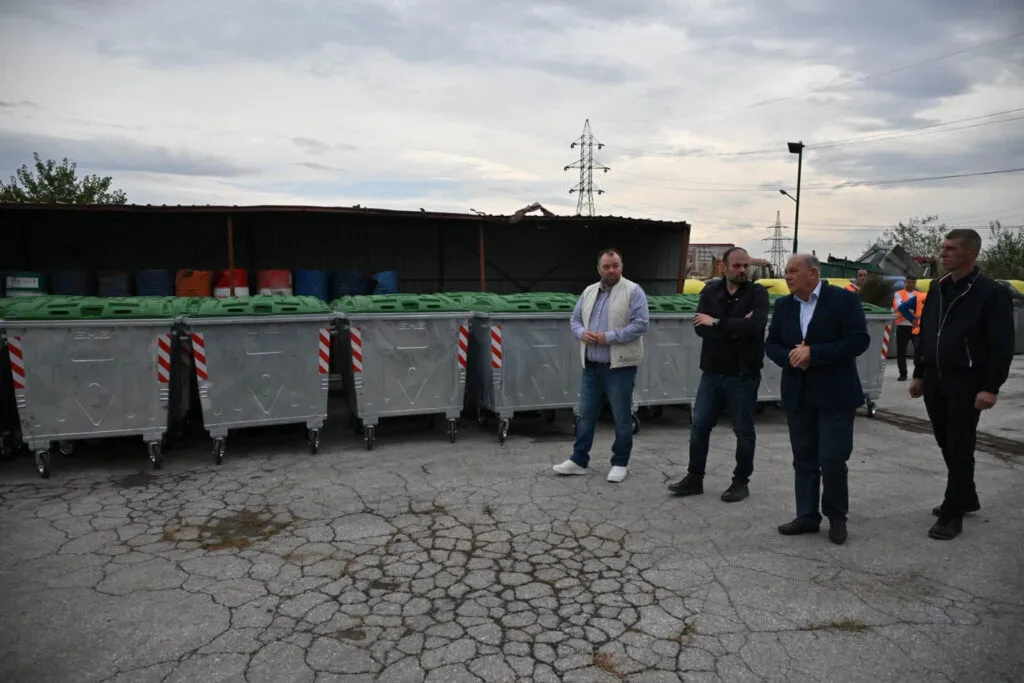
The new 1,100-liter bins are meant to replace the big ones, for which the utility had only one working truck...

Facades across Macedonia glowed green for European Organ Donation Day. The minister said the most important sentence: say your decision...
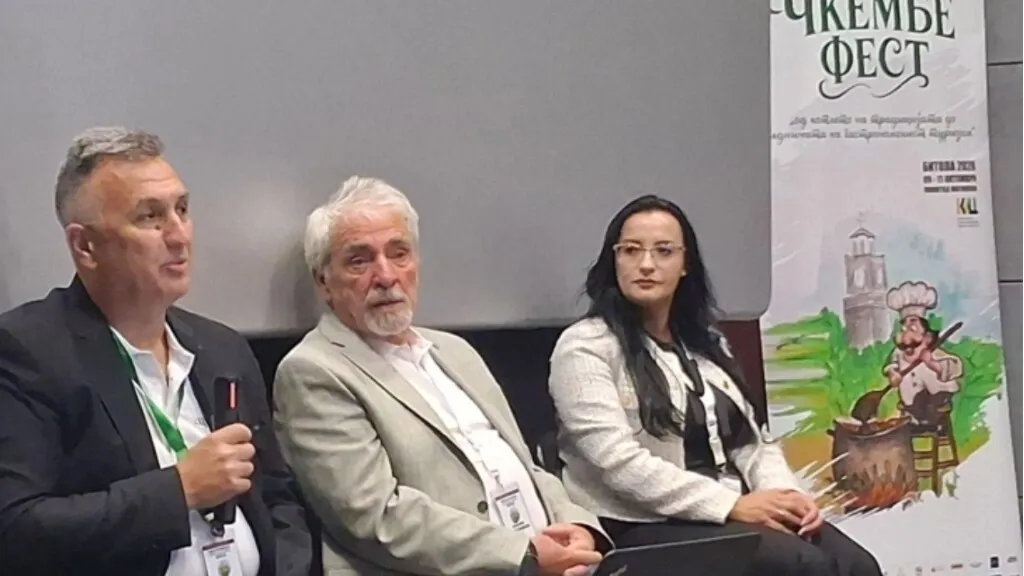
Bitola finally got a festival for the dish that earned its people the nickname "chkembari". The restaurant "Korzo" took the...

Skopje is bringing back the city flower shops by the "Lotus" fountain and the Ministry of Economy. Good that someone...

Grading and gravel so the road to Jamište is passable "again". When the news is that a road can be...

The fifty or so centimetres the lake won back last winter, the dry summer took away. The rescue system is...
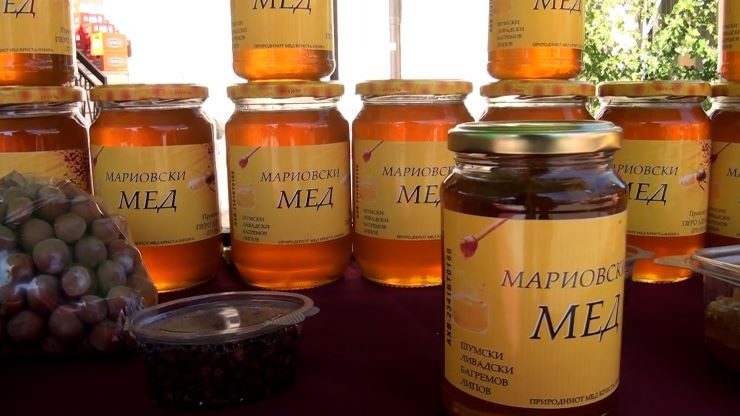
Eight beekeepers have won the right to the "Mariovo honey" label. Who will check on them and how much they...
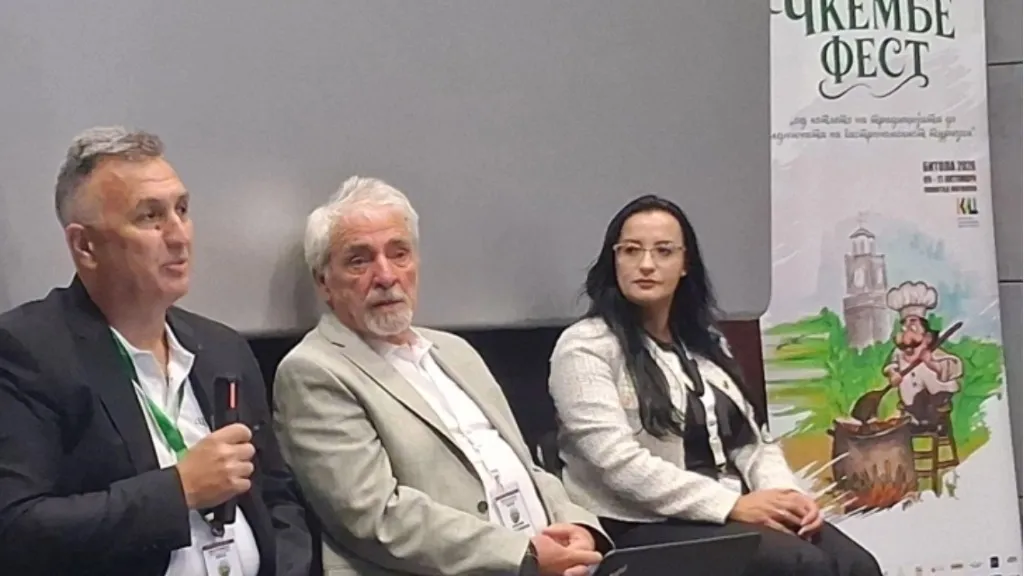
Ten teams from Macedonia, Turkey and Hungary are competing for the tastiest tripe soup. The city whose nickname comes from...
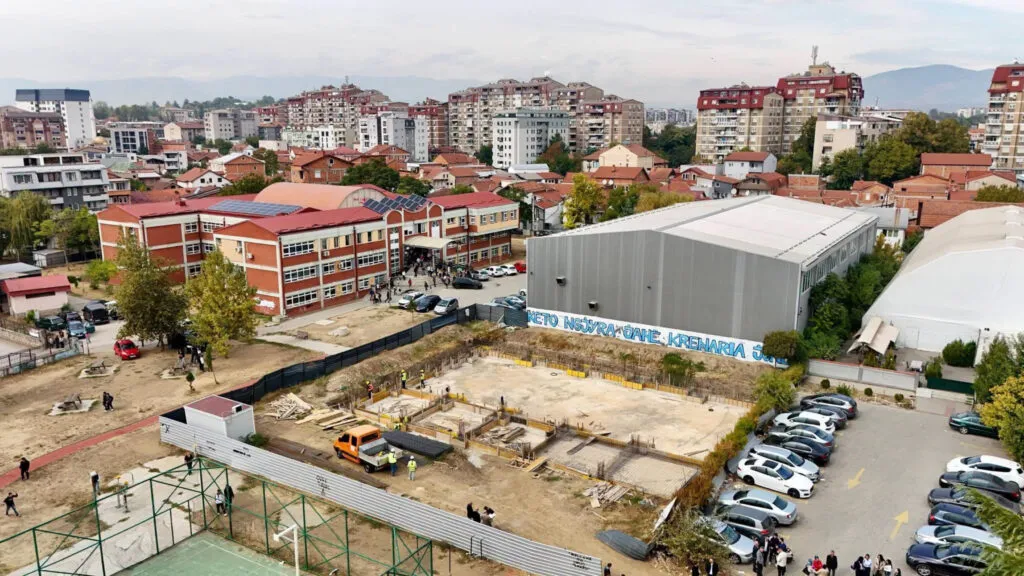
The pool at the "7 Mart" school is in its final phase and is a genuine gain for the children....
This site uses cookies - is that okay? Learn more
Be the first to know when Metla launches something new
Leave your email and we will write when there is a new guide or something new on Metla.