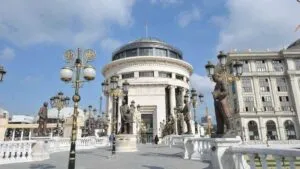
Six Years of Fake Licence Categories Issued From an Interior Ministry Desk: Six Charged, 21 More Under Investigation
21.09.2026


21.09.2026

21.09.2026
21.09.2026
21.09.2026

21.09.2026

21.09.2026

21.09.2026

20.09.2026
20.09.2026

21.09.2026
21.09.2026

20.09.2026

21.09.2026

21.09.2026
21.09.2026

21.09.2026

20.09.2026

19.09.2026

21.09.2026

21.09.2026
21.09.2026
21.09.2026

21.09.2026

21.09.2026

09.03.2026

27.02.2026

19.02.2026

21.09.2026

21.09.2026

20.09.2026

23.04.2026

23.04.2026

12.04.2026

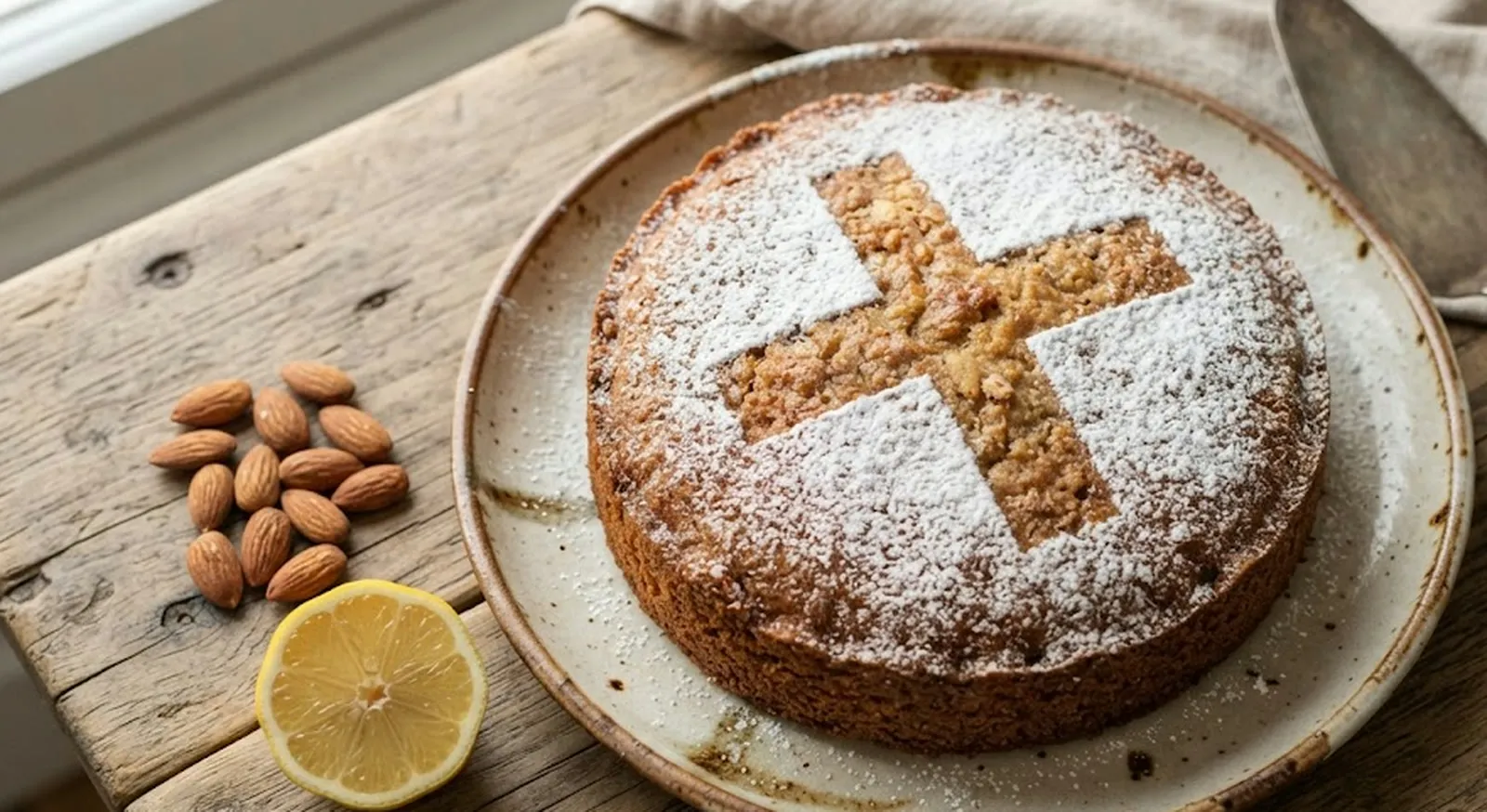
There is a kind of recipe where every addition makes it worse. The Tarta de Santiago is one: almond, sugar, eggs. Nothing more. And that is precisely why the most authentic version is gluten-free - not because of a trend, but because the original never contained flour.
The story begins in the Middle Ages, when almond sweets were already eaten in Galicia. The first written mention is from 1577, by the priest Pedro de Portocarrero, who called it Torta Real and served it in individual portions. In 1838 the recipe appears in the notebooks of the confectioner Luis Bartolomé de Leybar and spreads from there through Galician baking books. For a long time it was a dessert only for the wealthy - almonds were expensive and came from far away.
The cross everyone recognises today came much later - in 1924, on an idea from José Mora of the historic Casa Mora pastry shop in Santiago de Compostela. So the mark everyone assumes is medieval is a twentieth-century marketing move, still working a hundred years later. In 2010 the cake received a Protected Geographical Indication - a certification that binds the recipe and shields it from versions that have drifted away from it.
That designation is as concrete as a contract: 33 percent almond, 33 percent sugar, 25 percent egg. You may also add grated lemon zest and a little brandy, sweet wine or grape marc spirit. The shape is round, covered in icing sugar, with the cross of the Order of Santiago. The aroma is egg yolk and almond, the texture crumbly and slightly grainy, with recognisable pieces of ground almond. Any version with corn or wheat flour is something else - tasty perhaps, but not this.
Ingredients for a 22-24 centimetre tin: 250 g ground raw blanched almonds, 250 g white sugar, 5 large eggs, zest of half a lemon, a little brandy (optional), half a teaspoon of ground cinnamon (optional), icing sugar for decoration, a little oil for the tin.
Method. Heat the oven to 180 degrees. In a large bowl, beat the eggs with the sugar until the mixture turns pale and foamy - this is the step that carries the whole structure, since there is no flour to hold it. Add the zest of half a lemon, a little brandy and a pinch of cinnamon, then mix gently. The ground almond goes in gradually, with a spatula and folding movements - do not whisk it, because the entire point is to keep the air you have worked in.
Pour into a greased round tin and bake at 180 degrees for about 30 to 35 minutes, until the surface turns lightly golden (or until a toothpick inserted in the centre comes out clean). Once completely cool, place a cross stencil on top - cardboard, cut at home, works - and dust generously with icing sugar. Lift the stencil away carefully.
The result is a moist centre, a strong almond aroma and a recipe that, more than four centuries later, needs no help from flour to work. Here, when a traditional cake is made for guests, three more ingredients usually appear "to make it richer". This recipe is a good lesson in the opposite direction: sometimes the most expensive thing you can do is add nothing.
The latest 10 news from this category
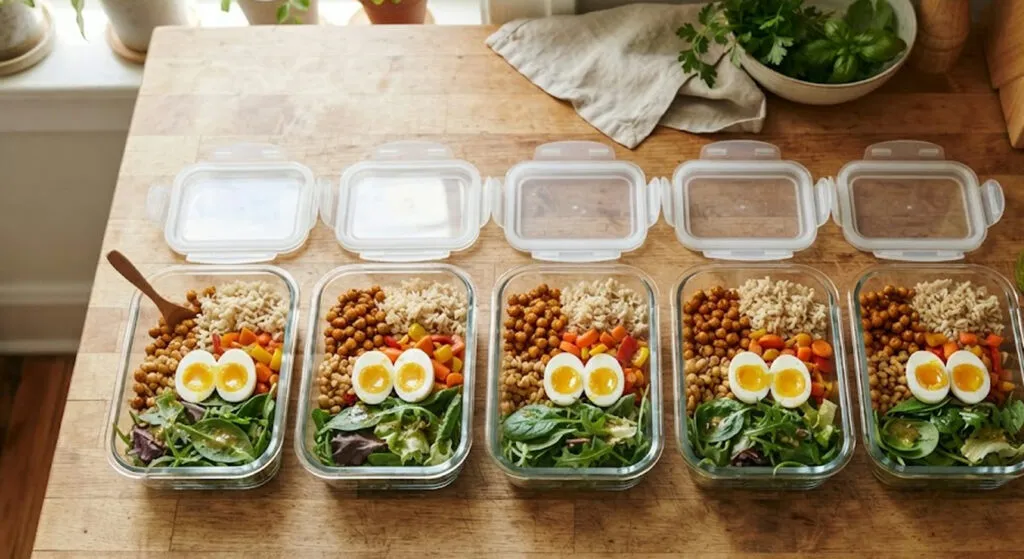
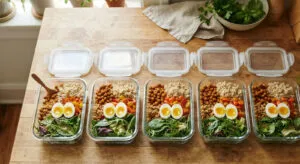
Components separately, or full boxes ready to reheat. One gives you variety, the other speed, and blanching your vegetables before...
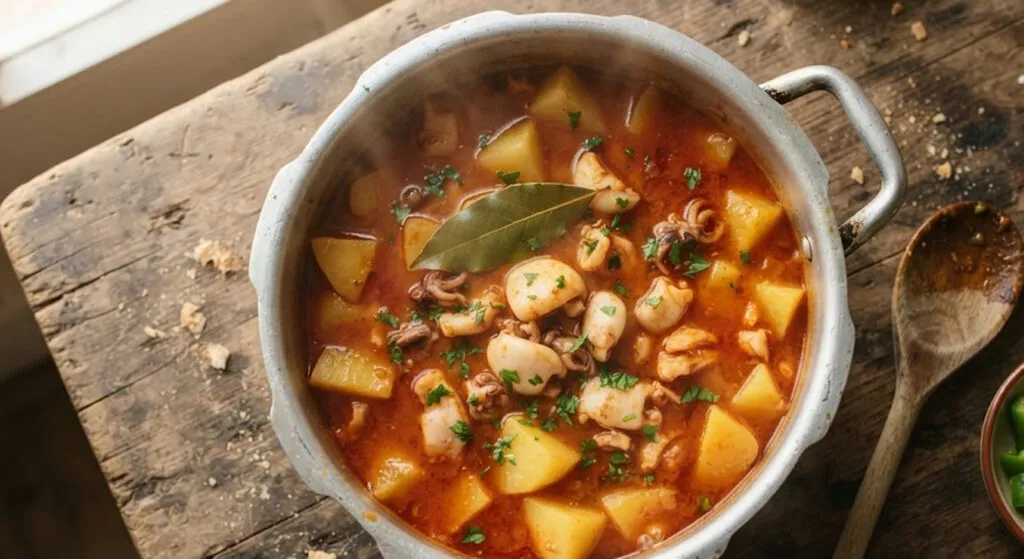
The cuttlefish goes in before the potatoes - the other way round and you get potato in water with pieces...
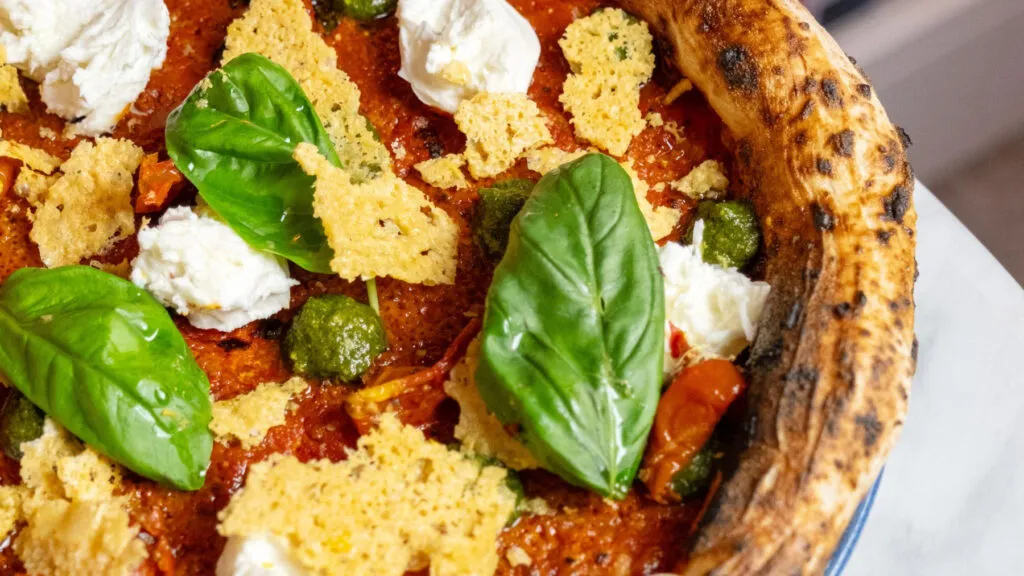
An Italian guide, a gala in Naples, first place for a London restaurant. Spain gets six entries - but only...
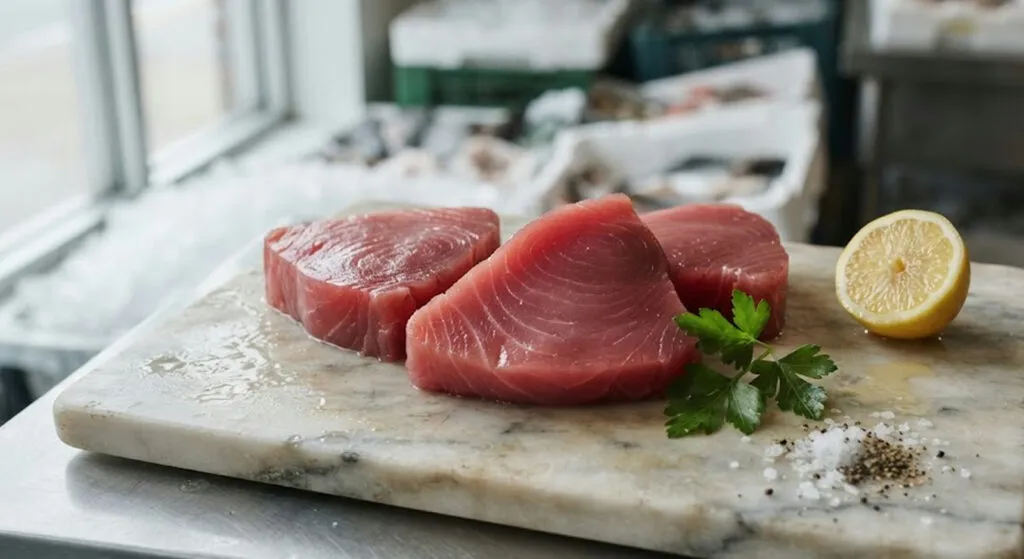
It is caught with hook and line, not with nets, and you can taste that on the plate. The three...
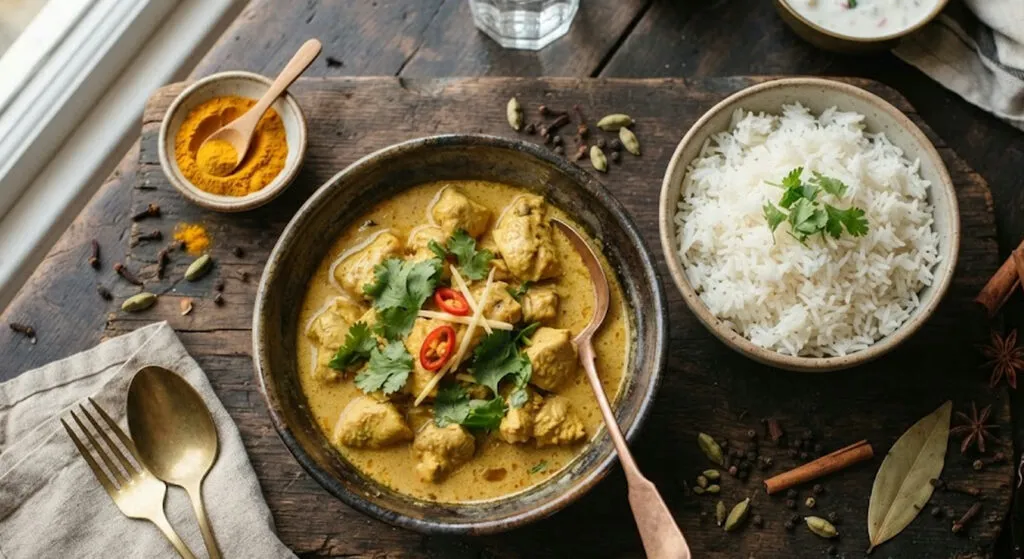
Home-made chicken curry fails at the same point for everyone. The difference is made by one step that has nothing...
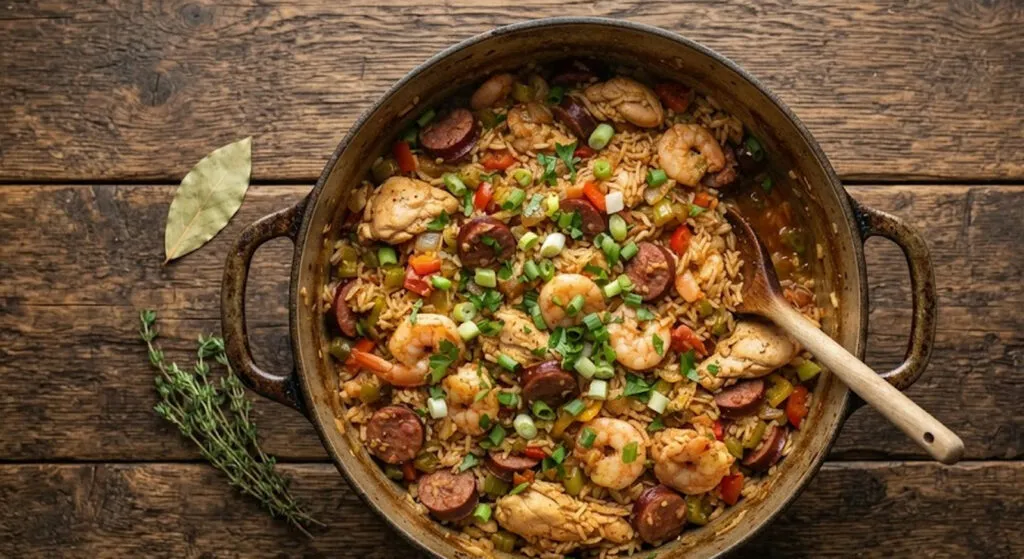
Jose Andres has lived in America for over thirty years, and when asked for his favourite American dish he named...
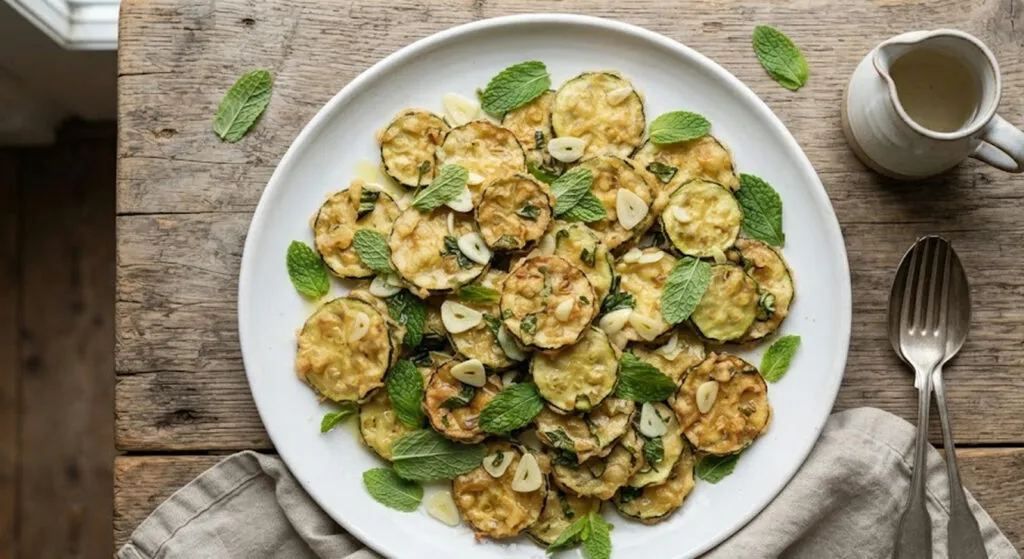
A kilo of courgettes, mint, garlic and eighty millilitres of vinegar. Not one expensive ingredient - and the water you...
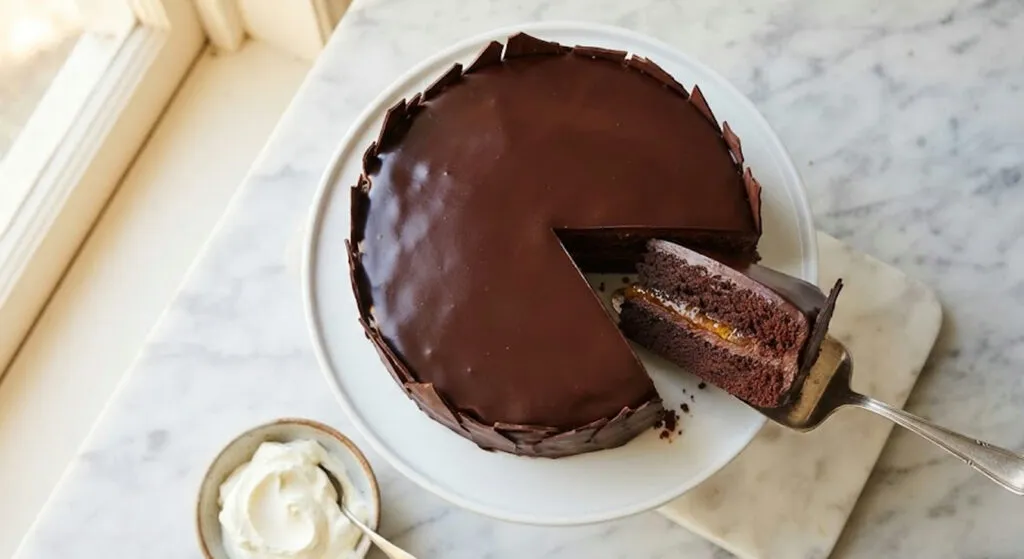
Whoever beat all the eggs together made a different cake. And the glaze must not pass 45 degrees, or the...
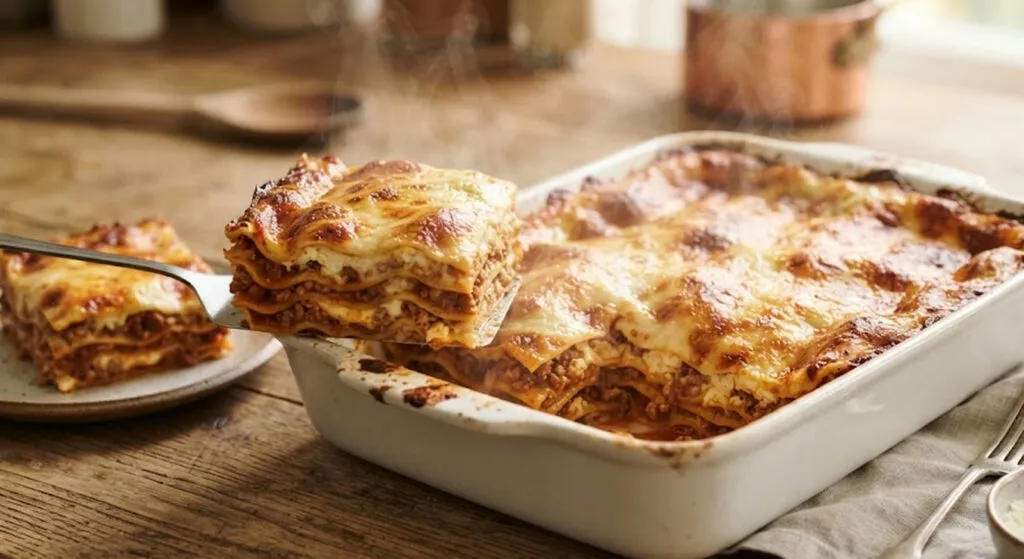
One rule applies to all three and it is the one most often skipped. It is not a recommendation to...
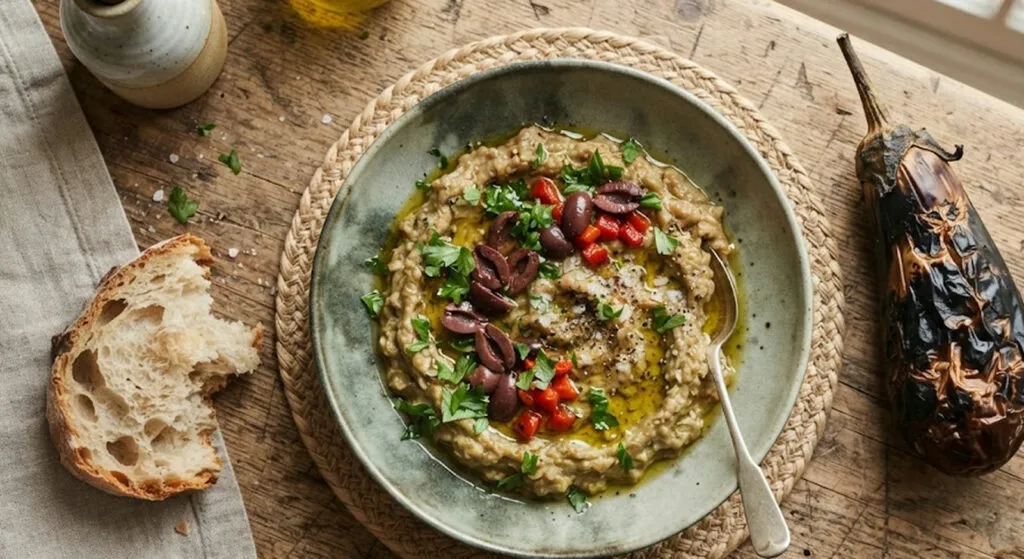
One single ingredient separates melitzanosalata from mutabal - tahini. Three aubergines, one clove of garlic, and an oven at 220...
This site uses cookies - is that okay? Learn more
Be the first to know when Metla launches something new
Leave your email and we will write when there is a new guide or something new on Metla.