
Five Fire Fronts in One Night Near Raec: The Mayor Sounds the Alarm on Facebook, Prevention Is Once Again a Topic for September
03.08.2026


03.08.2026

03.08.2026
03.08.2026

03.08.2026

03.08.2026

03.08.2026

03.08.2026

02.08.2026

02.08.2026
03.08.2026
03.08.2026

02.08.2026

03.08.2026

02.08.2026

01.08.2026

03.08.2026

03.08.2026
03.08.2026

03.08.2026

03.08.2026

03.08.2026

09.03.2026

27.02.2026

19.02.2026
03.08.2026

03.08.2026

03.08.2026

23.04.2026

23.04.2026

12.04.2026
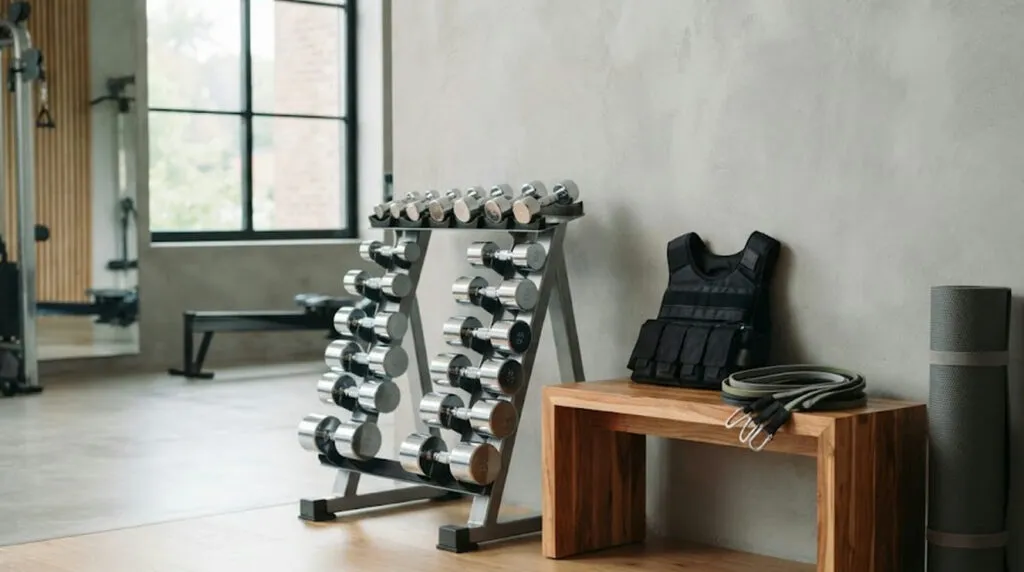
For years Hailey Bieber was the face of Pilates. Not so much as an athlete as an aesthetic - tight clothing, a slim body, a studio full of mirrors. Now, in an interview with "Time", she has admitted that Pilates has become "a bit of a trend" for her and that she struggles to find instructors who genuinely pay attention to technique and posture. She trains with weights.
This is not a renunciation of Pilates. It is an admission that something which became a trend stopped being done properly - and that is the more interesting half of the story.
What actually changes when you switch to weights
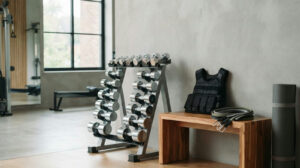
Trainer Rober Fitness explains that the first thing you notice is an increase in muscle mass, or hypertrophy. In a person with a low body-fat percentage that shows in the silhouette: "She will feel more toned, more defined." The key is progressive overload - the load increases as the body adapts.
The second effect is more interesting because you cannot see it. Muscle is active tissue and burns energy even when you are sitting, resting or asleep. That is what people call a "faster metabolism", when it is really just more muscle demanding more fuel. The third effect is blood glucose control - muscles use it for energy, so strength helps the body manage it better.
The fear the industry kept alive for a long time
For decades, the image of a woman lifting weights was tied to bulk. In practice the result depends on load, frequency, nutrition, rest and genetics. In a woman with a slim frame and low body fat, more muscle means more definition, not more volume. How many years were cardio machines and "light dumbbells for women" sold on the back of a fear with no basis?
Rober Fitness puts the emphasis somewhere else - strength after childbirth. He talks about the pelvic floor and the core, but also about entirely everyday things: having the strength to carry your child, to get through the day, to endure a period defined by exhaustion and broken sleep. "In the end, to feel strong" is a key part of recovery.
There is also a part the eye cannot see. Strong muscle makes a joint more stable and safer, which helps with movement control and protects the knees, hips, shoulders and back. Working with load also helps bones retain density - something that matters more with age, and especially during menopause.
Hailey has not abandoned Pilates - she still does it, alongside yoga and mobility work. What she changed is the order. And that is the lesson: the disciplines are not the problem. The problem is that each of them became a brand before it became a training method.
The latest 10 news from this category
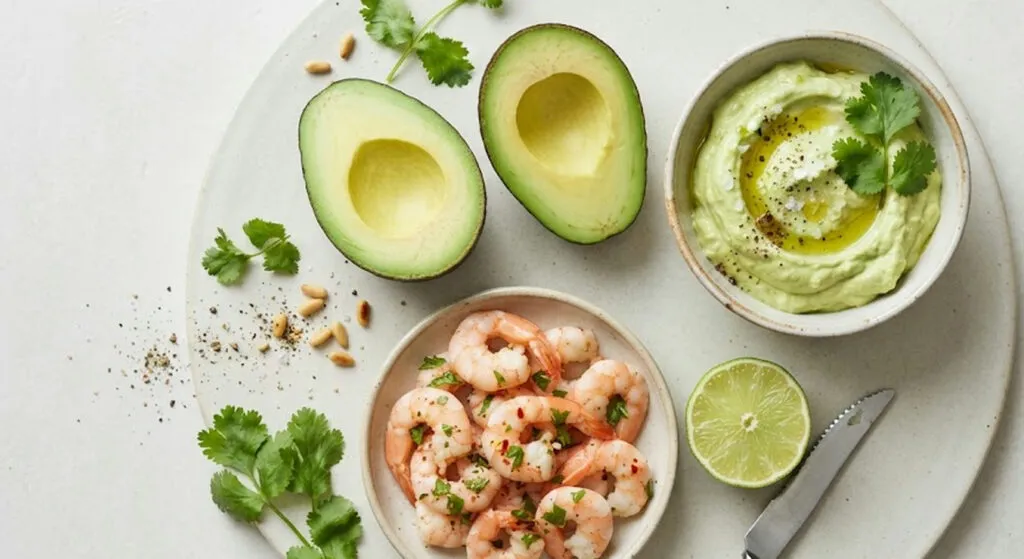
Whipped, it behaves like cream without being cream. A stoned half is a bowl, not a garnish - and none...

Fromm wrote that love is an act of faith. Psychologists say that does not mean blind endurance - and the...
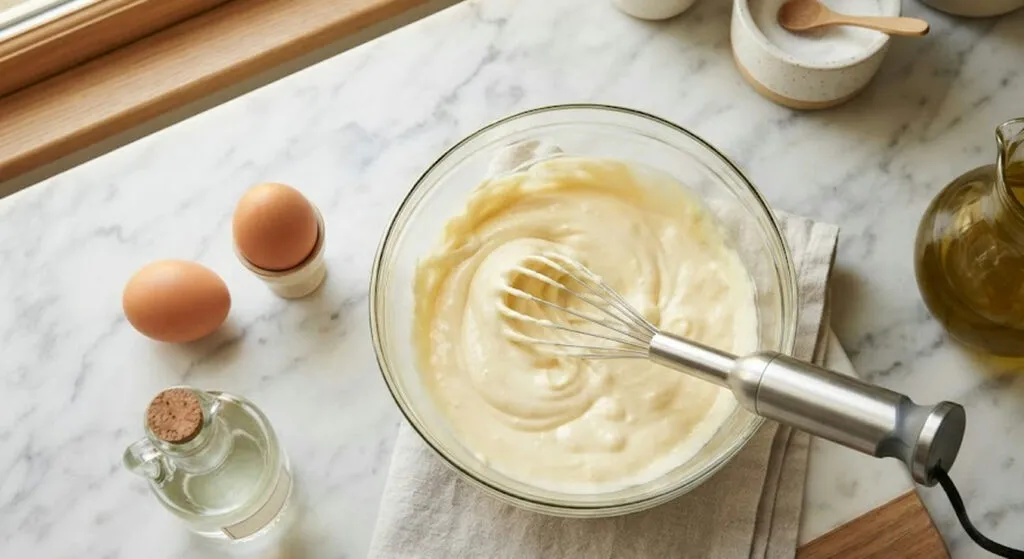
Dani García reduces the whole question to three things - stability, body and acidity. The ingredient almost nobody adds is...

The brain doesn't distinguish familiar from attractive. And who decides what becomes familiar to you - that is no longer...

Three versions, one tin and six hours of setting. A cake you cut after three hours is not a finished...

It is not attraction, it is recognition pretending to be attraction. And whoever decides which face you see ten times...

Thin skin, almost no heat and a protected mark that lifts the price. And the most common frying mistake is...
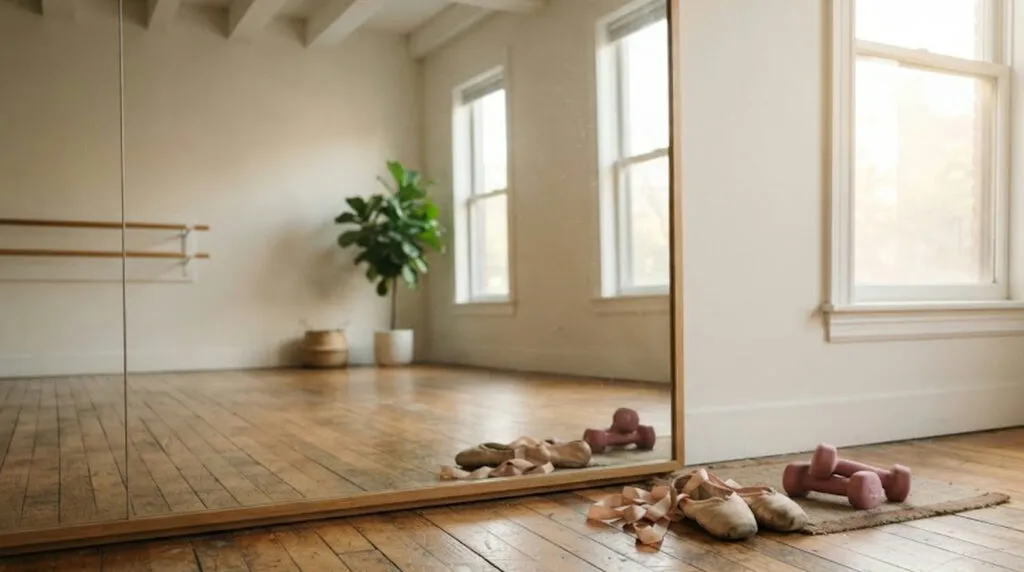
No powdered supplement, no branded treatment. She works out at home and she dances - and she needs her body...

The acid thickens the filling in the bowl, before the oven. Which is why every extra stir ruins the texture.
There is no magic hour after which the body stops working. There is only a meal too heavy for an...
This site uses cookies - is that okay? Learn more
Be the first to know when Metla launches something new
Leave your email and we will write when there is a new guide or something new on Metla.