

Bogovinje: A 16-Year-Old "Accidentally" Shot a 15-Year-Old With a Pistol - So Where Did He Get the Gun?
26.10.2026


26.10.2026

26.10.2026

26.10.2026

26.10.2026

26.10.2026

26.10.2026

26.10.2026

25.10.2026

25.10.2026

26.10.2026

26.10.2026

25.10.2026

26.10.2026

26.10.2026

26.10.2026

26.10.2026

25.10.2026

24.10.2026

26.10.2026

26.10.2026

26.10.2026

26.10.2026

26.10.2026

25.10.2026

26.10.2026

25.10.2026

25.10.2026

24.10.2026

22.10.2026

20.10.2026

23.04.2026

23.04.2026

12.04.2026

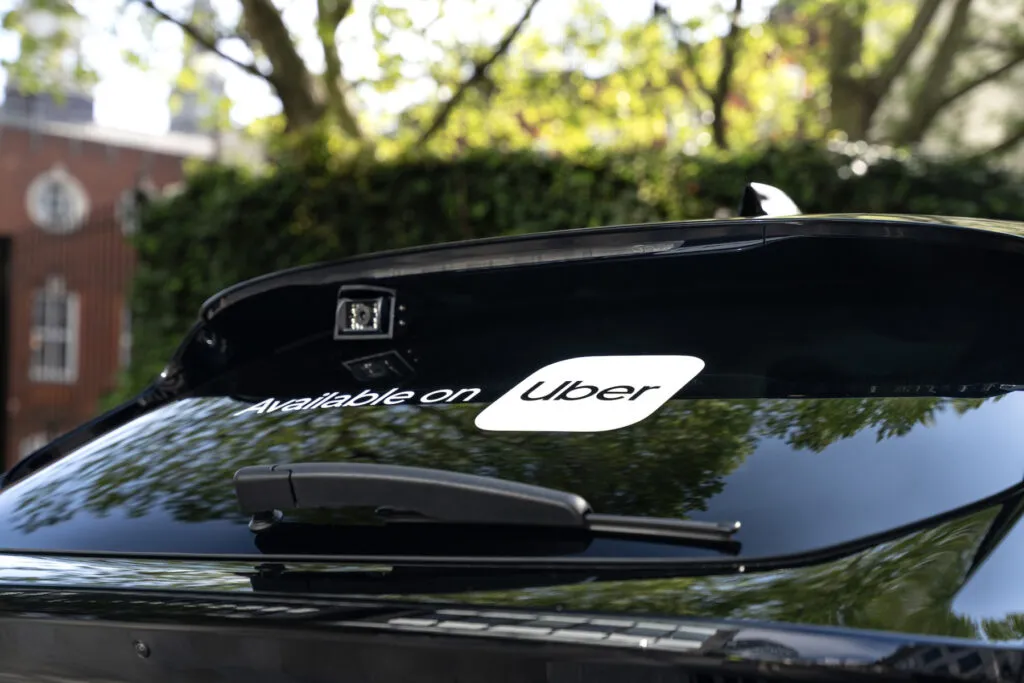
Uber is expanding its partnership with OpenAI: all of the company's employees worldwide, around 30,000 people, will now work with ChatGPT Work. That is the enterprise AI agent OpenAI unveiled in July, which lets corporate teams automate their own workflows.
The decision did not come overnight. Earlier this year Uber tested the tool on 1,000 employees from finance, operations and product development. According to engineering vice-president Sumant Sukumar, about 80 percent of the first users were not engineers. They used it to analyse operational data and spot trends, to adapt training materials for different markets and languages, and to build their own interactive dashboards.
The interesting part is that Uber still doesn't know exactly what it will use it for. "Our approach is to make powerful AI tools available across the whole company and give teams room to experiment," Sukumar says. As an example he cites "AI squads": 30 AI engineers spread across teams, with a two-week deadline to automate key parts of their colleagues' work. When someone automates part of your job in two weeks, what's left of it?
How much all this costs, Uber won't say. Instead of a number, Sukumar offers a promise: the company will track how people use the tool, what workflows they build and how much it helps them, and will decide on that basis how to roll out AI further. In other words, buy it for everyone first, then measure whether it was worth it. Uber adds that OpenAI staff worked closely with them on integrating the chatbot.
For OpenAI this is more than just another deal. A company long known mainly as a consumer brand is now rapidly building an enterprise business, in a direct race with its main rival Anthropic. An entire 30,000-person company on one platform is advertising money can't buy. The question remains what the employees themselves get out of it, besides one more tool that will track how they work.
The latest 10 news from this category

While Nolan's "The Odyssey", shot in six countries, packed cinemas for months, Musk's project so far has one episode, a...

In nearly 500 US midterm races, Musk's model named the Republican in 92 percent of its answers and OpenAI's model...

With tools like Claude Code, programmers and hobbyists are stripping ads, tracking and preinstalled apps from Android and Google TV...
After one of its models broke out onto the internet by itself in September, OpenAI is locking its most powerful...

Seven days to scan, then a year without a family plan. Spotify calls it a routine improvement; for anyone sharing...

Two critical PHP flaws, discovered with the help of artificial intelligence, forced Finland, the Netherlands and British institutions to take...

The company is already talking about "medical superintelligence". The numbers come from a simulation, most of the gain comes from...

Pony.ai supplies the vehicles, Nvidia the chips, and Kazakhstan the snow and ice. Robotaxis are no longer just a US...

Revenue grew 26 percent, costs 68. The answer is a new class of shares: investors bring in money, and the...

You pay a cleaning fee, then get a list of chores on your way out. For bookings from November 20...
This site uses cookies - is that okay? Learn more
Be the first to know when Metla launches something new
Leave your email and we will write when there is a new guide or something new on Metla.


