
Боговиње: 16-годишник „од невнимание“ рани 15-годишник со пиштол – а од каде му е оружјето?
26.10.2026


26.10.2026
26.10.2026

26.10.2026

26.10.2026

26.10.2026
26.10.2026
26.10.2026

25.10.2026

25.10.2026

26.10.2026

26.10.2026

25.10.2026

26.10.2026

26.10.2026

26.10.2026
26.10.2026

25.10.2026

24.10.2026
26.10.2026

26.10.2026

26.10.2026
26.10.2026

26.10.2026

25.10.2026

25.10.2026
25.10.2026
24.10.2026
24.10.2026

22.10.2026
20.10.2026

23.04.2026

23.04.2026

12.04.2026

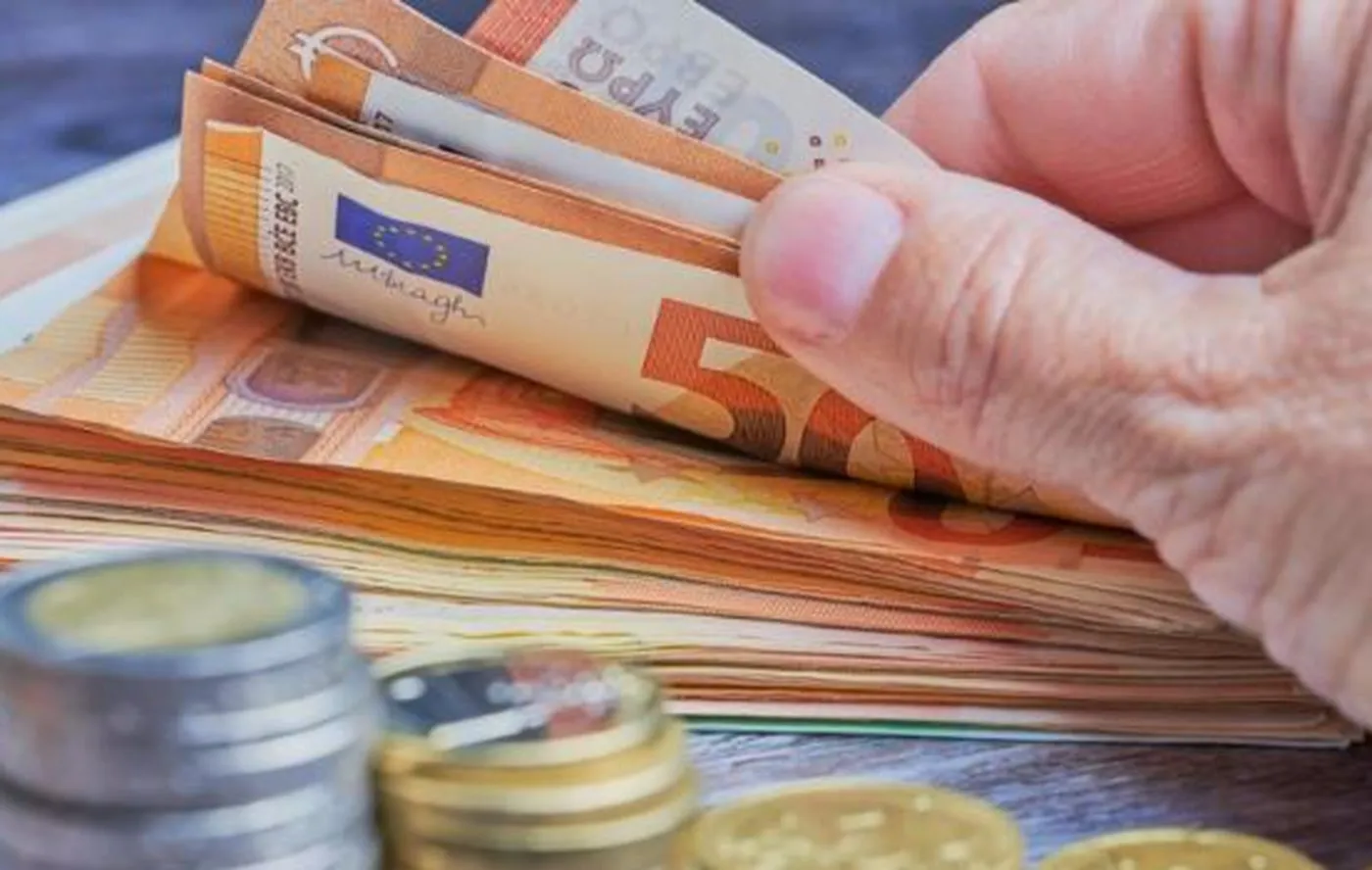
In 2025 there were 94,847 informally employed people in Macedonia. That is an increase of 11.5 percent on the previous year. At the same time, official statistics show unemployment down 6.6 percent and the number of employed up 1.5 percent.
The two trends run together, and that is exactly the problem. Unemployment is falling partly because people are finding work - and partly because they are finding work that is recorded nowhere.
What it costs
An analysis in "Trudbenik", the union paper of the Federation of Trade Unions, runs two scenarios. If more than 100,000 informally employed people were registered on the minimum wage, the annual effect would be around 245 million euros. If the base is the average wage, the effect would reach around 448 million euros a year.
The Federation admits these calculations are illustrative and not money that would automatically land in the budget. But the order of magnitude is what matters: these are sums comparable to entire budget lines, lost every year, quietly.
The Finance Think institute found in its research that in 2020 the grey economy accounted for 23.2 percent of GDP. More recent estimates put it above 30 percent. In February the government announced measures aimed at reducing the informal economy from 28.9 percent to 26 percent of GDP by the end of 2027 - a cut of under three percentage points over two years.
Who pays the bill
Most of the informally employed work in agriculture, forestry and fishing, and in construction. These are not sectors hiding some great capital - they are sectors where the work is done in the field, payment is in cash, and nobody asks for a receipt.
The Federation points out that when workers are unregistered, or when wages are declared lower than they really are, the state loses tax and contribution revenue while workers lose their right to social security, pension years and healthcare. The effect on the pension system is direct: for every pensioner there are fewer and fewer workers paying contributions.
There is a third victim rarely written about - the companies that operate legally. Those that register every employee and pay their taxes on time are worse off than those that do not. Complying with the rules becomes an extra cost for the conscientious instead of a standard for everyone.
The number that explains the habit
Around 73 percent of formally employed people earn below the average wage, and nearly every second worker has a monthly income of up to 600 euros. When the official salary looks like that, the difference between declared and undeclared stops being a moral dilemma and becomes the arithmetic of survival.
Finance Think lists the causes: low tax morale, distrust in institutions, corruption and inefficient administration. Not one of those four is solved by an inspection. They are solved by citizens seeing where their money goes - which is harder, slower, and will not happen by 2027.
The latest 10 news from this category
Oil went up about six percent in a week, and diesel in Macedonia is already more expensive than both grades...

The deputy prime minister is promising a satellite network and lower bills on Facebook, "from the information I have". All...
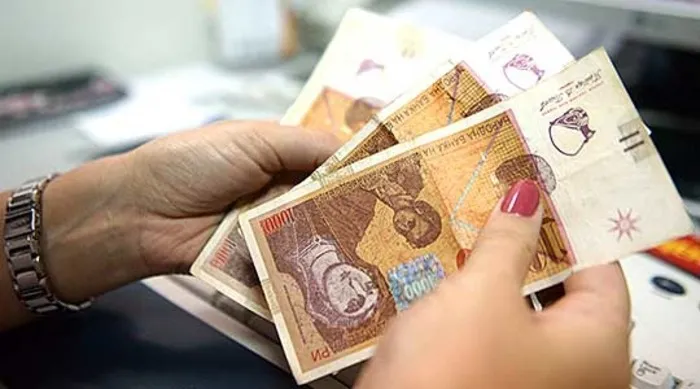
The average August wage jumped to 48,733 denars, but the holiday bonus is calculated from a three-month average. Exactly how...
Пилотот со 1.000 луѓе покажал дека 80 проценти од првите корисници не биле инженери. Колку плаќа Uber, никој не кажува,...

Секој ден Rivian добива над 400.000 снимени сцени од колите на своите купувачи. Сега има и алатка што ги претвора...

Додека „Одисеја“ на Нолан, снимана во шест земји, месеци наред ги полнеше салите, проектот на Маск засега има една епизода,...

The appeal fee jumps from 50-200 to 150-600 euros, and a company that proves a tender was unlawful will no...

More than 11,000 denars between two baskets, a minimum wage of 26,000 and announced hikes in electricity and heating. The...

In July, a higher deficit was the price of more investment. Three months later investment is falling, the 750 million...

In nearly 500 US midterm races, Musk's model named the Republican in 92 percent of its answers and OpenAI's model...
This site uses cookies - is that okay? Learn more
Be the first to know when Metla launches something new
Leave your email and we will write when there is a new guide or something new on Metla.