

Studeničani: 35-year-old dies after being electrocuted while washing his car with a pressure washer
18.09.2026


18.09.2026
18.09.2026

18.09.2026

18.09.2026

18.09.2026
18.09.2026
18.09.2026

17.09.2026
16.09.2026

18.09.2026

18.09.2026

17.09.2026

18.09.2026
18.09.2026

18.09.2026
18.09.2026

17.09.2026

16.09.2026
18.09.2026

18.09.2026
18.09.2026

18.09.2026

17.09.2026

17.09.2026

09.03.2026

27.02.2026

19.02.2026

18.09.2026
17.09.2026

16.09.2026

23.04.2026

23.04.2026

12.04.2026

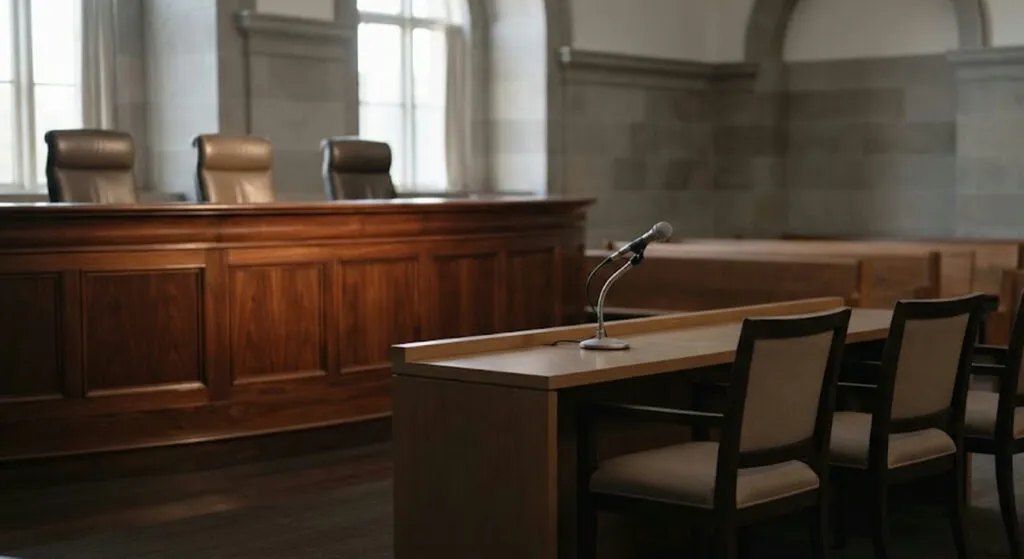
The verdict came down on Wednesday, and by the following day Albania's parliament had adopted, under fast-track procedure, a declaration expressing "deep outrage and complete disagreement" with the decision of the Specialist Chambers in The Hague. Four former KLA leaders - Hashim Thaci, Kadri Veseli, Rexhep Selimi and Jakup Krasniqi - received a combined 81 years in prison. That same day, Tirana sent them a message that their innocence remains unshakeable.
The figures from The Hague are not abstract. The court found Thaci guilty of war crimes - the murder of 96 people, the torture of 303, the arbitrary detention of 385 and cruel treatment of 49. His sentence is 25 years. Krasniqi received the same, Veseli 18 and Selimi 13 years. It is a first-instance ruling; appeal is open to both the defence and the prosecution.
What the declaration actually says
The parliament in Tirana called the decision "deeply unjust" and affirmed what the document calls a historical truth - that the KLA's war was a war for the freedom and liberation of Kosovo. Albanian parliament speaker Niko Peleshi said that war must be seen in exactly those terms. The document also states that Albania will continue to speak at international forums about the crimes of Slobodan Milosevic's regime and to seek justice for the victims, in coordination with institutions in Pristina.
The declaration did not leave Serbia out either. It expresses concern about double standards in the region and cites an example - state honours in Serbia for people convicted of war crimes, Ratko Mladic among them.
The street reacted faster than the institutions
In Pristina the reaction did not stay on paper. The evening after the verdict, demonstrators threw stones and pyrotechnics at the Kosovo government building and at the headquarters of the European rule of law mission EULEX. A group of young people marched on the mission's headquarters carrying KLA flags. Prime Minister Albin Kurti called the decision "a travesty of justice" and demanded it be corrected on appeal.
So much for the reactions. What is missing is a response from Brussels - the same Brussels that founded this court, funds it and placed it on its own territory, beyond the reach of political pressure in the region. When a candidate country for membership adopts a parliamentary declaration against a verdict of that court, and the institution that created it says nothing, the question is not whether Tirana is entitled to a position. The question is what the court is for, if political support for it evaporates the moment it hands down a conviction.
Why this reads differently from Skopje
The Balkans know this scene by heart. The Hague tribunal for the former Yugoslavia went down the same road - every verdict received at home as an attack on the nation, every convicted man as the victim of a political commission. Thirty years later the mechanism is the same, only the address is new.
So this is not distant news. It is a reminder of how fast a judicial decision turns into a political position - and how rarely anyone defends the decision itself rather than the side that lost. Does the court that handed this down have anyone to defend it once the cameras go off?
The latest 10 news from this category
The call was about damaged furniture on a terrace. Armin Dzutovic died three days later. The internal investigation found first...
The court established responsibility for 96 killed, 303 tortured and 385 unlawfully detained. The prosecution asked for 45 years. Serbia...
Thaci and Krasniqi got 25 years each, Veseli 18, Selimi 13. The court established 385 unlawfully detained, 303 tortured and...
"If it is acceptable to the participants" - that is the entire offer. What gets negotiated is the format, not...
Thousands walked from the Rectorate to the electoral commission, and the signatures had to be queued for all weekend because...
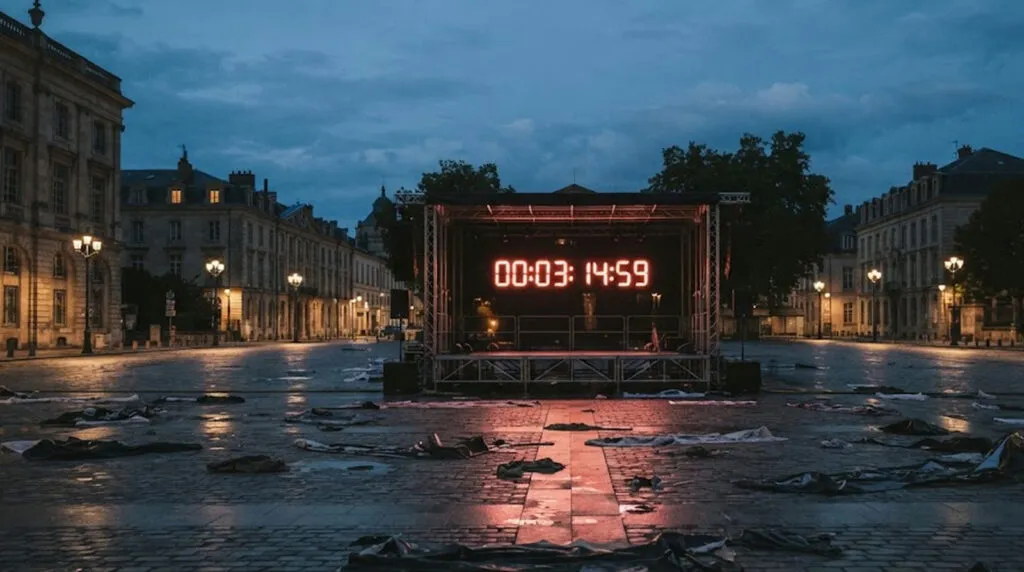
Thousands of people under a digital clock and a banner asking for them to be found innocent. On Wednesday The...
The ruling list sailed through without a single problem, the student list was left waiting in line. Nobody banned anything...
The same firm that supplied ammunition to Ukraine for years is burning for the second time in a month. Seven...
A third attempt in three years, but this time the signatures came from the government benches too. Six MPs from...
Four days before the Hague verdict, the square in Pristina told the court it should back down. Among the guests...
This site uses cookies - is that okay? Learn more
Be the first to know when Metla launches something new
Leave your email and we will write when there is a new guide or something new on Metla.
