
Шест години лажни категории во возачки дозволи од шалтер во МВР: обвинети шестмина, уште 21 лице под истрага
21.09.2026


21.09.2026

21.09.2026

21.09.2026

21.09.2026

21.09.2026

21.09.2026

21.09.2026

20.09.2026

20.09.2026

21.09.2026

21.09.2026

20.09.2026

21.09.2026

21.09.2026

21.09.2026

21.09.2026

20.09.2026

19.09.2026

21.09.2026

21.09.2026

21.09.2026

21.09.2026

21.09.2026

21.09.2026

09.03.2026

27.02.2026

19.02.2026

20.09.2026

19.09.2026

18.09.2026

23.04.2026

23.04.2026

12.04.2026

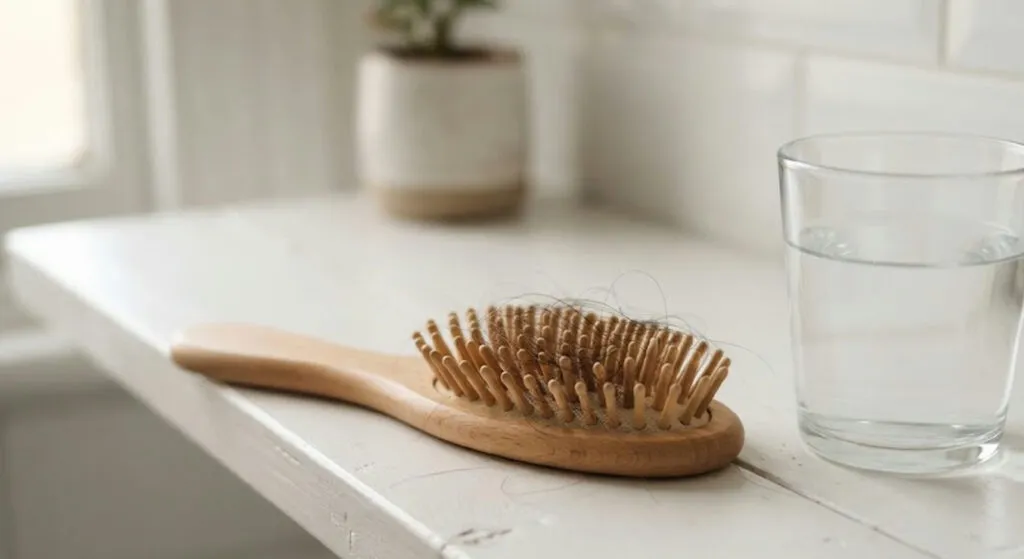
Sandra Bullock and Jennifer Aniston were talking about hair when the conversation turned somewhere nobody expected. In an interview published in Interview Magazine, Aniston joked about how much hair her friend has, and Bullock answered with something she had not said publicly before.
"I had two stress-induced episodes, so I'm very lucky it grew back," the actress said. She did not explain when that was or what exactly caused it. But the admission itself opens a subject that affects far more people than it gets discussed.
Hair does not fall out when things are worst
The condition is called acute telogen effluvium - a temporary disruption of the hair cycle that causes heavy and widespread shedding. And here is its cruellest feature: hair does not start falling at the worst moment. Most often it happens two to three months later, when you already think you have come through it.
Hair does not grow continuously. Every follicle passes through a growth phase (anagen), a transitional phase (catagen) and a resting phase (telogen). Normally between 85 and 90 percent of follicles are in active growth and only a small share is shedding. Severe stress can upset that balance and push many follicles into premature rest.
According to Dr Cristina de Hoyos, a dermatologist and trichology specialist, hormonal, immunological and metabolic signals all take part in that shift. The key point is that the follicle shuts down temporarily but is not destroyed or scarred - which is why this kind of shedding is usually reversible.
"Often by the time patients notice significant shedding, the stressful episode has already ended or they are emotionally much better," De Hoyos explains. Dr Ana Maldonado, an aesthetic physician, adds that finding a lot of hair in the bathroom does not necessarily mean the problem is worsening at that moment. "We are often seeing the consequence of something that happened months ago."
Autumn shedding is not the same
Bullock's admission comes at a time when many people notice more hair in the bathroom. Seasonal variations in the cycle do exist, and the end of summer and autumn can increase shedding. But that does not mean everything should be put down to the season.
"The time of year can point us in a direction, but on its own it does not make a diagnosis," Maldonado warns. Seasonal shedding is usually moderate, lasts a few weeks and does not bring visible loss of density. Stress-related shedding is more intense and can last several months, and some people notice a thinner ponytail, a wider parting or more visible scalp.
There is also a simple thing that distorts the picture: the less often you wash your hair, the more you will see at once. Long hair additionally makes the quantity look larger than it is.
When to see a doctor, and what actually helps
De Hoyos recommends a dermatologist when excessive shedding lasts longer than two to three months, when density noticeably decreases, or when other symptoms appear - bare patches, a wider parting, itching, pain, flaking or redness. An examination and trichoscopy allow a magnified view of the hair and scalp and distinguish effluvium from other causes of alopecia.
On expectations: new short hairs along the front line are usually noticeable within three to four months of resolving the cause, and since hair grows about a centimetre a month, an aesthetic recovery takes six to twelve months. Maldonado usually places the return of density between six and nine months.
And one part the supplement industry would rather you did not hear. "Iron, zinc and vitamins have not shown consistent benefit when there is no documented deficiency," says De Hoyos. Maldonado sums it up more sharply still: with supplements, more does not mean better. If intake is already sufficient, adding iron, zinc or vitamins brings no benefit and may carry risk.
The other reading of this is fairly sobering. Hair falling out from stress is the bill for something that has already passed - and the solution is not in a bottle, but in whatever created that stress. No shampoo works backwards.
The latest 10 news from this category

Три дена во бел мантил со научници по колориметрија за да излезе колекција во лимета и мандарина. Директорката за дизајн...

Кремаст коректор наместо пудра, кафеав молив наместо црн ајлајнер и виткач пред маскара. Ниту една од трите експертки не спомна...
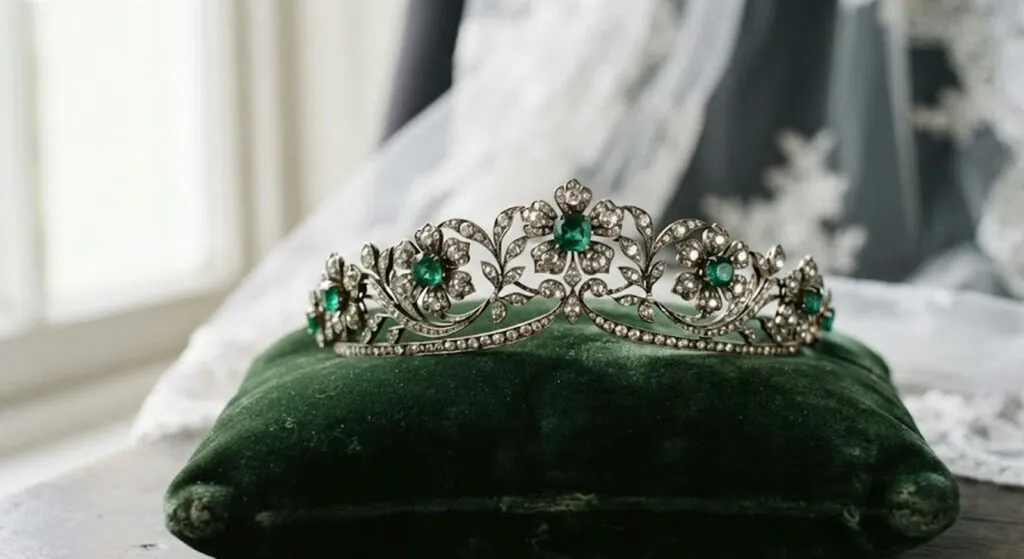
Фустан со изрез чамец и диви цвеќиња што намерно не се натпреваруваат со накитот. Четврта генерација под иста дијадема, и...

A communications expert says the trouser suit sidesteps sexist readings of hemlines and necklines. The same expert warns that the...

Silk bambula muslin, a hand-draped waist and a veil of crystal organza. The wedding was held in Cadiz, where the...

An industry that spent decades selling a flawless illusion is suddenly showing the shoot itself. That is not candour -...

The classic bob promised one perfect day. This version works against the salon business model - and that alone is...

The crowns were held by four men who would all later sit on thrones of their own. Nobody in that...

Kate Middleton dropped the beige and the same cut suddenly looked twice as expensive. The industry sells a new silhouette...
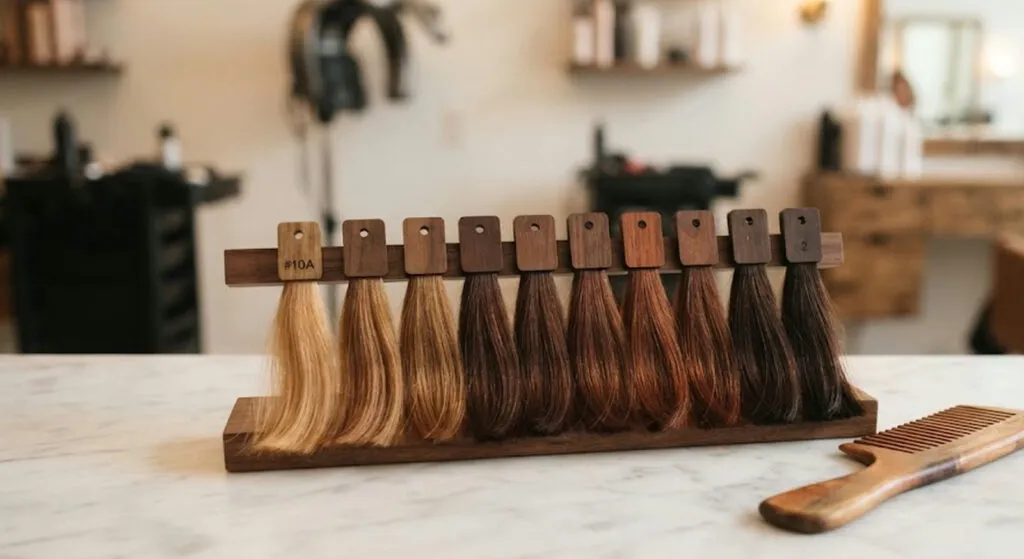
A shade close to your natural one means the regrowth does not draw a line - and that you go...
This site uses cookies - is that okay? Learn more
Be the first to know when Metla launches something new
Leave your email and we will write when there is a new guide or something new on Metla.