

Kratovo man stabs police officer mid-intervention: prosecutors want the 40-year-old detained
15.09.2026


15.09.2026

15.09.2026

15.09.2026
15.09.2026
15.09.2026

15.09.2026

15.09.2026

14.09.2026

13.09.2026

15.09.2026

15.09.2026

14.09.2026

15.09.2026

15.09.2026

15.09.2026

15.09.2026

14.09.2026

13.09.2026

15.09.2026

15.09.2026

15.09.2026

15.09.2026

15.09.2026

14.09.2026

09.03.2026

27.02.2026

19.02.2026

14.09.2026

14.09.2026

13.09.2026

23.04.2026

23.04.2026

12.04.2026

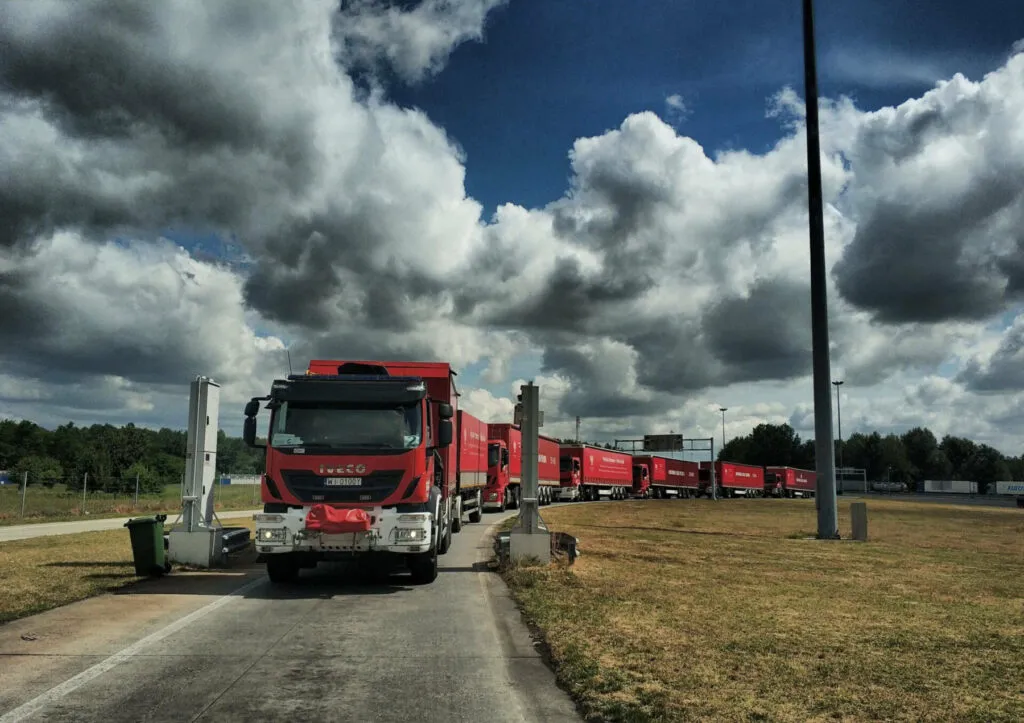
On 14 September there were no lines of trucks at the borders. The blockade announced by hauliers from Macedonia, Serbia, Bosnia and Herzegovina and Montenegro was called off at the last moment - after a promise arrived from Brussels that the problem would be addressed.
Representatives of the four countries met representatives of the EU Mission in Belgrade and agreed to postpone the protest, in exchange for a message that a solution would be sought for professional drivers' stays in the Schengen zone. The promise is goodwill. The solution does not exist yet.
The 90/180 rule
The core of the problem is a clause tourists know about but never feel: third-country nationals may spend a maximum of 90 days in any 180-day period inside the Schengen zone. For a tourist who takes two weeks off a year, that is an abstraction. For a driver who crosses the border every week, it is a deadline that runs out in the middle of the working year.
What has tightened the rope now is the EES - the new European entry-exit system, which counts the days precisely. The calculation used to be loose and the system could be slipped through. With automated records, a rule that existed on paper suddenly started being applied literally.
What hauliers are asking for at home
From the government, domestic hauliers are demanding urgent support: faster VAT refunds on outstanding amounts, a cut in the road maintenance fee to 30 percent of the current level, and the return of overpaid road charges from 2025. Longer term, they want a driver's daily allowance of at least 100 euros free of income tax and a partial refund of excise duty on fuel used commercially.
The argument they bring is a heavy one: around 96 percent of goods imports and exports move by road. If companies get no help, they warn, some will move operations abroad - meaning less revenue for the budget and broken supply chains.
The cost of the blockade that did not happen
Previous protests showed what a closed border means: delayed raw materials, car parts, food, industrial goods, with daily losses measured in tens of millions of euros. So calling off the blockade is not purely a gesture of goodwill - it is also arithmetic.
Brussels says it will consider differentiated treatment - long-term visas, special permits or extended short-term stays for mobile professions. All three options sound reasonable. Not one of them has been signed so far.
The hauliers are collecting documentation on cases where a driver was stopped, fined or turned back at the border because of the rule. That is what is left to them while the waiting lasts - gathering evidence that the problem exists. The question is how long a voluntary postponement will be read as patience rather than as consent.
The latest 10 news from this category
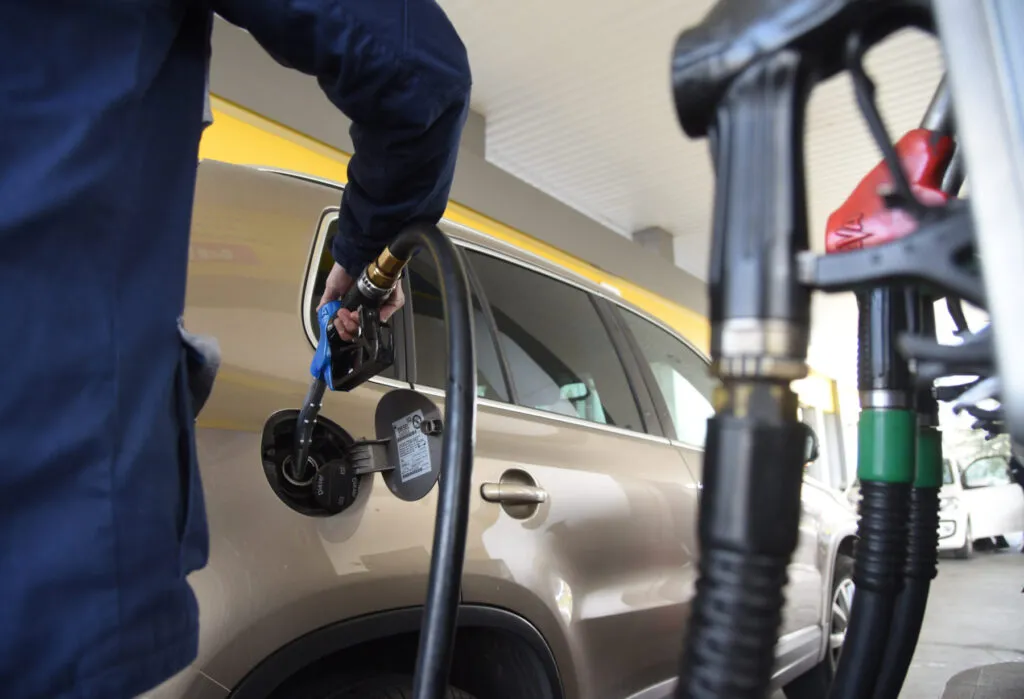
Eurosuper BS-95 is now 100.50 denars, diesel 99. The gap was not made by the world market but by one...

A scientist at the same company puts the probability of human extinction above 10 percent within the next decade. The...

The president called in while the event was running, and the man who makes the chips answered that there would...

A startup valued at 94 million dollars changed hands, and both sides said openly what was being bought - not...

No virus attached, no suspicious file. Just a box that looks like the "I am not a robot" check and...
The tax falls, petrol gets more expensive - both true at the same time. The measure lasts fourteen days, and...
Two calls offer up to 500,000 denars per company, with a university as a mandatory partner. The idea is good...

Nobody pulls out a vine out of spite. You pull it out when the numbers stop adding up - and...

Sixteen thousand tonnes of copper a year against ten years of resistance around Strumica. The question is not mine or...

A researcher quit because the firms are gambling with our lives. Instead of denying it, Anthropic confirmed it - with...
This site uses cookies - is that okay? Learn more
Be the first to know when Metla launches something new
Leave your email and we will write when there is a new guide or something new on Metla.
