


Experts on the Puls fire: the ceiling foam released cyanide as it burned, and the inspector could and should have shut the place down
02.09.2026


02.09.2026

02.09.2026
02.09.2026
02.09.2026
02.09.2026

02.09.2026

02.09.2026
01.09.2026

31.08.2026

02.09.2026

02.09.2026

01.09.2026

02.09.2026

02.09.2026

02.09.2026

02.09.2026

01.09.2026

31.08.2026

02.09.2026

02.09.2026

02.09.2026

02.09.2026
01.09.2026
31.08.2026

09.03.2026

27.02.2026

19.02.2026

02.09.2026

01.09.2026

01.09.2026

23.04.2026

23.04.2026

12.04.2026
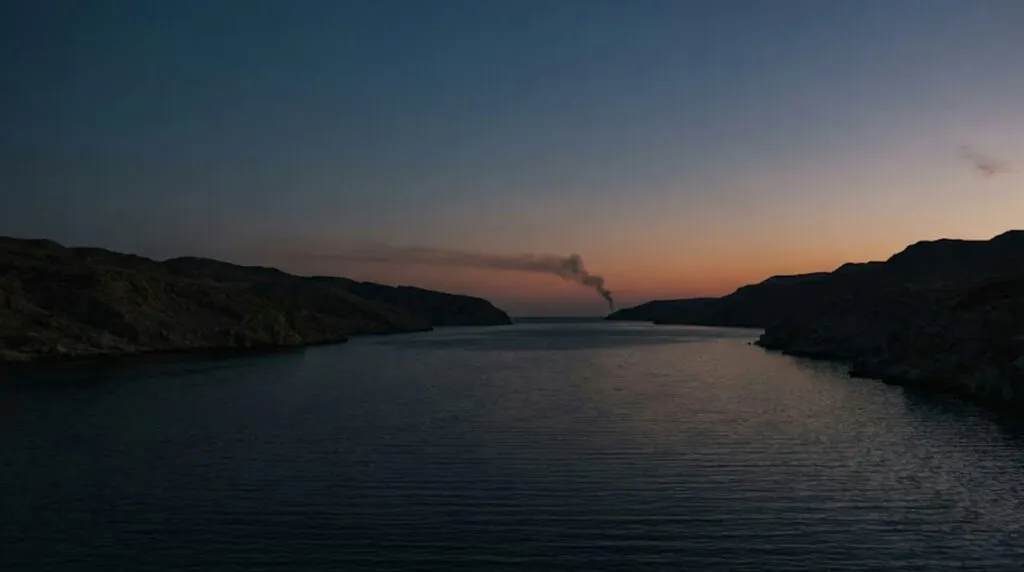
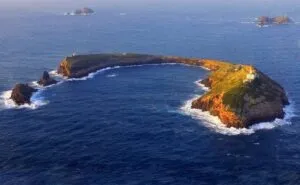
American forces today struck missile launchers on the island of Larak in the Strait of Hormuz. The first American strike on Iran after a full month of quiet, and immediately afterwards - the Revolutionary Guard promised revenge. "The aggressor will be punished," the Guard announced, which in the Middle East is a sentence with a shelf life of a few days.
According to American officials, the strike targeted two launchers operated by members of the Revolutionary Guard. The reason, they say, was that Iranian forces were preparing missiles and naval mines to be laid in the strait. The details stayed closed - "operational sensitivity", the explanation every military in the world uses when it does not want to say anything.
Iranian semi-official media first reported explosions near Larak and suggested it was a drone attack. Washington did not confirm what it struck with. The Revolutionary Guard confirmed the attack and said there were casualties among both soldiers and civilians - with no figures. When one side gives no numbers, it usually means the numbers do not work in its favour.
A strait with the world by the throat
The strike came after the American military finished mine-clearing operations along the international shipping lanes through Hormuz. Tehran responds that it still controls a significant part of the water - with missiles, drones and the capacity to lay more mines. The Guard has previously claimed "full control" over this passage. The claim is exaggerated, but it is not empty: a handful of mines is enough to freeze maritime traffic.
And that traffic is already far below pre-war levels. Tankers sail rarely and carefully, because mines, missiles and drones do not ask what flag you fly. Iran recently blacklisted 45 tankers and threatened them with detention, fines and seizure of cargo - for allegedly breaching its rules for passage through a strait that international law does not hand it as a private courtyard.
A fifth of the world's oil
Before the war, around one fifth of the world's crude oil and liquefied natural gas passed through Hormuz. That figure explains why one small island with two missile launchers is front-page news around the world. Every tightening there is read on the exchanges in London and New York before it is read in Tehran itself.
Today's operation broke a month-long pause in direct American military campaigns. In the meantime the Trump administration leaned mainly on sanctions and economic pressure - the quiet version of war, the one that needs no press releases. Now, with the strike and the promised Iranian revenge, the risk of a wider flare-up is rising again.
The conflict between the US, Israel and Iran has run for more than six months, and diplomatic efforts have so far produced nothing lasting. Six months is long enough to stop being news and short enough that nobody remembers how exactly all of this started.
The Balkans know this scene by heart: while the big powers negotiate over other people's heads, the small ones wait to see whose version becomes official history. The difference is that here the price is measured in barrels, not in kilometres of border.
The latest 10 news from this category
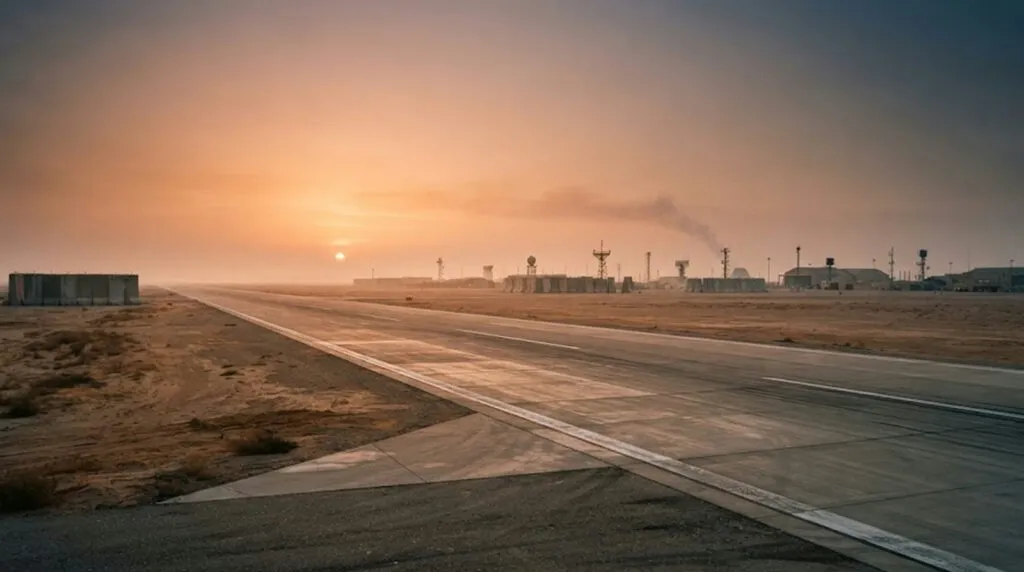
An American missile hit a house holding a wedding in Sirik, killing four people including a child. Iran struck back...
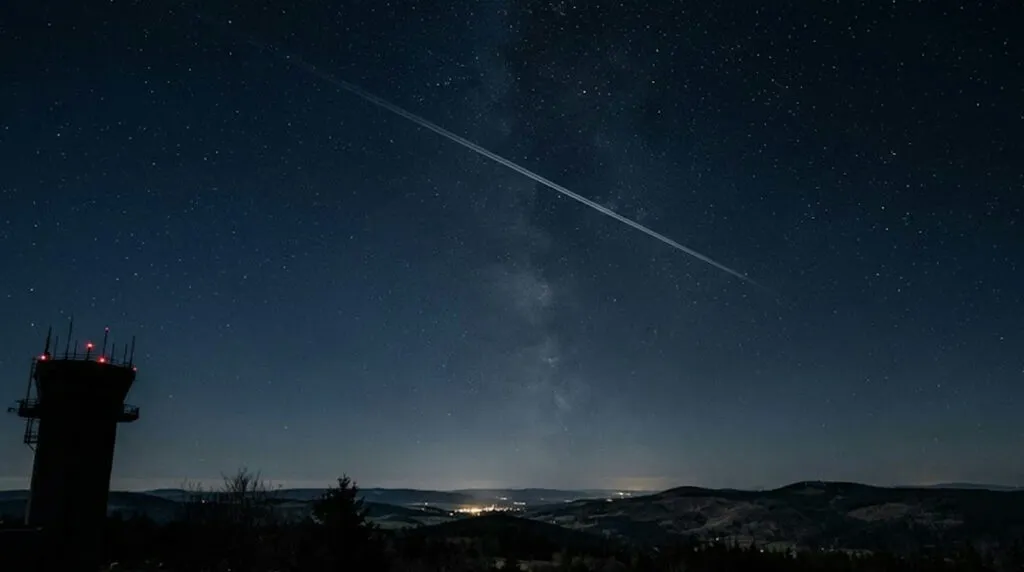
Zelensky warned airlines and insurers that Russian airspace would de facto close. Putin answered with a sentence that shuts every...
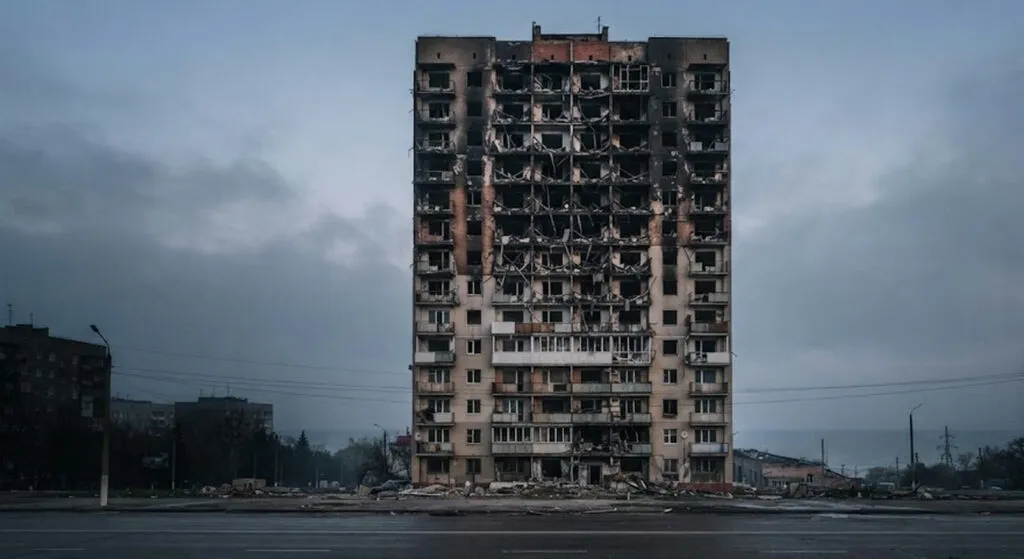
The Banderol costs less than the interceptor sent to shoot it down. When the arithmetic looks like that, the war...
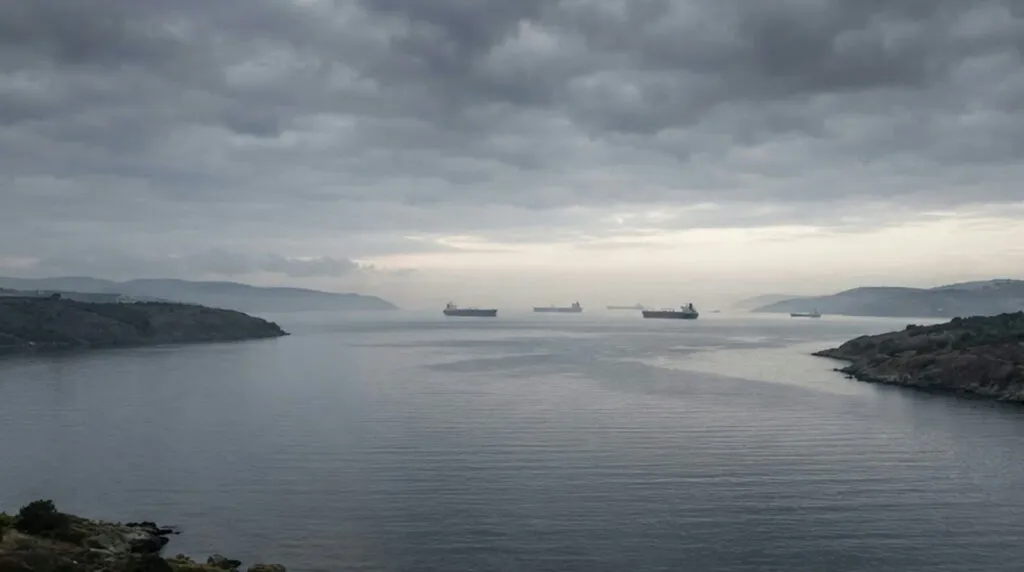
Iran launched missiles at two US bases in Jordan. The Revolutionary Guard says the damage is extensive, Jordan says everything...
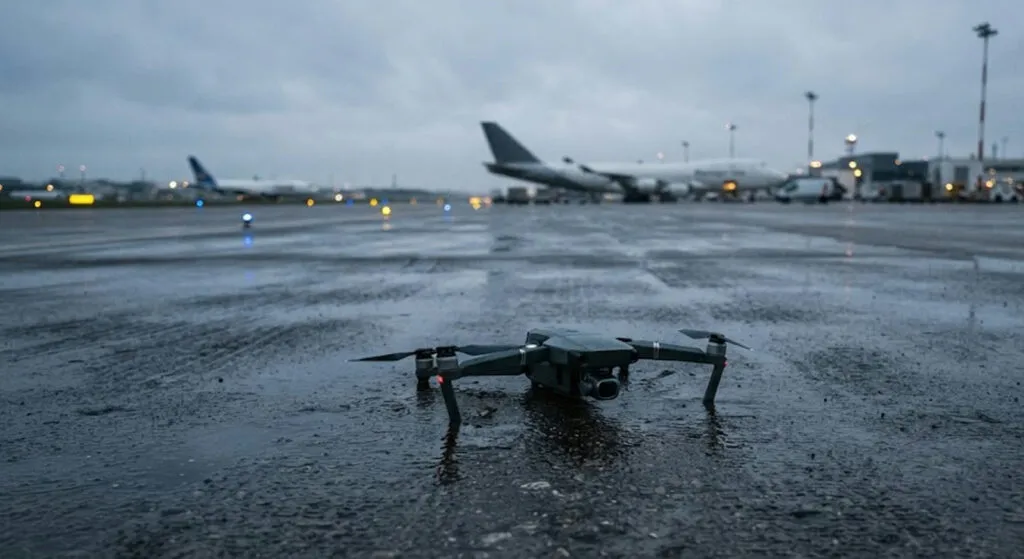
Three drones, 50 grams of hexogen and one cargo airport through which aid for Ukraine travels. The Americans already said...

When diplomacy moves out of ministries and into intelligence services, it means the official channels stopped delivering long ago. Three...
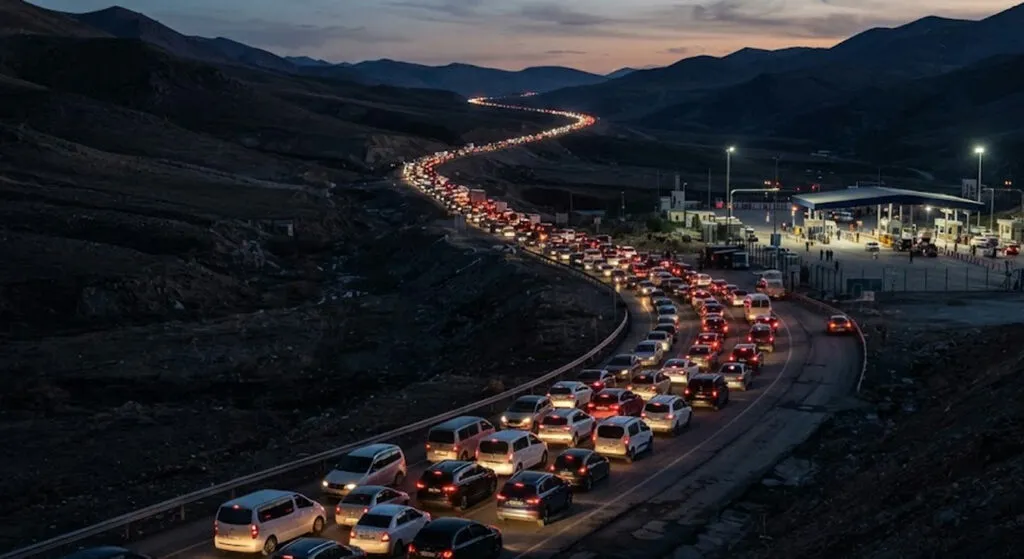
The state is collecting relatives' addresses, the army is rehearsing reception and arming, and the words wartime appear in the...
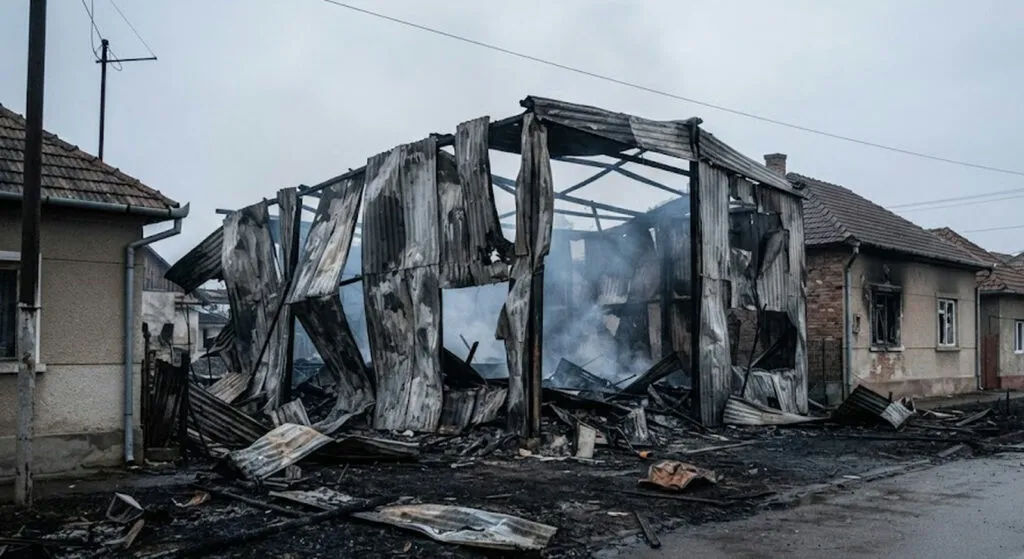
Two months ago the same mistake cost eight lives, followed by dismissals and promises of severe punishment. Now the number...
The night Kyiv's air defence ran at ninety percent success and it still was not enough. The tactic has changed:...

Analysts claim that Putin, squeezed by the economy and a shortage of soldiers, is weighing an attack on a NATO...
This site uses cookies - is that okay? Learn more
Be the first to know when Metla launches something new
Leave your email and we will write when there is a new guide or something new on Metla.
