
The Wind That Hit Us Had the Strength of a Hurricane: 130 km/h in Skopje, and the City Fell at the First Blow
22.07.2026


22.07.2026

22.07.2026

22.07.2026

22.07.2026
22.07.2026
22.07.2026
22.07.2026

22.07.2026

21.07.2026

22.07.2026

21.07.2026

20.07.2026

22.07.2026

22.07.2026
22.07.2026
22.07.2026

22.07.2026

21.07.2026

09.03.2026

27.02.2026

19.02.2026

22.07.2026

21.07.2026

20.07.2026

23.04.2026

23.04.2026

12.04.2026


We want to believe we carry a built-in lie detector: one look in the eyes, one glance to the side, and we know someone is deceiving us. It's a nice story, but science blows it apart. There isn't a single universal sign that proves on its own that someone is lying, and the average person catches a lie only 54 percent of the time. That's almost the same as flipping a coin.
Nonverbal-communication analyst Virginia Vargas begins the conversation precisely by tearing down the myth. „We think that by watching someone we can catch that tiny movement of the nose or shift of the gaze and know with absolute certainty that we're being lied to. Part of the blame lies with the film industry, from Pinocchio and his nose to characters who sweat when they lie,” she says. Today, she adds, the utopia of the „human detector” lives mostly in our phones, in viral videos that promise to reveal in a few seconds whether some politician is lying.
Lying tires you more than you think
Although there's no single magic sign, there are psychological processes that make lying harder than it looks. „Lying is tiring, it burns enormous energy,” Vargas explains. „The brain has to invent a coherent story, hold back the truth so it doesn't slip out, and be careful not to contradict itself. All that extra work produces involuntary 'leaks' that can wreck the lie.”
One of the most widespread myths says the person lying avoids eye contact. Research shows exactly the opposite. „The one trying to deceive usually looks at you more than usual, constantly watching your reaction to check whether you believe them,” the expert says. It reminds us of the small child who, before confessing some mischief, takes your face in their hands and stares deep into it. As adults we stop touching the face, but the brain repeats the same pattern of surveillance.
Then there's the moment of microexpressions, those involuntary flashes of true emotion that last milliseconds. The problem is that the human eye, in a normal conversation, rarely catches them in time. And things get even more complicated because the same gesture can mean entirely different things: crossed arms can mean cold, tension, or just a habitual posture.
The secret is called the baseline
If there's a genuinely useful tool, it has nothing to do with memorizing lists of movements. The key is knowing how someone behaves when they're calm, under no pressure. In psychology that's called the baseline. Picture a friend you've talked to for years: you know how she speaks when she's relaxed, whether she gestures a lot or a little, whether she rushes. Any striking change from that can mean something is going on, though it needn't be a lie.
Vargas gives the example of the „mother's radar.” You walk into the house, don't say a word, and she looks at you and immediately asks what's wrong. It's not a superpower, but years of observation. The biggest mistake we make she calls the „Othello error”: we confuse the signs of stress with the signs of guilt. Someone may get upset, stammer or look away because they feel judged, shy or frightened, not because they're lying. „If the analysis relied only on isolated movements, nonverbal communication would be a pseudoscience. A movement without context is just a drawing, not a signal,” she concludes.
The latest 10 news from this category

Fresh shells with a colorful vinaigrette of peppers and onion, ready in minutes and left to wait in the fridge....

„Thank you” isn't just good manners, it's a chemical command to your own brain - it releases dopamine and lowers...

A cold almond soup, yesterday's bread and a splash of vinegar - food born of scarcity, not abundance. The Balkans...

The feel-good industry sells you peace through apps and quotes. Psychology says satisfaction comes from work - from facing the...

The best recipes are born of scarcity, not abundance. One trick with the bread separates a crunchy salad from a...

Weights three times a week, dinner before 6:30 p.m. and no shortcuts. Plus one dose of healthy scepticism - the...

Over 90 percent water, a little feta or prosciutto, a few basil leaves - and you get something that looks...

We have never read this much, and it has never been harder to hold our attention. A book before bed...

Crusty bread, quality tuna, roasted peppers and homemade mayo made with the oil from the can. A summer meal with...
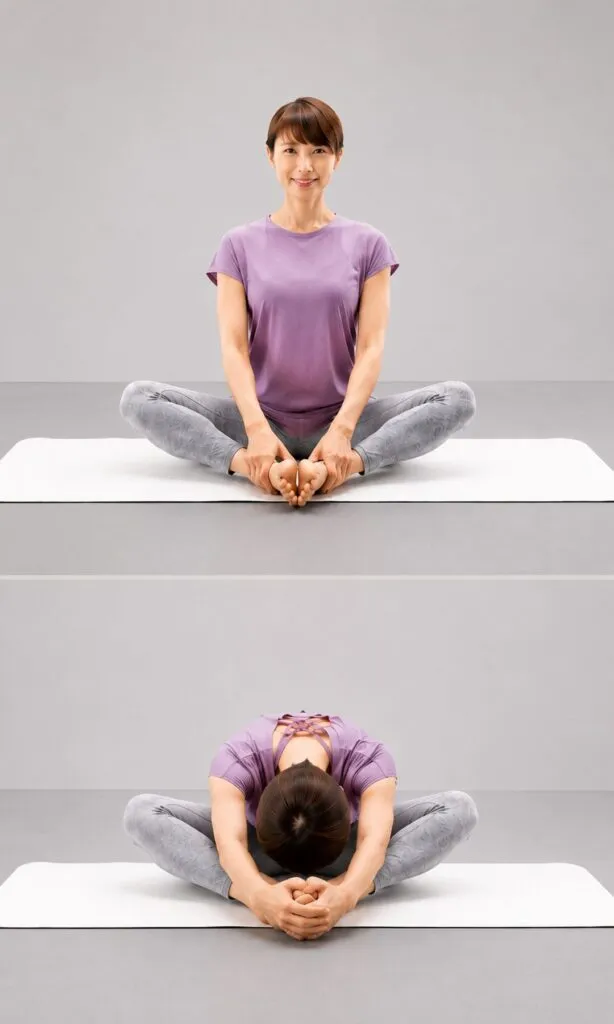
The turtle pose, the half-knot and the body scan calm the body down. But if your head is running because...
This site uses cookies - is that okay? Learn more