Four Families, One Morning: Domestic Violence Has Become a Daily Number
21.07.2026


21.07.2026

21.07.2026

21.07.2026
21.07.2026
21.07.2026
20.07.2026

21.07.2026

20.07.2026
19.07.2026
21.07.2026

21.07.2026

20.07.2026

09.03.2026

27.02.2026

19.02.2026

21.07.2026

20.07.2026
20.07.2026

23.04.2026

23.04.2026

12.04.2026

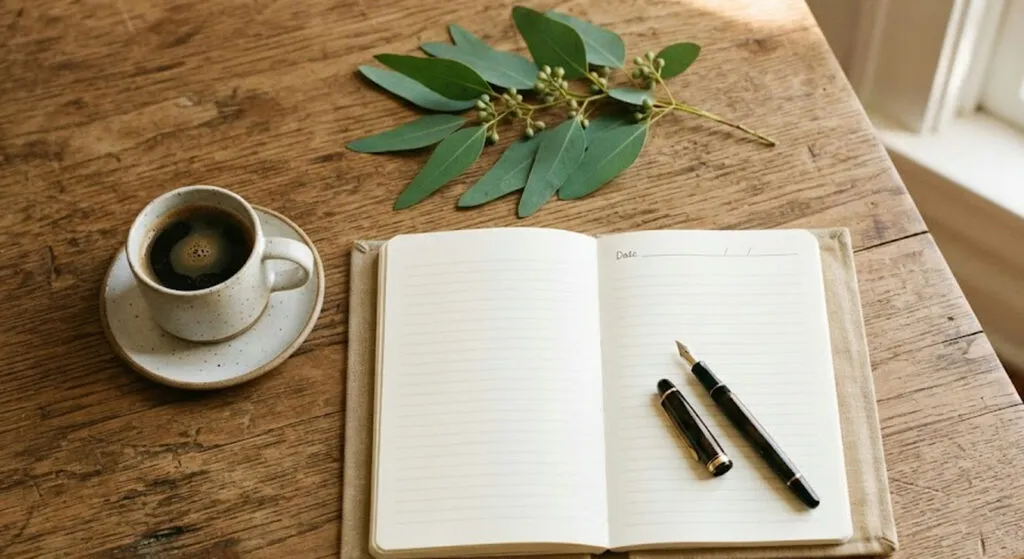
Two thousand years ago a Roman lawyer wrote a sentence that psychology today is proving right: „Gratitude is not only the greatest of virtues, but the mother of all the rest.” Cicero had no brain scans, no hormones under a microscope - and yet he hit on something science is only now confirming.
Here's how it works. Every day carries its dose of unpleasantness - a traffic jam, an unexpected email, an argument. The brain naturally latches onto exactly those moments and spins them on a loop. Gratitude is a way to break that loop - not through faked happiness, but by changing how the mind interprets its problems.
Specialists distinguish two forms. Conditional gratitude - the kind that depends on whether we've achieved something or whether circumstances are more favourable. And unconditional gratitude - the kind that can value what it has even in the middle of hard days. The second is harder, but it's the one that changes things.
And the change isn't abstract. A study published in the journal „Cerebral Cortex” showed that gratitude and kindness activate the hypothalamus - the part of the brain that regulates stress. That activation releases dopamine, the hormone tied to pleasure and motivation, and lowers levels of cortisol, the stress hormone. In other words: „thank you” isn't just good manners, it's a chemical command to your own brain.
There's a social effect too. People who know how to be grateful have stronger relationships, more trust in others, and compare themselves less to someone else's life. And that last one may be the most important in a time when every screen offers up someone else's life for comparison.
The best part is that gratitude is a practice. It asks for no subscription, no app, no expensive course. It asks only for one moment a day - to remember the help you received, someone else's effort, something good that slipped by unnoticed. Cicero knew it without a single scientific paper. We have the paper - all that's left is to listen to it.
The latest 10 news from this category
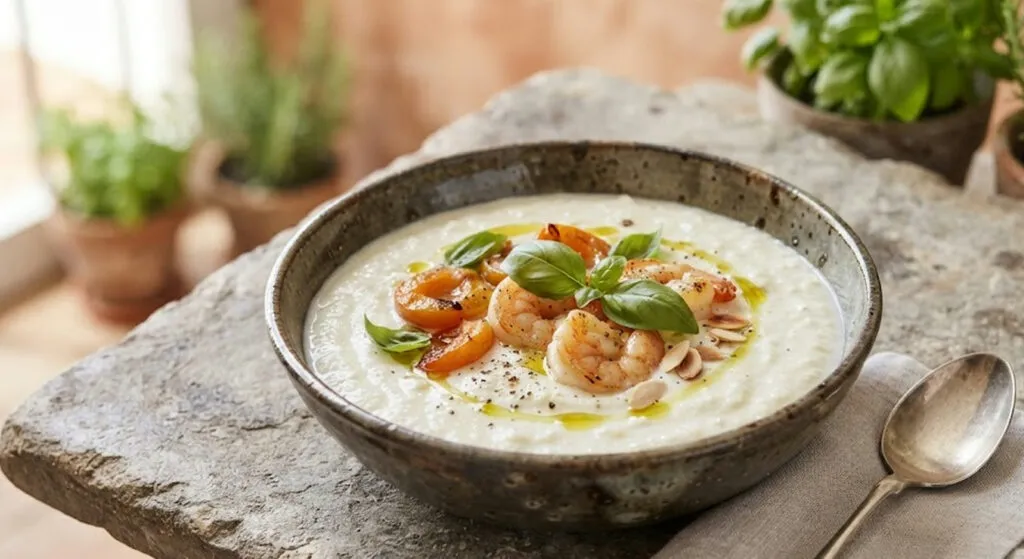
A cold almond soup, yesterday's bread and a splash of vinegar - food born of scarcity, not abundance. The Balkans...
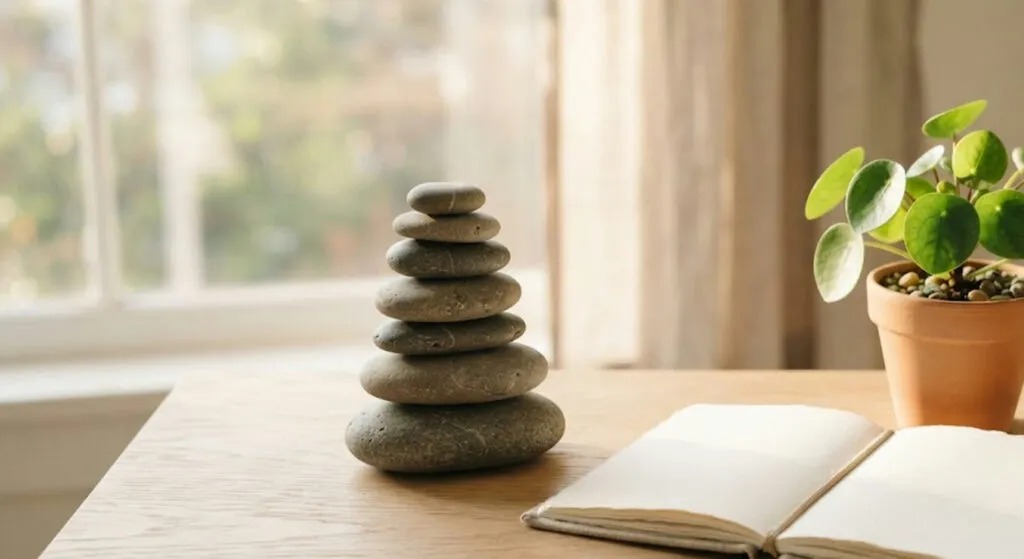
The feel-good industry sells you peace through apps and quotes. Psychology says satisfaction comes from work - from facing the...
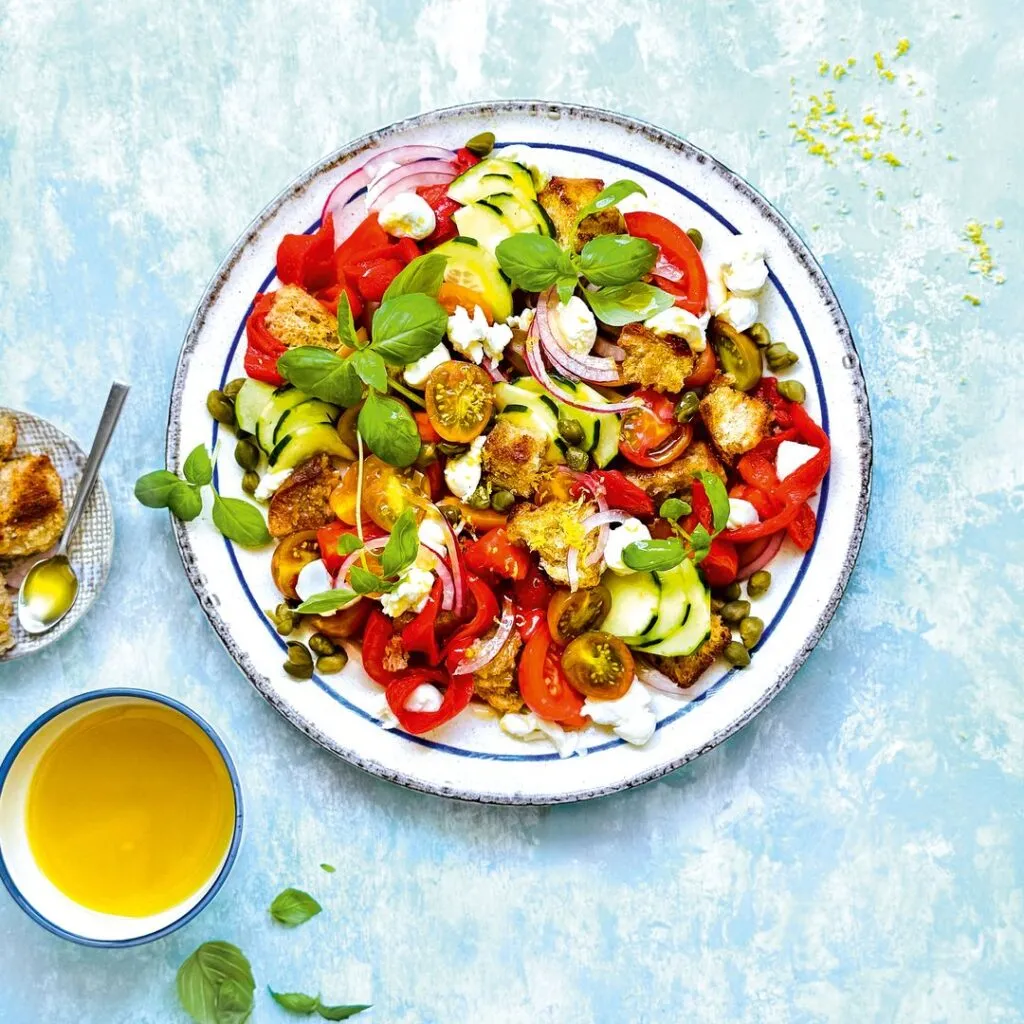
The best recipes are born of scarcity, not abundance. One trick with the bread separates a crunchy salad from a...
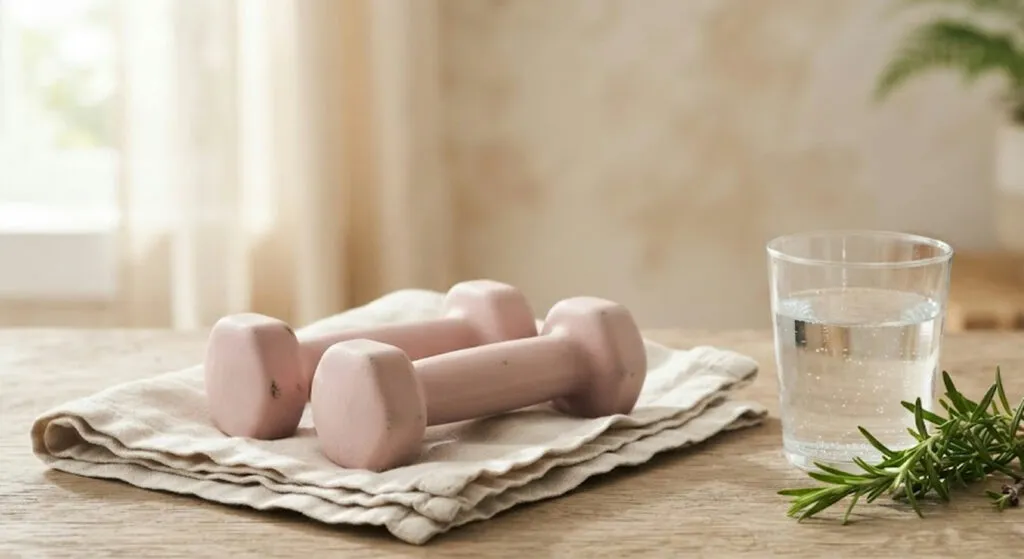
Weights three times a week, dinner before 6:30 p.m. and no shortcuts. Plus one dose of healthy scepticism - the...
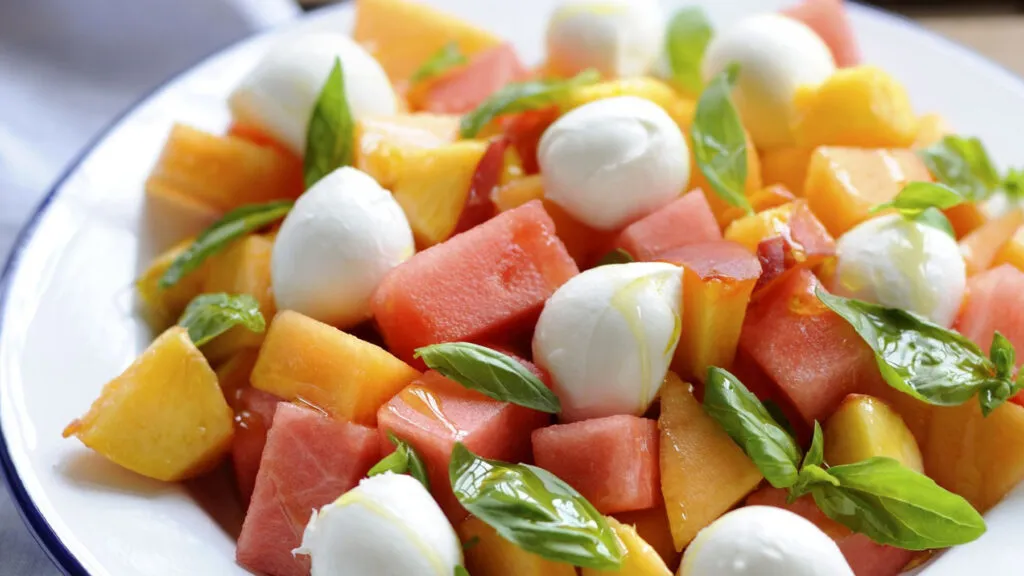
Over 90 percent water, a little feta or prosciutto, a few basil leaves - and you get something that looks...

We have never read this much, and it has never been harder to hold our attention. A book before bed...
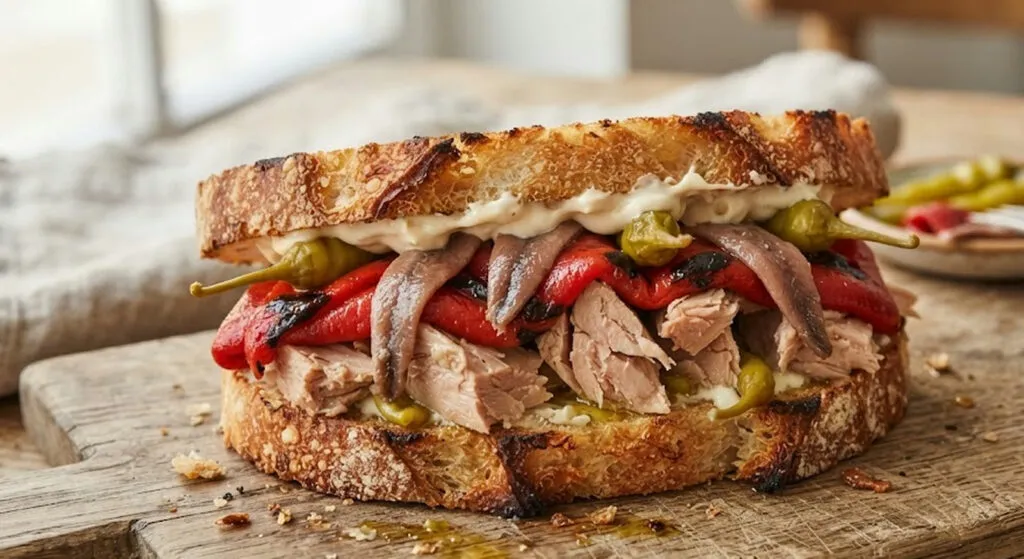
Crusty bread, quality tuna, roasted peppers and homemade mayo made with the oil from the can. A summer meal with...
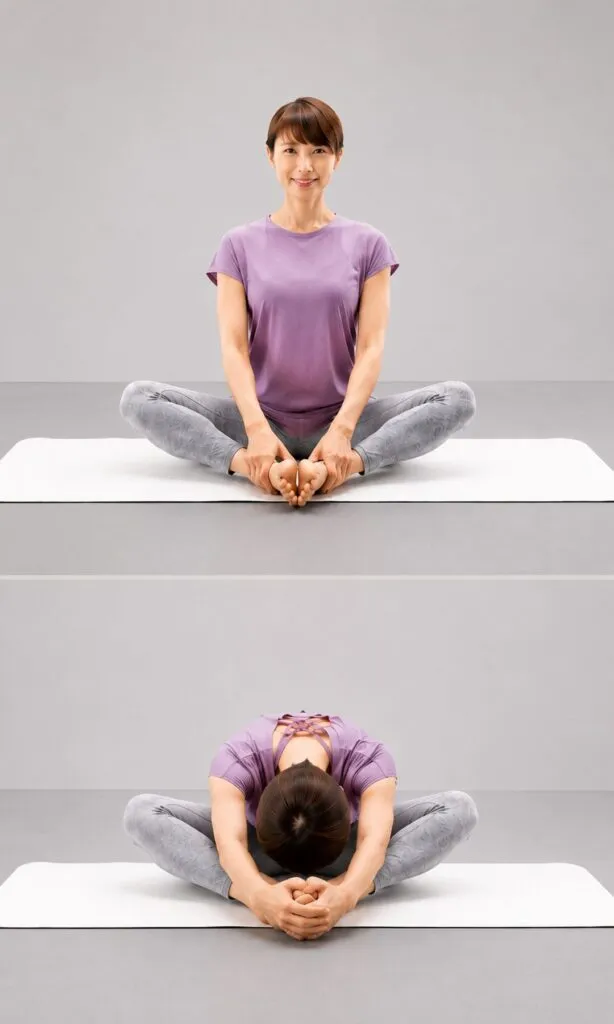
The turtle pose, the half-knot and the body scan calm the body down. But if your head is running because...
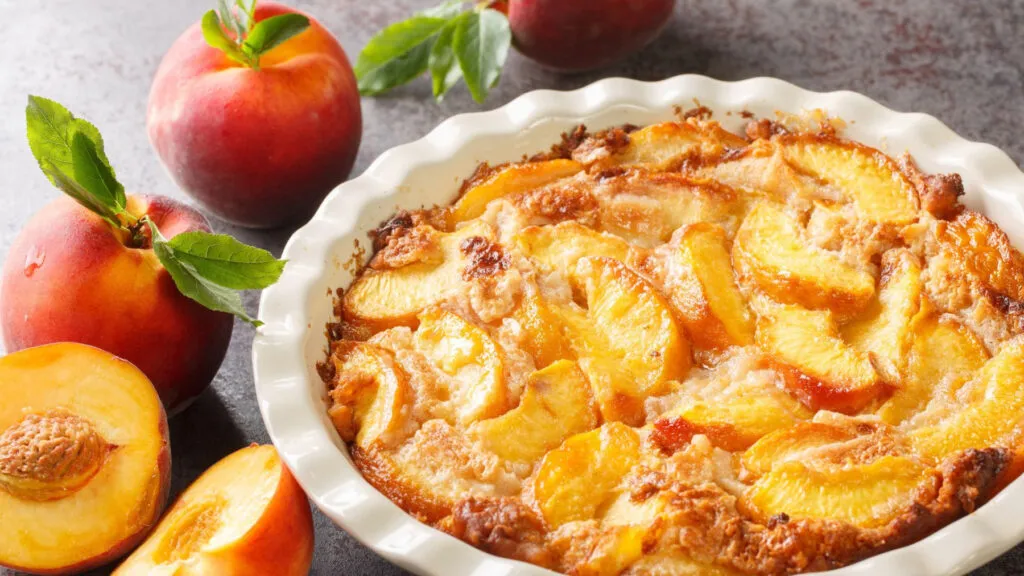
British settlers had no proper tins, so they threw the dough over the peaches. Two hundred years later that is...
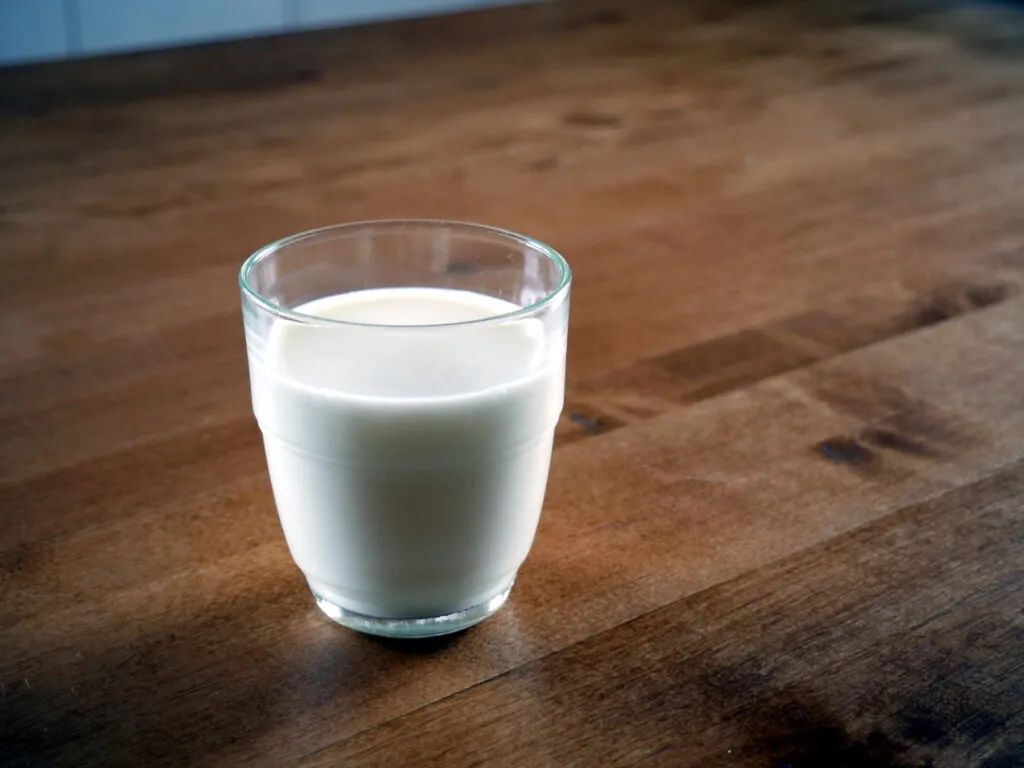
Whole generations bought skimmed believing it was healthier. Science is now quietly flipping the record - and revealing everything you...
This site uses cookies - is that okay? Learn more