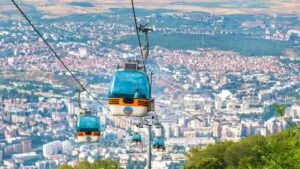
Three of Four Sensors Were Dead: Skopje's Vodno Cable Car Ran Fifteen Years Without a Real Service
17.09.2026


17.09.2026

17.09.2026

17.09.2026

17.09.2026
17.09.2026

17.09.2026
17.09.2026
16.09.2026
15.09.2026

17.09.2026

17.09.2026
16.09.2026
17.09.2026

17.09.2026

17.09.2026
17.09.2026
16.09.2026
15.09.2026

17.09.2026

17.09.2026

17.09.2026

17.09.2026

17.09.2026

17.09.2026

09.03.2026

27.02.2026

19.02.2026

23.04.2026

23.04.2026

12.04.2026

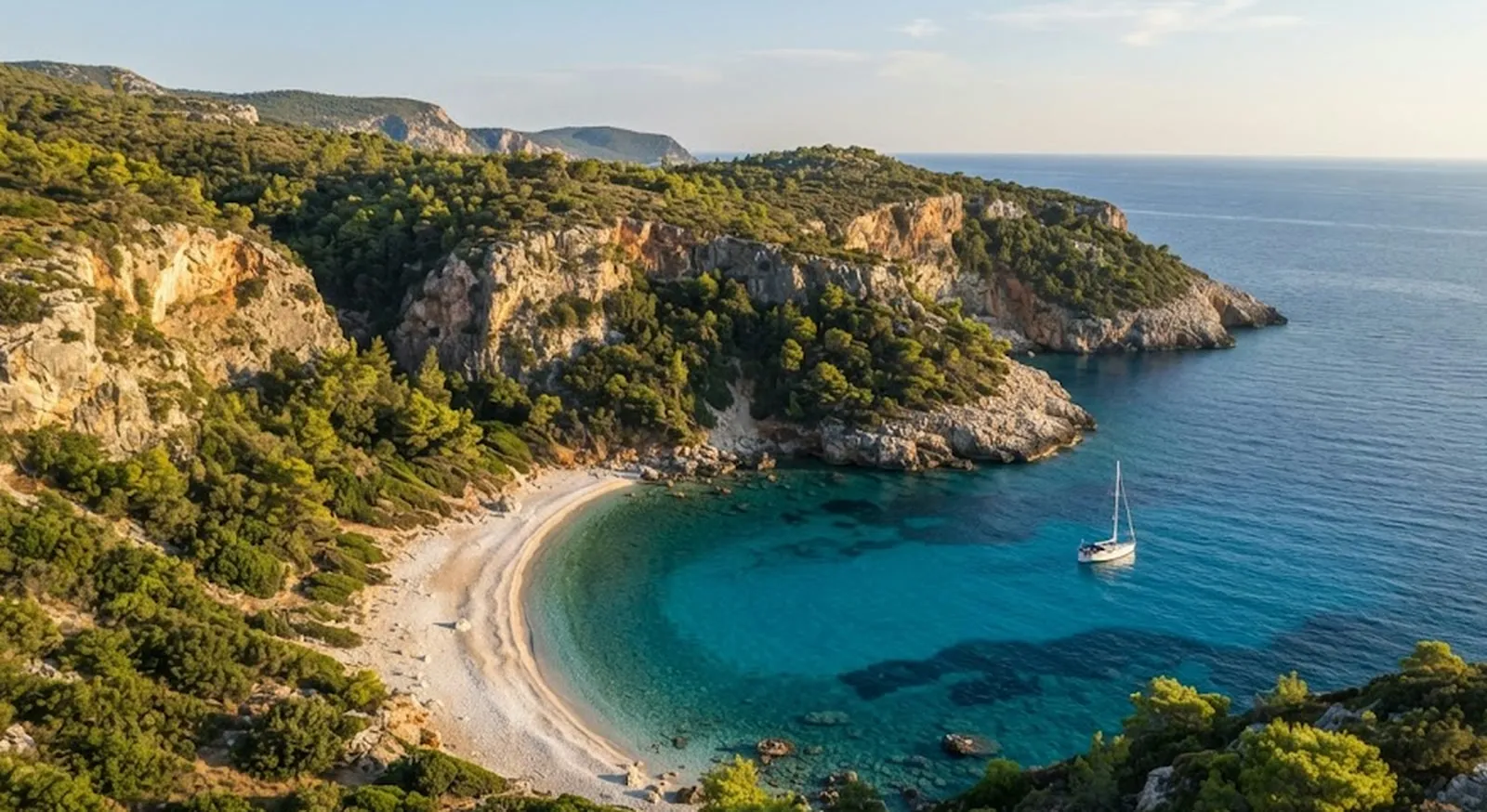
Ibiza, Sardinia and Santorini are a safe choice, but not the only one. Scattered across the Mediterranean and the Atlantic, there are islands with clear water, dramatic cliffs and villages where time runs slower - without the crowds that choke the famous resorts. Here are seven worth knowing before all the others.
Zakynthos (Greece)
A little over an hour's flight from Athens, Zakynthos reveals its cliffs, green plains and over 120 kilometers of coastline in the Ionian Sea. Instead of the white houses of the Cyclades, neoclassical buildings, fortresses and churches from the Venetian past dominate here. The most famous is Navagio beach, reachable only by sea, where the famous ship sunk in the eighties lies. The best views are from the surrounding cliffs.
Belle-Île-en-Mer (France)
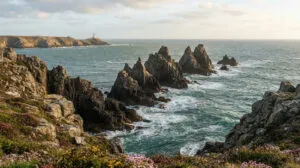
The largest of the Breton islands, just 45 minutes by ferry from Quiberon, lives up to its name. The wild Atlantic coast with its cliffs meets some fifty beaches and turquoise coves. The journey begins at Le Palais with its Vauban fortress, continues to the harbor of Sauzon with pastel-colored facades and to the Port-Coton cliffs, which Claude Monet immortalized on canvas. To feel its essence, you should walk or cycle along part of the 82 kilometers of coastline.
Lošinj (Croatia)
Connected to the island of Cres by a narrow channel, Lošinj is called the „island of vitality.” It earned the name with its mild climate and over a thousand aromatic and medicinal plant species. Since the late 19th century it has been one of the leading wellness destinations on the Adriatic. Not to be missed are the Apoxyomenos Museum, dedicated to the Greek statue recovered from the seabed, the picturesque harbor of Mali Lošinj and the historic core of Veli Lošinj with its colorful houses. Three hours by car from Zagreb, plus a short ferry ride.
Elba (Italy)
Only 28 kilometers long and 19 wide, this gem of the Tuscan archipelago is known for one thing: this is where Napoleon was in exile. Of volcanic origin, about 50 kilometers from Corsica, Elba offers golden beaches, wild coves and countless trails. Climbing Monte Capanne, the highest peak, gives the best views. Portoferraio, medieval Capoliveri and Porto Azzurro with its fortresses are the three unmissable little towns.
Pico (Portugal)
After a flight of less than an hour from São Miguel, Pico stands out for the giant volcano that crowns it, reachable in about four hours. Besides the walking trails and the rural character, there are the wineries, the vineyards planted among lava fields and the Whalers' Museum. People once came with harpoons; today they come with cameras to see the Atlantic giants.
Gozo (Malta)
The more rural and quieter sibling of Malta draws you in with a coast edged with cliffs, small transparent coves and villages of honey-colored stone. The Citadel in Victoria dominates the heart of the island, while the Ta' Ċenċ cliffs, the old salt pans at Xwejni and Ramla beach with its reddish sand show the wilder side. Just half an hour by ferry from Valletta, this corner has preserved an authenticity that is ever rarer in the Mediterranean.
Cabrera (Spain)
Although mentioned as a single island, Cabrera is actually the largest in a small archipelago declared a national park south of Mallorca. Decades of protection have preserved the clear coves, the cliffs and the extraordinary marine wealth. With no hotels, no roads, no buildings, the only experience is sailing to the Cova Blava, a cave where the light turns the sea an intense electric blue. An hour by boat from Colònia de Sant Jordi on Mallorca, and the rare privilege of discovering an untouched Mediterranean.
The latest 10 news from this category

Of twenty-five new inscriptions, five are natural - and only one is in Europe. For the richest of them, the...
Fifty beaches, more than 120 villages and a trail France voted its favourite. Monet came for a few days and...
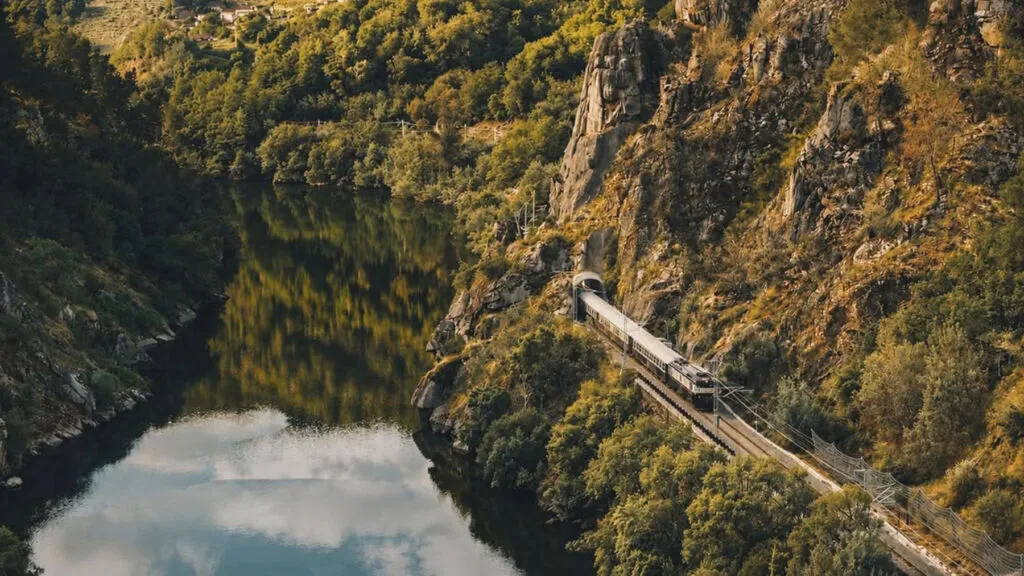
Restored carriages, a locomotive they call the Japanese Woman and a 28.95 euro return ticket. What it sells is not...
Two hundred and fifty tree species from every corner of the world, a monastery from 1628 and a palace that...
The same places cost more in August, look crowded and are experienced at half strength. The difference is made by...
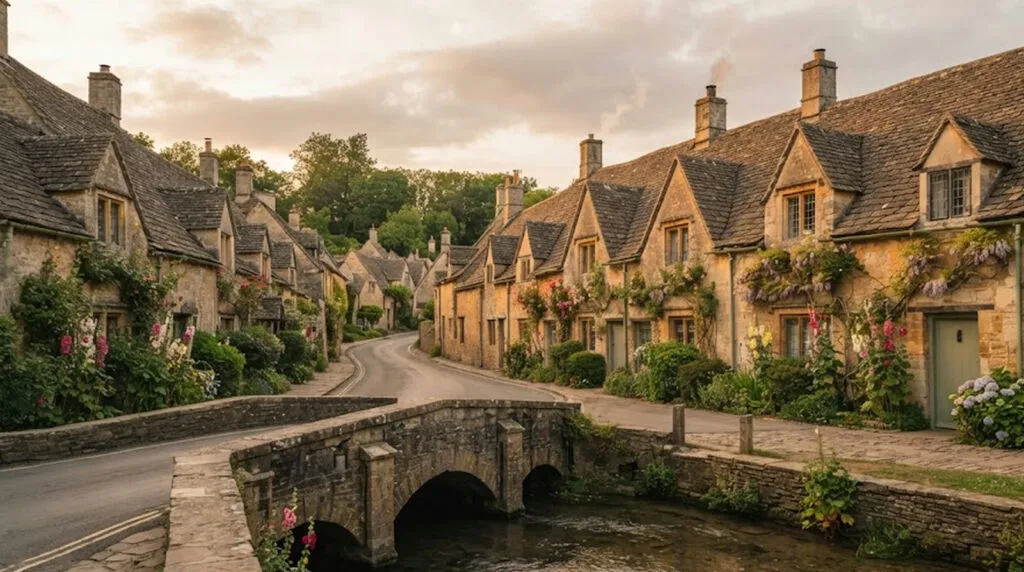
The Beckhams have a place there, so do Kate Moss and Ellen DeGeneres. But the Cotswolds needs none of those...

Down on the coast the buses pass each other with centimetres to spare and all you see is people. Up...
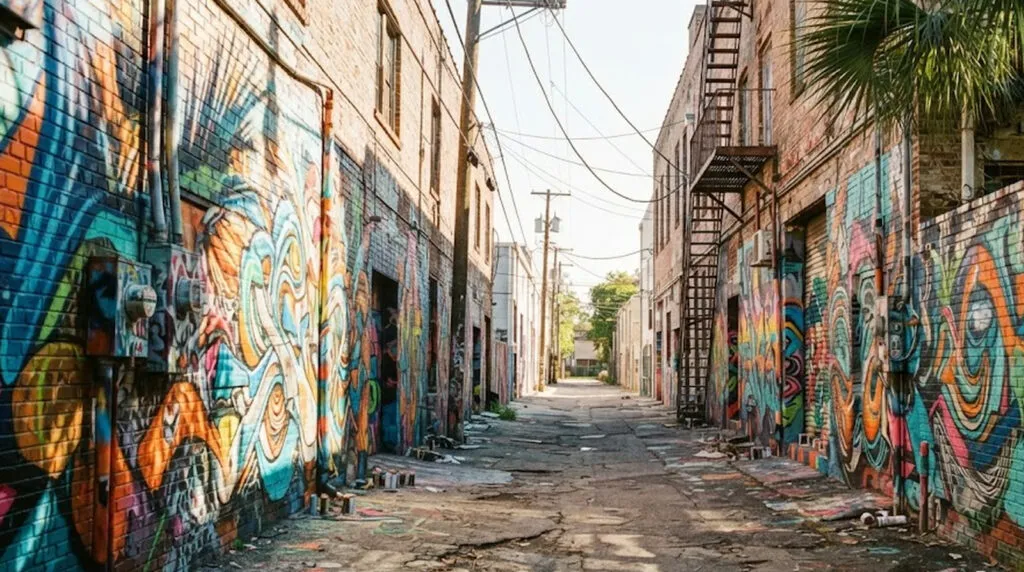
Empty warehouses, low rents and one real estate developer. A model we know without flying to Florida.
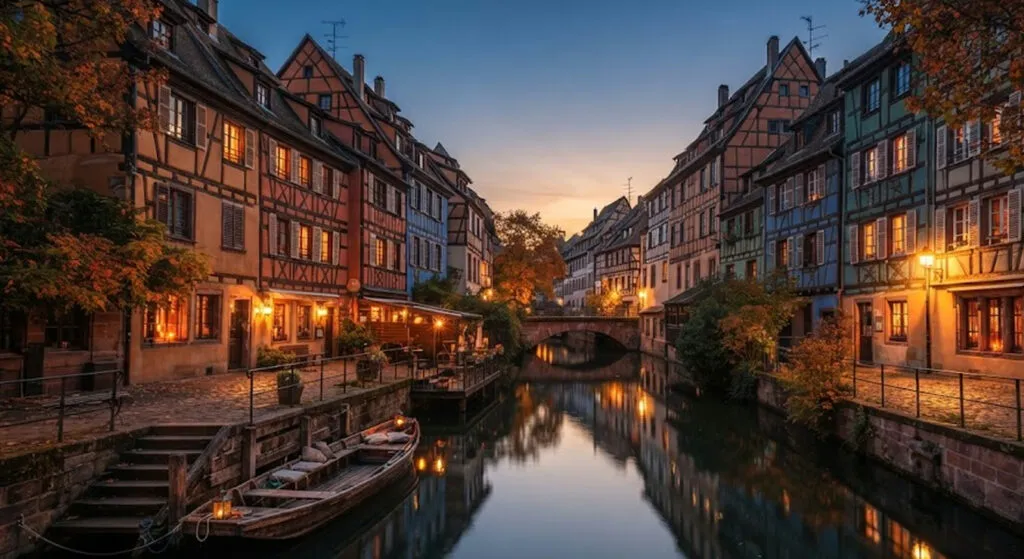
Old tanners' and dyers' workshops, built directly over the river. From 10 to 13 September the town puts boats and...
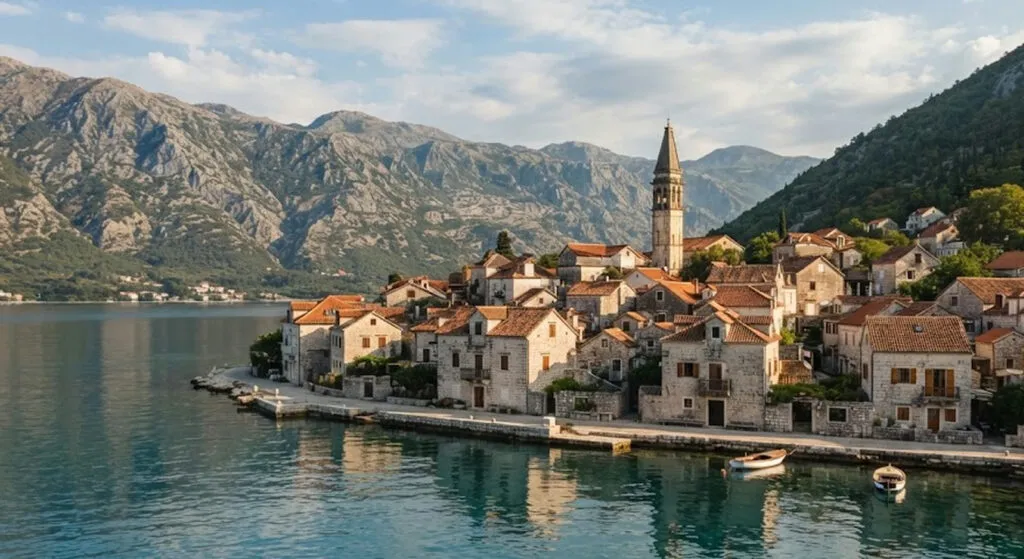
The Albanian Riviera, Montenegro, Sardinia, Lyon and the Algarve. The same weather as August, fewer people, and a bill that...
This site uses cookies - is that okay? Learn more
Be the first to know when Metla launches something new
Leave your email and we will write when there is a new guide or something new on Metla.