

They Rode In on Scooters, Torched the Shops and Left: The Fire in Shuto Orizari Burned for Three Hours, Setting It Took Fifty Seconds
13.09.2026


13.09.2026

13.09.2026

13.09.2026

13.09.2026

13.09.2026

13.09.2026

13.09.2026

12.09.2026

11.09.2026

13.09.2026

13.09.2026

12.09.2026

13.09.2026

13.09.2026

13.09.2026

13.09.2026

12.09.2026

11.09.2026

13.09.2026

13.09.2026

13.09.2026

13.09.2026

13.09.2026

12.09.2026

09.03.2026

27.02.2026

19.02.2026

13.09.2026

12.09.2026

11.09.2026

23.04.2026

23.04.2026

12.04.2026

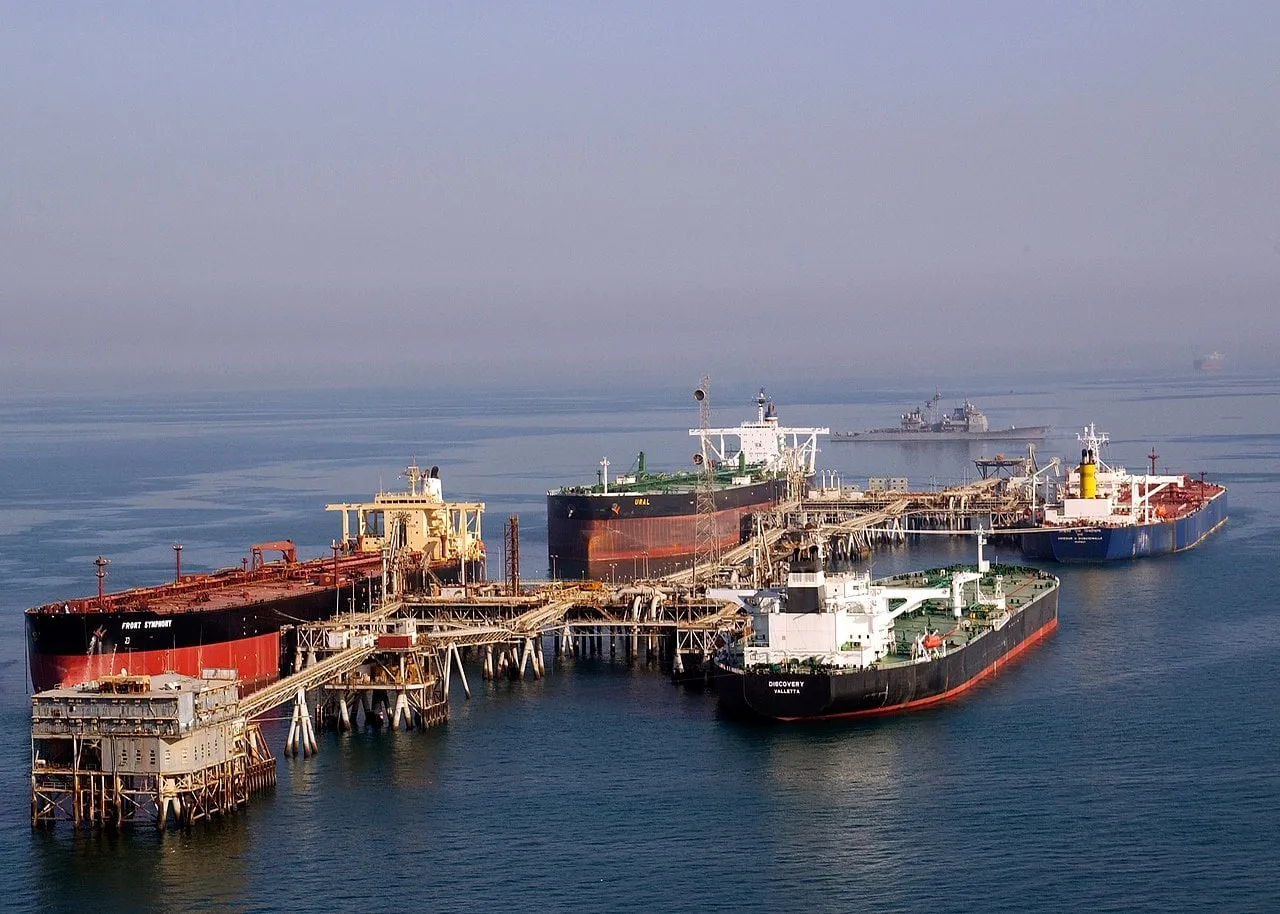
Geopolitics is once again dictating energy prices - and it's felt from the Persian Gulf to the pump on the corner. The price of „Brent” crude climbed on Wednesday to around 94 dollars a barrel, the highest level in the past five weeks, as investors weigh the risks of a new escalation between the US and Iran and possible supply disruptions from the Middle East.
The numbers are clear. „Brent” traded at around 94.66 dollars a barrel, up almost four percent, while American WTI crude reached about 87.79 dollars. Behind the rise are heightened tensions in the Middle East, limited OPEC+ production and the fear that the conflict could disrupt transport routes and global energy flows.
The background is frighteningly concrete. After the military strikes between Washington and Tehran, the Ansar Allah movement announced a blockade of the Saudi ports on the Red Sea - the same ports to which Saudi Arabia had redirected shipments to bypass the blocked Strait of Hormuz. Every new strike or restriction could push the price up again.
But for now the market isn't expecting a full, prolonged disruption. Analysts estimate that geopolitical events can cause short-term spikes, but without a serious disruption of production, „Brent” will likely stay in the 90-to-100-dollar zone. In other words, the market is paying a higher „risk premium,” but isn't yet betting on a lasting 110 dollars.
And here comes the part that concerns us directly, but without empty phrases. Expensive oil hits import-dependent countries hardest - India, which imports over 85 percent of the oil it needs, faces bigger bills, renewed inflationary pressure and a deepening deficit. For an economy that imports all its fuel, every dollar over 90 isn't an abstract stock-market number. The markets are watching three things: the Middle East, OPEC+ and global demand. And the question left hanging over the region is familiar from before - when the big powers fight over oil, who ends up paying the difference?
The latest 10 news from this category
The deficit target raised from 3.5 to 4.1 percent of GDP, spending growing faster than revenue, and the growth forecast...

On euro loans with a variable rate, the rise comes due at the next reset. On fixed ones, it does...

The agreed price for first class is 40 denars. At the collection points they pay 15 to 18. Across the...

A Skopje company owes 14.87 million euros and there is nothing to recover it from. In one month the total...

223,711 tourists and 795,083 overnight stays in July. Turkey still leads with 50,955 guests, but its number fell by 7.6...

When the two biggest firms in an industry ask for rules on how fast anyone may run, the rules rarely...

Not a single password fell. What fell was the assumption that a request from a government domain is automatically a...

The board voted, the founder kicked the administrators out of Slack and held out for three days. What does a...
An announcement is not an adopted tariff. A lower bill is good news only if its cost has not been...

The Balkans have a long tradition of producing something valuable and selling it under someone else's name. The difference between...
This site uses cookies - is that okay? Learn more
Be the first to know when Metla launches something new
Leave your email and we will write when there is a new guide or something new on Metla.
