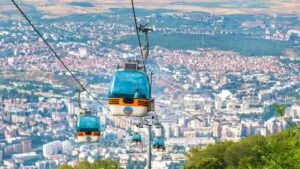
Three of Four Sensors Were Dead: Skopje's Vodno Cable Car Ran Fifteen Years Without a Real Service
17.09.2026


17.09.2026

17.09.2026

17.09.2026

17.09.2026

17.09.2026

17.09.2026
17.09.2026
16.09.2026
15.09.2026

17.09.2026

17.09.2026

16.09.2026
17.09.2026

17.09.2026

17.09.2026
17.09.2026
16.09.2026
15.09.2026

17.09.2026

17.09.2026

17.09.2026

17.09.2026

17.09.2026

17.09.2026

09.03.2026

27.02.2026

19.02.2026

23.04.2026

23.04.2026

12.04.2026

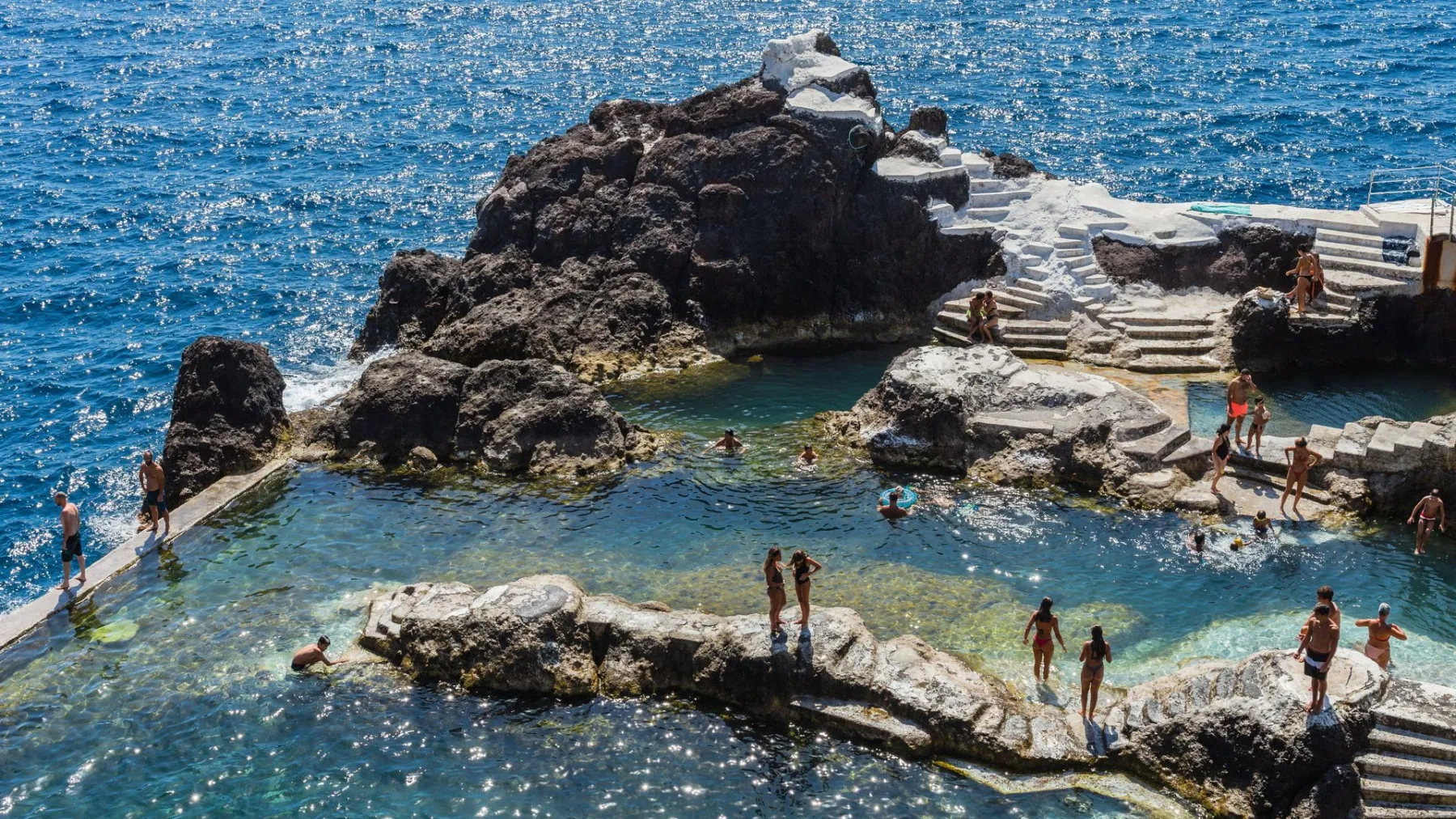
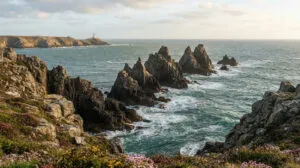
The sea, but without the waves that batter you. Salt, but without the fear a current will drag you off. Portugal has a whole collection of natural pools - hollows carved out of lava, sheltered among the rocks, open to the Atlantic - where the ocean enters gently and stays tame.
The best known are those in Porto Moniz, on the north-eastern part of Madeira. Pools of volcanic lava, in which the water is constantly renewed by the tide. There are free sections and sections with an entrance fee, depending on the comfort you're after. Just ten minutes from the island's main town is Doca do Cavacas - formed by volcanic eruptions, with an access tunnel, cabins, lifeguards and a restaurant. Those who want the wild picture head to Seixal, ringed by cliffs and waterfalls.
The mainland hides its gems too. Azenhas do Mar is fifteen minutes from Sintra and forty-five from Lisbon - a pool by the ocean, at the foot of whitewashed houses clinging to the cliff, with steps leading up to a lookout. And near Porto, in Leça da Palmeira, sits Piscina das Marés - a pool designed by Pritzker winner Álvaro Siza, declared a national monument. Swimming among rocks and architecture at once.
The Azores are a story of their own. In Vila Franca do Campo the pool sits inside the extinct crater of an islet off the coast of São Miguel - you can only reach it by boat, and beneath the surface a world ideal for diving awaits. At Caloura, meanwhile, a sheltered cove beside a fishing harbour offers clear water amid a dramatic landscape.
And in the south, in the Algarve, near Benagil, is Algar Seco - rock formations sculpted by wind and water, with wooden walkways and water so blue it looks like a filter, except it isn't. Nine places, one conclusion: you don't have to hunt for the perfect beach when nature has already built you a pool. The only question is - why do so few people know about this, while so many spend their summers crammed onto the same three beaches?
The latest 10 news from this category

Of twenty-five new inscriptions, five are natural - and only one is in Europe. For the richest of them, the...
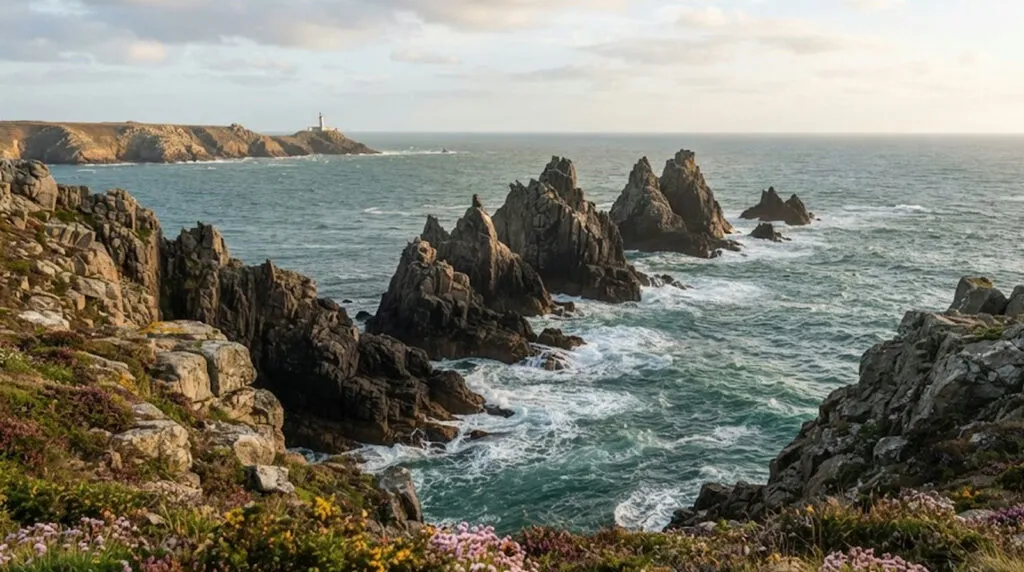
Fifty beaches, more than 120 villages and a trail France voted its favourite. Monet came for a few days and...
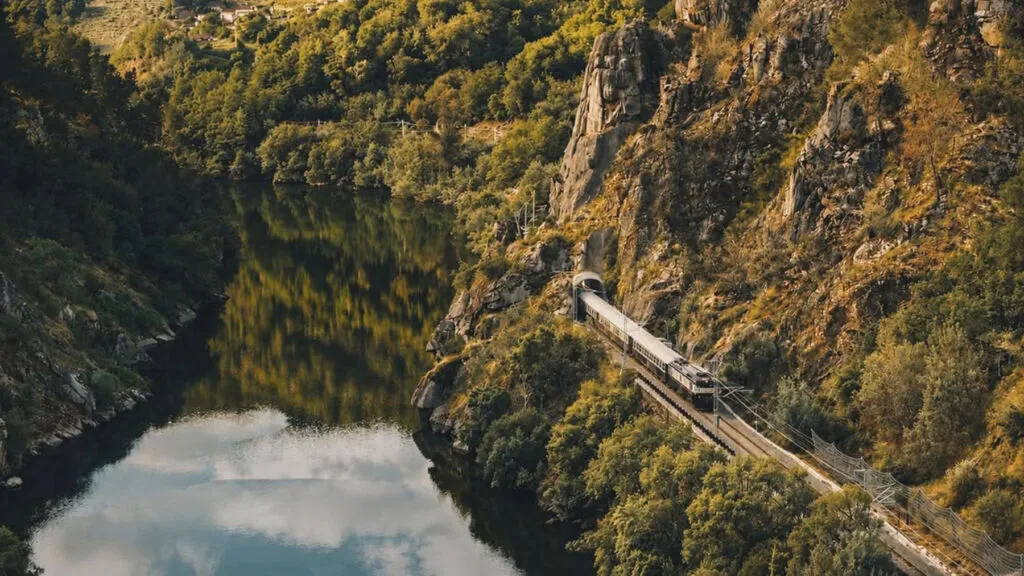
Restored carriages, a locomotive they call the Japanese Woman and a 28.95 euro return ticket. What it sells is not...
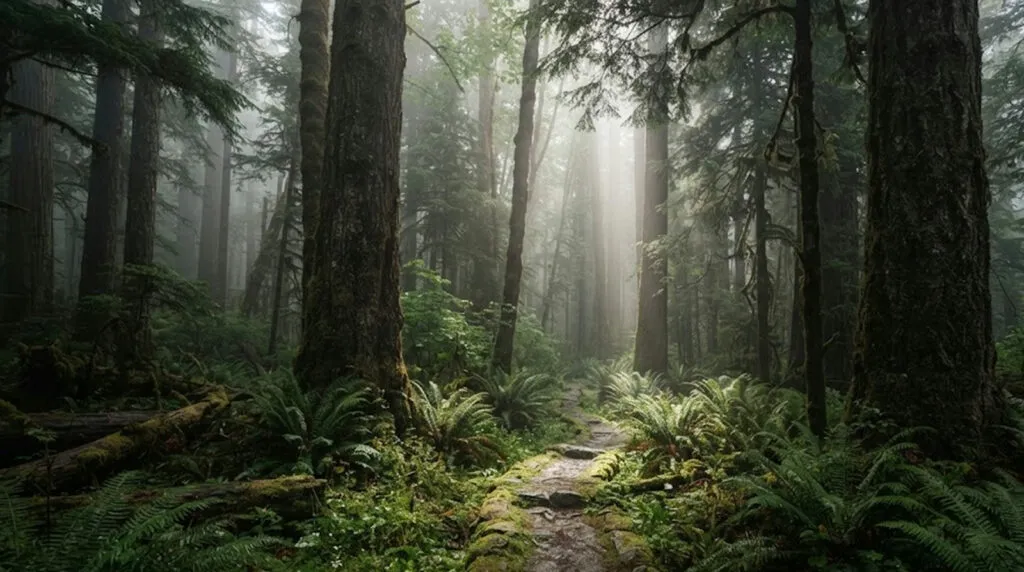
Two hundred and fifty tree species from every corner of the world, a monastery from 1628 and a palace that...
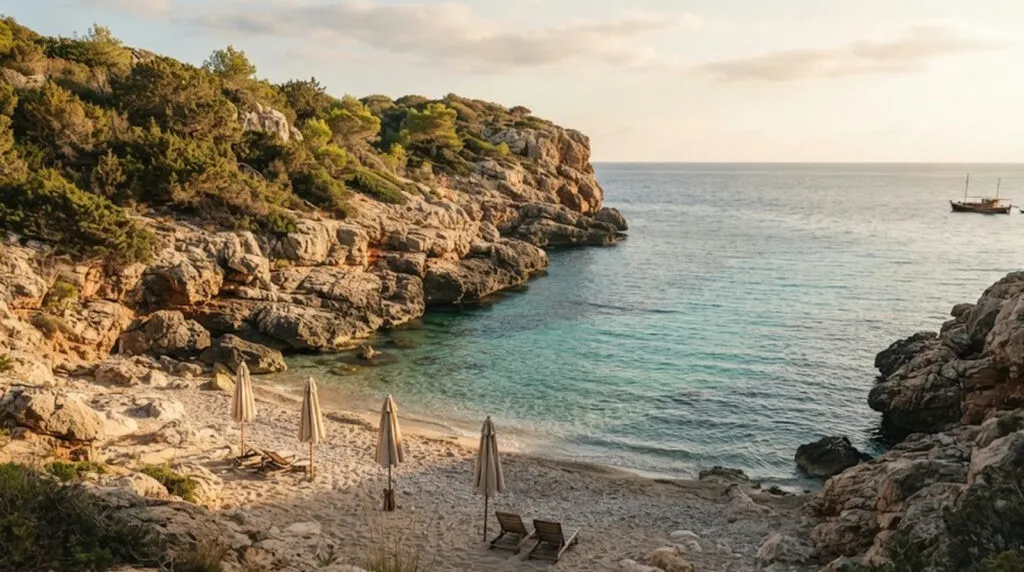
The same places cost more in August, look crowded and are experienced at half strength. The difference is made by...
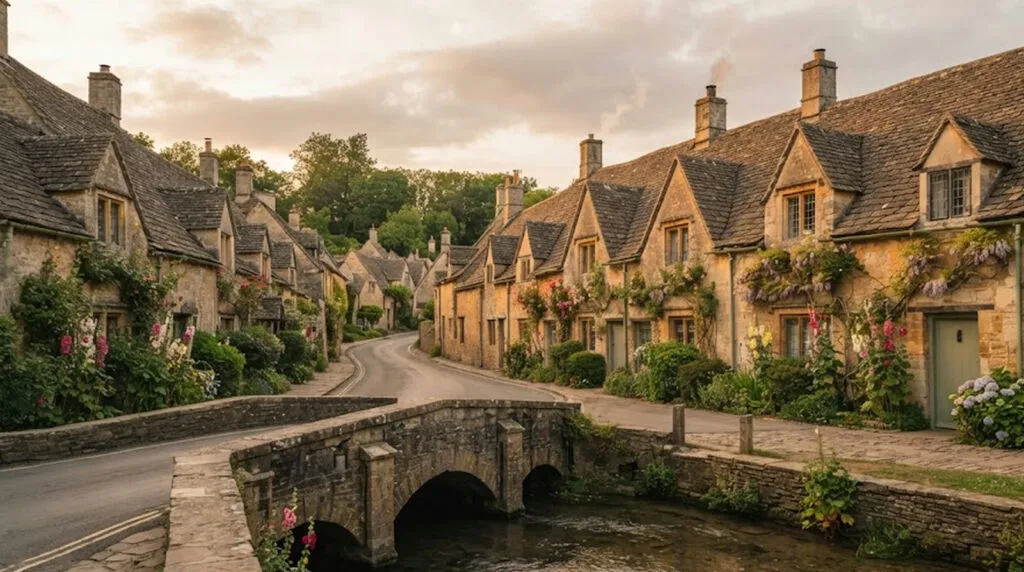
The Beckhams have a place there, so do Kate Moss and Ellen DeGeneres. But the Cotswolds needs none of those...

Down on the coast the buses pass each other with centimetres to spare and all you see is people. Up...
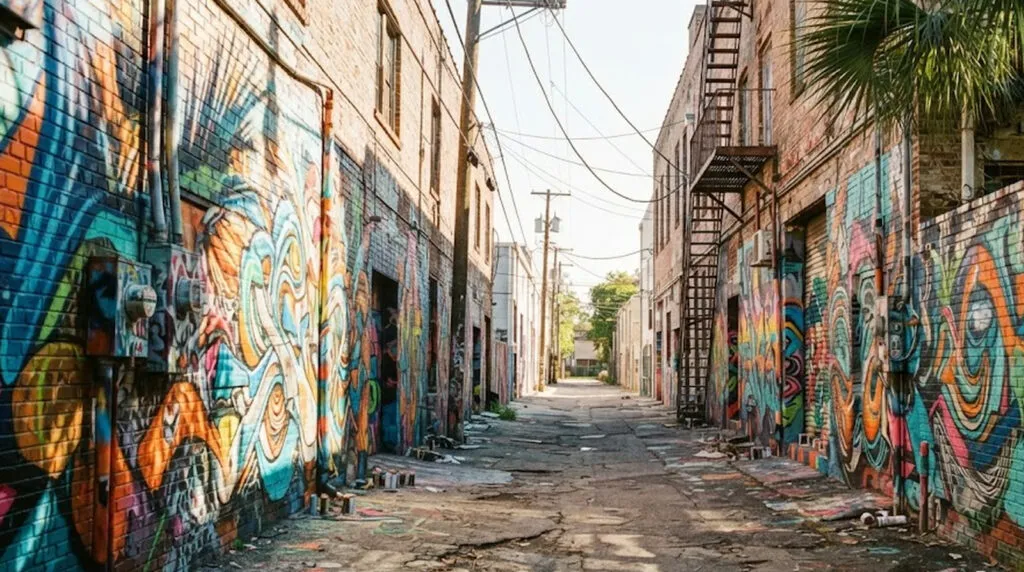
Empty warehouses, low rents and one real estate developer. A model we know without flying to Florida.
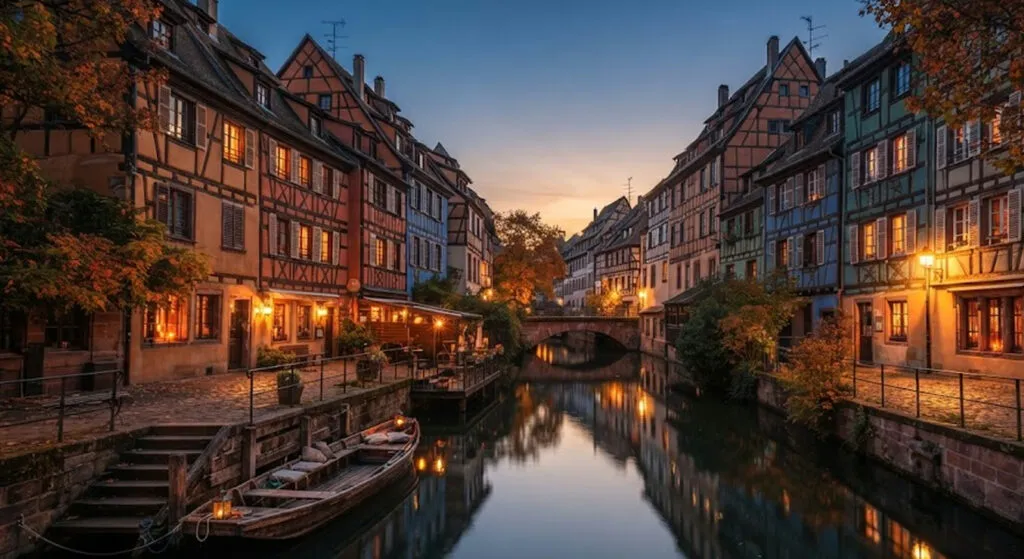
Old tanners' and dyers' workshops, built directly over the river. From 10 to 13 September the town puts boats and...
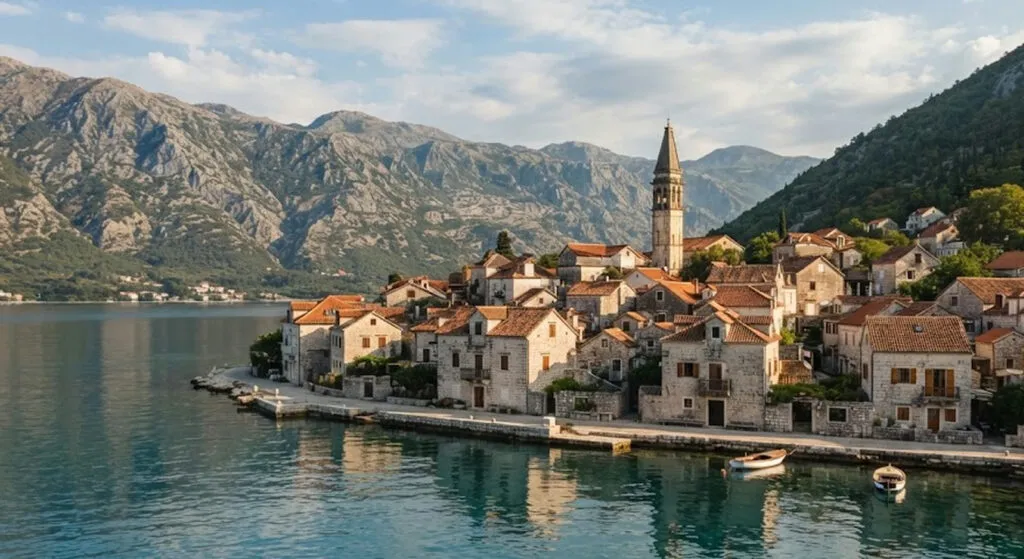
The Albanian Riviera, Montenegro, Sardinia, Lyon and the Algarve. The same weather as August, fewer people, and a bill that...
This site uses cookies - is that okay? Learn more
Be the first to know when Metla launches something new
Leave your email and we will write when there is a new guide or something new on Metla.