Франција сака да го извади рускиот олигарх од санкции заради затвореници во Азербејџан, а Хрватска го поддржа барањето
16.09.2026


16.09.2026

16.09.2026

16.09.2026
16.09.2026

16.09.2026

16.09.2026

15.09.2026

14.09.2026
13.09.2026

15.09.2026

15.09.2026
14.09.2026
15.09.2026
15.09.2026

15.09.2026
15.09.2026

14.09.2026
13.09.2026

16.09.2026

16.09.2026

16.09.2026

09.03.2026

27.02.2026

19.02.2026

15.09.2026
14.09.2026
14.09.2026

23.04.2026

23.04.2026

12.04.2026

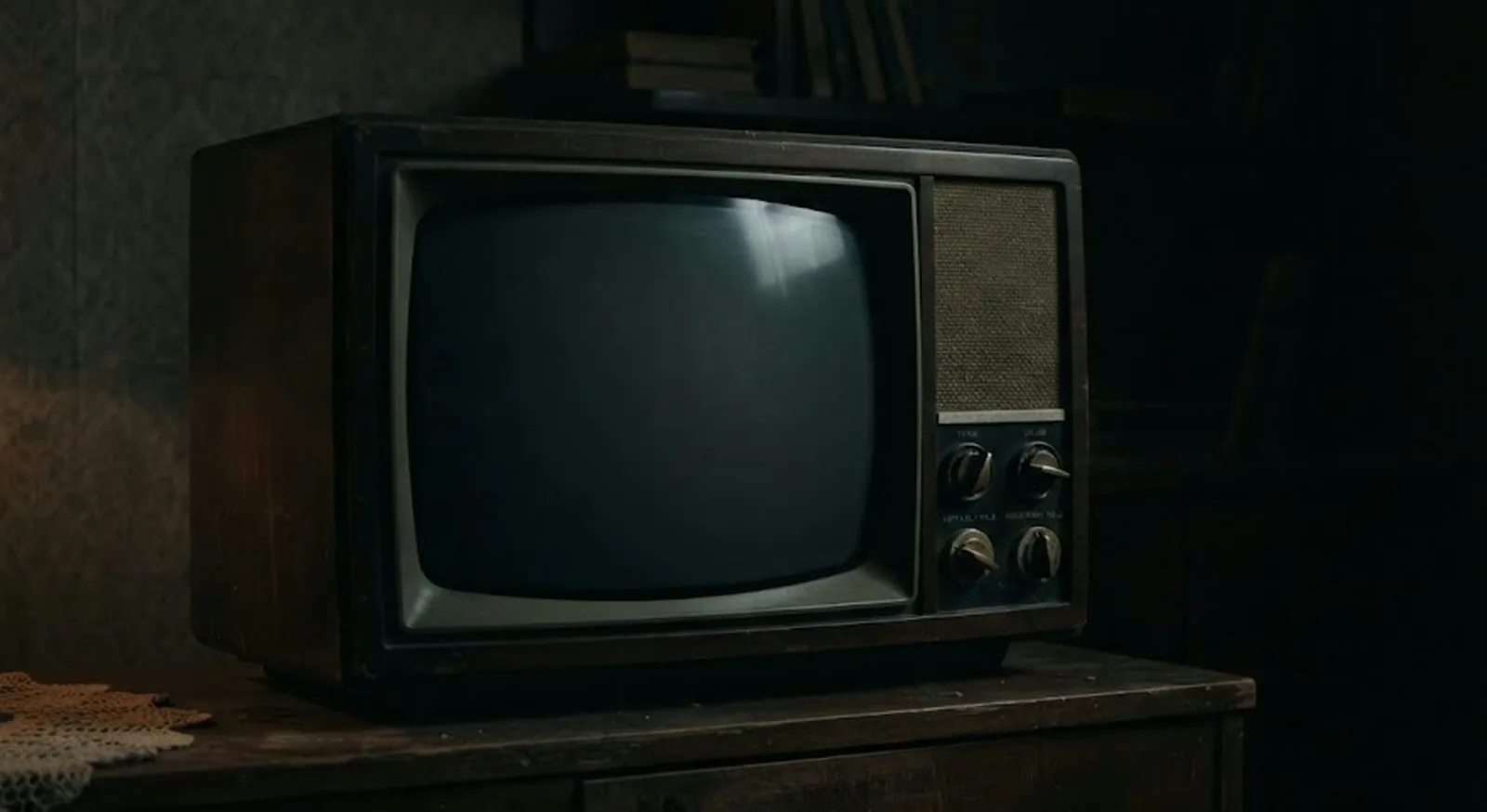
Sometimes the most powerful message is a black screen. On July 7, at 4 p.m., Hungary's public television M1 went dark, and a white sentence appeared on the screen: "Public media must not lie. We apologise for doing so for years. Public media will now be reorganised to be independent and credible." At the same time, all news and political programmes on Hungarian public television and radio were cut off.
To grasp the weight of this moment, you have to know what came before it. For more than a decade, the government of Viktor Orban turned public media into a propaganda machine - systematically spreading debunked narratives about migrants, about George Soros, about the EU, about Ukraine, some in a tone that recalled the propaganda of the 1930s. These were not media that occasionally err; this was a tool of power, paid for with citizens' money.
The turn came after the election. Following Orban's electoral defeat on April 12, the new prime minister Peter Magyar and his Tisza party put media reform at the heart of the campaign - and are now carrying it out. The director and most of the programming staff have been replaced, and that evening the television returned to air with a Hungarian film from 1979, a political satire about Stalinism. The symbolism could hardly be clearer.
"A historic day. Today the propaganda broadcasting in the public media ends. They lied day and night, on all frequencies. That is over now," Magyar wrote. It sounds fine - but it is worth holding on to a little scepticism here. Every new government that takes over the media promises independence; the question is whether the new people will genuinely build a free public service, or just turn the same apparatus to their own advantage. For a region that knows both versions up close, the Hungarian black screen is both a hope and a reminder: a medium that once served power can easily serve it again, only a different power.
The latest 10 news from this category
Санкции воведени поради една војна се нудат како монета за сосема друг спор. Мнозинството членки се против - но за...
Ел Нињо во Пацификот ги поместува струењата што одлучуваат каде ќе падне снегот. Подрачје кое обично добива еден метар годишно,...
Најлесниот начин да се отфрли неудобен аргумент е да се покаже кој го кажува. Но од тоа сметката за струја...
Trump scaled back the military exercises to ease the tension, and Wonsan answered in the form of projectiles. What does...
The sanctions list got a seven-day extension instead of one measured in months, a move diplomats themselves call unprecedented. Two...
Switzerland offered a table for talks on Ukraine, Moscow replied that the table stopped being neutral once Bern adopted EU...
The will says one thing, a committee of twenty-one men decided another. The queen mother says the army pulled the...
A country that was Europe's byword for stability for decades now has a parliament split into two blocs by a...
Sixteen years in power, defeat at a regular election, five months of quiet - and now the election result is...

When an institution with a legal department and a palace apparatus has to publish a list of its verified accounts,...
This site uses cookies - is that okay? Learn more
Be the first to know when Metla launches something new
Leave your email and we will write when there is a new guide or something new on Metla.