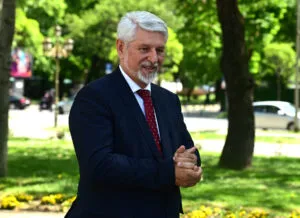
Нова кривична пријава за Јакимовски: одобрение за градба на план укинат уште во 2018 година
16.09.2026


16.09.2026
16.09.2026

16.09.2026
16.09.2026
16.09.2026
16.09.2026
16.09.2026
15.09.2026

14.09.2026
16.09.2026
16.09.2026

15.09.2026

16.09.2026

15.09.2026

14.09.2026

16.09.2026
16.09.2026

16.09.2026

09.03.2026

27.02.2026

19.02.2026

15.09.2026

14.09.2026
14.09.2026

23.04.2026

23.04.2026

12.04.2026

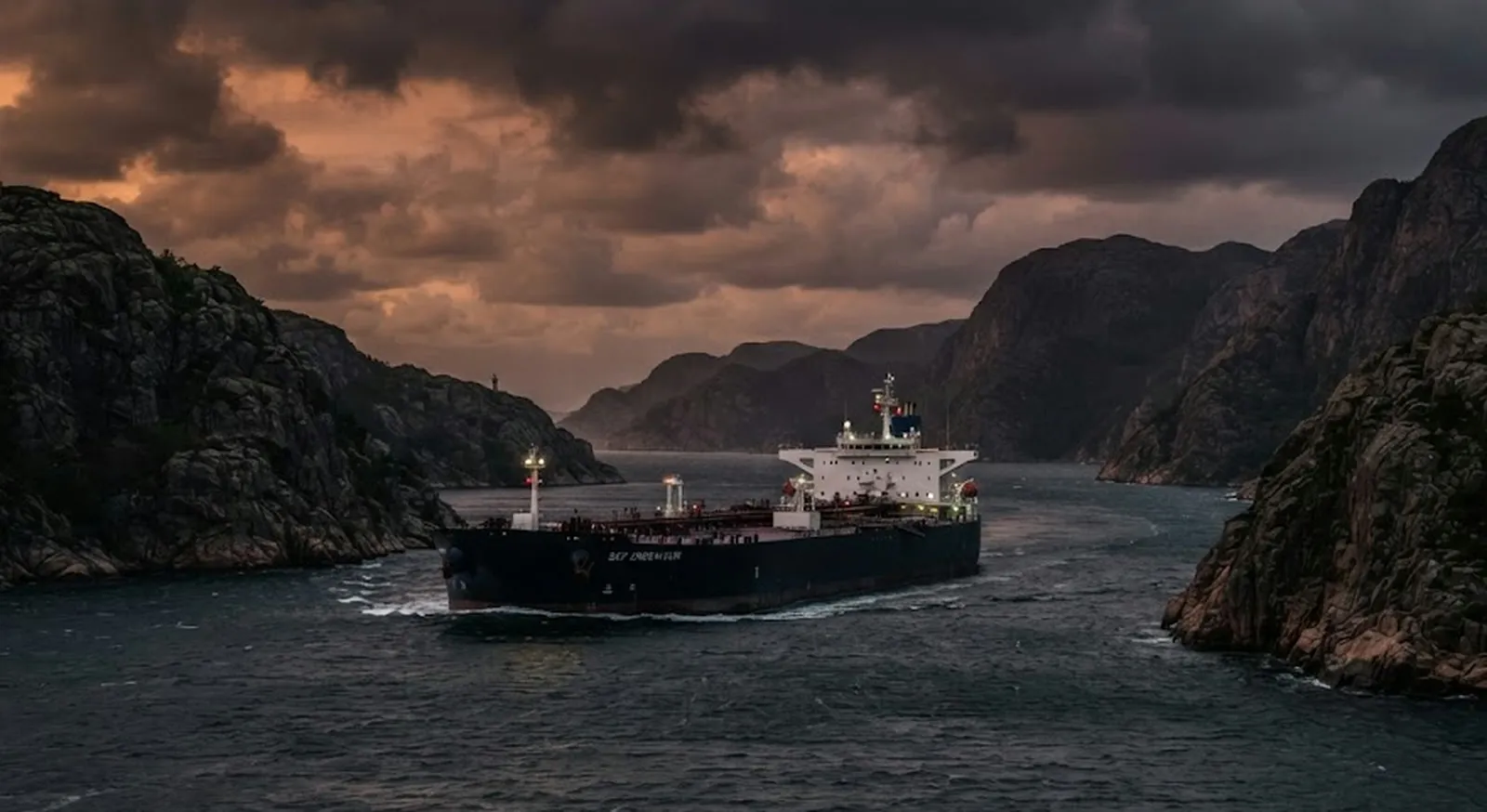
The ceasefire between the US and Iran lasted exactly as long as it suited both sides. After overnight American strikes on Iranian targets, Tehran retaliated in the morning with attacks on US military targets in the region, and Donald Trump declared the deal no longer existed. All of it - while he sat in a meeting with the NATO Secretary General in Ankara. The synchronization of the military escalation with the diplomatic summit is hardly a coincidence.
The trigger was an attack on several tankers in the Strait of Hormuz, the narrowest chokepoint of the world's oil trade. Among those hit was a Qatari liquefied gas tanker with six Croatian sailors on board. One of the survivors was blunt: "I survived by a miracle, we're all alive." Balkan people, as always, found themselves in the middle of someone else's war at jobs they took to feed their families.
Trump's rhetoric was brutal and stripped of any diplomatic veil: "They are evil and sick people. They are a cancer. And you know what you do with cancer? You remove it as soon as possible." He claimed the American strikes were "20 times stronger" than the Iranian response. Iran's Revolutionary Guard, for its part, announced it had struck 85 US military targets in Bahrain and Kuwait in response to "the violation of the ceasefire." Air-raid sirens sounded in both countries several times.
The effect was felt immediately where it hurts most - in the market. At least four oil and gas tankers gave up on passing through the strait and turned back, and Washington revoked the key waiver that allowed Iran to sell oil on the international market. The result: the price of oil jumped by over three percent. And when oil rises in Hormuz, it rises at the pumps in Skopje too - geopolitics doesn't need a visa to reach our pockets.
Still, analysts advise caution before drawing dramatic conclusions. Although this is the most serious exchange of fire since the deal was signed, the escalation itself doesn't automatically mean the ceasefire must collapse - because neither Washington nor Tehran has an interest in returning to open conflict. The question is how long interest will stay stronger than pride. In the Balkans, we know that calculation all too well.
The latest 10 news from this category

Санкции воведени поради една војна се нудат како монета за сосема друг спор. Мнозинството членки се против - но за...
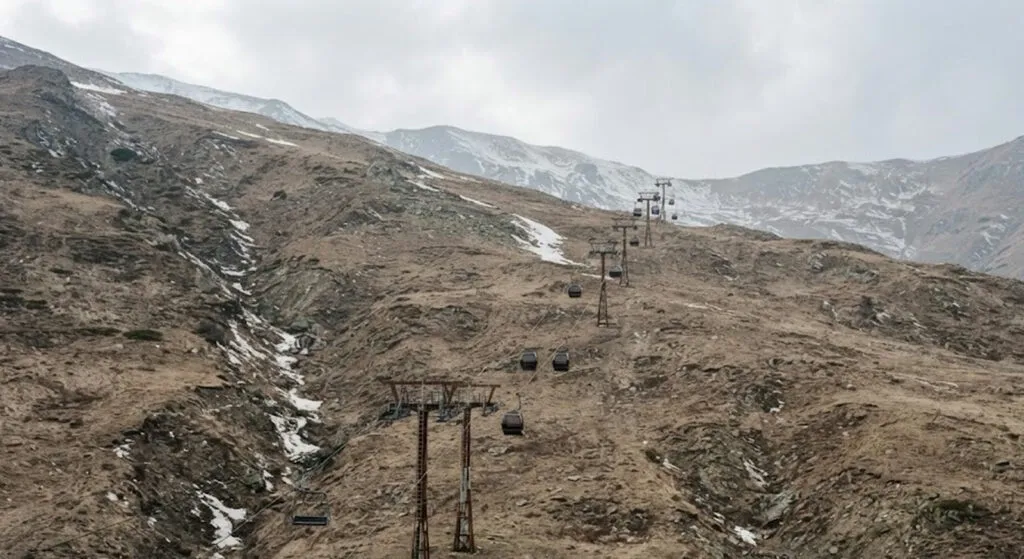
Ел Нињо во Пацификот ги поместува струењата што одлучуваат каде ќе падне снегот. Подрачје кое обично добива еден метар годишно,...
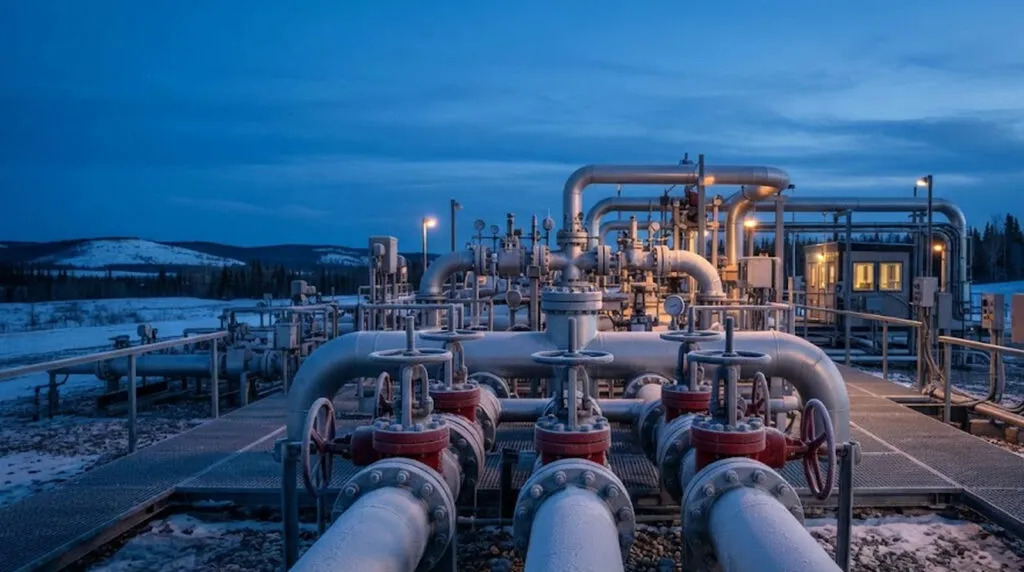
Најлесниот начин да се отфрли неудобен аргумент е да се покаже кој го кажува. Но од тоа сметката за струја...
Апелациониот суд одлучи целото судење да се повтори од почеток. Синот на норвешката кралица го чека тоа во имањето каде...
Trump scaled back the military exercises to ease the tension, and Wonsan answered in the form of projectiles. What does...
The sanctions list got a seven-day extension instead of one measured in months, a move diplomats themselves call unprecedented. Two...
Switzerland offered a table for talks on Ukraine, Moscow replied that the table stopped being neutral once Bern adopted EU...
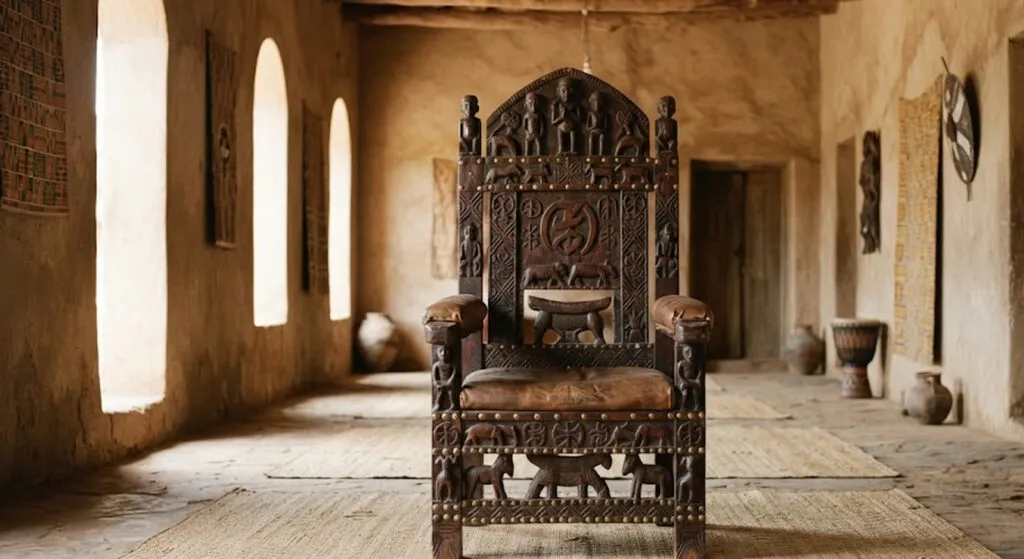
The will says one thing, a committee of twenty-one men decided another. The queen mother says the army pulled the...
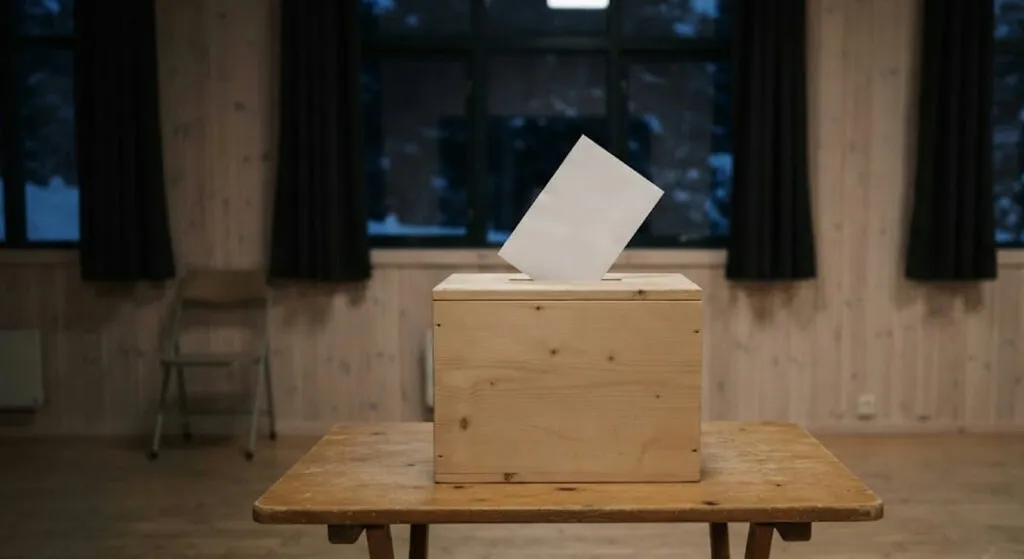
A country that was Europe's byword for stability for decades now has a parliament split into two blocs by a...
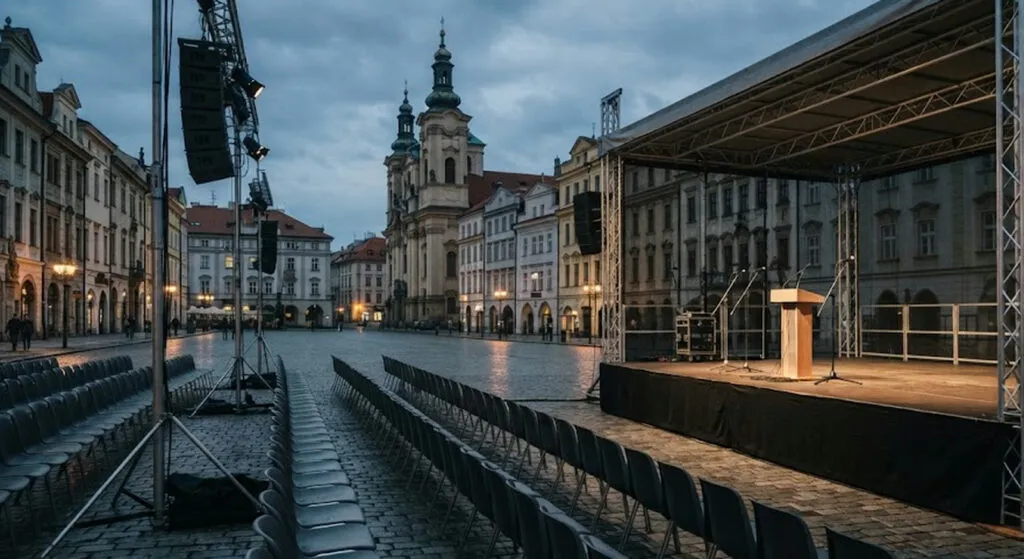
Sixteen years in power, defeat at a regular election, five months of quiet - and now the election result is...
This site uses cookies - is that okay? Learn more
Be the first to know when Metla launches something new
Leave your email and we will write when there is a new guide or something new on Metla.