
A Fire Truck Burned Down Near Struga: Two Firefighters in Hospital, and the Season Has Barely Started
08.08.2026


08.08.2026

08.08.2026

08.08.2026

08.08.2026

08.08.2026

08.08.2026

08.08.2026

07.08.2026

06.08.2026

08.08.2026

08.08.2026

07.08.2026

08.08.2026
08.08.2026

08.08.2026

08.08.2026

07.08.2026

06.08.2026

08.08.2026

08.08.2026

08.08.2026

08.08.2026

08.08.2026

07.08.2026

09.03.2026

27.02.2026

19.02.2026
08.08.2026
07.08.2026

06.08.2026

23.04.2026

23.04.2026

12.04.2026
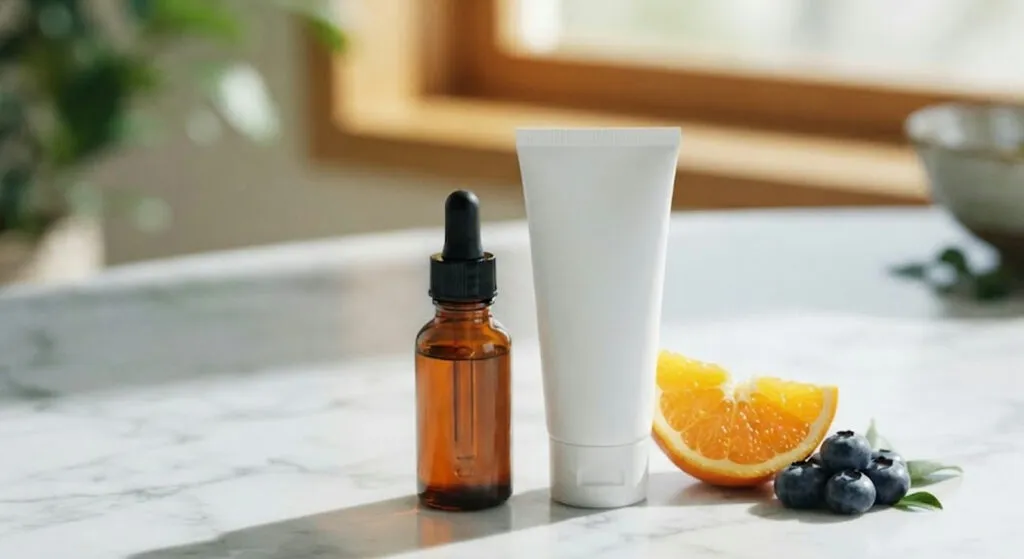
Every summer the same story: you struggle with sunscreen, you hide from the sun, and in September you find another dark spot that was not there in June. Pharmacist Hector Nunez says one step is missing that almost nobody takes - and it is not another SPF.
„If anything should be mandatory in summer, alongside photoprotection, it is the use of antioxidants,” he says. Not instead of the sunscreen. Together with it.
Why the cream on its own is not enough
The logic is simpler than it sounds. Ultraviolet radiation creates free radicals in the skin, and those are what damage it and contribute to spots appearing. Sunscreen blocks part of the radiation. What gets through - and something always gets through - creates radicals the cream has no way of neutralising.
That is exactly where antioxidants come in. Nunez explains that applied to the skin they reach higher concentrations than when taken orally, and they work in two ways: they neutralise free radicals and provide additional photoprotection. He calls them „the first line of defence against the appearance of spots”.
Dermatologist Iratxe Diaz goes a step further and gives the whole protocol: „The most effective approach is the trio of photoprotection plus antioxidants plus cellular repair.” The first blocks, the second neutralises, the third restores cell function.
What the industry does not advertise
The other half of the advice will not be found on any packaging, because packaging never says „do not buy anything”.
Pharmacist Marta Ortega says that „skin health does not depend only on what you apply. Diet directly affects the health and ageing of the skin.” The list she recommends is free and sits in every market: intensely coloured fruit - citrus, blueberries, leafy vegetables, tomatoes, carrots for the carotenoids, olive oil, walnuts and almonds for vitamin E, pure cocoa and green tea for the polyphenols.
Notice what is missing from that list: anything costing forty euros.
When the spot is already there
Dermatologist Diaz distinguishes between two types. Lentigines are small spots directly linked to sun exposure and respond well to cryotherapy and laser. Melasma is linked to hormones and is treated with depigmenting preparations, with laser reserved for cases that do not budge.
The difference matters because if you treat melasma as if it were a lentigo, you can make it worse. That is why the „laser for spots” advice from the internet is useless without knowing what you are dealing with.
What is realistically doable
If one thing is to be taken from all this, it is that the antioxidant goes on in the morning, under the sunscreen, not instead of it. That is one extra step in a routine most people already have.
The rest - the intensely coloured fruit, the walnuts, the olive oil, the green tea - is already on our table, just not as a decision. And clinic treatments and forty-euro serums are always the last option, not the first, however much the advertising suggests otherwise.
The latest 10 news from this category
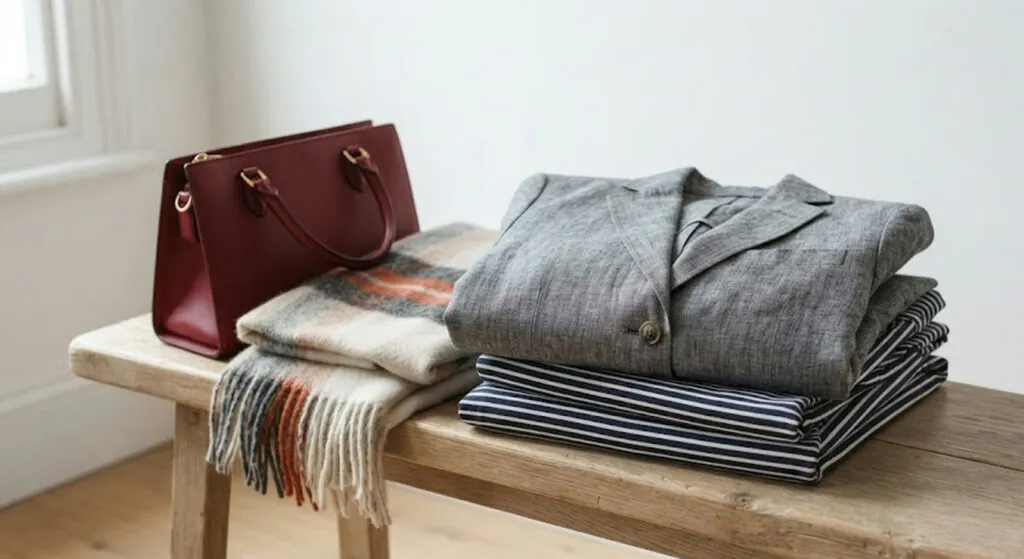
Grey takes over the role of the neutral, and fringing is back via scarves tied around the waist. The question...

What changes the picture most is not the number of flowers, but the length of the stems. One bride put...
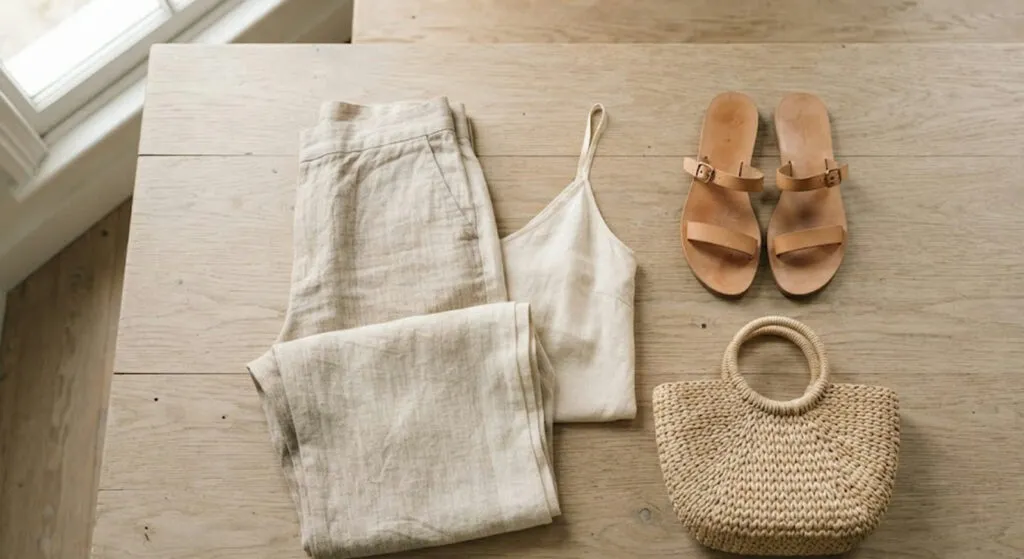
The creasing isn't a defect in the product, it's its signature. The industry sells the difference between seven looks and...
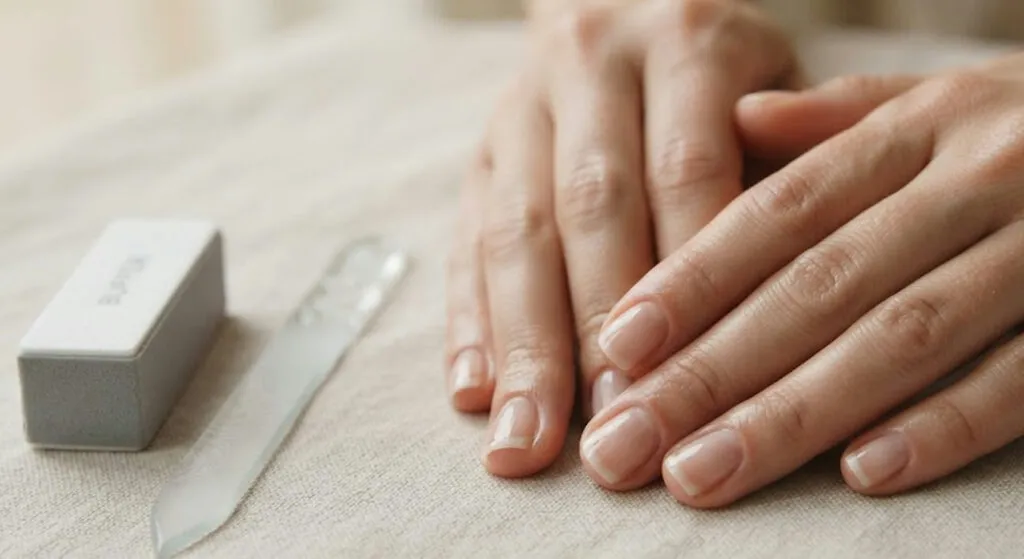
Nothing is glued on and nothing is built up. For the price of one gel application you buy a bottle...
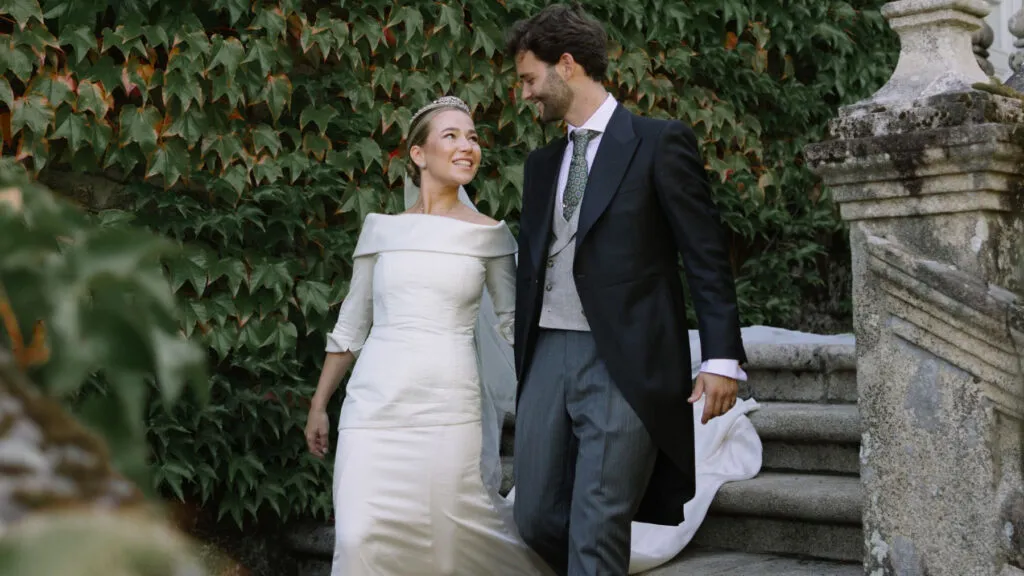
Ivory wild silk, a tiara made in three weeks and seven years of letters read out loud instead of a...
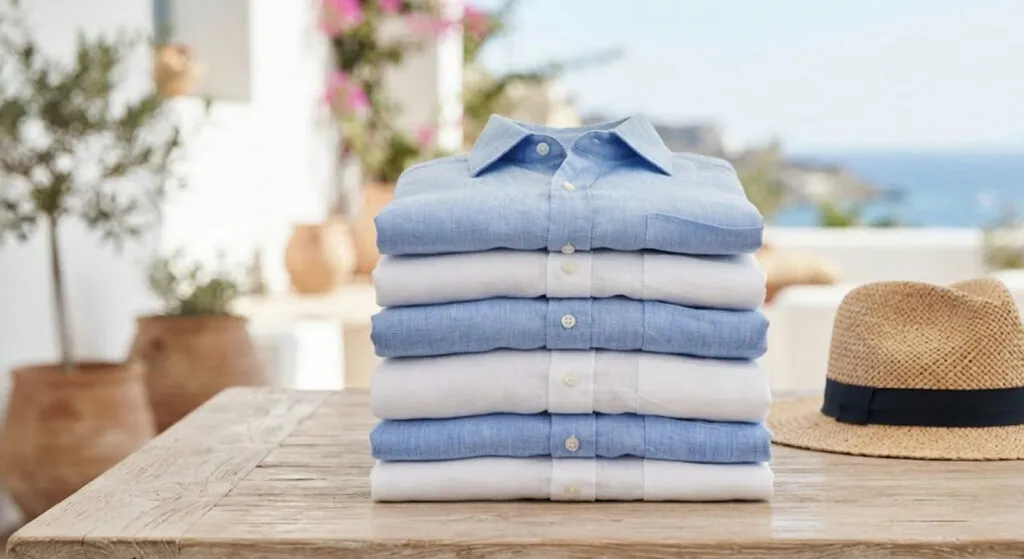
Four pockets, two pleats and no belt. The guayabera was cut for working in the heat, and now retailers say...
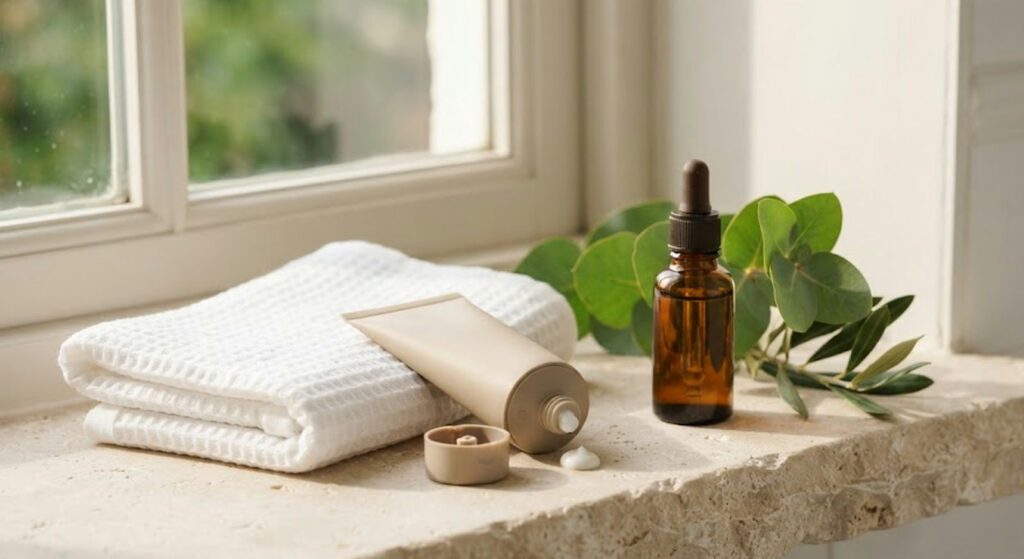
None of these five steps requires new cosmetics or any money spent. They only require you to stop assuming your...

The dress is kept, the jewellery is inherited. The cake exists to disappear - and that is exactly why a...
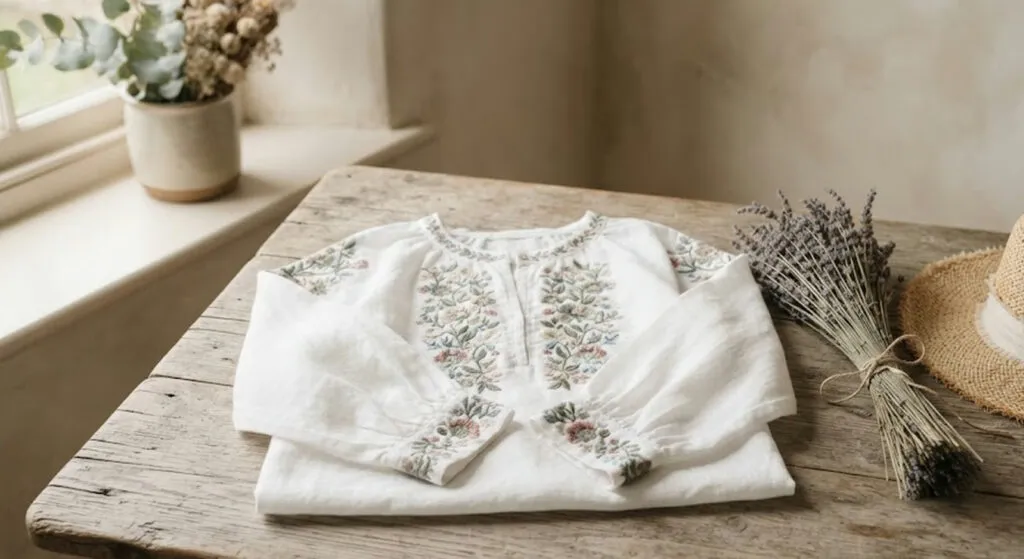
Romantic boho is filling wardrobes this season. What the trend is actually selling is not the blouse, but the afternoon...
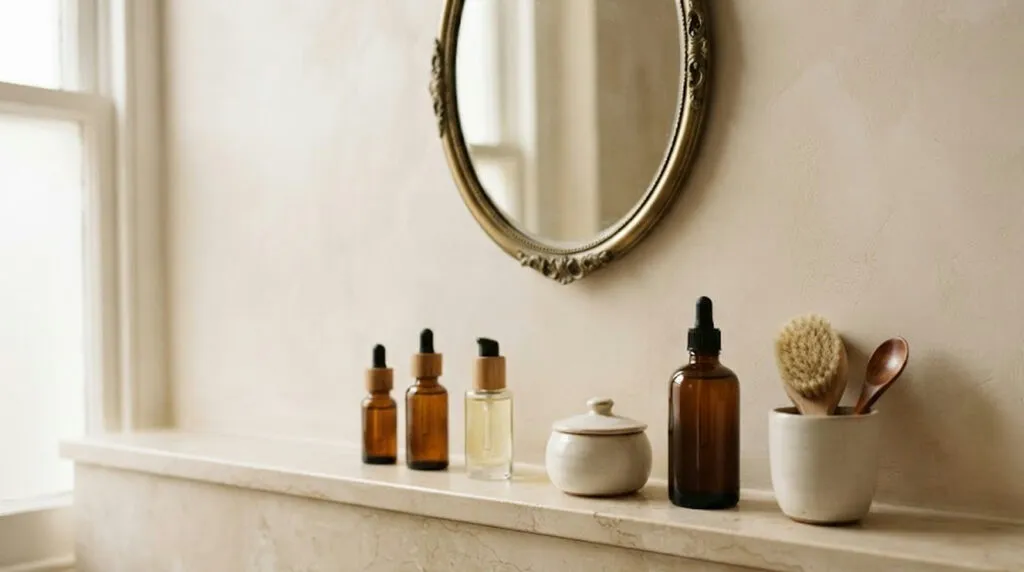
Cosmetologists break the features down one by one - nose, cheekbones, lips, jawline. But out of the whole list of...
This site uses cookies - is that okay? Learn more
Be the first to know when Metla launches something new
Leave your email and we will write when there is a new guide or something new on Metla.