
A Fire Truck Burned Down Near Struga: Two Firefighters in Hospital, and the Season Has Barely Started
08.08.2026


08.08.2026

08.08.2026

08.08.2026

08.08.2026

08.08.2026

08.08.2026

08.08.2026

07.08.2026

06.08.2026

08.08.2026

08.08.2026

07.08.2026
08.08.2026

08.08.2026
08.08.2026
08.08.2026

07.08.2026

06.08.2026

08.08.2026
08.08.2026

08.08.2026
08.08.2026

08.08.2026

07.08.2026

09.03.2026

27.02.2026

19.02.2026
08.08.2026

07.08.2026

06.08.2026

23.04.2026

23.04.2026

12.04.2026
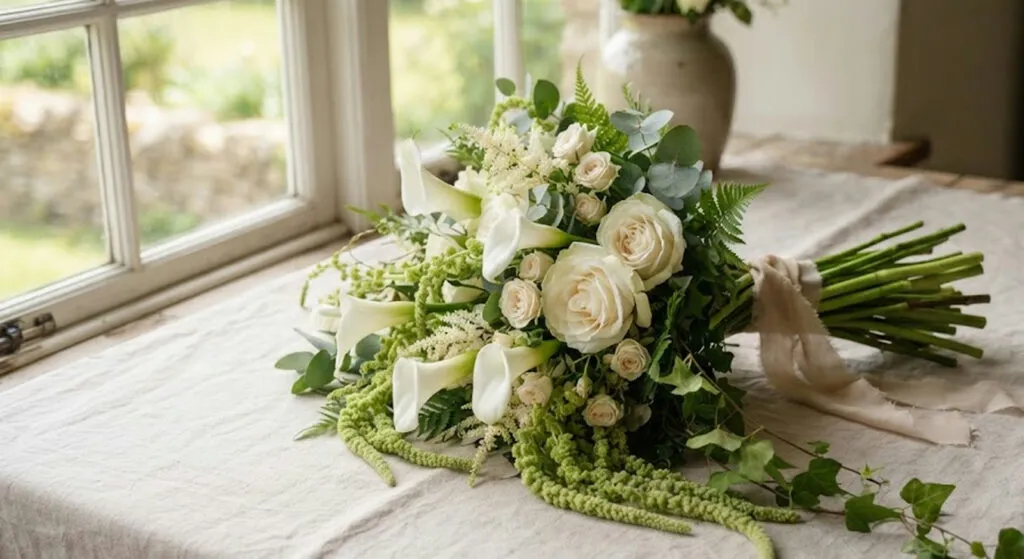
The man who made the bouquets for the weddings of Kate Middleton and Camilla Parker Bowles holds a view that runs against everything any wedding fair will show you. Shane Connolly, the Irish florist, says large bridal bouquets are far too heavy to carry for most women. He prefers simpler and smaller arrangements.
And it is not only a question of weight. A bouquet is not an ornament standing off to one side - it is held in the hands in front of the body, for three or four hours, in photographs that outlast the day. What changes the picture most is not the number of flowers, but the length of the stems.
Long stems, a vertical line
Arrangements with long stems add verticality to the whole figure and, put simply, lengthen the silhouette. That is not a fashion statement, it is geometry: a round ball of flowers creates a horizontal line at the waist and cuts the body in two. A long stem falling downwards extends the line.
The choice, then, depends not only on the dress and on taste, but also on height, build and facial features. Not every bouquet works the same way for every bride - a sentence you will rarely hear in a florist's shop that sells by the stem.
One flower, full effect
Arrangements using a single type of flower, usually with long stems, have the power to complete the whole look without stealing attention from the bride. Yellow craspedia is one such choice - simple, almost graphic, and completely unlike the white everybody expects.
When the choice is made the day before
The best story on the whole list is Carla's, a bride whose bouquet was born at the last moment. The day before the wedding she went to the florists and found the roses were far paler than she had expected. Rather than take them as they were, the florist suggested she choose something else on the spot.
„I saw spectacular orange chrysanthemums, so arm in arm we made the bouquet in a few minutes and I took it home very happy,” she says. Chrysanthemums - a flower that around here traditionally goes somewhere else entirely - as a bridal bouquet. That is a decision that requires you to fear other people's opinions less than your own eye.
Carnation, calla and rose - three choices with a history
Carnations were used in ancient Greece and Rome in rituals and celebrations connected to love, which makes choosing them today feel slightly magical. The best known are red and white, but there are many others - like the peach shade chosen for Lucia's bouquet.
Callas come from South Africa and reached Europe towards the end of the eighteenth century. The interesting fact is that the flower itself is not actually a flower, but a large leaf surrounding a spike of many tiny blooms. Their durability made them a favourite among florists.
With roses the numbers are dizzying: there are over thirty thousand varieties in the world, of which around three and a half thousand are wild species, while between two and three thousand varieties are commercially available. The most common in bridal bouquets are hybrid tea roses, garden roses, English roses and spray roses. Long stems allow for a very vertical composition.
What decides it is not the list
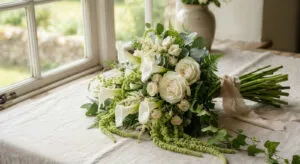
There are two more choices worth mentioning. Tuberose - a flower whose sweet, heady scent made it sought after in perfumery, with long, flexible stems ideal for elongated arrangements. And sculptural bouquets, like Monica's: green amaranth giving movement as it falls, white anthuriums bringing structure, and long-stemmed hydrangeas providing volume.
The conclusion is not which flower is in fashion this season. The conclusion is that the man who worked for the British royal family recommends smaller bouquets - while the industry sells bigger ones. The only question is whose advice is free, and whose is charged by the stem.
The latest 10 news from this category
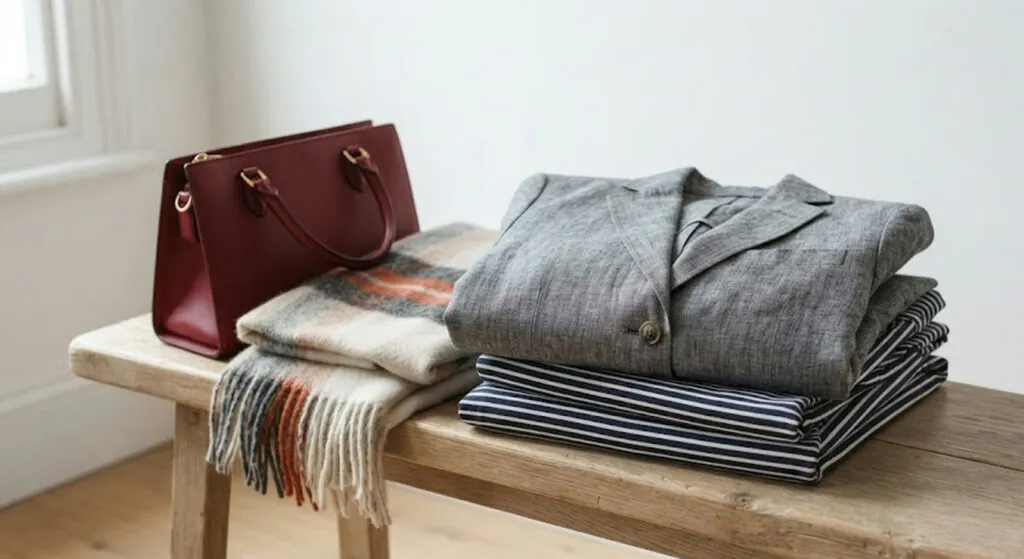
Grey takes over the role of the neutral, and fringing is back via scarves tied around the waist. The question...
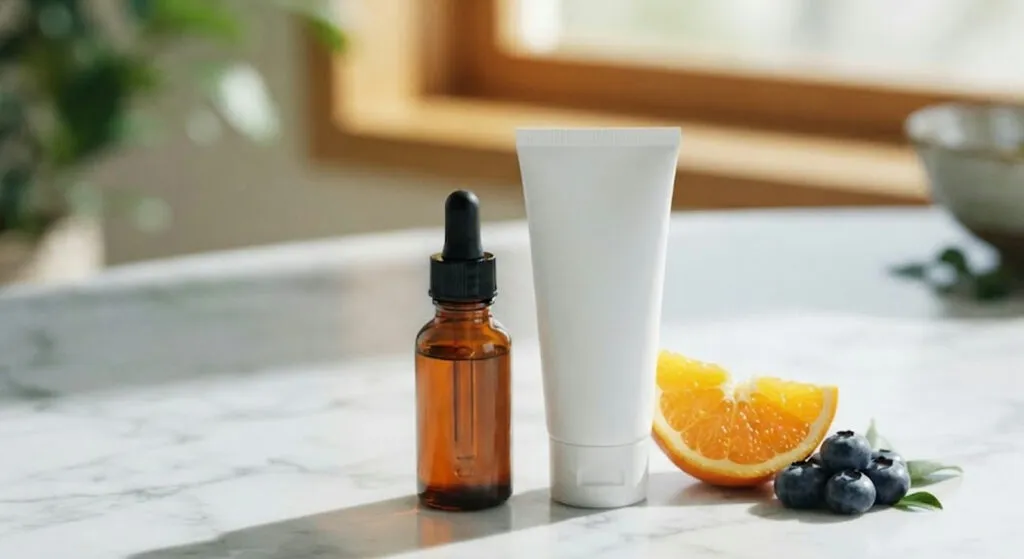
The list dermatologists recommend alongside the cream is free and sits in every market. Nothing on it costs forty euros.
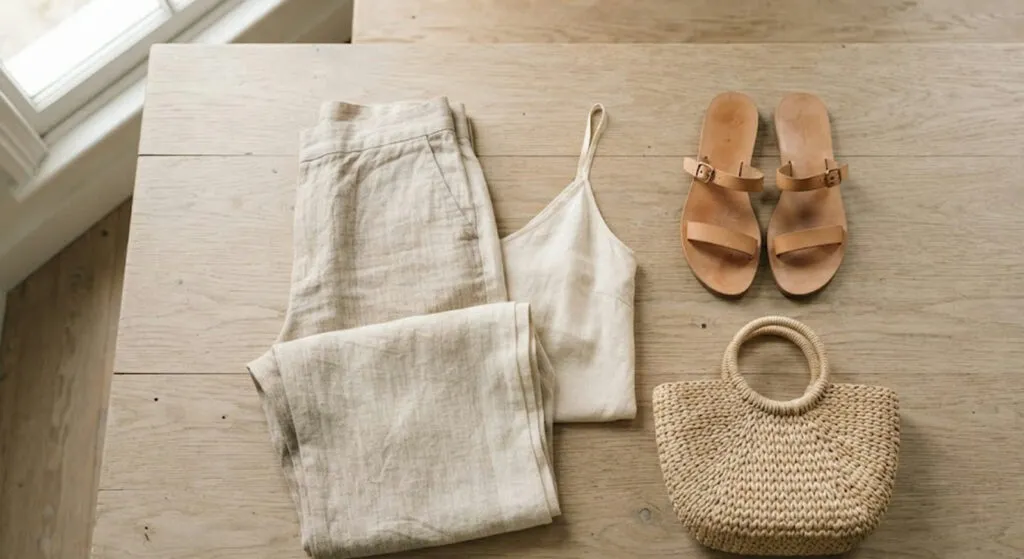
The creasing isn't a defect in the product, it's its signature. The industry sells the difference between seven looks and...
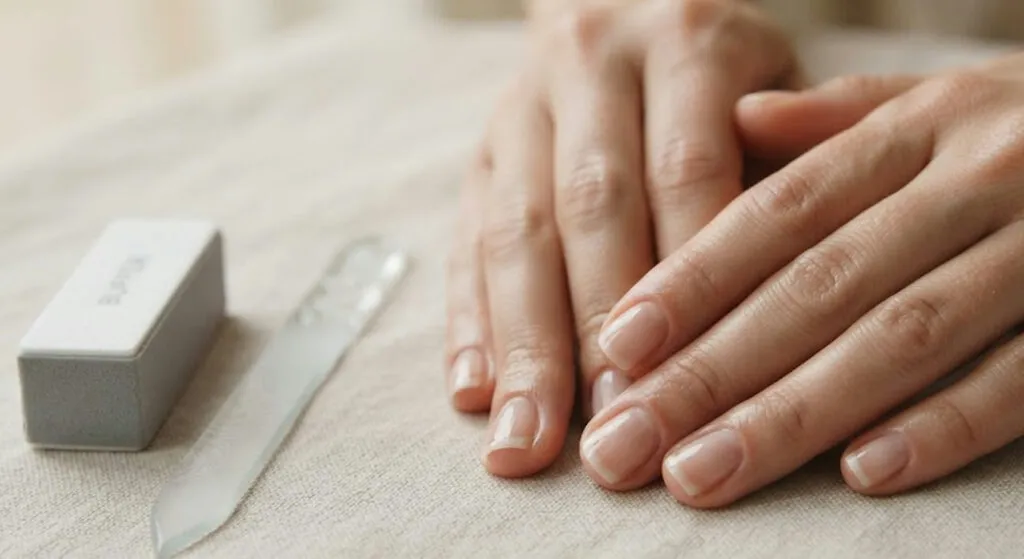
Nothing is glued on and nothing is built up. For the price of one gel application you buy a bottle...
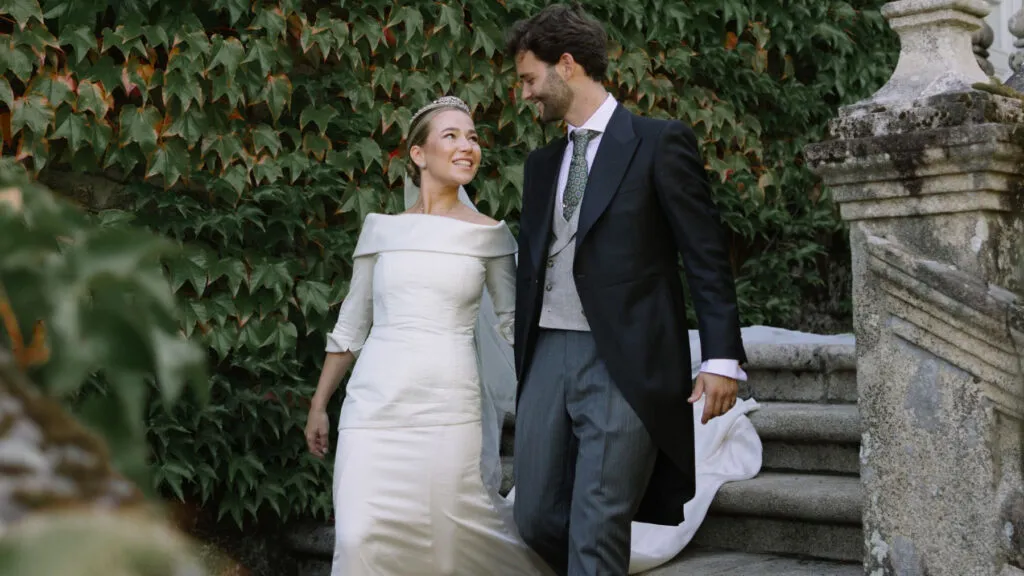
Ivory wild silk, a tiara made in three weeks and seven years of letters read out loud instead of a...
Four pockets, two pleats and no belt. The guayabera was cut for working in the heat, and now retailers say...
None of these five steps requires new cosmetics or any money spent. They only require you to stop assuming your...
The dress is kept, the jewellery is inherited. The cake exists to disappear - and that is exactly why a...
Romantic boho is filling wardrobes this season. What the trend is actually selling is not the blouse, but the afternoon...
Cosmetologists break the features down one by one - nose, cheekbones, lips, jawline. But out of the whole list of...
This site uses cookies - is that okay? Learn more
Be the first to know when Metla launches something new
Leave your email and we will write when there is a new guide or something new on Metla.