
"That's not my job": the trial of the 13 Puls police officers restarted from scratch, and witnesses describe help being refused
22.09.2026


22.09.2026

22.09.2026

22.09.2026

22.09.2026

22.09.2026

22.09.2026

22.09.2026

21.09.2026

20.09.2026

22.09.2026
22.09.2026

21.09.2026

22.09.2026

22.09.2026

22.09.2026

22.09.2026

21.09.2026

20.09.2026

22.09.2026

22.09.2026

22.09.2026

22.09.2026

22.09.2026

22.09.2026

09.03.2026

27.02.2026

19.02.2026

22.09.2026

21.09.2026

21.09.2026

23.04.2026

23.04.2026

12.04.2026

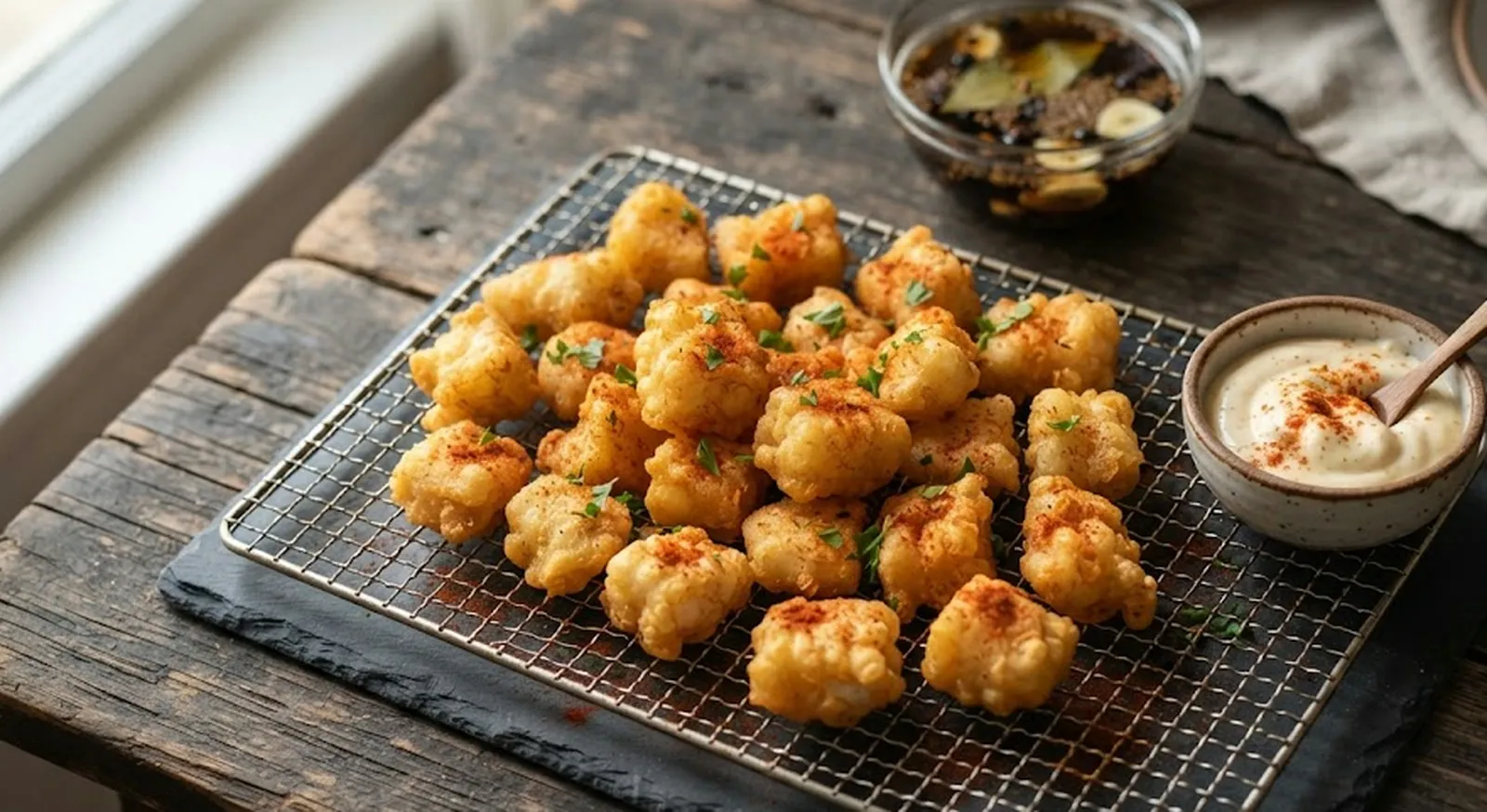
There is a dish on the coast of Cadiz that people eat with their fingers out of a paper cone, and its recipe is older than the refrigerator. In fact, the recipe exists precisely because the refrigerator did not. The vinegar, the salt and the spices were not flavour - they were how the fish survived until the next day.
The dish is marinated dogfish, a member of the shark family, cut into cubes, left in vinegar with garlic, cumin, oregano and paprika, then floured and fried. Locally they call it by a name that says everything: „bienmesabe” - literally, „it tastes good to me”.
Why vinegar, and not spices for flavour
Its origins trace back to the sixteenth and seventeenth centuries, in coastal Andalusia. Without refrigeration, fish was kept in vinegar and salt. Andalusian cooking added the cumin and oregano, and paprika arrived from the Americas. It is a recipe assembled out of necessity rather than an idea - and that is exactly why it still works today.
Dogfish has white, firm flesh and almost no bones, which makes it ideal for cutting into cubes. Its flavour is mild and slightly iodine-like, meaning it absorbs the intense marinade well without disappearing under it. Nutritionally it offers high-value protein, B vitamins, phosphorus and selenium, with a moderate fat content.
Where most people go wrong
There is one step everyone skips and one everyone gets wrong.
The skipped one: the marinade does not get rinsed off. Before flouring, the fish is drained - not washed. Rinse it and ten hours of marinating stay in the sink.
The wrong one: after frying, the fish goes on a rack, not on kitchen paper. Paper traps the steam under the piece and what was crisp turns soft in two minutes. A rack lets the steam fall away.
A recipe for four
You need: 300 g cleaned dogfish fillets, a teaspoon of ground garlic, a teaspoon of sweet paprika, a teaspoon of cumin seeds, a teaspoon of oregano, 50 ml white vinegar, two bay leaves, salt, 200 ml water, 250 g frying flour and about half a litre of mild olive oil.
The fish is cut into cubes of about two by two centimetres so it cooks evenly. In a bowl, mix the paprika, garlic, oregano, vinegar, crumbled bay leaves, a little salt and the water. Add the fish pieces, add water if needed so they are covered, and leave covered in the fridge for eight to ten hours.
Then the pieces are lifted out, drained and floured one by one. Shake them well over a sieve so the excess flour falls off - otherwise it forms lumps. Heat the oil well, to around 170 to 180 degrees, and fry the fish in small batches so the temperature does not drop. Once golden on all sides, lift it out and onto a rack. Serve hot, with mayonnaise or a garlic sauce.
Eight to twelve hours means the night before
The only real requirement of this dish is not skill, it is planning. The fish sits in the marinade for eight to twelve hours - which means the decision about lunch is made the previous evening. That is exactly the logic by which the things worth eating get made around here: nobody asks at eleven what will be eaten at one.
The latest 10 news from this category
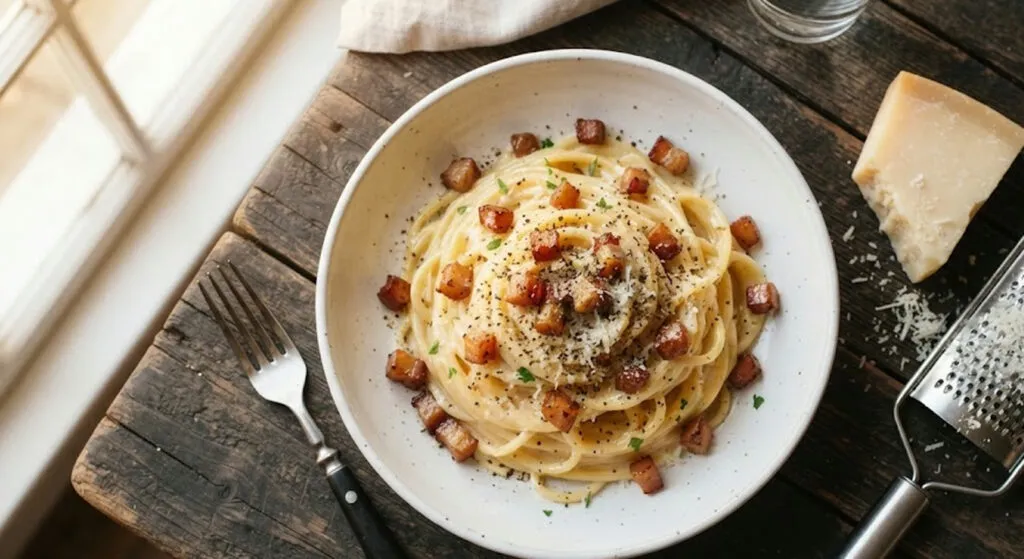
Cream in carbonara is an invention that took hold outside Rome. If the pan is hot when the eggs go...
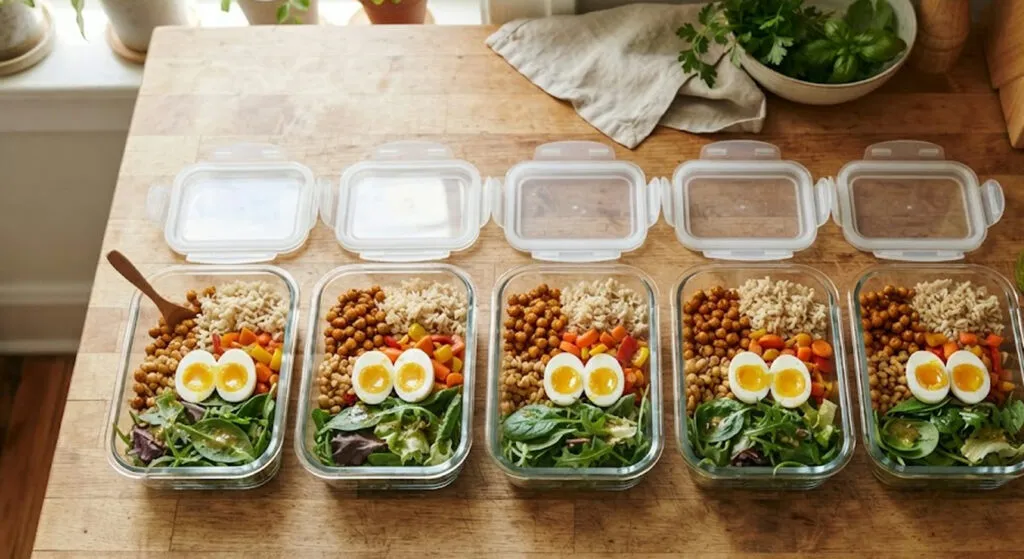
Components separately, or full boxes ready to reheat. One gives you variety, the other speed, and blanching your vegetables before...
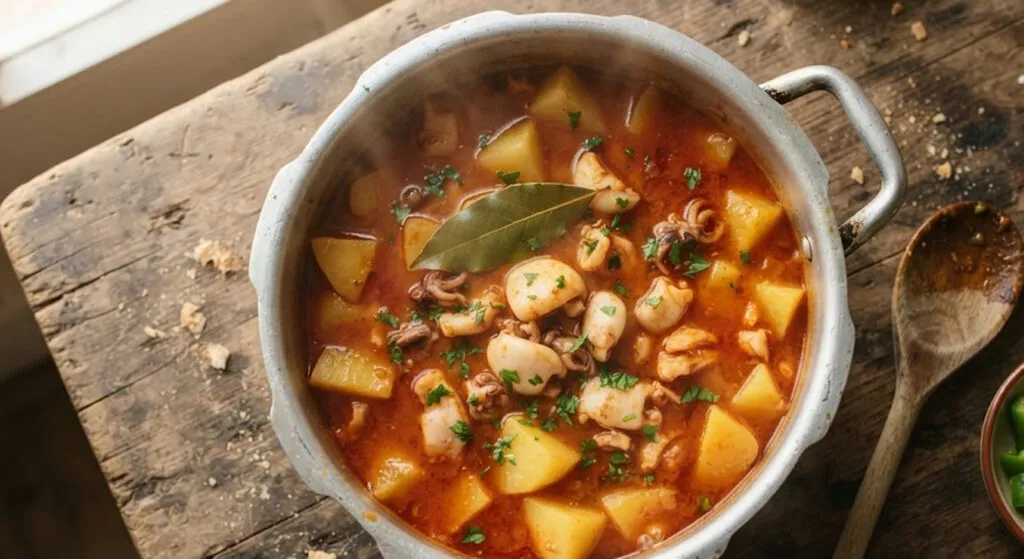
The cuttlefish goes in before the potatoes - the other way round and you get potato in water with pieces...
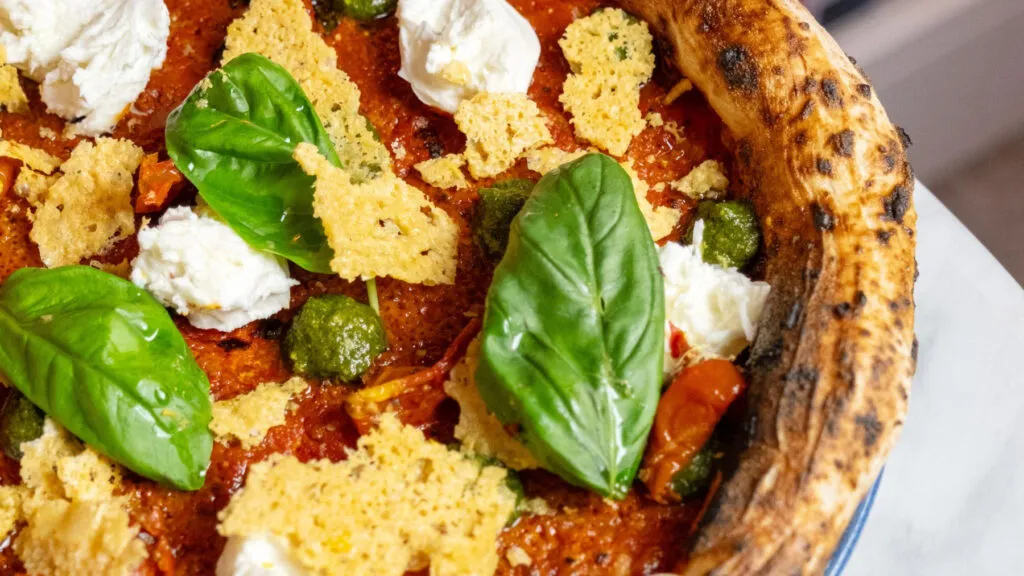
An Italian guide, a gala in Naples, first place for a London restaurant. Spain gets six entries - but only...
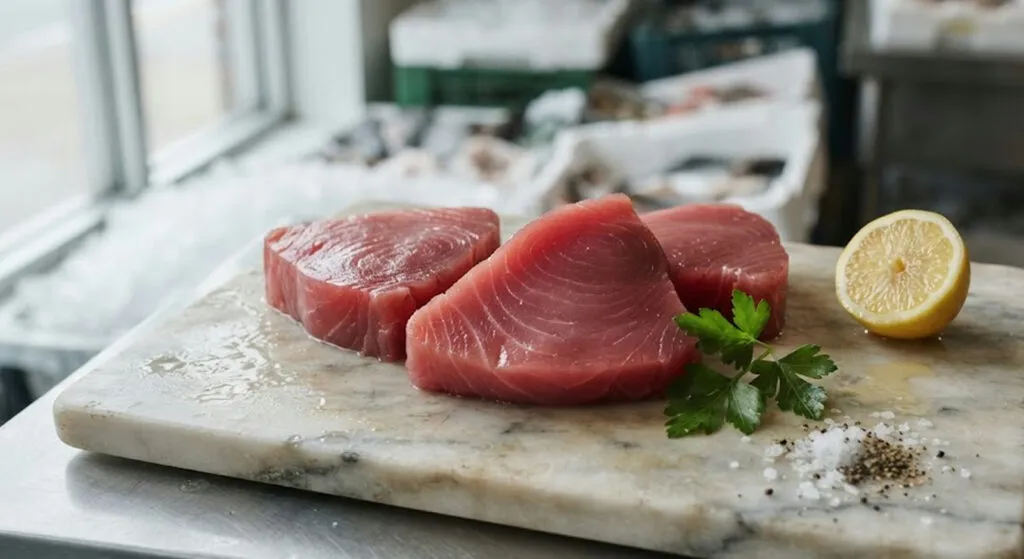
It is caught with hook and line, not with nets, and you can taste that on the plate. The three...

Home-made chicken curry fails at the same point for everyone. The difference is made by one step that has nothing...
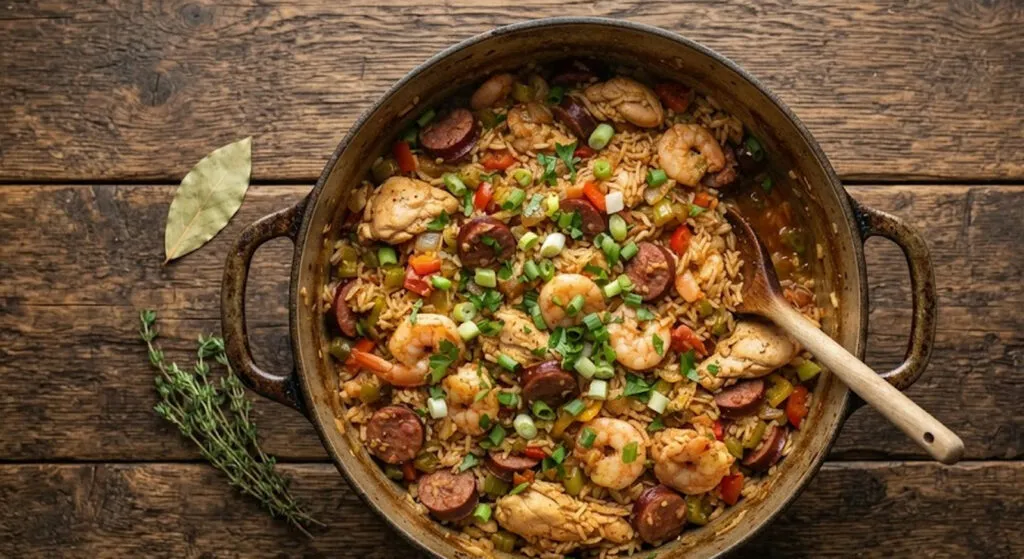
Jose Andres has lived in America for over thirty years, and when asked for his favourite American dish he named...
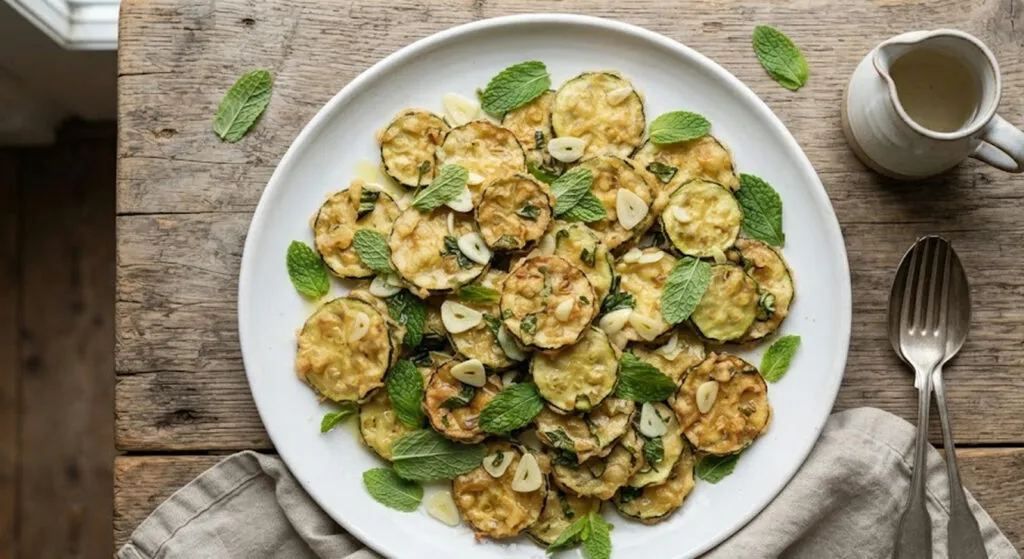
A kilo of courgettes, mint, garlic and eighty millilitres of vinegar. Not one expensive ingredient - and the water you...
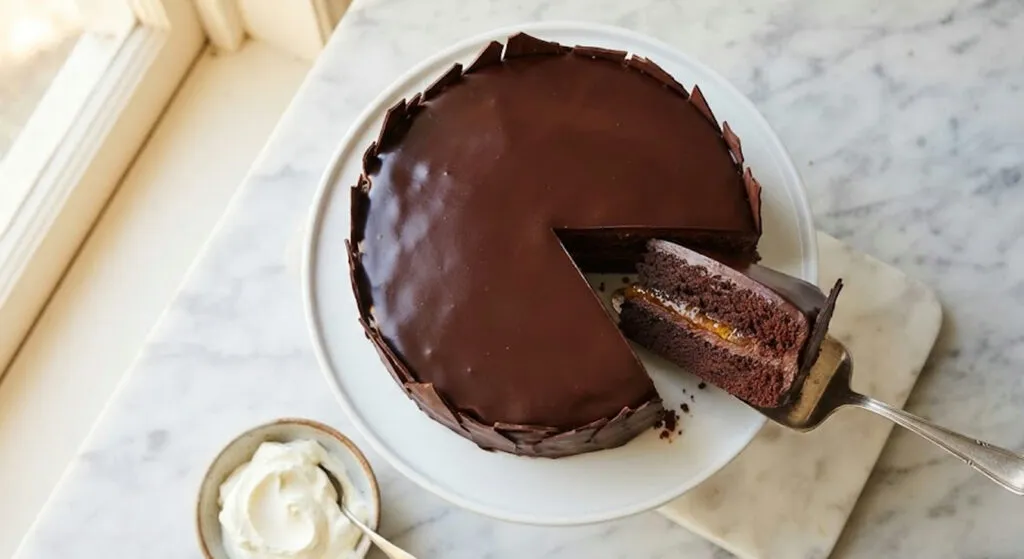
Whoever beat all the eggs together made a different cake. And the glaze must not pass 45 degrees, or the...
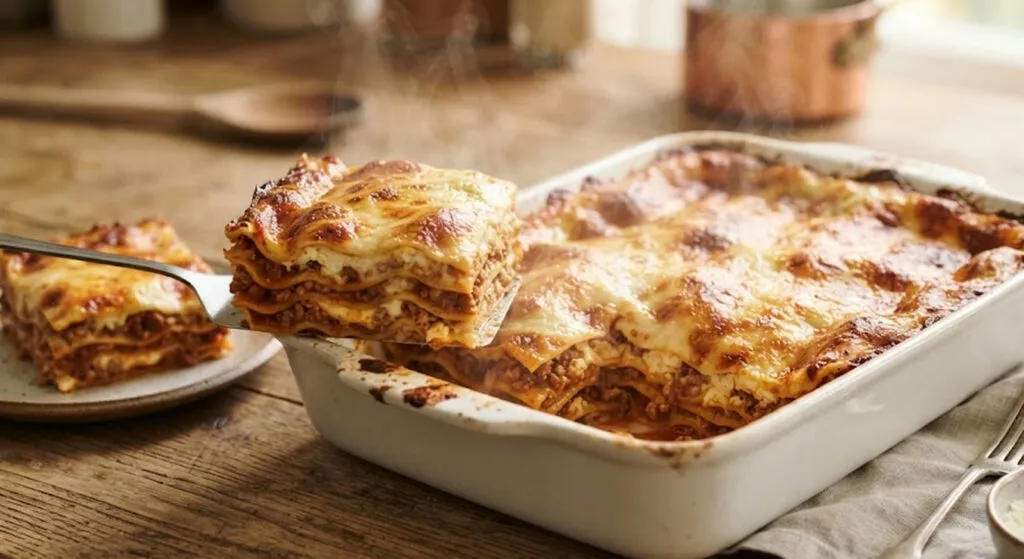
One rule applies to all three and it is the one most often skipped. It is not a recommendation to...
This site uses cookies - is that okay? Learn more
Be the first to know when Metla launches something new
Leave your email and we will write when there is a new guide or something new on Metla.