


The "Lottery" Trial: 231 Pieces of Evidence, and So Far Not a Single Message Between Grubi and Bajrami
24.09.2026


24.09.2026

24.09.2026

24.09.2026
24.09.2026

24.09.2026
24.09.2026

24.09.2026
23.09.2026

22.09.2026

24.09.2026

24.09.2026

23.09.2026

24.09.2026

24.09.2026

24.09.2026

24.09.2026

23.09.2026

22.09.2026

24.09.2026

24.09.2026

24.09.2026

24.09.2026

23.09.2026

23.09.2026

09.03.2026

27.02.2026

19.02.2026
24.09.2026

23.09.2026

22.09.2026

23.04.2026

23.04.2026

12.04.2026


Twenty-two people on a mountain, with nets and notebooks, counting dragonflies and newts on Jablanica. It sounds like a hobby. In fact it is the only thing standing between an ecosystem and somebody's decision to build on it, drain it or cut it down - because without data, no protection law can be enforced.
The Macedonian Ecological Society held a three-day cross-border training on nature monitoring on Jablanica, where participants from Macedonia and Albania learned methods for protecting peat bogs, birds, newts and dragonflies. The training ran from 29 to 31 July at several key locations.
At the Vevčani Golina site, participants practised bird monitoring methods, while fieldwork at Labuništa and Podgorci lakes focused on tracking the condition of peat bogs, newts and dragonflies. The training was led by experts from the Faculty of Natural Sciences and Mathematics in Skopje.
The most interesting thing is who was in the group. Among the 22 participants were staff from municipalities, public institutions and civil society organisations - but also local hunters and hikers. That is not a decorative line in a report. These are the people genuinely out there every weekend, unlike the inspector who shows up once a year, if at all.
The activity is part of a regional project to strengthen the management of cross-border protected areas in the Western Balkans, focused on the pilot areas Jablanica - Shebenik and Prokletije - Albanian Alps, both part of the European Emerald and Natura 2000 networks. The goals include harmonising management across borders in line with EU directives and better integrating monitoring data into management plans.
The same logic repeated this year in Prespa, where a cross-border summer school with young ecologists from Macedonia, Albania and Greece ran from 27 to 31 July, organised by the same society with partners from the PrespaNet network. Five days in the field instead of five days of presentations.
Nature does not recognise the border - water, birds and pollution cross without a passport. The question is whether institutions will learn to work by the same logic, or keep guarding their own slice of the same mountain. The training sessions are a start. What comes next - whether the collected data reaches plans that somebody actually applies - is the part that usually stalls.
The latest 10 news from this category

The square metres and parking spaces were announced down to the last one. How many people will be hired and...
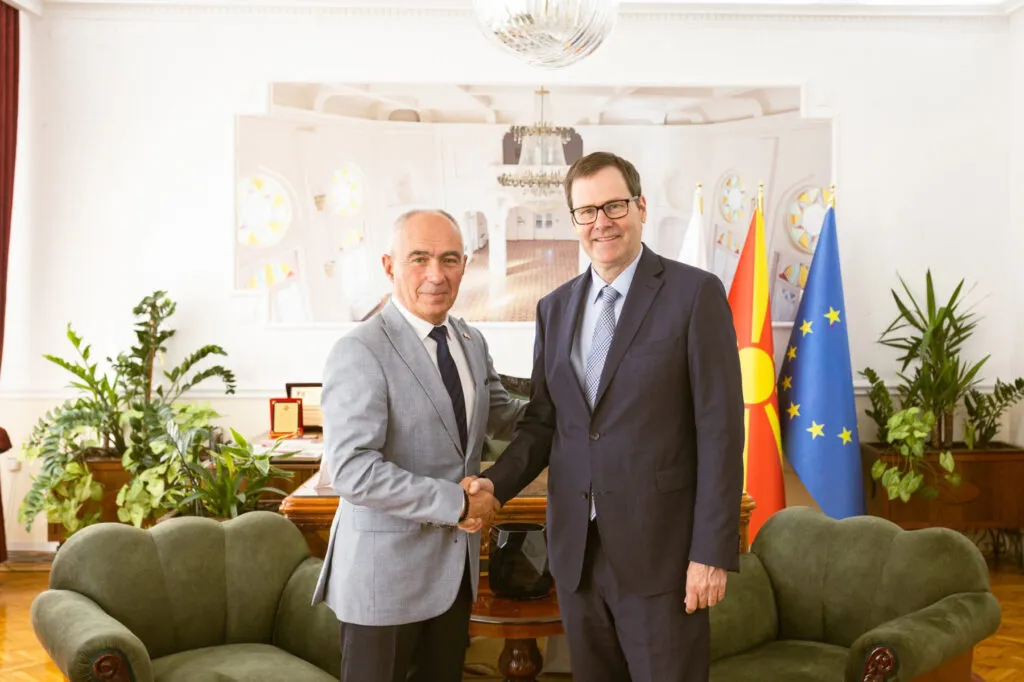
The mayors offered a "favourable business climate" and raw materials. The only concrete thing to come out of the meetings...
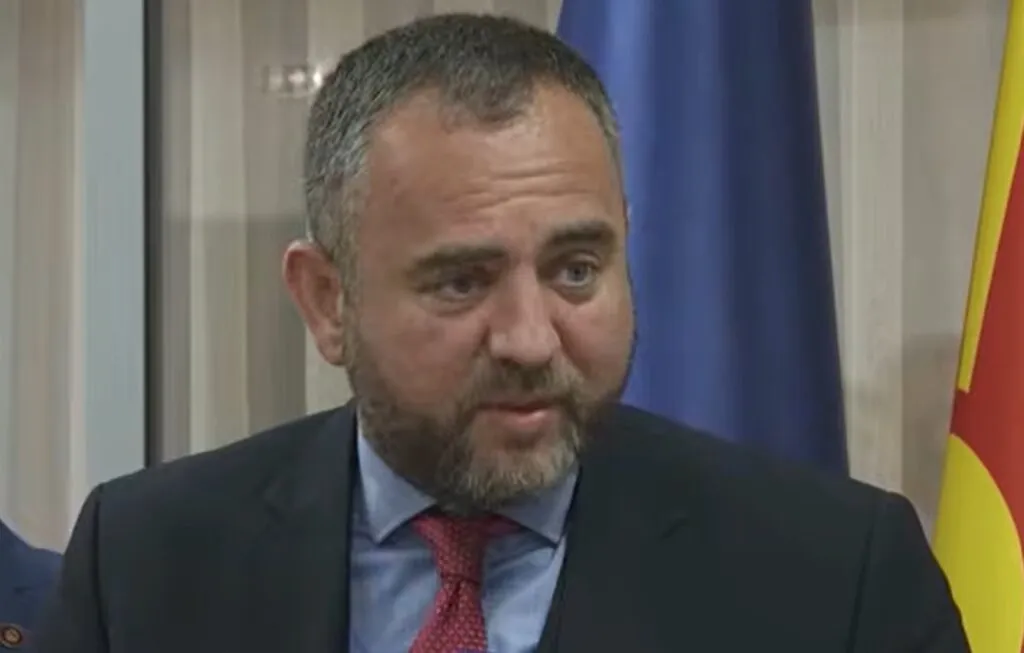
Home-address checks are being announced with the police as a partner, while the health minister admits that monitoring where sick...

The city has announced round-the-clock video surveillance against illegal dumps and vandals, and the cameras haven't even been bought yet....
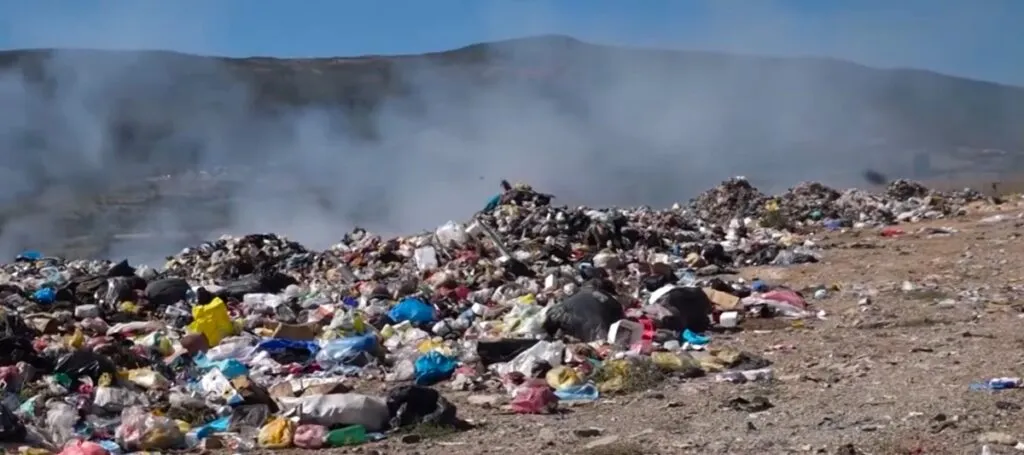
Residents want the trucks serviced; the company wants better packaging. Meanwhile, 650 cubic metres of illegal dumps were cleared in...
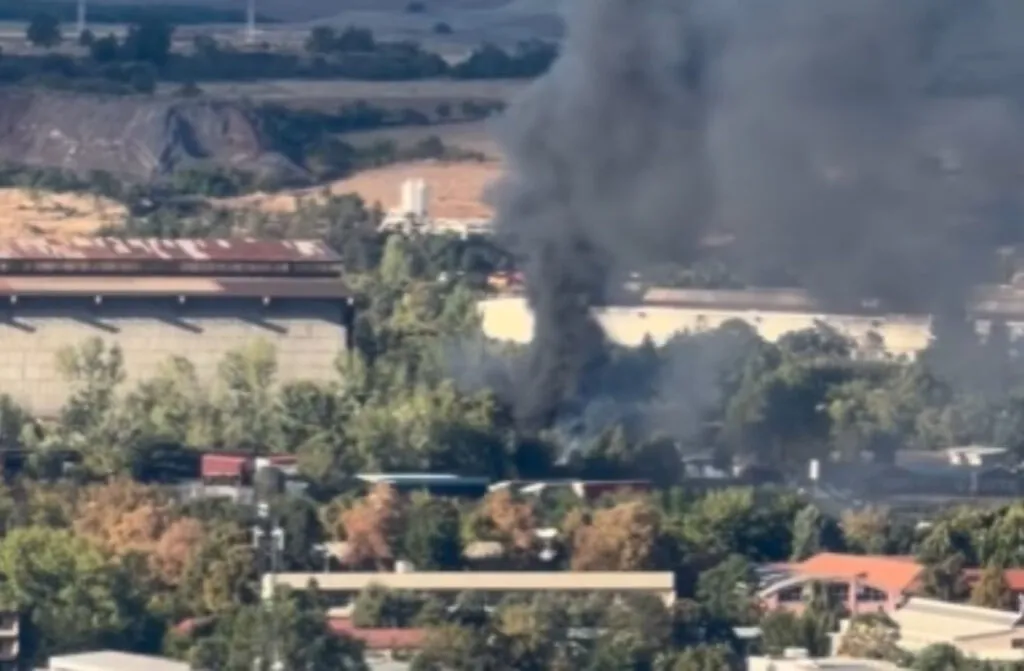
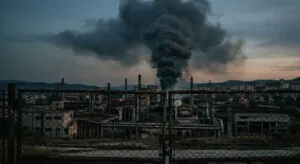
According to the Crisis Management Center, a paint and varnish warehouse was on fire. That explains why the smoke was...
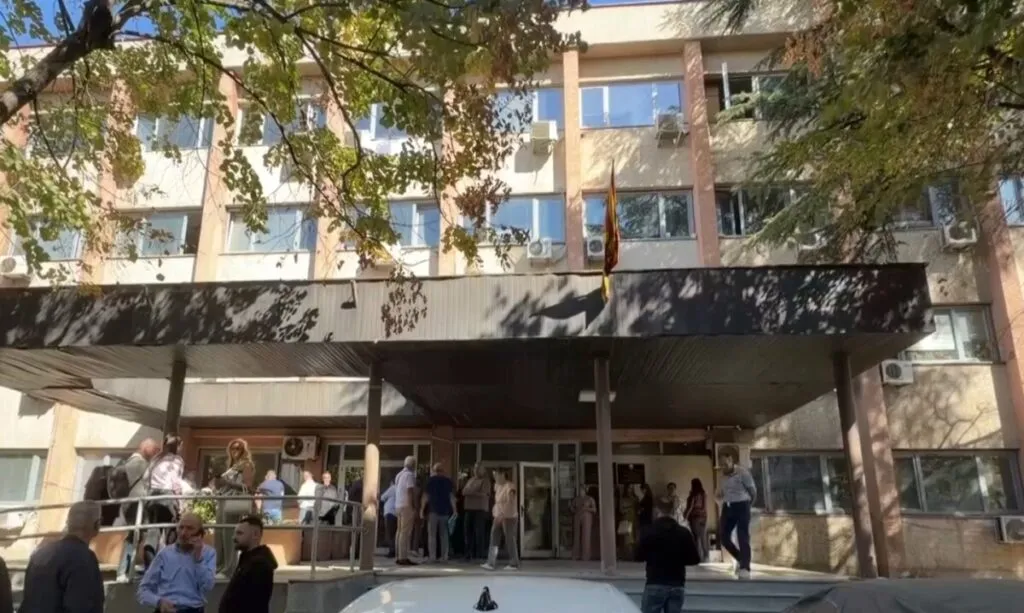
The union says staff have endured insults and threats from the court president for years. She says this is really...
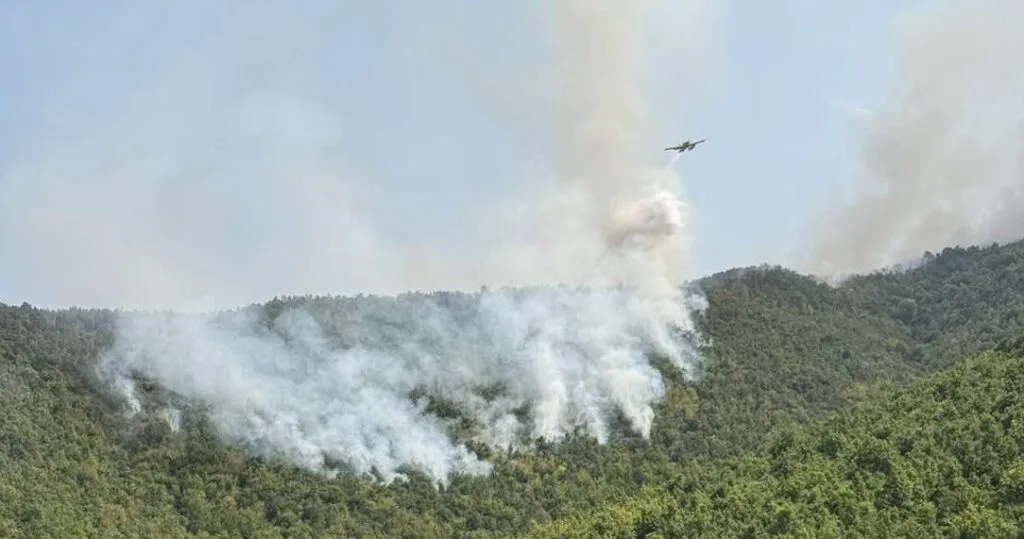
The state audit found a system that responds well and plans badly. The reforms were demanded by the EU screening...
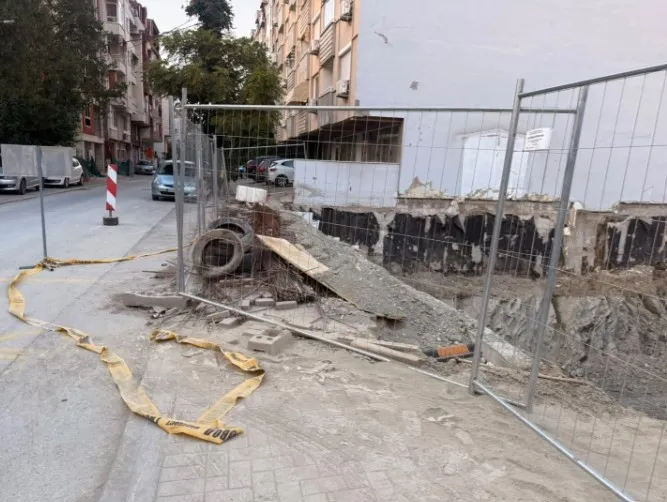
To fine a bar that is too loud, a citizen has to file a complaint at the municipal Registry. The...
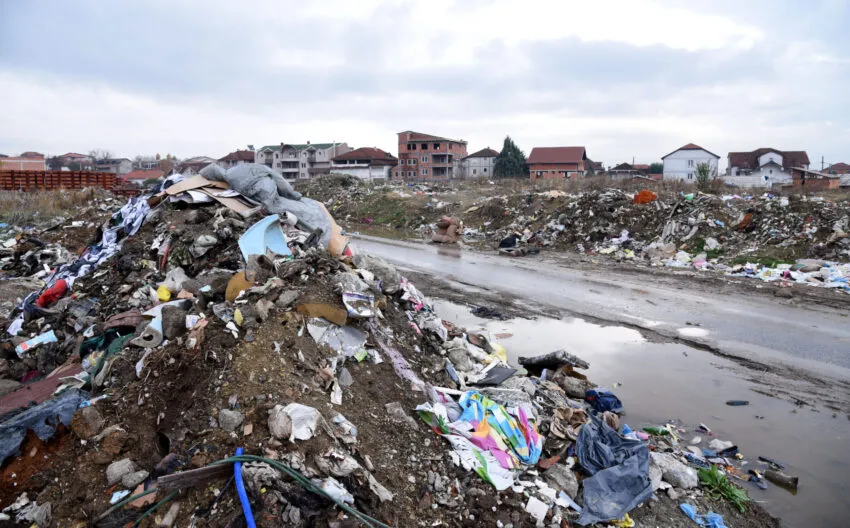
In Montenegro the same offence costs up to 2,000 euros. But the fine is not the only problem: Skopje's municipal...
This site uses cookies - is that okay? Learn more
Be the first to know when Metla launches something new
Leave your email and we will write when there is a new guide or something new on Metla.
